

Part of our Riviera Maya guide.
Snorkeling the Bat Cave at Dos Ojos Cenote lets you swim through a limestone cave with bats overhead and fish in crystal-clear water. Hiking to a hidden natural pool in Isalo National Park offers a cool dip after crossing Madagascar’s rugged canyons.
Related travel guides: Puerto Vallarta Vs Riviera Maya: Here’s How To Choose Your Next Mexico Vacation, Hiking Trails and Outdoor Travel Guides, 10 BEST All-Inclusive Resorts In Mexico For A Stress-Free Holiday, Where To Stay In Family Travel, and The Complete Guide To Visiting Cancun In Mexico.
Snorkeling The Bat Cave At Dos Ojos Cenote
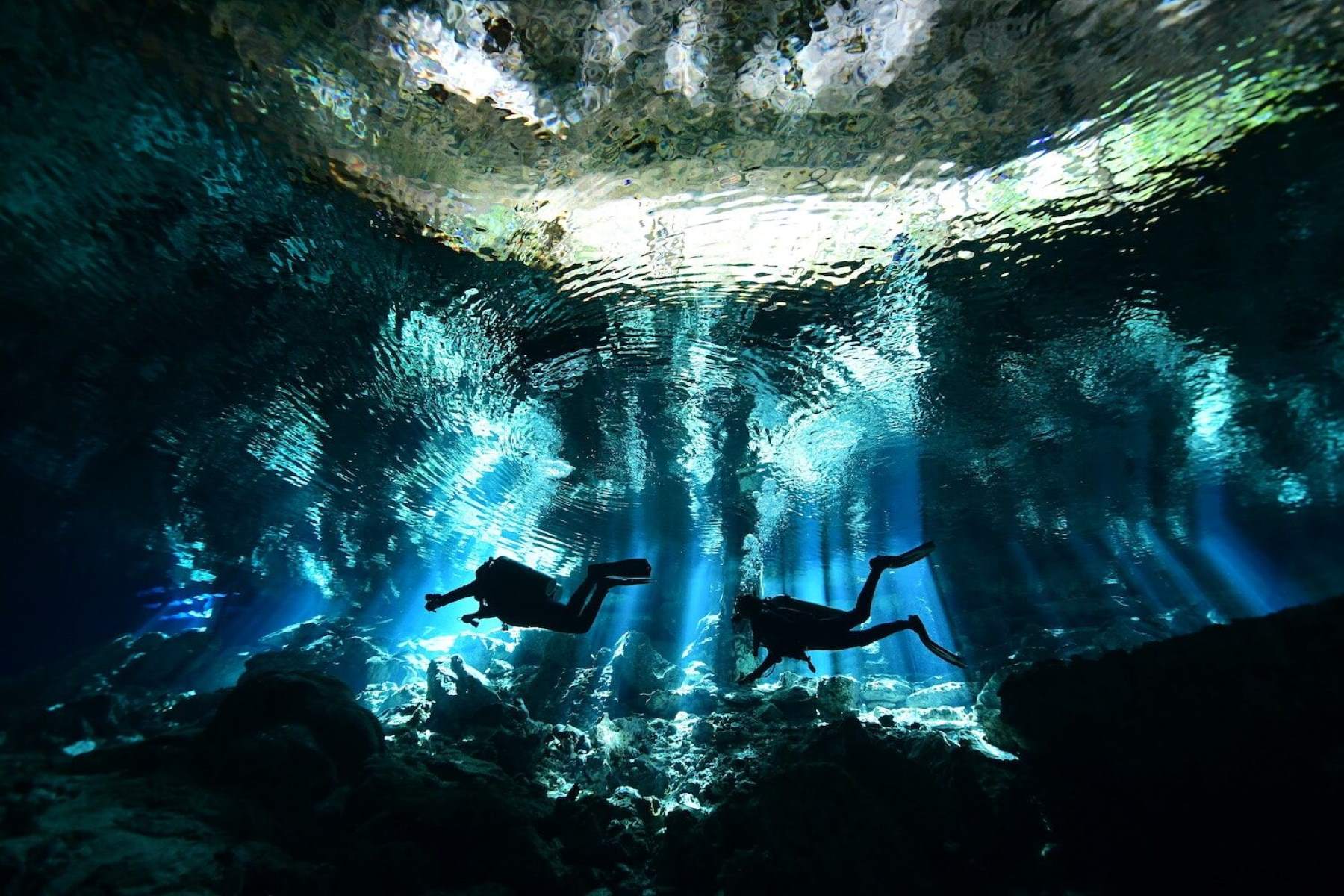
Dos Ojos Cenote, in the Riviera Maya, has two connected sinkholes with clear water and rock formations. The Bat Cave is one section where you snorkel through a cavern. Bats hang from the ceiling, and fish dart around the limestone. The water is so clear you see the formations well below. Beginners and experienced snorkelers can both do this; the cave is calm and shallow in most parts. You enter from a wooden platform and follow a fixed line. No special gear is needed beyond a mask, snorkel, and fins, which you can rent on site. The cenote is about a 15-minute drive from Tulum on Highway 307. It is open daily, and the entrance fee covers both cenotes. For a quieter experience, visit early morning before the tour buses arrive. This spot is also one of the secret swimming holes of Mexico's Riviera Maya, though it is well-known enough to have a parking lot and lockers.
Swim In Isalo National Park's Hidden Pool
Isalo National Park in Madagascar is a landscape of sandstone canyons, eroded rock pillars, and open grassland. The park’s natural pool sits at the bottom of a canyon, fed by a small waterfall. To reach it, you hike a marked trail from the park entrance near the town of Ranohira. The hike takes about two to three hours one way, depending on your pace and the heat. The trail crosses dry savanna, then drops into a narrow gorge where the pool appears. The water is clear and cool, good for a swim after the walk. The pool is not deep—waist to chest level in most spots—and the rock walls provide shade in the afternoon. The park charges an entry fee for foreigners, and you must hire a local guide at the gate. Guides are mandatory on all trails. The best time to go is during the dry season, from April to October, when the trail is not muddy and the pool is less likely to be murky. There are no facilities at the pool itself, so bring water and snacks. The pool is not signposted as a separate attraction; it is simply the main swimming spot on the standard canyon hike. The park also has a second, smaller pool further along the same trail, but most visitors stop at the first one.
