Hidden Wonders Of Cappadocia’s Underground Cities
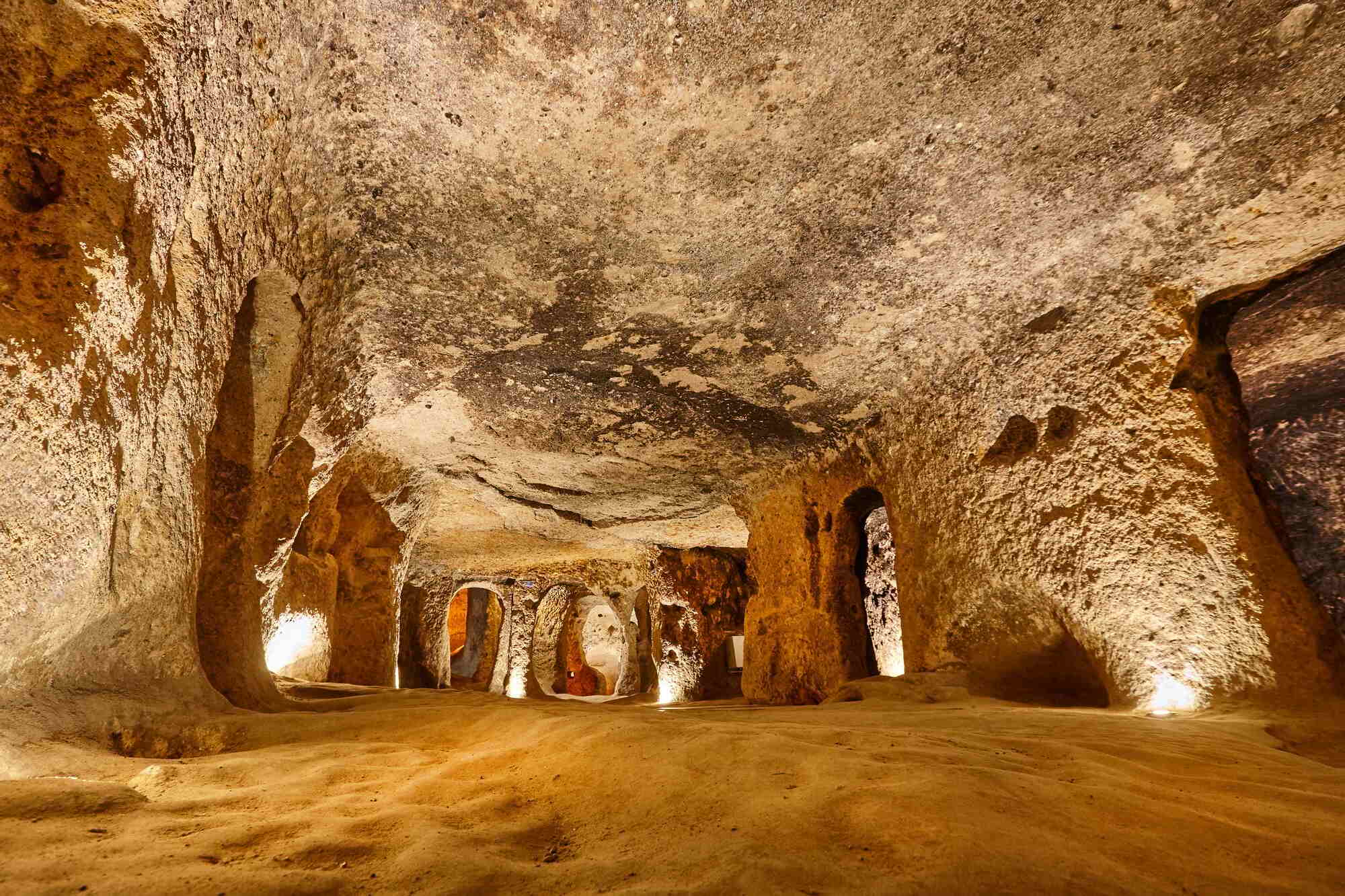
Have you ever wondered what lies beneath the surface of Cappadocia? This region in Turkey is famous for its unique landscapes, but there's more to it than meets the eye. Beneath the fairy chimneys and rock formations, you'll find Cappadocia's underground cities. These ancient cities were carved out of soft volcanic rock and served as hiding places during times of war. Imagine walking through tunnels that stretch for miles, discovering rooms that once housed entire communities. From ancient churches to storage rooms, these underground cities are a testament to human ingenuity and survival. Ready to uncover the secrets of Cappadocia's hidden world? Let's dig in!
Cappadocia: A Land of Mysteries
Cappadocia, located in central Turkey, is famous for its unique rock formations, fairy chimneys, and ancient cave dwellings. However, beneath its surreal landscape lies a network of underground cities that have fascinated historians and travelers alike. These subterranean wonders were carved out of soft volcanic rock and served as hiding places, storage areas, and living quarters for centuries.
Derinkuyu: The Deepest Underground City
Derinkuyu is the deepest of Cappadocia's underground cities, plunging 200 feet below the surface. This multi-level city could house up to 20,000 people along with their livestock and supplies.
- Ventilation Shafts: Ingenious ventilation shafts ensured fresh air reached even the deepest levels.
- Stables: The first level housed stables for animals, keeping them close to the surface.
- Churches and Chapels: Several small churches and chapels were found, indicating the importance of religion.
- Wine and Oil Presses: Residents produced their own wine and oil, essential for daily life.
- Escape Routes: Hidden passages allowed inhabitants to flee in case of invasion.
Kaymakli: The Largest Underground City
Kaymakli is the largest underground city in Cappadocia, sprawling over eight levels. It was home to around 3,500 people and is connected to Derinkuyu by a tunnel.
- Living Quarters: Spacious rooms served as living quarters, complete with kitchens and storage areas.
- Communal Spaces: Large halls were used for communal gatherings and meetings.
- Storage Rooms: Numerous storage rooms held food supplies, ensuring survival during long periods underground.
- Secret Tunnels: A network of secret tunnels connected different parts of the city.
- Security Doors: Massive stone doors could be rolled into place to block entrances and protect residents.
Özkonak: The City with Unique Defense Mechanisms
Özkonak is smaller than Derinkuyu and Kaymakli but boasts unique defense features. This city was designed to protect its inhabitants from invaders.
- Trap Doors: Trap doors were installed to surprise and trap intruders.
- Communication Tunnels: Narrow tunnels allowed residents to communicate and move quickly between levels.
- Booby Traps: Booby traps, such as holes for pouring hot oil, were strategically placed.
- Water Wells: Deep wells provided a reliable water source, crucial for survival.
- Grain Silos: Large silos stored grain, ensuring a steady food supply.
Mazı: The Hidden Gem
Mazı, often overlooked by tourists, offers a more intimate glimpse into underground life. This city is known for its well-preserved structures and unique layout.
- Animal Stables: Stables were located near the entrance, similar to other underground cities.
- Wine Cellars: Extensive wine cellars indicate the importance of wine production.
- Living Spaces: Cozy living spaces were carved out of the rock, providing shelter and comfort.
- Hidden Chapels: Small chapels were hidden within the city, reflecting the residents' faith.
- Secret Passages: Secret passages allowed for quick escapes and movement within the city.
Tatlarin: The Fortress-Like City
Tatlarin stands out for its fortress-like design and strategic location. This city was built to withstand attacks and provide a safe haven for its inhabitants.
- Fortified Entrances: Strong, fortified entrances protected against invaders.
- Observation Points: High observation points allowed residents to watch for approaching threats.
- Storage Areas: Large storage areas held food and supplies.
- Living Quarters: Comfortable living quarters were designed for long-term habitation.
- Defense Mechanisms: Various defense mechanisms, including hidden traps, ensured the city's safety.
Cappadocia's Timeless Mysteries
Cappadocia's underground cities offer a glimpse into a world long forgotten. These ancient marvels, carved from soft volcanic rock, reveal the ingenuity and resilience of past civilizations. Exploring Derinkuyu and Kaymakli, visitors can wander through labyrinthine tunnels, discover hidden chapels, and imagine life in these subterranean refuges. The region's unique landscape, dotted with fairy chimneys and cave dwellings, adds to the allure. A visit to Cappadocia isn't just a trip; it's a journey through time. Each underground city tells a story of survival, community, and adaptation. Whether you're a history buff or an adventure seeker, Cappadocia's hidden wonders promise an unforgettable experience. So pack your bags, lace up your walking shoes, and get ready to uncover the secrets buried beneath this enchanting land. Your adventure awaits in the heart of Turkey.