

Secrets Of Greenland’s Glacier Ice Core Research Sites
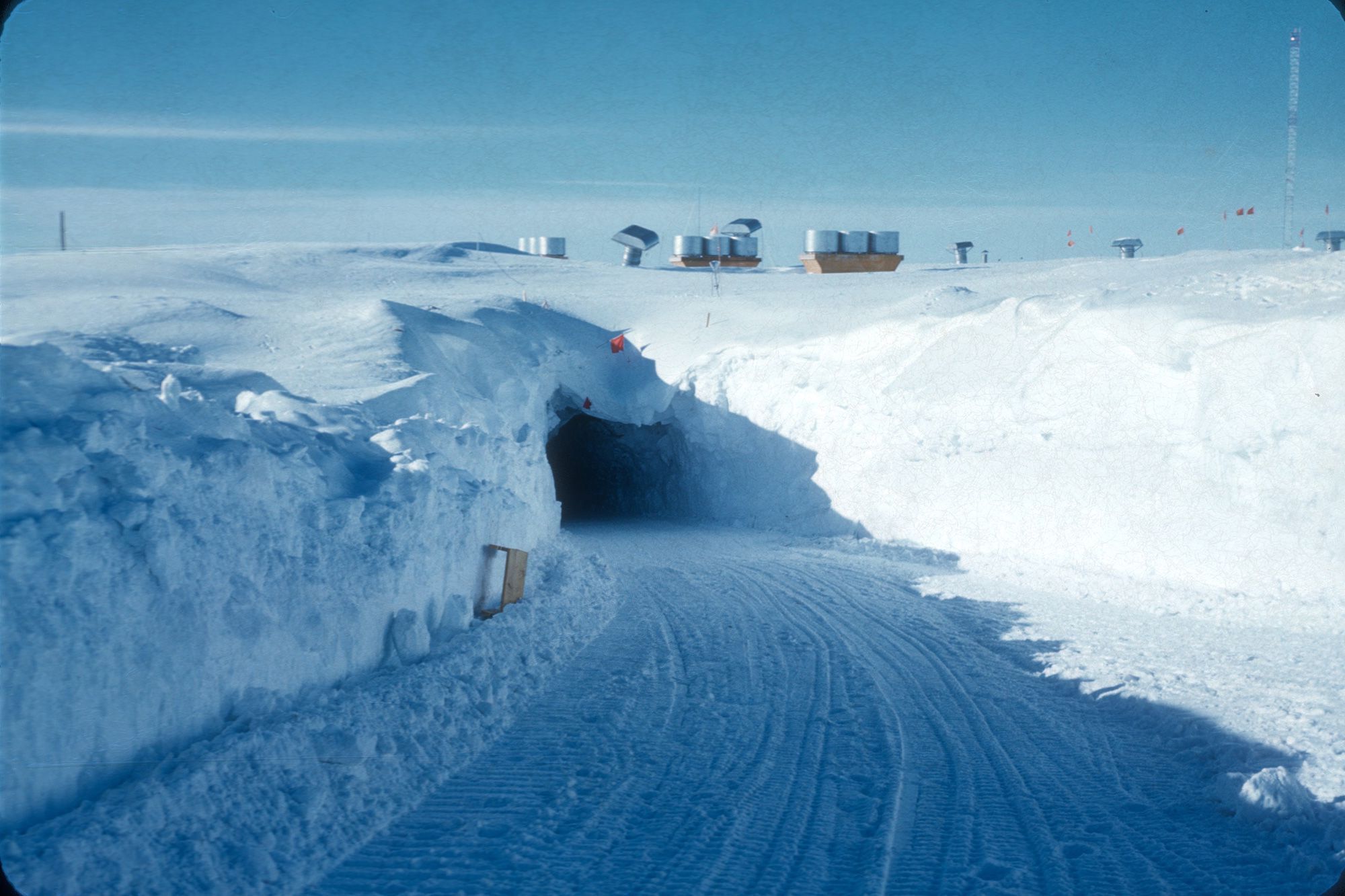
Have you ever wondered what secrets lie beneath Greenland's vast ice sheets? Greenland's glacier ice core research sites hold answers to questions about our planet's past climate. Scientists drill deep into the ice to extract cores, which are like time capsules. These cores reveal information about Earth's atmosphere, temperature, and even volcanic eruptions from thousands of years ago. Visiting these sites offers a unique glimpse into the meticulous work that helps us understand climate change. Imagine standing on a glacier, surrounded by endless white, knowing that beneath your feet lies a record of Earth's history. Ready to learn more?
Greenland's Icy Wonders
Greenland's glaciers hold secrets of Earth's past climate. Scientists study these icy giants to understand climate change. Let's explore some fascinating glacier ice core research sites in Greenland.
1. Summit Station
Summit Station sits atop the Greenland Ice Sheet. This remote research station is a hub for climate studies. Scientists drill deep into the ice to extract cores that reveal ancient climate data.
2. NEEM Camp
NEEM Camp, short for North Greenland Eemian Ice Drilling, focuses on the Eemian interglacial period. This site provides insights into past warm periods, helping predict future climate scenarios.
3. EastGRIP
EastGRIP, or East Greenland Ice-core Project, aims to understand ice flow dynamics. Researchers here study how ice moves and deforms, crucial for predicting sea-level rise.
4. Dye-3
Dye-3 is an old radar station turned research site. It offers a unique glimpse into the past, with ice cores dating back thousands of years. This site helps scientists piece together Earth's climate history.
5. Camp Century
Camp Century, a Cold War-era military base, now serves science. Researchers study ice cores here to learn about past atmospheric conditions and volcanic activity.
6. Renland Ice Cap
Renland Ice Cap is a smaller ice cap with valuable data. Scientists drill here to understand regional climate variations and their impact on global climate patterns.
7. NGRIP
NGRIP, or North Greenland Ice Core Project, focuses on deep ice cores. This site provides a continuous climate record spanning over 100,000 years, offering invaluable data for climate models.
8. GRIP
GRIP, or Greenland Ice Core Project, was one of the first major ice core drilling projects. It set the stage for future research, providing a wealth of data on past climate changes.
9. Camp Raven
Camp Raven, a remote site in Greenland, offers unique ice core samples. Researchers here study the ice to understand past climate variability and its impact on the environment.
10. Petermann Glacier
Petermann Glacier, one of Greenland's largest, is a key research site. Scientists study ice cores here to understand glacier dynamics and their contribution to sea-level rise.
Greenland's Glacial Mysteries
Greenland's glacier ice core research sites offer a unique glimpse into Earth's past. These frozen archives hold clues about ancient climates, atmospheric changes, and even volcanic eruptions. Scientists drill deep into the ice, extracting cores that reveal layers of history, much like tree rings. This research helps us understand climate change, predict future trends, and develop strategies to protect our planet.
Visiting these sites isn't just for scientists. Adventurous travelers can explore the stunning landscapes, witness the drilling process, and learn about the vital work being done. It's a chance to see firsthand how our planet's history is being uncovered, one ice core at a time.
Whether you're a science enthusiast or just love breathtaking scenery, Greenland's glacier ice core research sites are a must-see. They remind us of the importance of preserving our environment for future generations.
