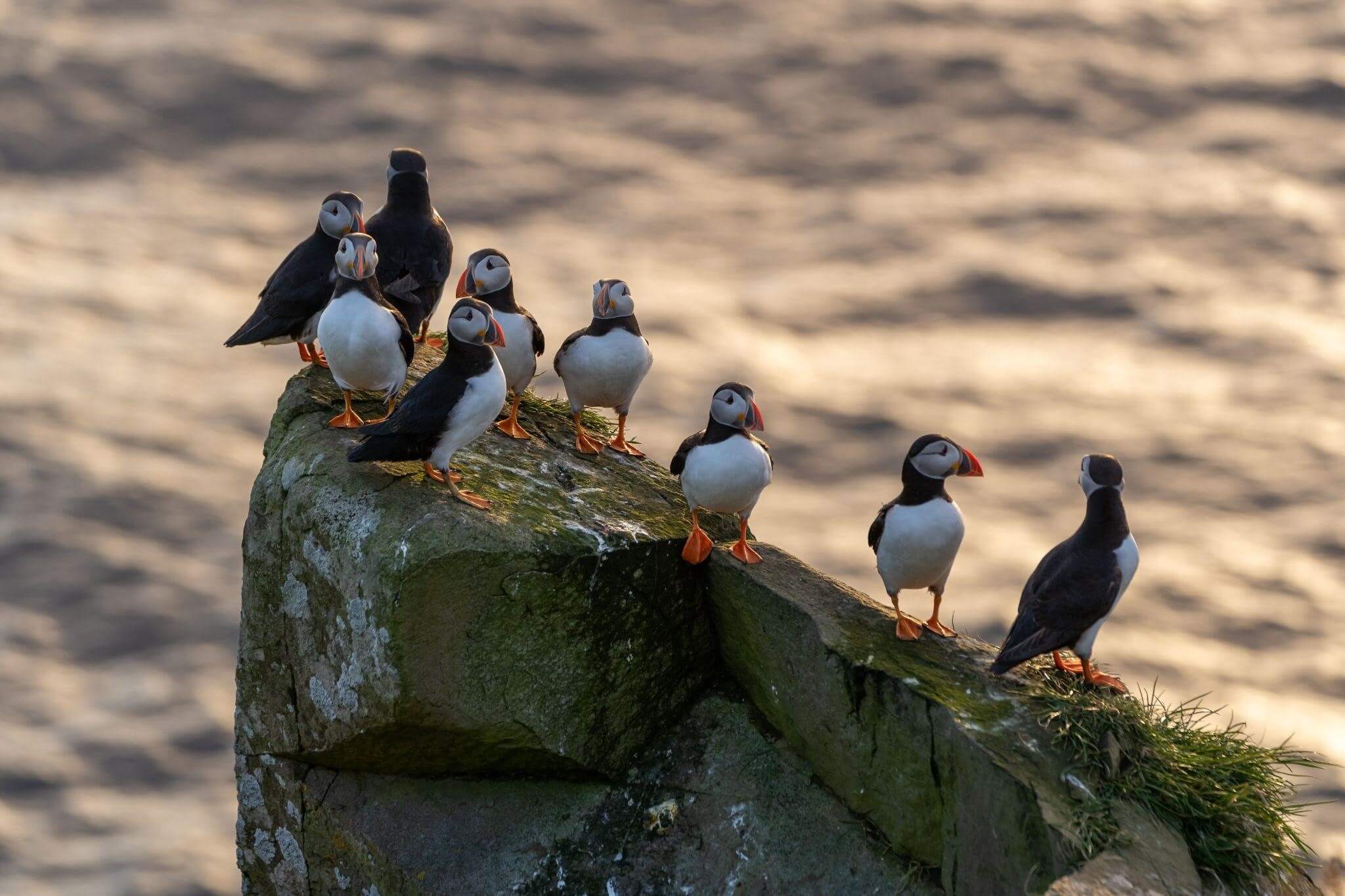
Before a day trip to Mykines, the home of puffins, you must book your ferry ticket well in advance and check the weather, as summer visits from May to August offer the best chance to see the birds. However, the ferry schedule is subject to change due to choppy Atlantic conditions, and visitor numbers are limited, so arriving early at Sørvágur is essential to secure your spot.
Location and Access
Mykines is located in the Faroe Islands, a remote archipelago in the North Atlantic Ocean. It is the westernmost island of the Faroes and is known for its dramatic cliffs and stunning natural beauty. To access Mykines, you will need to travel by ferry from the main island of Vagar.
The ferry departs from Sørvágur, a small village on the southern coast of Vagar. To reach Sørvágur, you can take a domestic flight from the Faroe Islands' capital, Tórshavn, or drive from nearby towns. The journey takes around 45 minutes by car from Tórshavn.
Once in Sørvágur, you board the ferry for Mykines. The ferry ride takes approximately 45 minutes, crossing the choppy Atlantic waters. During this time, you can spot seabirds and perhaps catch a glimpse of whales.
The summer months, from May to August, are considered the best time to visit Mykines. During the peak tourist season, which is generally from May to August, the ferry operates multiple times a day to accommodate high demand. The best time to witness the puffins on Mykines is during the summer months, from May to August, when the birds come to the island to breed and raise their young. The ferry schedule is subject to change due to weather conditions, so check the latest updates before planning your trip. Arrive at the terminal well in advance to secure your spot, especially during peak season. Visitor numbers may be limited, so it is crucial to plan your trip and secure your tickets early to avoid disappointment.
Upon arrival on Mykines, you are greeted by the picturesque village, with colorful houses and a peaceful atmosphere. From there, you can explore the island’s wonders. Whether you are seeking solitude, breathtaking landscapes, or a chance to spot unique wildlife, Mykines offers it all.
Weather and Seasons
When planning a day trip to Mykines, it is crucial to consider the weather conditions and the best time to visit. The Faroe Islands, including Mykines, have a maritime climate, which means that the weather can be unpredictable and changeable throughout the year.
During this period, the days are longer, and the weather is generally milder. It is also the peak season for birdwatching, as puffins and other seabirds flock to the island to breed and raise their young. The lush green landscapes, blooming wildflowers, and vibrant bird colonies make for a truly magical experience.
Even during these months, it is advisable to pack appropriate clothing for varying weather conditions. Temperatures can range from cool to mild, and rain showers are common. Bring layers, including a waterproof jacket, sturdy hiking shoes, and a hat to protect against wind and rain.
During the winter months, from December to February, Mykines experiences colder temperatures and shorter daylight hours. The weather can be harsh, with strong winds and frequent rain or snow showers. While winter offers a unique atmosphere, it is essential to be well-prepared and aware of the potential challenges.
Spring and autumn are also suitable seasons to visit, as the weather is generally milder compared to winter and there are fewer tourists. However, these seasons can still bring frequent rain and windy conditions, so come prepared with appropriate clothing.
Checking the forecast before your trip and being prepared for different weather scenarios will ensure a comfortable experience on the island. By choosing the appropriate season, you can fully appreciate the natural beauty this remote island offers.
Ferry Schedule and Tickets
Before embarking on your day trip to Mykines, it is essential to familiarize yourself with the ferry schedule and secure your tickets in advance. The ferry is the primary mode of transportation to and from the island.
The ferry from Sørvágur to Mykines operates on a regular schedule, but it is subject to change due to weather conditions. Check the latest updates on the ferry company's website or contact them directly to confirm departure timings.
Outside of this season, especially during winter months, the ferry schedule may be more limited, with fewer departures per day. Plan your trip accordingly and ensure you have enough time on the island.
Arrive at the ferry terminal in Sørvágur well in advance to purchase your tickets and secure your spot. During the peak season, arrive at least 30 minutes before the scheduled departure time, as the ferry can fill up quickly.
Tickets can be purchased online in advance or at the ticket office in Sørvágur. To guarantee availability, especially during busy periods, book your tickets in advance. The ferry company may offer package deals or discounts for round trip tickets, so explore these options to save both time and money.
This helps preserve the fragile ecosystem and protect the puffin colonies.
By familiarizing yourself with the ferry schedule, booking tickets in advance, and allowing sufficient time for check-in, you can ensure a smooth journey to and from Mykines, maximizing your time exploring the island.
Hiking Trails and Difficulty
Mykines is a paradise for hikers, offering a variety of scenic trails that cater to different fitness levels and interests. Exploring the island on foot allows you to fully immerse yourself in its breathtaking landscapes and discover hidden gems along the way.
One of the most popular hiking trails on Mykines is the path that leads to the iconic lighthouse. This trail, known as the Lighthouse Trail, offers mesmerizing views of the rugged coastline, towering cliffs, and the vastness of the Atlantic Ocean. The trail is relatively moderate in terms of difficulty, making it accessible to most visitors. The hike takes around 1.5 to 2 hours round trip, depending on your pace and the time you spend admiring the stunning vistas.
For those seeking a longer and more challenging hike, the hike to Mykineshólmur is highly recommended. Mykineshólmur is a small islet located just off the coast of Mykines and is home to a significant number of puffins. The hike to Mykineshólmur involves traversing steep cliffs, navigating narrow paths, and crossing a suspension bridge. It is important to be cautious and have a good level of fitness when attempting this trail. The reward, however, is well worth the effort, as you will have the opportunity to witness puffins up close and personal in their natural habitat.
It is crucial to be prepared and to have the appropriate gear when setting off on a hike on Mykines. Wear comfortable and sturdy hiking boots or shoes to ensure stability on the sometimes uneven and slippery terrain. It is also recommended to bring a waterproof jacket, extra layers, and sufficient snacks and water, as there are no facilities or stores along the hiking trails.
Before embarking on any hike, it is essential to check the weather conditions and trail closures. As Mykines experiences unpredictable weather, including fog, strong winds, and rain showers, it is important to prioritize safety and adjust your plans accordingly.
If you are not an experienced hiker or prefer a more leisurely stroll, you can still enjoy the beauty of Mykines by exploring the village and the nearby areas. The village itself is a picturesque and charming place to wander, with its colorful houses and peaceful atmosphere.
By choosing the hiking trail that suits your fitness level and being well-prepared with the right gear, you can fully enjoy the breathtaking landscapes and explore the wonders of Mykines at your own pace.
Puffin Colonies and Bird Watching
Mykines is renowned for its vibrant puffin colonies, making it a dream destination for bird enthusiasts and wildlife photographers. The island is home to thousands of puffins, giving visitors a unique opportunity to observe these charming seabirds up close.
During this time, you can witness the comical and adorable behavior of puffins as they gather nesting material, feed their chicks, and take flight from the cliffs above the sea.
The puffin colonies on Mykines can be found along the cliff edges and grassy slopes of the island. One of the prime spots for puffin watching is on Mykineshólmur, a small islet just off the coast of Mykines. Here, you can see puffins nesting in burrows, creating a colorful and bustling scene.
When observing puffins, it is important to maintain a respectful distance and avoid disturbing their natural habitat. Keep in mind that puffins are wild birds and may become stressed or agitated if they feel threatened. Admire these delightful creatures from a safe distance and remember to follow any guidelines or instructions provided by local authorities or guides.
In addition to puffins, Mykines is also a haven for other seabird species, including fulmars, guillemots, razorbills, and kittiwakes. The cliffs and rocky coastlines provide ideal nesting and feeding grounds for these beautiful birds. Birdwatchers will be delighted by the diverse range of avian species that call Mykines home.
To enhance your bird watching experience, it is advisable to bring binoculars or a zoom lens for your camera. This will allow you to observe the birds in detail without disturbing their natural behavior or habitat.
Remember to pack your patience and allow ample time for bird watching on Mykines. Sit on the cliffs or find a quiet spot where you can observe the birds' activities without intruding. Take in the sights and sounds of these incredible creatures as they go about their daily lives amidst the breathtaking scenery.
Whether you are a passionate bird watcher or simply appreciate the wonders of the natural world, Mykines offers an unforgettable opportunity to connect with nature and witness the beauty of the puffin colonies in their natural habitat.
Safety Precautions
While Mykines is a beautiful and serene destination, it is important to prioritize your safety during your day trip. The island's rugged terrain, unpredictable weather, and remote location require some precautions to ensure a secure and enjoyable experience.
First and foremost, it is crucial to check the weather conditions before embarking on your trip. Mykines, like the rest of the Faroe Islands, experiences rapid weather changes. Fog, rain showers, and strong winds are common, so it is important to be prepared for varying conditions. Bring appropriate clothing, including a waterproof jacket, warm layers, and sturdy footwear.
When exploring the hiking trails on Mykines, always stay on the designated paths and follow any signposts or markers. Venturing off the marked trails can be dangerous due to the steep cliffs and unstable terrain. Pay attention to your surroundings and be cautious of slippery surfaces, especially after rainfall.
If you plan to hike to Mykineshólmur, the islet known for its puffin colonies, exercise extra caution. The path to the islet involves crossing a suspension bridge and navigating narrow paths along the cliffs. Take your time, maintain a steady pace, and be aware of your surroundings. It is not advisable to attempt the hike during adverse weather conditions or if you have limited mobility.
Be mindful of puffins and other bird species when observing them. The birds should be admired from a distance and not disturbed or approached closely. Respecting their natural habitat is essential for their well-being and conservation.
It is also important to keep in mind that Mykines is a remote island with limited facilities. There are no stores or restaurants on the island, so it is advisable to bring your own food and water. Additionally, ensure you have enough supplies for your entire day trip, as there are no opportunities to purchase provisions once you arrive on the island.
Lastly, if you are planning to visit Mykines during the winter months, be aware of the potential challenges that come with harsh weather conditions. Winter hiking can be more challenging, with shorter daylight hours and the possibility of icy or snowy trails. It is best to be experienced and well-prepared for outdoor winter activities.
By taking these safety precautions into account, you can have a smooth and secure adventure on Mykines. Remember to prioritize your wellbeing, respect the environment, and enjoy the breathtaking beauty that this remote island has to offer.
A day trip to Mykines offers an extraordinary opportunity to witness puffin colonies, explore stunning cliffs, and hike trails that range from moderate to challenging. Before you go, note that the island is open from May to August, making May a viable visiting month. The best time to see puffins is during these months, as they arrive in late April, peak in July, and depart in early September. During the peak tourist season, from May to August, the ferry operates multiple times a day, so plan accordingly and secure tickets early, as visitor numbers may be limited.
The hike to the Lighthouse Trail offers breathtaking landscapes, though no specific duration is guaranteed; allow a flexible timeframe based on your pace and stops. Birdwatchers will find puffins, fulmars, guillemots, and kittiwakes—maintain a safe distance and respect their habitats. For a broader Greek adventure, consider exploring hidden olive oil tasting farms in kalamata's Peloponnese or hidden gems in Greece beyond the puffin season.
Prioritize safety by checking the weather forecast, bringing appropriate clothing and supplies, and staying on designated paths. The island’s remote location demands caution, and adherence to guidelines helps preserve its fragile ecosystem. Whether you hike, watch puffins along the cliffs, or soak in the tranquility of the village, a day trip to Mykines will leave you with cherished memories and a deeper appreciation for nature’s wonders.