

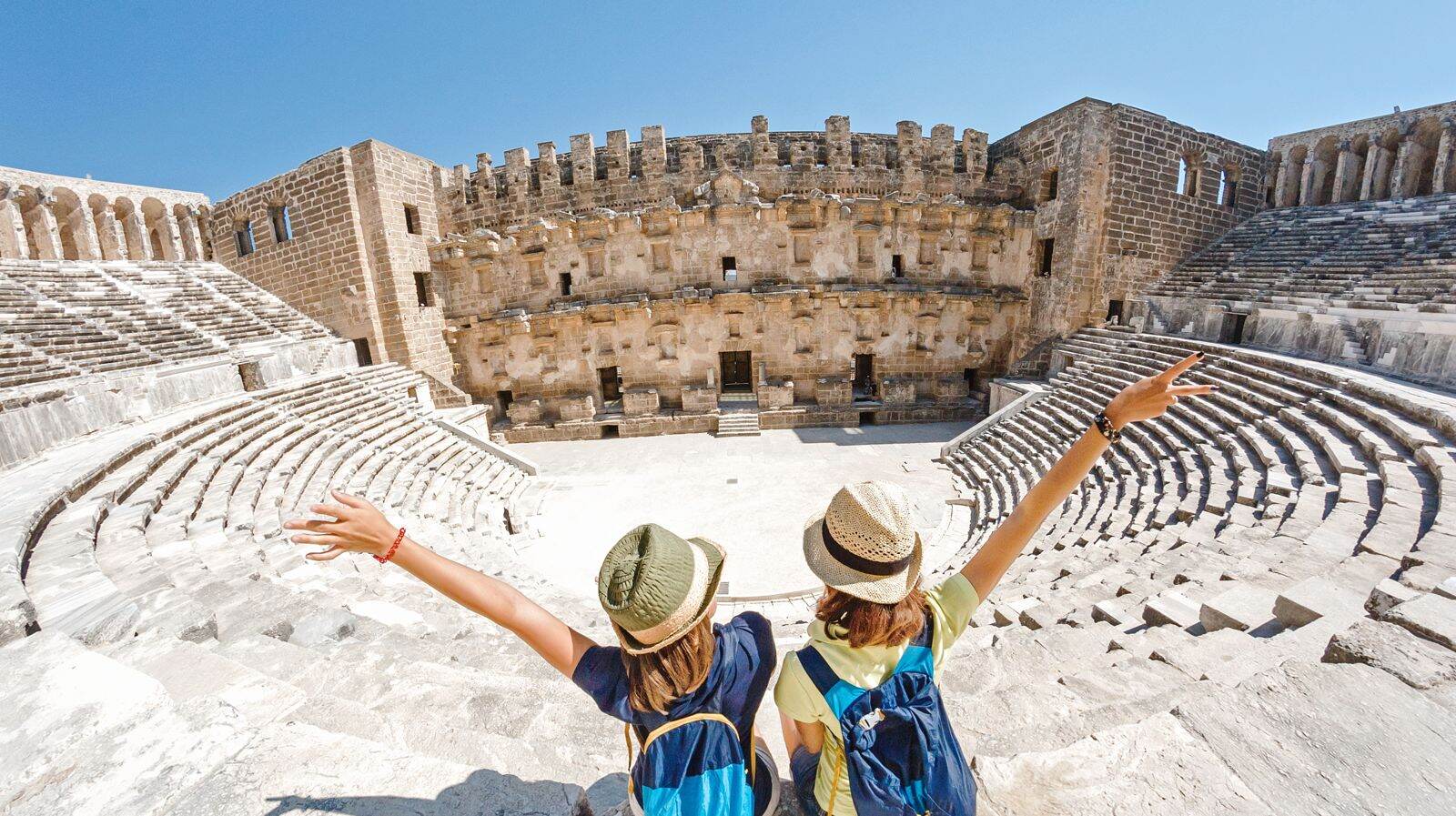
To avoid looking like a tourist in Greece, dress like a local in light linen or cotton, and learn a few basic Greek phrases like "yia sas" and "efharistó." The real trick, however, is to leave the sportswear at home for nicer restaurants and to skip flashy clothing at religious sites, while still wearing comfortable walking shoes for exploring.
Dress Like a Local
One of the easiest ways to avoid standing out as a tourist in Greece is to dress like a local. Greek fashion tends to be casual and comfortable, especially in the summer months when the temperatures can soar.
When in Greece, opt for light and airy clothing made from natural fabrics such as linen or cotton. Choose outfits that are appropriate for the weather and activities you have planned. For women, sundresses, flowy skirts, and shorts paired with light blouses are popular choices. Men can opt for shorts or lightweight trousers paired with shirts or t-shirts. Avoid wearing overly revealing or flashy clothing, especially when visiting religious sites.
It's also worth noting that Greeks tend to dress up a bit more when going out in the evenings, especially in larger cities like Athens. If you plan on visiting restaurants or bars during the night, it's a good idea to bring along some slightly dressier clothing.
Lastly, don't forget to bring a comfortable pair of sandals or walking shoes to navigate the cobblestone streets and explore the beautiful ancient sites. Leave the sportswear at home for nicer restaurants, but comfortable walking shoes are fine for exploring.
By dressing like a local, you'll not only fit in better but also feel more comfortable as you go about your day exploring the wonders of Greece.
Learn Basic Greek Phrases
A great way to avoid looking like a tourist in Greece is to learn some basic Greek phrases. While English is spoken in many tourist areas, making an effort to speak the local language will be appreciated by the locals and can help you navigate daily interactions more smoothly.
Start by learning common greetings such as "hello" (γεια σας - yia sas), "thank you" (ευχαριστώ - efharistó), and "goodbye" (αντίο - adío). Knowing these simple phrases will go a long way in showing respect and establishing a friendly connection with the locals.
Additionally, familiarize yourself with basic phrases for ordering food, asking for directions, and making simple inquiries. Phrases like "What is this?" (Τι είναι αυτό; - Ti íne aftó?), "Where is the bathroom?" (Πού είναι η τουαλέτα; - Pou íne ee toaletá?), and "How much does it cost?" (Πόσο κοστίζει; - Poso kostízi?) can come in handy during your time in Greece.
There are numerous resources available online and through smartphone apps that can help you learn basic Greek phrases. Consider downloading a language learning app or carrying a pocket-sized phrasebook to refer to when needed.
Remember, the goal is not to become fluent in Greek, but rather to show effort and respect by attempting to communicate in the local language. Even simple greetings and phrases will bring a smile to the faces of the Greek people you encounter.
Avoid Overly Touristy Areas
Balance your itinerary by exploring lesser-known areas alongside popular attractions. Research off-the-beaten-path destinations like charming villages, secluded beaches, and scenic hiking trails. Instead of only visiting Santorini and Mykonos, consider Naxos, Milos, or Symi. Explore traditional villages in the Peloponnese or the Mani Peninsula.
In Athens, wander through Plaka, the oldest neighborhood, or explore Exarcheia and Koukaki for a more authentic experience. You'll avoid inflated prices and crowded tourist traps while immersing yourself in local culture. When visiting religious sites, avoid wearing overly revealing or flashy clothing.
For a deeper dive, check out hidden gems in Greece or research Greek destinations and itineraries in Greece. Even in popular cities, include a mix of well-known and off-the-beaten-path spots for a comprehensive experience.
Respect the Culture and Customs
Respecting Greek culture and customs is essential to avoid offending locals. Greeks take pride in their traditions, and following a few guidelines shows respect.
Greek culture emphasizes family and community—expect lively conversations in public spaces. Greet people with a smile, and use "please" (παρακαλώ) and "thank you" (ευχαριστώ) regularly.
When dining, it’s customary to order multiple dishes and share them. Avoid wasting food, as it’s considered disrespectful.
At religious sites like churches or monasteries, dress modestly: cover your shoulders and avoid revealing clothing. Photography may be prohibited in certain areas, so ask permission if unsure.
Be mindful of local customs. Greeks tend to have a relaxed sense of time, so expect a leisurely pace for service or appointments. They also engage in lively debates—respect their opinions and avoid heated arguments.
By following these practices, you’ll show appreciation for Greece’s heritage and avoid cultural misunderstandings. For example, when planning your trip, you might research how far is the Acropolis from the cruise to time your visits well, or look into hidden gems in Greece for a more authentic experience.
Use Public Transportation or Walk
Using public transportation or walking helps you blend in with locals and experience the authentic rhythm of Greek life. In major cities like Athens or Thessaloniki, the public transportation system is well-developed and efficient. You can use buses, trams, or the metro to navigate the city. Familiarize yourself with local routes, schedules, and ticketing systems for seamless travel.
Walking is another fantastic way to explore Greece's pedestrian-friendly cities and towns, with cobblestone streets and charming alleyways. Take leisurely strolls through the narrow streets of the Plaka neighborhood in Athens or the old town of Chania in Crete to stumble upon hidden gems and local eateries. For exploring ancient sites and cobblestone streets, comfortable walking shoes are fine.
When using public transportation or walking, maintain awareness of your surroundings. Keep your belongings secure and be mindful of pickpockets in crowded places or on public transportation during peak hours. By using public transportation or walking, you'll save money and have the opportunity to observe the vibrant everyday life of the Greek people.
Try Local Cuisine
One of the best ways to avoid looking like a tourist in Greece is to indulge in the country's local cuisine. Greek food is renowned for its fresh ingredients and rich culinary history.
When dining, opt for traditional dishes that are staples of the local diet. Start your day with Greek yogurt topped with honey and walnuts. For lunch or dinner, try iconic dishes such as moussaka (layers of eggplant, minced meat, and béchamel sauce), souvlaki (grilled skewers of meat), or spanakopita (spinach and feta cheese pie).
Explore Greek salads, which typically consist of fresh tomatoes, cucumbers, onions, olives, and feta cheese, dressed with olive oil and herbs. Pair meals with a glass of locally produced wine or retsina, a traditional wine flavored with resin. Don't forget to sample seafood offerings, especially near the coast—grilled octopus or fried squid showcase the country's coastal heritage.
For dessert, try baklava, a sweet pastry made with layers of phyllo dough, nuts, and honey, or loukoumades, deep-fried dough balls drizzled with honey. Visit local tavernas and restaurants frequented by locals to savor authentic flavors.
Explore Off the Beaten Path
While Greece is famous for its iconic tourist destinations, there is so much more to explore beyond the popular attractions. To avoid looking like a tourist and to discover the hidden treasures of Greece, venture off the beaten path and explore lesser-known areas.
Many regions are filled with charming villages, picturesque landscapes, and overlooked archaeological sites. Consider visiting Meteora, where ancient monasteries perch on towering rock formations, or the mountainous villages of Zagori in northern Greece, known for traditional stone-built houses and hiking trails. For those planning broader travel, researching Greek destinations and itineraries in Greece can uncover routes that bypass major crowds.
Explore lesser-known islands such as Ikaria or Amorgos for a quieter beach scene and a slower pace of life. If you're a fan of ancient history, visit sites like Epidaurus or Mycenae, which are as impressive as the Acropolis in Athens.
While researching, look for local festivals or events during your visit. Attending a traditional Greek festival or local market offers a glimpse into authentic traditions. By exploring off the beaten path, you'll escape tourist crowds and discover the true charm of Greece.
Interact with Locals
One of the best ways to avoid looking like a tourist in Greece is to actively engage with the locals. Building connections and interacting with the Greek people will enhance your travel experience and give you insights into local culture.
Strike up conversations with locals—Greeks are known for their warm hospitality and love of lively discussions. Ask for recommendations on where to eat, which local sites to visit, or stories about Greek traditions. Learning a few basic Greek phrases helps initiate conversations, and even if you stumble, Greeks appreciate the effort and often speak excellent English.
Seek out local activities: attend a traditional dance performance, join a cooking class to learn Greek dishes, or take part in a music and dance night. These experiences foster connections and deepen your appreciation of Greek culture. Visiting local shops, markets, and eateries also offers interaction—engage in friendly banter with shopkeepers or ask about local products.
By showing genuine interest in the people and culture, you’ll be welcomed and may even be invited to join celebrations. Interacting with locals helps you blend in and creates memorable connections, building a deeper understanding of the Greek way of life.
Pack Light and Smart
Pack light and smart to travel more conveniently and avoid looking like a tourist. Greece has a Mediterranean climate, so choose lightweight, breathable fabrics that keep you cool. Opt for versatile items that mix and match.
Pack a few modest, stylish pieces for upscale restaurants or special events, but avoid overpacking. Sturdy hiking shoes or sneakers are recommended for mountain or trail hikes.
Don’t forget essentials: sunscreen, sunglasses, a hat, and a reusable water bottle. Bring a small day backpack or tote bag—a more subtle option than a large tourist backpack.
Be mindful of cultural considerations. While Greece is relaxed, dress modestly when visiting religious sites or monasteries. Carry a lightweight scarf or shawl to cover your shoulders if needed.
By packing light and smart, you’ll blend in with locals and have the freedom to navigate Greece with ease. For example, understanding how far is Athens airport to cruise port can help you plan your packing and transit efficiently. Similarly, researching Greek destinations and itineraries in Greece will ensure your footwear and clothing choices suit your planned activities.
Conclusion
Visiting Greece is a wonderful experience that offers stunning landscapes, rich history, and warm hospitality. To avoid looking like a tourist and truly immerse yourself in the Greek culture, it's important to blend in with the locals and respect their customs.
Use public transportation or walk whenever possible to navigate the country and experience the authentic rhythm of Greek life.
Embracing local cuisine, exploring off the beaten path, and interacting with locals will open doors to deeper cultural understanding. Packing light and smart will make your travels more convenient and help you avoid standing out. As you plan your route, consider how far the Acropolis is from the cruise if you're arriving by sea, and weave in Greek destinations and itineraries in Greece that take you beyond the usual stops.
Ultimately, by respecting local customs, you'll have a more authentic and rewarding experience. Whether visiting ancient ruins, sailing the Aegean, or indulging in local flavors, Greece offers endless opportunities for exploration—so go forth and discover its magic while blending in like a local.
