Secrets Of Denmark’s Jelling Stones And Viking Burial Mounds
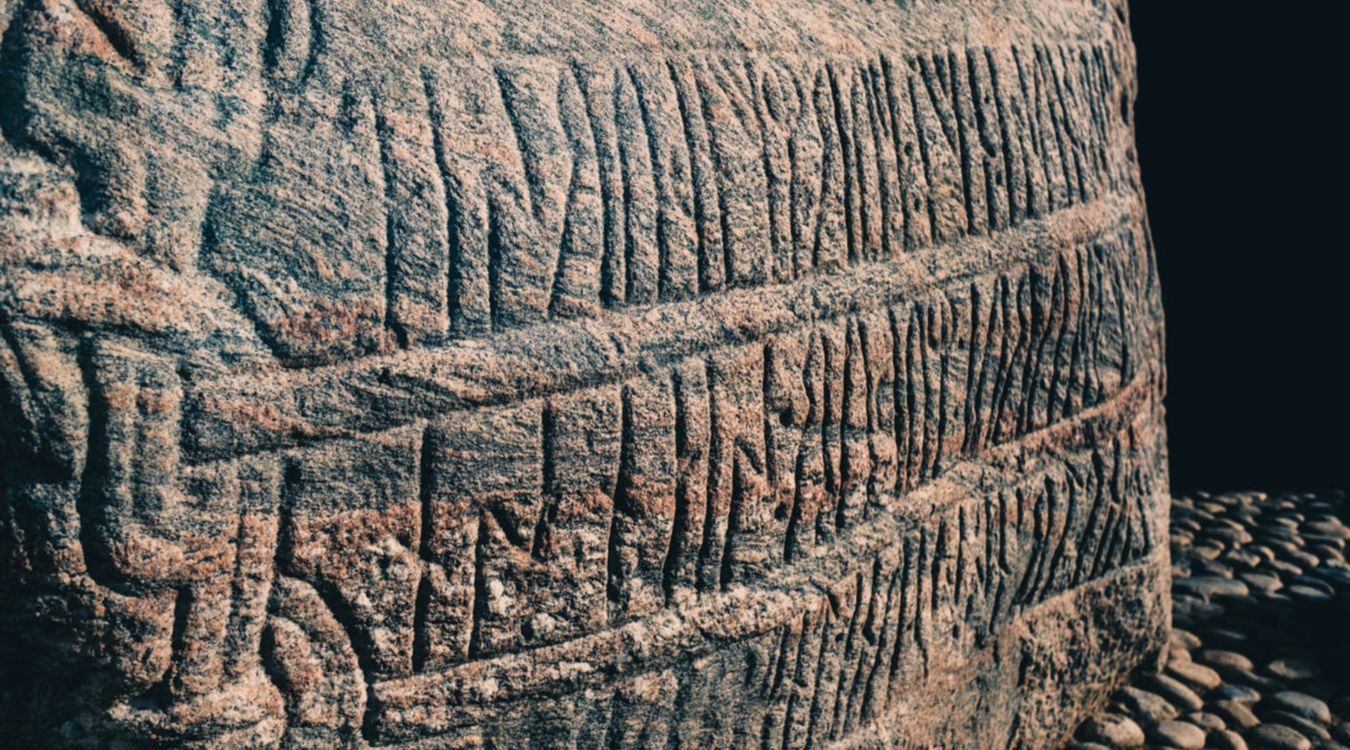
Have you ever wondered about the Jelling Stones and their significance in Danish history? These ancient stones, located in Jelling, Denmark, are often called the "birth certificate" of Denmark. They were erected by King Gorm the Old and his son, Harald Bluetooth, in the 10th century. The stones are covered with runic inscriptions that tell stories of the Viking era, including the conversion of Denmark to Christianity. Nearby, you'll find impressive Viking burial mounds that add to the historical richness of the site. Visiting Jelling offers a unique glimpse into the past, where you can walk among relics that shaped a nation.
Secrets of Denmark's Jelling Stones and Viking Burial Mounds
Denmark's Jelling Stones and Viking burial mounds hold a treasure trove of history. These ancient relics offer a glimpse into the lives of the Vikings and their rich cultural heritage. Let's dive into the secrets these stones and mounds reveal.
The Jelling Stones: Denmark's Runic Marvels
The Jelling Stones are two massive runestones erected by King Gorm the Old and his son, Harald Bluetooth. These stones are not just historical artifacts; they are storytelling masterpieces.
King Gorm's Stone: The smaller of the two, this stone was raised by King Gorm in memory of his wife, Thyra. It is the oldest known runestone in Denmark and marks the beginning of the Viking Age.
Harald Bluetooth's Stone: The larger stone, raised by Harald Bluetooth, commemorates his parents and his own achievements. It declares Harald's conversion of the Danes to Christianity and unification of Denmark and Norway.
Viking Burial Mounds: Resting Places of the Norse Elite
Viking burial mounds are scattered across Denmark, each with its own unique story. These mounds were the final resting places for Viking chieftains and warriors, often accompanied by grave goods.
Jelling Mounds: Located near the Jelling Stones, these two large mounds are believed to be the burial sites of King Gorm and Queen Thyra. They are among the most significant Viking Age monuments in Denmark.
Lindholm Høje: This site near Aalborg features over 700 graves and stone ships. It is one of the largest and best-preserved Viking burial sites in Scandinavia, offering insights into Viking burial customs.
Borre Mounds: Situated in Norway, these mounds are part of a larger Viking burial ground. The site includes several large mounds and smaller graves, showcasing the wealth and power of the Viking elite.
Hidden Stories in the Stones
The runes carved into the Jelling Stones and other Viking monuments tell stories of battles, voyages, and gods. These inscriptions provide a window into the beliefs and values of the Viking people.
The Rök Stone: Found in Sweden, this runestone is covered in one of the longest known runic inscriptions. It tells a complex story involving Norse mythology and historical events, offering a glimpse into Viking storytelling traditions.
The Snoldelev Stone: This Danish runestone features a unique inscription that includes a depiction of a drinking horn, symbolizing feasting and social gatherings in Viking culture.
The Legacy of the Vikings
The Jelling Stones and Viking burial mounds are more than just historical artifacts; they are a testament to the enduring legacy of the Vikings. These monuments continue to inspire awe and curiosity, drawing visitors from around the world.
The Trelleborg Fortress: This Viking ring fortress near Slagelse is one of the best-preserved examples of Viking military architecture. It provides insight into the strategic prowess and engineering skills of the Vikings.
The Fyrkat Fortress: Another Viking ring fortress, located near Hobro, Fyrkat offers a glimpse into the daily lives of the Vikings. The site includes reconstructed longhouses and a museum showcasing artifacts found in the area.
The Viking Ship Museum: Located in Roskilde, this museum houses five well-preserved Viking ships. These ships were used for trade, exploration, and warfare, highlighting the seafaring prowess of the Vikings.
The secrets of Denmark's Jelling Stones and Viking burial mounds continue to captivate historians and enthusiasts alike. Each stone and mound tells a story, offering a unique perspective on the rich cultural heritage of the Vikings.
Discover Denmark's Rich History
The Jelling Stones and Viking Burial Mounds offer a unique glimpse into Denmark's past. These ancient sites tell stories of Viking kings, their conquests, and their beliefs. Visiting Jelling, you can see the intricate carvings on the stones, which are considered Denmark's birth certificate. The burial mounds nearby add another layer to the history, showing the grandeur of Viking burials.
Exploring these sites, you not only learn about the Vikings but also feel a connection to a time long gone. The Jelling Stones and burial mounds are more than just historical artifacts; they are a testament to Denmark's rich cultural heritage. Whether you're a history buff or just curious, these landmarks are a must-see. Dive into the past and experience the legacy of the Vikings firsthand.