

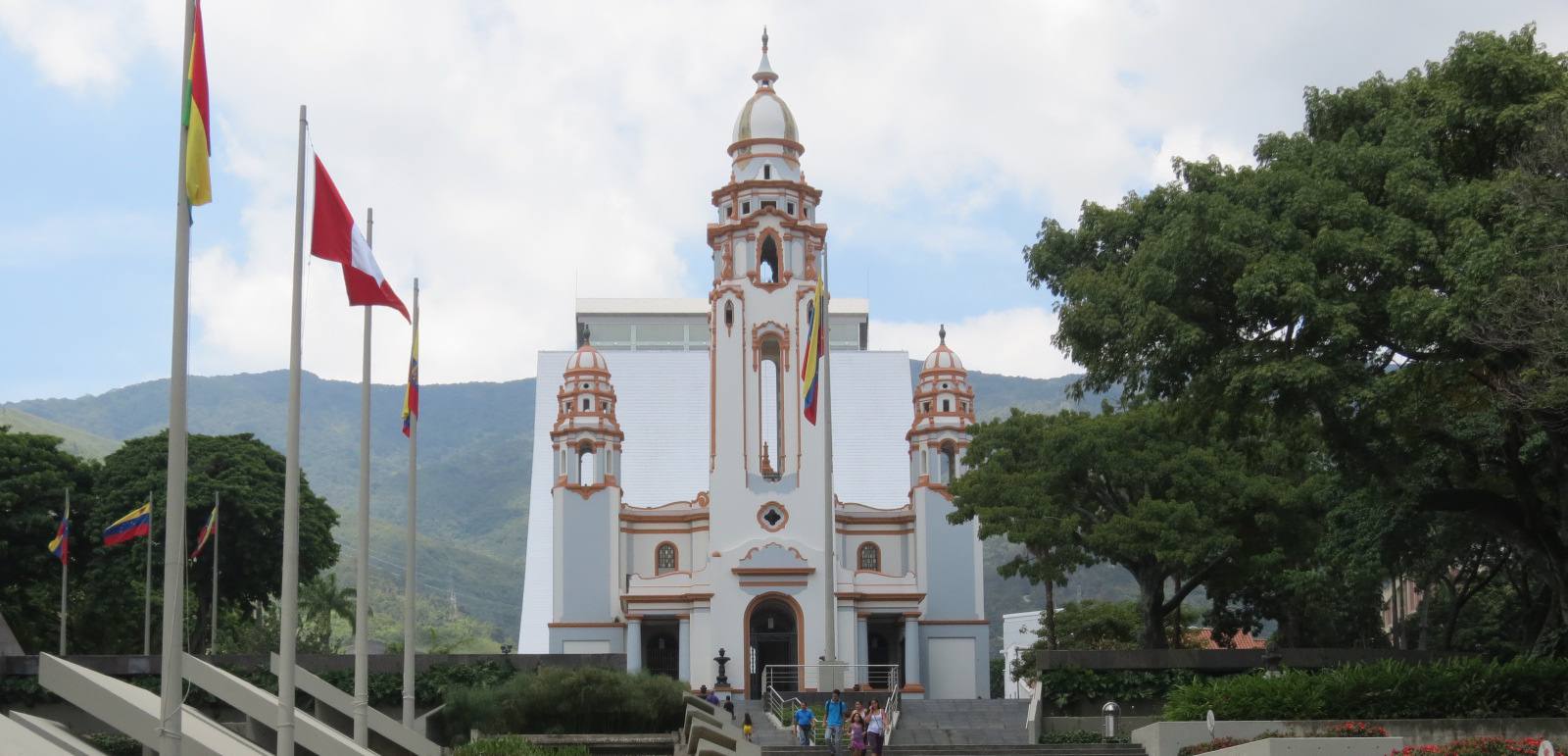
Venezuela’s tourist attractions are its jaw-dropping natural wonders—think the world’s tallest waterfall, Caribbean islands, and vast savannas—but you’ll need to plan around the country’s current economic and political instability to enjoy them safely. The single most important caveat is that while the beauty is real and the hospitality warm, infrastructure and security can be unpredictable, so go with a trusted local guide or a well-reviewed tour operator. From the thunderous plunge of Angel Falls in Canaima National Park to the sun-soaked beaches of Isla de Margarita, the country rewards flexible travelers who prioritize nature over comfort. Pack hiking boots and a camera, and be ready for boat rides, jungle treks, and colonial towns that feel frozen in time.
Angel Falls
Angel Falls, located in the Canaima National Park in southeastern Venezuela, is considered the tallest waterfall in the world. With its majestic plunge from the Auyán-tepui mountain, Angel Falls is a true natural wonder that will leave you awe-struck.
The journey to Angel Falls is an adventure in itself. Visitors usually start by flying into Canaima, a small village surrounded by lush rainforests and tepuis (table-top mountains). From there, a boat trip along the Carrao River takes you to the base of the falls. As you approach, you can feel the mist on your face and hear the roaring sound of water crashing down from above.
Once you reach the base, it's possible to take a short hike to the Mirador Laime viewpoint for a breathtaking panoramic view of the falls. The sheer magnitude and beauty of Angel Falls is a sight to behold, with the water gracefully cascading down the rock face and disappearing into the dense jungle below.
In addition to the stunning waterfalls, Canaima National Park is also home to a variety of wildlife and plant species, including colorful orchids, rare bromeliads, and unique bird species like the Scarlet Macaw. It's worth exploring the park and immersing yourself in the vibrant ecosystem that surrounds Angel Falls.
For the more adventurous travelers, there are options for multi-day treks and camping expeditions to reach the top of Angel Falls. This allows you to witness the falls from a different perspective and enjoy the breathtaking views from the summit of Auyán-tepui. While in the region, you might also discover some of the hidden gems in Venezuela that lie off the beaten path.
Visiting Angel Falls is truly a once-in-a-lifetime experience, offering a glimpse into the raw power and beauty of nature. So, don't miss the opportunity to witness this extraordinary waterfall in person when you visit Venezuela.
Isla de Margarita
Isla de Margarita, known as the Pearl of the Caribbean, is a stunning island off northeastern Venezuela in the Caribbean Sea. With golden beaches, turquoise waters, and vibrant nightlife, it is a popular destination for sun-seekers.
Activities include relaxing on Playa El Agua, with its soft sand and gentle waves for swimming, and Playa Parguito, known for lively atmosphere and surfing. For a secluded experience, Playa Zaragoza offers a peaceful environment surrounded by cliffs.
The island features charming colonial towns such as La Asunción and Pampatar, where you can explore historical landmarks, visit local markets, and enjoy traditional Venezuelan cuisine. A must-visit is Castillo San Carlos de Borromeo, a colonial fortress in Pampatar providing panoramic coastline views and insight into the island's history.
Adventure seekers can enjoy snorkeling, scuba diving, and windsurfing, exploring vibrant underwater worlds and coral reefs. Shopping enthusiasts will find duty-free shops and local craft markets offering jewelry, clothing, handicrafts, and souvenirs.
With its combination of beautiful beaches, cultural attractions, and recreational activities, Isla de Margarita offers a perfect blend of relaxation and excitement. This island paradise has something for everyone, from tranquil retreats to action-packed adventures.
Los Roques Archipelago
Located off the northern coast of Venezuela in the Caribbean Sea, the Los Roques Archipelago is one of the hidden gems in Venezuela, offering a pristine and untouched natural paradise. Comprising a chain of islands, islets, and coral reefs, Los Roques is a national park and a protected area renowned for its crystal-clear azure waters, white sandy beaches, and abundant marine life.
One of the main draws of Los Roques is its spectacular coral reefs, making it a haven for snorkelers and divers. The vibrant underwater ecosystem is home to a wide variety of colorful fish species, sea turtles, rays, and even dolphins. Whether you are a beginner or an experienced diver, exploring the underwater world of Los Roques is an unforgettable experience.
Los Roques also boasts some of the most beautiful beaches in the Caribbean. The archipelago is dotted with deserted islands and cays, where you can soak up the sun, stroll along pristine shores, and enjoy the tranquility of your own private paradise. Popular beach destinations include Cayo de Agua, Madrisqui, and Crasqui.
Aside from swimming, sunbathing, and snorkeling, Los Roques offers opportunities for fishing, windsurfing, kitesurfing, and sailing. The calm and shallow lagoons provide perfect conditions for water sports enthusiasts.
Accommodations range from luxury posadas (inns) to rustic guesthouses, offering comfortable stays with sea views, personalized attention, and delicious local cuisine.
Due to its protected status, there are limits on the number of visitors allowed at any given time. This helps preserve the natural environment and ensures an exclusive, unspoiled experience for those fortunate enough to visit.
With its pristine beaches, vibrant coral reefs, and secluded islands, Los Roques Archipelago is a true Caribbean paradise. Whether you are a nature lover, a beach enthusiast, or simply seeking a peaceful getaway, Los Roques is a destination that will surpass all expectations.
Canaima National Park
Canaima National Park is a vast UNESCO World Heritage site located in southeastern Venezuela. Covering an area of over 30,000 square kilometers (11,583 square miles), the park is renowned for its dramatic landscapes, towering tepuis (table-top mountains), and breathtaking waterfalls.
One of the highlights of Canaima National Park is the mesmerizing landscape created by the tepuis. These ancient geological formations, often shrouded in mist, rise abruptly from the surrounding rainforest, creating a surreal and otherworldly panorama. Mount Roraima, one of the most famous tepuis, inspired Sir Arthur Conan Doyle's novel "The Lost World."
The park is home to several magnificent waterfalls, with the most famous being Angel Falls. The sight of water cascading down from the Auyán-tepui, the highest tepui in the park, is a breathtaking spectacle.
The wildlife in Canaima National Park is diverse, with numerous endemic species found nowhere else in the world. The park is home to several species of monkeys, jaguars, tapirs, and a wide variety of bird species, including the iconic Guianan cock-of-the-rock.
Exploring Canaima National Park is an adventure in itself. Guided tours offer opportunities to hike through untouched rainforests, navigate pristine rivers, and discover hidden lagoons. Visitors can also embark on boat trips to witness the mesmerizing landscapes from different perspectives, or even take a flight over the tepuis for a bird's-eye view of the terrain. For those seeking hidden gems in Venezuela, the park's remote lagoons and lesser-known trails offer secluded experiences away from the main sights.
For those seeking a unique cultural experience, interacting with the local indigenous communities is an enriching opportunity. The Pemón people have inhabited the area for centuries and have a rich cultural heritage. Visitors can learn about their traditions, crafts, and way of life, providing a deeper understanding of the park's cultural significance.
Whether you are an avid adventurer, a nature lover, or a seeker of tranquility, Canaima National Park offers a remarkable journey into a world of natural beauty and cultural richness. Immerse yourself in the incredible landscapes and experience the magic of this untouched corner of Venezuela.
Orinoco Delta
The Orinoco Delta is a vast and biodiverse region in eastern Venezuela, where the Orinoco River meets the Atlantic Ocean. It is a unique ecosystem of waterways, mangrove forests, and rich flora and fauna.
Exploring the delta is like stepping into a natural paradise. The maze-like waterways offer boating or kayaking adventures, allowing visitors to glide through calm waters surrounded by lush vegetation and exotic wildlife. It is common to spot monkeys, colorful birds, caimans, and river dolphins.
The delta is home to several indigenous communities, such as the Warao people, who have lived here for centuries. Visiting these communities provides a chance to learn about their traditional way of life, handcrafted goods, and deep connection with the environment. You can witness their basket weaving techniques and sample their cuisine.
For nature enthusiasts, the delta offers incredible birdwatching. With over 300 species of birds, including the scarlet ibis and the elusive harpy eagle, it is a haven for bird lovers. Guided tours and boat trips let you observe these creatures in their natural habitat. The region also offers some of the most remote hidden gems in Venezuela, far from typical tourist paths.
The extensive mangrove forests play a crucial role in the ecosystem, providing habitat for various species and acting as a natural buffer against coastal erosion. Exploring the mangroves on foot or by canoe lets you appreciate their beauty and ecological importance.
The Orinoco Delta offers a tranquil escape from city life, a place to disconnect and immerse yourself in a pristine ecosystem. Venture into its heart to discover the magic of this enchanting region.
Mérida
Mérida, a bustling city nestled in the Andes Mountains of western Venezuela, is a popular tourist destination known for its stunning natural landscapes and vibrant culture. The city offers a blend of historical charm, adrenaline-pumping adventures, and scenery.
One of the main attractions in Mérida is the cable car system, known as the Teleférico de Mérida. It is a cable car system that takes visitors on a thrilling ride up to the top of Pico Espejo, one of the highest peaks in the Venezuelan Andes. From the summit, you will be rewarded with panoramic views of the surrounding mountains, valleys, and the city below.
Mérida is also a popular base for outdoor enthusiasts who flock to the region for activities such as mountain climbing, hiking, and paragliding. The Sierra Nevada National Park, which surrounds the city, offers numerous trails that lead to viewpoints, waterfalls, and lakes. Climbing the iconic Pico Bolívar, the highest peak in Venezuela, is a challenging but rewarding experience for experienced hikers.
In addition to its natural beauty, Mérida is known for its vibrant cultural scene. The city is home to numerous museums, art galleries, and historic landmarks. The Museum of Modern Art showcases contemporary Venezuelan art, while the Culinary Museum of Mérida takes you on a culinary journey through the region's traditional dishes and ingredients.
Mérida is also famous for its lively festivals and celebrations. One of the most popular events is the Feria Internacional del Sol, an annual festival held in February that features parades, music concerts, and art exhibitions. It is a celebration of the city's cultural heritage and an opportunity to immerse yourself in the local traditions.
For those interested in history, a visit to the colonial downtown area is a must. The Plaza Bolívar, with its statue of Simón Bolívar, the liberator of many South American countries, is a central gathering place and a hub of activity. The Cathedral of Mérida, with its striking architecture, is also a notable landmark worth exploring.
Whether you seek mountain views, adventures, or a glimpse into the local culture, Mérida has something to offer for everyone. From its natural wonders to its history and cultural scene, this city has earned its place as one of Venezuela's top tourist destinations. For travelers seeking less-visited spots, the region also holds hidden gems in Venezuela, such as remote Andean villages and lesser-known trails.
Parque Nacional Morrocoy
Parque Nacional Morrocoy, located along the northeastern coast of Venezuela, is a coastal national park renowned for its turquoise waters, white sand beaches, and coral reefs. This marine paradise offers visitors a range of water activities.
With its collection of islands, islets, and mangrove forests, the park provides opportunities for snorkeling and diving. The coral reefs teem with marine life, including tropical fish, sea turtles, and colorful corals. Snorkelers and divers can explore the underwater world and its diverse ecosystems.
The park is also a haven for boating enthusiasts. Visitors can rent boats or hire a local guide to navigate the maze-like channels and lagoons that interconnect the islands. Take a leisurely boat ride and discover hidden beaches, private coves, and secluded spots. Anchor your boat and relax on the soft sands, soak up the sun, and swim in the crystal-clear waters.
Wildlife in the park extends beyond the underwater realm. The mangrove forests are home to numerous bird species, including flamencos (flamingos), pelicans, and herons. Traveling by boat through the mangroves allows visitors to observe these creatures in their natural habitat.
For those seeking more adventure, the park offers kayaking, paddleboarding, and fishing. Explore calm waters, paddle through mangrove tunnels, and try catching regional fish species.
The park provides accommodation options from rustic campsites to luxury eco-lodges. Staying overnight allows you to immerse yourself in the tranquility of the surroundings. Fall asleep to the sound of the waves and wake up to sunrises over the Caribbean Sea.
Parque Nacional Morrocoy is a true gem of Venezuela, offering pristine beaches, thriving marine life, and a tropical paradise for outdoor enthusiasts. Whether you seek relaxation or adventure, this coastal wonderland is an ideal destination to experience the beauty of the Caribbean. For those exploring further, the park is one of the hidden gems in Venezuela that rewards visitors with unforgettable memories.
Mount Roraima
Mount Roraima, located in the Gran Sabana region of southeastern Venezuela, is a tabletop mountain that offers an otherworldly experience. Standing at an elevation of 2,810 meters (9,219 feet), it is one of the oldest geological formations on Earth.
The trek to the summit is a challenging adventure for experienced hikers. The journey takes you through diverse ecosystems, including dense rainforests, savannah grasslands, and rocky landscapes. Along the way, you will encounter unique flora and fauna, such as carnivorous plants, orchids, and endemic bird species.
Ascending Mount Roraima feels like stepping into a different world. At the top, you are greeted by sheer cliffs, rock formations, and bizarre rock pools. The plateau is often shrouded in mist, creating an ethereal atmosphere.
The mountain is home to natural wonders, including the Crystal Valley, filled with quartz crystals that shimmer in the sunlight. The Roraima Towers provide vantage points for views of the surrounding landscape, including neighboring tepuis and the Gran Sabana. For those seeking less-visited spots, the region also offers hidden gems in Venezuela beyond the main trekking routes.
The indigenous Pemón people believe Mount Roraima is a sacred place, the dwelling place of their gods. Visitors can learn about ancient myths and legends from local guides, gaining appreciation for the area's cultural significance.
Trekking to Mount Roraima requires proper planning. It is advisable to hire an experienced guide and bring camping equipment, sturdy footwear, and sufficient food and water supplies.
Embarking on this journey combines challenging terrain, breathtaking landscapes, and cultural significance, making Mount Roraima a destination for adventurers seeking unmatched natural beauty.
Ciudad Bolívar
Ciudad Bolívar, formerly known as Angostura, is a historic city located in southeastern Venezuela, along the banks of the Orinoco River. Named after the country's liberator, Simón Bolívar, it offers a glimpse into Venezuela's rich colonial past and vibrant cultural heritage.
Walking through the streets of Ciudad Bolívar feels like stepping back in time. The city is filled with well-preserved colonial buildings and picturesque squares, showcasing a blend of architectural styles influenced by Spanish colonialism. The Plaza Bolívar, the heart of the city, is surrounded by notable landmarks, including the Cathedral of Ciudad Bolívar and the Casa del Congreso de Angostura.
The Casa del Congreso de Angostura, also known as the Casa Piar, played a significant role in Venezuela's fight for independence. It was in this house that Simón Bolívar delivered his famous Angostura Address in 1819, outlining his vision for a free and independent South America.
Visiting the Museo de Arte Moderno Jesús Soto offers a glimpse into the world of renowned Venezuelan artist Jesús Soto. The museum showcases a collection of Soto's kinetic art and abstract sculptures, providing an immersive experience into his unique artistic vision.
Many visitors also take a boat trip on the Orinoco River, immersing themselves in the natural beauty of the surrounding area. The river serves as a lifeline for the city, and navigating its waters allows you to witness the daily life and fishing traditions of local communities along its banks.
The city is also a gateway to the nearby Angel Falls, located in Canaima National Park. Many travelers use Ciudad Bolívar as a starting point for their journey to Angel Falls, embarking on unforgettable boat and hiking expeditions. For those seeking less-traveled paths, the region offers hidden gems in Venezuela beyond the famous waterfall.
For culinary delights, Ciudad Bolívar offers traditional dishes such as hallacas, arepas, and cachapas in eateries throughout the city. Pair your meal with a glass of the popular Venezuelan refreshment, chicha.
Ciudad Bolívar, with its rich history, architectural beauty, and cultural significance, embraces the spirit of Venezuela. Whether you are a history enthusiast, an art lover, or simply curious about the country's past, a visit will transport you to a bygone era and leave you with a profound appreciation for Venezuela's cultural heritage.
Conclusion
Venezuela is a country that boasts a diverse range of natural wonders and cultural treasures. From the majestic Angel Falls to the idyllic beaches of Isla de Margarita, and from the mystical Mount Roraima to the historical charm of Ciudad Bolívar, the country offers a wealth of attractions for travelers to explore.
Despite the challenges it faces, Venezuela's beauty remains resilient. Its breathtaking landscapes, rich biodiversity, and vibrant culture continue to captivate visitors from around the world. Whether you are a nature lover, an adventure seeker, or a history enthusiast, Venezuela has something to offer for everyone.
For those seeking less-traveled paths, there are hidden gems in Venezuela waiting to be discovered.
So, whether you're planning your next vacation or simply curious about Venezuela's wonders, let this article be your guide. Discover the breathtaking waterfalls, explore the diverse national parks, relax on the pristine beaches, and immerse yourself in the rich culture and history of this remarkable South American nation.
Venezuela awaits you with open arms and a world of adventure. It's time to embark on a journey that will leave you with lifelong memories and a deep appreciation for the natural and cultural treasures that this country has to offer.
