

Secrets Of The Inca Stone Cutting Quarries In Sacsayhuamán
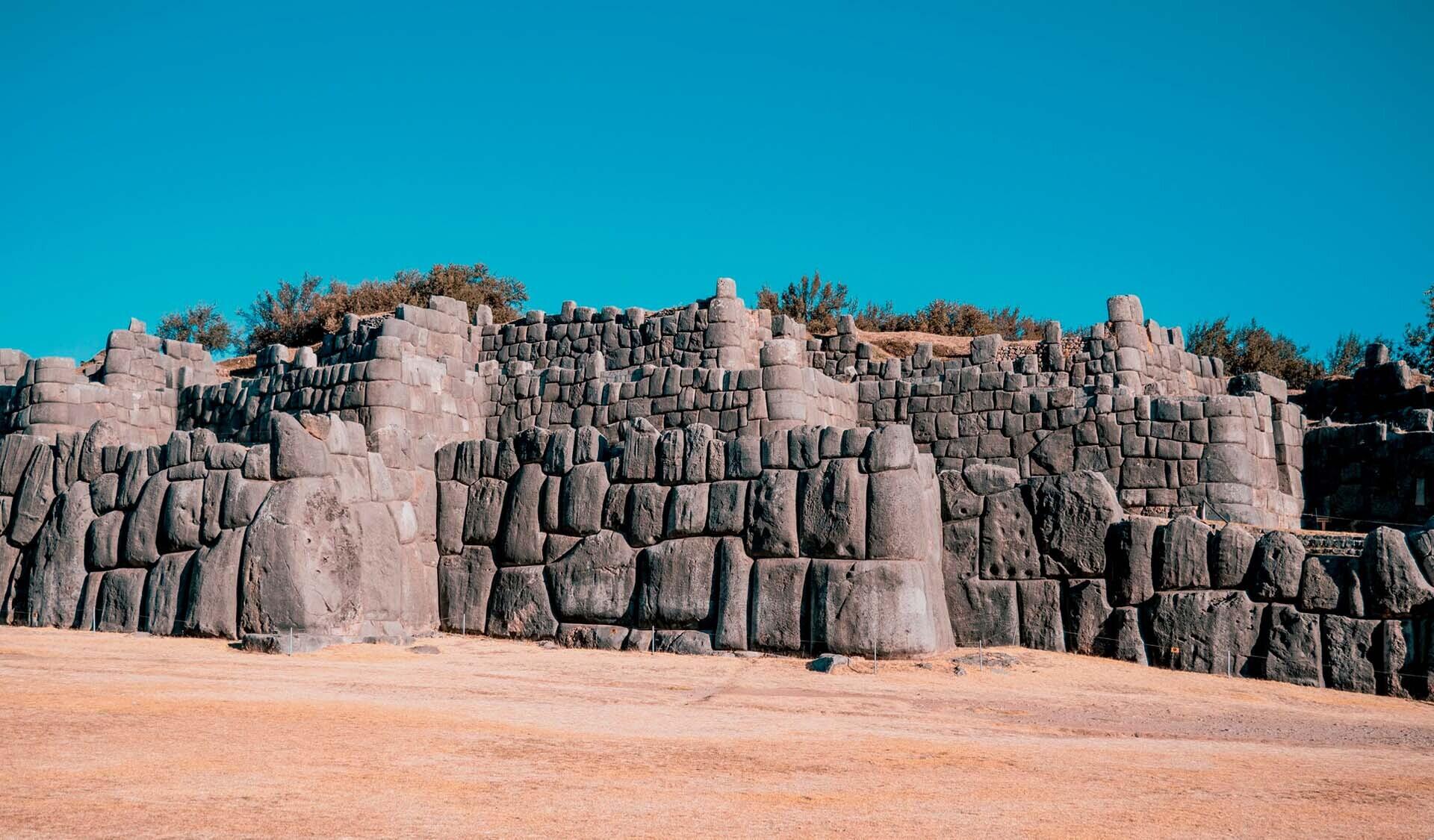
Have you ever wondered how the ancient Incas managed to build such impressive stone structures? The Inca stone cutting quarries in Sacsayhuamán hold the secrets to their incredible craftsmanship. Located near Cusco, Peru, these quarries provided the massive stones used to construct the famous Sacsayhuamán fortress. The precision with which these stones were cut and fitted together without mortar has baffled historians and archaeologists for years. Some believe the Incas used simple tools and techniques, while others think they had advanced knowledge lost to time. Let's take a closer look at the mysteries behind these ancient quarries and the techniques that made the Inca architecture so remarkable.
Secrets of the Inca Stone Cutting Quarries in Sacsayhuamán
The Inca civilization left behind some of the most impressive stone structures in the world. Sacsayhuamán, a fortress complex near Cusco, Peru, is a prime example. The precision of the stone cutting and the sheer size of the stones used have baffled historians and archaeologists for years. Let's uncover the secrets of these ancient quarries.
The Mystery of the Stone Quarries
The stones used in Sacsayhuamán were not just any stones. They were massive, some weighing over 100 tons. How did the Incas cut and transport these colossal stones without modern machinery? Here are some key locations that hold clues to this ancient mystery.
- Rumiqolqa Quarry
Rumiqolqa, located about 35 kilometers southeast of Cusco, was one of the primary sources of the stones used in Sacsayhuamán. The quarry is known for its andesite, a type of volcanic rock that is both durable and workable. The Incas likely used bronze and stone tools to cut the stones, but the exact techniques remain a subject of debate.
- Kachiqhata Quarry
Situated near the town of Ollantaytambo, Kachiqhata Quarry provided pink granite for various Inca structures. The quarry is notable for its unfinished stones, which offer a glimpse into the stone-cutting process. Some theories suggest that the Incas used wooden wedges soaked in water to split the stones, a technique that would have required immense skill and precision.
Transporting the Stones
Once the stones were cut, the next challenge was transporting them to Sacsayhuamán. This task would have been monumental, given the size and weight of the stones. Several theories attempt to explain how the Incas achieved this feat.
- Chinchero
Chinchero, a small town located about 30 kilometers from Cusco, is believed to have been a key point in the transportation route. The town's terraces and pathways suggest that it was a logistical hub where stones were temporarily stored and organized before being moved to their final destination.
- Tambomachay
Tambomachay, also known as the "Bath of the Inca," is another site that may have played a role in the transportation process. The site's intricate water channels and terraces indicate advanced engineering skills, which could have been applied to the task of moving massive stones.
The Final Assembly at Sacsayhuamán
The final stage of the process involved assembling the stones at Sacsayhuamán. The precision with which the stones fit together is astonishing, especially considering the lack of modern tools.
- Qenqo
Qenqo, an archaeological site near Sacsayhuamán, provides insights into the stone-fitting techniques used by the Incas. The site features intricately carved stones that fit together without mortar, suggesting that the Incas had a deep understanding of stone properties and cutting techniques.
- Puka Pukara
Puka Pukara, a military fortress near Cusco, also showcases the Incas' stone-cutting prowess. The fortress's walls are made of irregularly shaped stones that fit together perfectly, demonstrating the Incas' ability to manipulate stone with incredible precision.
Conclusion
The secrets of the Inca stone cutting quarries in Sacsayhuamán continue to fascinate and puzzle researchers. From the quarries where the stones were cut to the sites where they were transported and assembled, each location offers a piece of the puzzle. Understanding these ancient techniques not only sheds light on the ingenuity of the Inca civilization but also inspires awe at their architectural achievements.
The Legacy of Inca Stone Cutting
The stone cutting techniques at Sacsayhuamán remain a marvel. These methods showcase the Inca's advanced engineering skills and deep understanding of their environment. The precision and durability of their work have left a lasting impression on historians and visitors alike. Exploring these quarries offers a glimpse into a civilization that valued craftsmanship and ingenuity. The legacy of these stone structures continues to inspire awe and curiosity, reminding us of the incredible achievements of the Inca Empire. Whether you're a history buff or just curious, visiting Sacsayhuamán is a journey into the past that reveals the ingenuity of ancient builders. The secrets of their stone cutting techniques may never be fully understood, but their impact on architecture and engineering is undeniable.
