

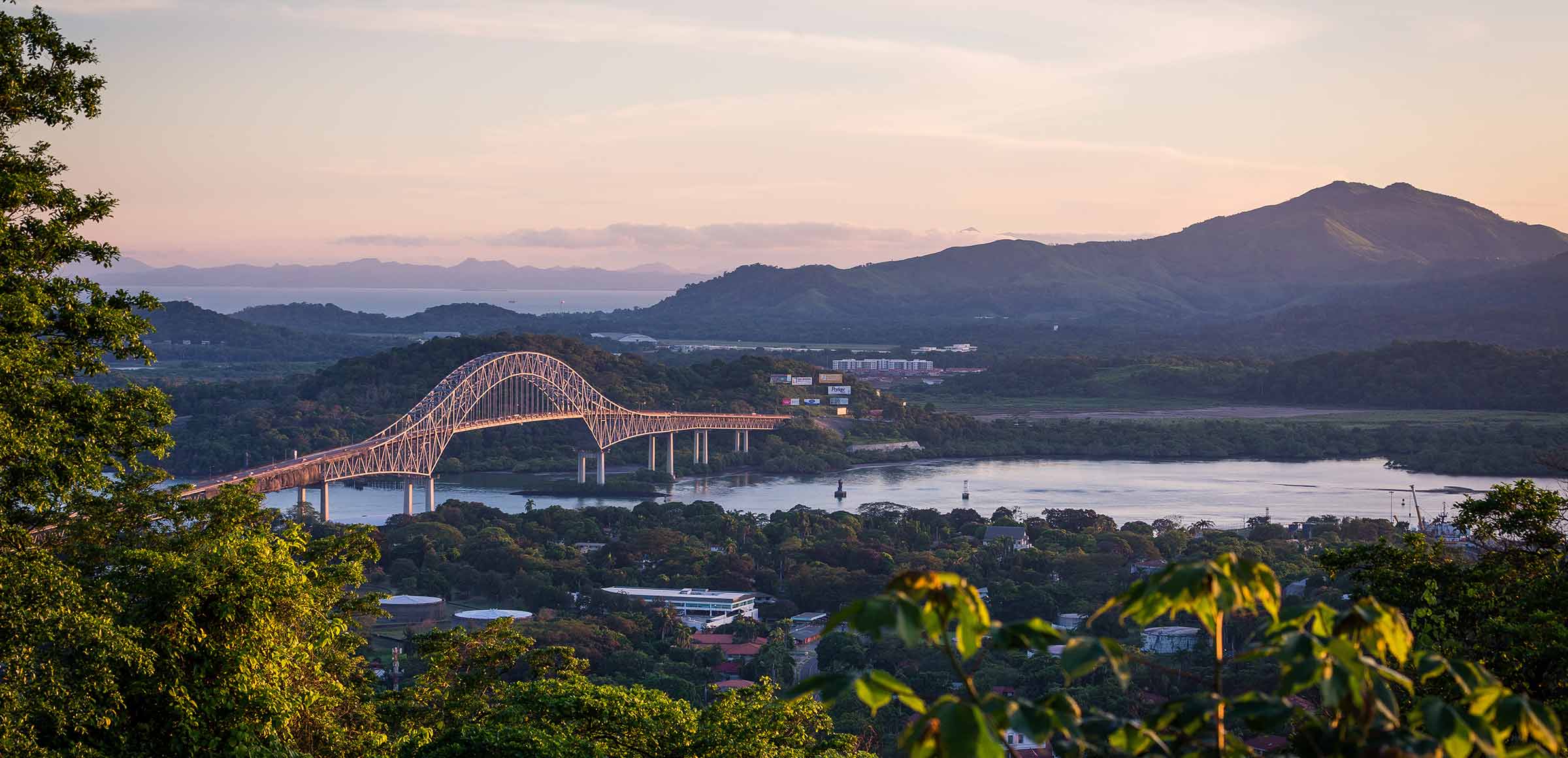
Your Panama cheat sheet covers climate, geography, visa requirements, transportation, and local customs. The most important thing to know is that the official currency is the US dollar, though Panama also uses Panamanian coins equal in value to U.S. coins. This tropical country, nestled between the Caribbean Sea and the Pacific Ocean, offers everything from the modern skyscrapers of Panama City to remote indigenous villages in the rainforests. Explore the famous Panama Canal, the idyllic white sandy beaches of Bocas del Toro, and many other Panama destinations. For those seeking adventure, consider the hikes in Boquete Panama: the hiker's guide or discover the best beaches in Panama.
Climate and Geography
Panama has a tropical climate with two seasons: the dry season from December to April and the rainy season from May to November. The dry season is peak tourist season, with clear skies ideal for outdoor activities. The rainy season brings frequent but short bursts of rain, leaving time for exploration and keeping the landscape lush—a good time for hiking and wildlife spotting, including for those interested in hiking and the outdoors in Panama.
Panama’s geography spans white sandy beaches, clear turquoise waters, misty cloud forests, and volcanic peaks. It is home to the Panama Canal, which connects the Atlantic and Pacific Oceans. Coastlines along both the Caribbean Sea and the Pacific Ocean include islands, archipelagos, and coral reefs. The San Blas Islands are known for their untouched beauty and indigenous Guna culture, while the Pearl Islands offer tranquil beaches.
Inland, dense rainforests host a wide variety of flora and fauna. The Darien Gap, on the border with Colombia, is one of the most biologically diverse areas in the world, home to jaguars, tapirs, and harpy eagles. National parks such as Soberania National Park and Volcan Baru National Park offer hiking through lush forests and birdwatching. For more on specific locations, see destinations & experiences in Panama.
The official currency of Panama is the US dollar; Panama also uses Panamanian coins that are equal in value to U.S. coins.
Visa and Entry Requirements
Before traveling to Panama, check the specific visa requirements for your country of citizenship. Panama allows citizens from the United States, Canada, the European Union, Australia, and many other countries to enter without a visa for stays of up to 90 days. You must have a valid passport with at least six months of validity remaining beyond your planned departure date.
For stays longer than 90 days or for purposes other than tourism (such as work or study), apply for the appropriate visa in advance. Consult the nearest Panamanian embassy or consulate for current requirements.
Upon arrival, complete an immigration form and present it with your passport to the immigration officer. You may also need to provide proof of onward travel, such as a return ticket or itinerary. Keep a copy of your booking confirmation readily available.
Panama requires a Yellow Fever vaccination certificate if you are arriving from certain countries, particularly those in Africa and South America. Check the latest health requirements and consult your healthcare provider before traveling.
By meeting the visa and entry requirements beforehand, you can start your Panama adventure with peace of mind. For those planning outdoor activities, be sure to check our guide on hiking and the outdoors in Panama for trail recommendations and safety tips. If you are considering extending your stay, you may want to look into applying for a Panamanian passport for long-term residency options.
Currency and Exchange Rate
The two currencies are used interchangeably, with Panamanian coins in denominations of 1, 5, 10, 25, and 50 cents, and US dollars in both coins and banknotes.
The US dollar is widely accepted throughout the country, making it convenient for travelers. ATM machines dispense both Panamanian coins and US dollars.
Carry US dollars and exchange them for Panamanian coins as needed. Major hotels, banks, and exchange offices in tourist areas offer competitive rates. Avoid exchanging currency at airports, where rates are less favorable.
Most businesses, especially in tourist areas, accept Visa and Mastercard. Carry cash for smaller establishments, markets, and transportation.
Check current exchange rates before traveling. Panama is a relatively affordable country compared to its regional counterparts, offering good value for money. For travelers interested in "things to do in Panama," understanding the currency helps you manage your budget effectively. If you plan to explore "beaches in Panama," carrying cash is useful for smaller vendors and transport.
Language
The official language of Panama is Spanish, spoken by the majority. Due to its history and multiculturalism, you will also find English spoken in tourist areas, hotels, and restaurants. If you are not fluent in Spanish, English is widely understood in the tourism industry.
This makes transactions straightforward for American visitors.
It's a good idea to learn a few basic Spanish phrases. Locals appreciate the effort, even if it's just "hola" or "gracias". A pocket-sized phrasebook or translation app is useful when venturing to remote areas where English may not be prevalent. Embrace the chance to immerse yourself in the local culture; learning a few words enhances your experience as you interact with locals and understand their customs. If you encounter language barriers, a warm smile, gestures, and a friendly attitude go a long way in bridging communication gaps. For those exploring beyond the city, this is especially helpful when visiting beaches in Panama or enjoying hikes in Boquete Panama: the hiker's guide.
Transportation
Getting around Panama is straightforward, with options for city exploration, beach trips, and rainforest adventures.
1. Public Transportation: In Panama City, the Metro subway system is modern and efficient. Buses ("Diablos Rojos") offer a wider network covering both urban and rural areas.
2. Taxis and Ride-Sharing: Taxis are widely available in urban areas; ensure the taxi has a visible license and meter before boarding. Ride-sharing services like Uber operate in major cities.
3. Domestic Flights: For remote regions, domestic airlines fly to Bocas del Toro, the San Blas Islands, and the Chiriquí Highlands, saving travel time and providing aerial views. These flights are a key part of any itinerary for destinations & experiences in Panama.
4. Car Rental: Renting a car offers flexibility. Major rental companies are at international airports and in Panama City. Note that traffic in Panama City can be congested, and parking may be limited.
5. Boats and Ferries: Given Panama’s coastline and islands, boats are common. Ferries and private charters serve the San Blas Islands, Bocas del Toro, and the Pearl Islands. For coastal getaways, beaches in Panama like those on Isla Farallon are accessible by road or boat.
Plan routes based on distance and travel time to maximize your trip. Whether using public transit, taxis, or a rental car, Panama’s transportation network supports a wide range of travel styles.
Accommodation
Panama offers a wide range of accommodation options to suit every budget, from luxurious beachfront resorts to budget-friendly hostels.
Hotels: Panama City has luxury hotels, international chains, and boutique accommodations with city views and world-class amenities. Beyond the capital, hotels and resorts are found in Bocas del Toro, Boquete, and Playa Blanca. For those interested in hiking and the outdoors in Panama, Boquete is a prime base for mountain lodging.
Eco-Lodges and Rainforest Retreats: These accommodations let guests experience Panama’s biodiversity with minimal environmental impact, ideal for nature-focused stays.
Hostels and Guesthouses: Budget travelers will find affordable hostels and guesthouses with communal spaces in tourist hotspots like Panama City, Bocas del Toro, and Santa Catalina.
Bed and Breakfasts: For a more intimate experience, B&Bs offer comfortable rooms, homemade breakfast, and local hospitality.
Vacation Rentals: Apartments, villas, and beach houses are available for short-term or long-term stays, especially popular for families or larger groups. Platforms like Airbnb offer a wide selection across the country. For coastal stays, properties near beaches in Panama such as those near Isla Farallon are common.
Book in advance during peak tourist seasons to secure the best rates and availability. Read reviews and check the location and amenities to ensure they match your preferences.
Food and Drinks
Panama’s cuisine blends indigenous, African, Spanish, and Caribbean influences. Rice is a staple, often served with beans, meat, and vegetables. Try "arroz con pollo" (rice with chicken and spices). Seafood is prominent: sample "ceviche" (marinated raw fish or shrimp) and "pescado a la plancha" (grilled fish with local spices).
Street food includes "empanadas" (stuffed pastries with meat, cheese, or vegetables), "carimañolas" (deep-fried yucca fritters filled with meat), "tostones" (fried plantains), and "raspao" (shaved ice with fruit syrup). Local markets ("mercados") offer fresh fruits, vegetables, seafood, and "ceviche de corvina," a tangy ceviche made with local corvina fish.
For beverages, Panama is known for "seco," a sugarcane-based spirit drunk straight or in cocktails. Locally brewed beers and tropical fruit juices are common. Try "chicha de nance," a traditional fermented drink from nance fruit.
From international restaurants in Panama City to food stalls in local markets, Panama’s dining spans many flavors. As you explore the country, you can also find excellent options for hiking and the outdoors in Panama, which pair well with the local food scene. Savor the unique gastronomic offerings Panama has to offer.
Attractions and Activities
Panama offers attractions and activities for every traveler, from natural wonders to cultural landmarks.
Panama Canal: Witness massive ships pass through the locks at this engineering marvel, learning about its history and significance.
San Blas Islands: Over 350 islands form this archipelago home to the Guna Yala people. Enjoy turquoise waters, white sand beaches, and indigenous culture.
Bocas del Toro: On the Caribbean coast, this tropical paradise features vibrant marine life, crystal-clear waters, and a laid-back atmosphere. Snorkel or dive in coral reefs, and spot sloths and red poison dart frogs.
Casco Viejo: Panama City’s historic district is a UNESCO World Heritage Site with narrow cobblestone streets, colorful buildings, and landmarks like the Metropolitan Cathedral. Explore museums, restaurants, and nightlife.
Boquete: Nestled in the lush highlands, this haven for nature lovers offers cloud forest hikes, challenging climbs up Barú Volcano, and coffee plantation tours. The area is renowned for birdwatching, with over 400 species. For detailed trails, see the guide on hikes in Boquete Panama: the hiker's guide.
Emberá Indigenous Village: Experience traditional music, dance, and handicrafts while learning about Emberá culture in the rainforest.
Gamboa Rainforest: Just a short distance from Panama City, take a boat tour through Gatun Lake, spot monkeys and toucans, or soar above the canopy on a zip-line tour.
Beaches in Panama: Beyond the San Blas Islands and Bocas del Toro, Panama’s coastline offers many other beach destinations, including Isla Farallon & Farallon beach in Panama, known for its calm Pacific waters.
These are just a few highlights of the many attractions and activities awaiting you in Panama, whether you seek adventure, relaxation, or cultural experiences.
Safety Tips
Prioritize safety precautions while visiting Panama. These tips will help ensure a smooth trip:
1. Stay Aware of Your Surroundings: Keep an eye on your belongings, particularly in crowded tourist areas or public transportation. Avoid displaying valuables and be cautious of pickpockets.
2. Use Licensed Taxis and Transportation Options: Opt for licensed taxis or ride-sharing services to avoid scams. Arrange transportation through your hotel or a reputable company.
3. Avoid Traveling Alone at Night: Travel in groups or with a companion after dark. Stick to well-lit, populated areas and use trusted transportation.
4. Secure Your Accommodations: Choose reputable hotels with security measures. Lock doors and windows, and use safes for valuables.
5. Be Cautious with Street Food and Water Consumption: Exercise caution with street vendors and ensure food is prepared hygienically. Drink bottled water and avoid tap water or ice from unknown sources.
6. Research and Prepare for Outdoor Activities: If you plan to engage in outdoor activities, research the area beforehand and follow safety guidelines. Wear appropriate footwear, use insect repellent, and be aware of wildlife or natural hazards. For more information, refer to our guide on hikes in Boquete Panama: the hiker's guide and other hiking and the outdoors in Panama resources.
7. Respect Local Laws and Customs: Familiarize yourself with local laws and customs. Dress modestly in religious or conservative areas and be mindful of cultural sensitivities.
8. Keep Important Documents Secure: Carry only necessary identification and a photocopy of your passport. Leave your original passport and valuables in a hotel safe.
9. Purchase Travel Insurance: Before your trip, consider comprehensive travel insurance that covers medical expenses, trip cancellations, and lost or stolen belongings.
10. Stay Informed About Current Travel Advisories: Check for travel advisories from your home country's government regarding safety in Panama. Follow recommended precautions.
By taking these safety tips into account, you can enjoy a worry-free journey and focus on experiencing the beauty and wonders that Panama has to offer.
Healthcare and Emergency Services
When traveling to Panama, it's important to be aware of the healthcare facilities and emergency services available. Here's what you need to know:
Healthcare Facilities: Panama has a mix of public and private healthcare facilities. Major cities such as Panama City and David have modern hospitals and medical centers that provide a high standard of care. In more remote areas, healthcare facilities may be limited, so travel insurance covering medical emergencies and evacuation is advisable.
Insurance and Medical Expenses: Review your travel insurance policy before your trip to ensure it covers potential medical expenses in Panama. Comprehensive coverage should include emergency medical treatment, hospital stays, and medical evacuation if necessary. Keep your insurance information handy and know how to contact your provider in an emergency.
Pharmacies and Medications: Pharmacies, known as "farmacias," are readily available throughout Panama, even in smaller towns. If you require prescription medication, bring an ample supply for the duration of your trip. Carry medications in their original packaging with a copy of the prescription. If you need to purchase medications in Panama, have a list of generic names, as brand names may differ.
Emergency Services: In a medical emergency, dial 911, the universal emergency number in Panama, to reach an ambulance or request immediate assistance. Operators usually speak Spanish, so have someone assist you if you don't speak the language. A local SIM card or working mobile phone is advisable for easy communication in emergencies.
Vaccinations and Health Recommendations: Before traveling to Panama, check with your healthcare provider or a travel clinic regarding recommended vaccinations. Depending on your itinerary, vaccines for hepatitis A, hepatitis B, typhoid, and yellow fever may be recommended. Protect yourself from mosquitoes by using insect repellent and wearing appropriate clothing, as there is a risk of diseases like dengue and Zika virus in some areas.
COVID-19 Precautions: Stay informed about current travel restrictions, requirements, and guidelines in Panama. Follow local health authorities' recommendations, practice good hygiene, wear masks in indoor public spaces, and maintain social distancing to minimize transmission risk.
Panama provides reliable healthcare services and emergency response. Being prepared with insurance coverage and knowledge of local resources will ensure peace of mind and enable appropriate care if needed during your stay.
Communication and Internet Access
Staying connected in Panama is straightforward. Here’s what to know about communication and internet access.
Mobile Networks: Coverage is reliable in urban areas and popular tourist destinations. Major carriers are Movistar, Claro, and Digicel. If your phone is unlocked, buy a local SIM card and prepaid plan at a provider store upon arrival for affordable calls and data.
Internet Access: Wi-Fi is widely available in hotels, hostels, and luxury resorts. Many restaurants and cafes offer free Wi-Fi for customers. Internet cafes (“cibercafés”) are found in major towns for a small fee. For those combining connectivity with outdoor adventure, reliable mobile data helps when planning hiking and the outdoors in Panama.
Communication Apps: WhatsApp, Skype, and FaceTime work well over Wi-Fi or mobile data, letting you call or message internationally without roaming charges.
Postal Services: Post offices are located throughout the country. International shipping times vary, so plan ahead if mailing items.
Language Barrier: Most Panamanians speak Spanish, but English is common in hotels, restaurants, and tourist areas. A translation app or phrasebook helps when English isn’t spoken.
No currency exchange is needed for US cash.
Overall, staying connected is easy with accessible mobile networks, widespread Wi-Fi, and useful apps. Whether sharing experiences or planning things to do in Panama, these resources keep you linked in.
Cultural Etiquette
When visiting Panama, respect for local customs enhances your experience. Here are key etiquette tips:
Greetings and Politeness: A handshake is standard for first meetings. Address people formally as "Señor" or "Señora," and use "Buenos días," "Buenas tardes," or "Buenas noches."
Respect for Elders: Greet elderly individuals first, offer your seat on public transport, and use polite language.
Dress Code: Dress conservatively in religious or formal settings—cover shoulders and knees in churches. For casual settings, such as beaches or outdoor activities, modest attire is appropriate. If you're exploring hiking and the outdoors in Panama, lightweight, breathable clothing that covers skin is practical and respectful.
Public Displays of Affection: Avoid excessive physical contact or intimate gestures in public.
Personal Space and Punctuality: Panamanians prefer a slightly greater conversational distance. Arrive on time for appointments and social gatherings.
Gift Giving: When invited to a home, bring a small gift like chocolates, flowers, or a souvenir from your home country. Present it with both hands as a sign of respect.
Photography and Privacy: Always ask permission before photographing people, especially in indigenous communities, where strict rules may apply.
Language: Many Panamanians in tourist areas speak English, but basic Spanish phrases like "hola" and "gracias" are appreciated.
Tipping: Leave 10% to 15% for good service in restaurants, bars, and for taxi drivers if no service charge is included.
For those planning things to do in Panama, understanding these cultural norms will help you connect more meaningfully with locals and enjoy a smoother visit.
Shopping
Shopping in Panama blends traditional crafts, local products, and international brands.
Markets: At the Mercado de Artesanías in Panama City, find traditional handicrafts including intricate textiles, handmade jewelry, and vibrant Panamanian molas—appliqué art pieces made by the indigenous Guna people. The Mercado de Mariscos offers fresh fish, ceviche, and seafood meals.
Duty-Free Shopping: Tocumen International Airport in Panama City carries luxury brands, electronics, perfumes, and jewelry at lower prices than many other countries. Keep receipts and check duty allowances for your home country.
Shopping Malls: Panama City’s modern malls—Multiplaza Pacific, Metromall, and Albrook Mall—offer international brands, designer boutiques, fashion, electronics, cosmetics, specialty stores, dining, and entertainment.
Indigenous Handicrafts: In rural areas, visit communities such as Emberá and Guna Yala to buy intricately woven baskets, ceremonial masks, and other handmade crafts directly from indigenous artisans. These experiences connect to the broader destinations & experiences in Panama that showcase local culture.
Panamanian Coffee and Chocolate: Panama is known for high-quality coffee, including the Geisha variety, and locally-made chocolate bars and treats that often incorporate tropical fruits or coffee beans.
Antiques and Art Galleries: Panama City has galleries with contemporary works by local and international artists. Antique shops in Casco Viejo carry vintage furniture, jewelry, and pieces reflecting the country’s history.
Exercise caution against counterfeit products. Shop from reputable establishments and ensure souvenirs comply with customs regulations. Panama’s diverse shopping includes traditional crafts, art, and international brands.
Tipping
Tipping in Panama is customary and expected in certain service-oriented establishments. Here are some guidelines to follow when it comes to tipping in Panama:
Restaurants and Cafés: In restaurants, it is customary to leave a tip of 10% to 15% of the total bill. Some upscale establishments may include a service charge, so check the bill to ensure you're not double-tipping. If the service was exceptional, you may leave a bit more.
Hotels and Resorts: If you stay in a hotel, it's customary to leave a tip for the housekeeping staff. A small amount per day, such as a dollar or two, left on the nightstand or in an envelope, is appropriate. If the hotel provides porter services or any additional assistance, a tip of $1 to $2 per bag is usually appreciated.
Taxi Drivers: Tipping taxi drivers is not mandatory but is commonly practiced. It's customary to round up the fare to the nearest whole dollar or add an additional 5% to 10% of the total fare as a tip. If the driver goes out of their way to provide exceptional service, a slightly higher tip can be given.
Guides and Tour Services: For guided tours or services, it's customary to offer a tip to the guide or tour operator. The amount can vary depending on the length and quality of the tour, but a general guideline is $5 to $10 per person for half-day tours and $10 to $20 per person for full-day tours. For those exploring the country's natural attractions, many of these services relate to hiking and the outdoors in Panama, where guides often lead trips through national parks or cloud forests.
Other Services: In certain situations, tipping may also be appropriate for services such as hair salons, spa treatments, and bellhops. A tip of 10% is generally acceptable in these situations, but it's always a good idea to check if a service charge is already included in the bill.
While tipping is appreciated, it should not be viewed as an obligation. The amount you tip is ultimately discretionary and based on your satisfaction with the service provided. Always consider the quality of the service, local customs, and your budget when determining the appropriate amount to tip.
When leaving a tip, it's best to hand it directly to the person receiving it to ensure they receive the full amount. If you're unsure about tipping in a specific situation, observing local customs or asking locals for guidance can help you navigate these situations with ease.
By showing your appreciation through tipping, you contribute to the local economy and help support the individuals who provide you with excellent service during your time in Panama.
Festivals and Events
Panama’s calendar is packed with festivals, from traditional celebrations to modern music events. Carnival, held in the four days before Ash Wednesday, is the most important holiday in Panama. The capital, Panama City, and the town of Las Tablas are especially known for their elaborate parades of color, music, and dancing.
On November 3rd, Panama celebrates Independence Day from Colombia with parades, live music, fireworks, and traditional dances. The largest festivities take place in Panama City, where the streets fill with national pride.
The Diablos y Congos Festival takes place in Portobelo, in the province of Colon, on October 21st. This event blends African and Spanish traditions through vibrant dances, music, and colorful masks worn by participants portraying historical characters.
Boquete hosts the annual Flower and Coffee Festival in January. The event features spectacular flower displays, coffee tastings, parades, live music, art exhibitions, and traditional dances, celebrating the region’s natural beauty and agriculture. For those interested in exploring the area further, there are excellent hikes in Boquete Panama: the hiker's guide.
The International Jazz Festival of Panama, held every January, brings together renowned local and international jazz artists for live performances, jam sessions, workshops, and masterclasses.
Religious festivals include the Feast of the Black Christ in Portobelo and the Feast of the Holy Nazarene in La Villa de Los Santos. These processions and events highlight deep Catholic traditions and cultural practices passed down through generations.
These celebrations offer visitors a deeper understanding of Panama’s customs and traditions.
Conclusion
Panama offers a wealth of experiences, from its natural landscapes and cultural heritage to its vibrant festivals. Whether you're exploring the Panama Canal, lounging on pristine beaches, or immersing yourself in city culture, the country has attractions for all interests.
Familiarizing yourself with this cheat sheet—covering climate, geography, visa requirements, and transportation—will help you plan effectively. Understanding cultural etiquette, such as greeting others with a warm smile, sampling traditional cuisine, and supporting local artisans, deepens your appreciation for Panama’s diverse traditions.
Prioritizing safety and health is paramount: follow safety tips, stay vigilant, and secure appropriate travel insurance. Know the locations of healthcare facilities and emergency services. Don’t miss the vibrant festivals, from Carnival celebrations to traditional religious processions and jazz festivals, which offer glimpses into the country’s heritage. For those seeking active adventures, the section on hiking and the outdoors in Panama provides detailed trail information, while the guide to beaches in Panama highlights coastal spots for relaxation.
Whether exploring rainforests, the Panama Canal, or breathtaking beaches, Panama promises a journey of adventure and discovery. Pack your bags and prepare to create lasting memories.
