

Secrets Of Inca Relay Stations In Bolivia’s Tiwanaku Region
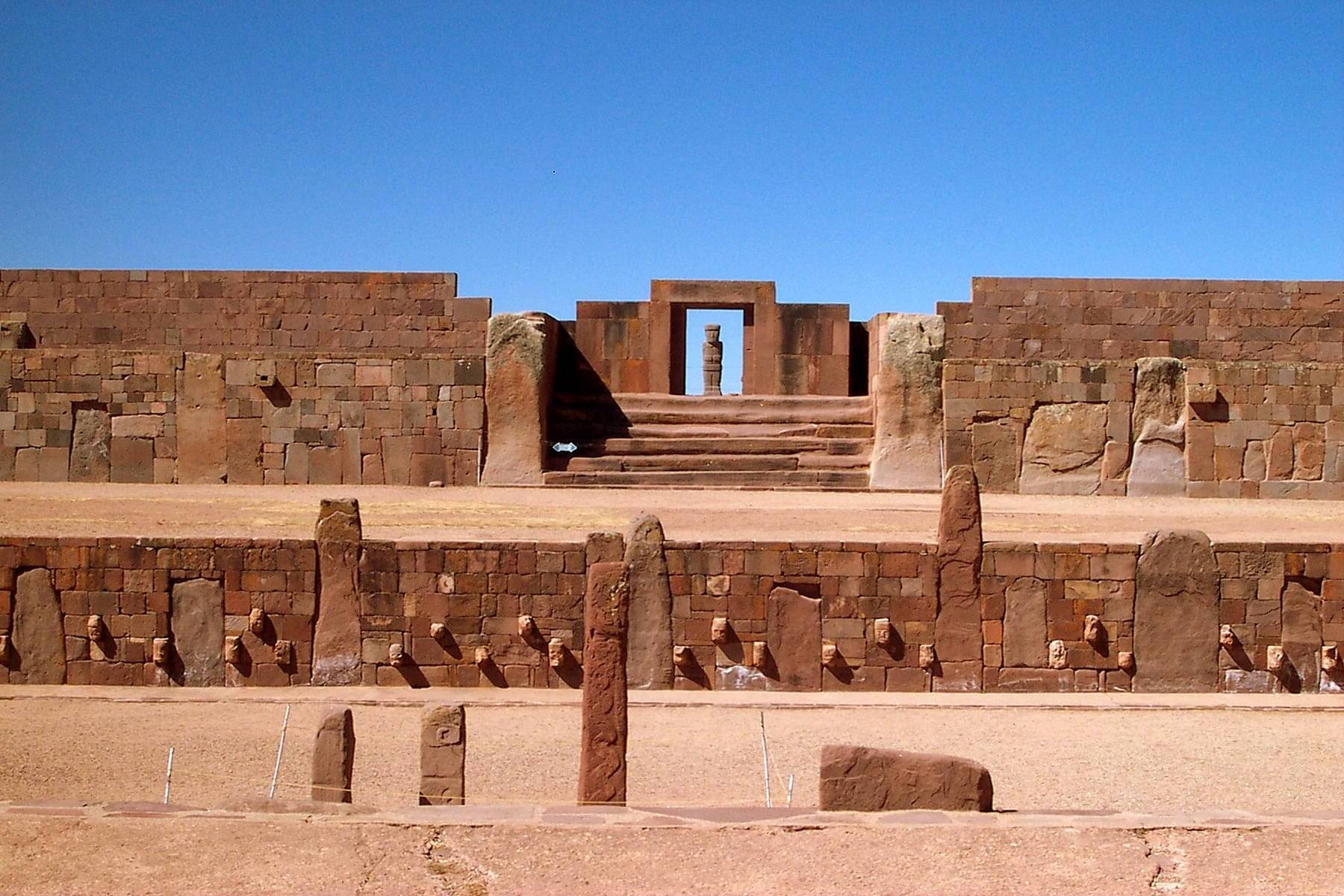
Have you ever wondered how the Incas communicated across their vast empire? In Bolivia's Tiwanaku region, ancient relay stations played a crucial role. These stations, known as chaskiwasi, were part of an intricate network. Messengers called chaskis would run between these points, carrying messages and goods. This system allowed for rapid communication over long distances, ensuring the empire stayed connected. Imagine running through rugged terrain, passing messages that could change the course of history. The efficiency of these relay stations is a testament to Inca ingenuity. Let's delve into the secrets of these fascinating structures and their role in history.
Secrets of Inca Relay Stations in Bolivia's Tiwanaku Region
The Tiwanaku region in Bolivia holds many secrets of the ancient Inca civilization. Among these, the relay stations, or "tambos," stand out as fascinating remnants of a sophisticated communication and transportation network. These tambos were strategically placed to support messengers, known as "chasquis," who relayed messages across the vast Inca Empire. Let's uncover some of these intriguing sites.
1. Tiwanaku
Tiwanaku, the heart of the region, is an archaeological wonder. This ancient city was a major center of the Tiwanaku culture before the Incas. The ruins here include impressive structures like the Akapana Pyramid and the Kalasasaya Temple. The site offers a glimpse into the architectural prowess and religious practices of the time.
2. Puma Punku
Near Tiwanaku, Puma Punku is another marvel. Known for its precisely cut stone blocks, this site has puzzled archaeologists for years. The intricate stonework suggests advanced engineering skills. Some believe it was a ceremonial site, while others think it might have been a part of a larger complex connected to Tiwanaku.
3. Lukurmata
Lukurmata, a lesser-known site, was an important settlement in the Tiwanaku region. Excavations have revealed residential areas, plazas, and ceremonial structures. The site provides valuable insights into the daily lives of the people who lived here and their interactions with the larger Tiwanaku culture.
4. Kallamarka
Kallamarka is another significant site in the region. It features a large plaza surrounded by residential and ceremonial buildings. The layout suggests it was a planned settlement, possibly serving as a regional administrative center. The site offers clues about the social and political organization of the Tiwanaku culture.
5. Incallajta
Incallajta, though slightly outside the Tiwanaku region, is worth mentioning. This site was a major administrative and military center during the Inca Empire. It features a large central plaza, residential areas, and defensive structures. The site highlights the strategic importance of the region in the broader Inca network.
6. Iskanwaya
Iskanwaya, located in the Charazani Valley, is an impressive pre-Inca site. It features terraced hillsides, residential areas, and ceremonial structures. The site is believed to have been an important agricultural and administrative center. Its well-preserved ruins offer a glimpse into the region's pre-Inca history.
7. Samaipata
Samaipata, also known as El Fuerte, is a unique archaeological site. It features a massive rock with intricate carvings and a series of terraces and buildings. The site is believed to have been a ceremonial center, possibly connected to the Inca Empire. Its unique features make it a fascinating stop for history enthusiasts.
8. Chiripa
Chiripa, one of the oldest sites in the region, dates back to around 1500 BCE. It features a series of mounds and plazas, believed to have been used for ceremonial purposes. The site provides valuable insights into the early development of complex societies in the region and their influence on later cultures like Tiwanaku and the Inca.
9. Pukara de Khonkho
Pukara de Khonkho is a hilltop fortress that offers stunning views of the surrounding landscape. The site features defensive walls, residential areas, and ceremonial structures. It is believed to have been an important military and administrative center during the Tiwanaku period. The site highlights the strategic importance of the region in ancient times.
10. Tambo Colorado
Tambo Colorado, though located in Peru, is relevant due to its role as an Inca administrative center. The site features well-preserved buildings and plazas, offering insights into the administrative practices of the Inca Empire. Its connection to the broader Inca network makes it a valuable point of reference for understanding the relay stations in the Tiwanaku region.
The Legacy of Inca Relay Stations
Inca relay stations in Bolivia's Tiwanaku region offer a glimpse into the past. These stations, known as tambos, were crucial for communication and transportation across the vast Inca Empire. They connected distant regions, allowing for the swift movement of messages, goods, and people. The ingenious system of runners, or chasquis, ensured that information traveled quickly, maintaining the empire's cohesion.
Exploring these ancient sites reveals the engineering marvels and strategic planning of the Inca civilization. The relay stations were more than just rest stops; they were hubs of activity and innovation. Visiting these locations today provides a deeper understanding of the Inca's advanced infrastructure and their ability to manage a sprawling empire.
The legacy of these relay stations continues to fascinate historians and travelers alike, reminding us of the ingenuity and resilience of the Inca people.
