

To plan a trip to Niagara Falls, allow a minimum of one to two days to fully experience the falls and surrounding attractions. The one major caveat is that summer brings the heaviest crowds, so visiting in the shoulder seasons of spring or fall offers milder weather and a quieter experience.
Step 1: Choose the Best Time to Visit Niagara Falls
Choosing the right time to visit Niagara Falls is crucial to ensure optimal weather conditions and a memorable experience. The falls are magnificent throughout the year, but each season offers a unique perspective. Here are some factors to consider when deciding on the best time to visit:
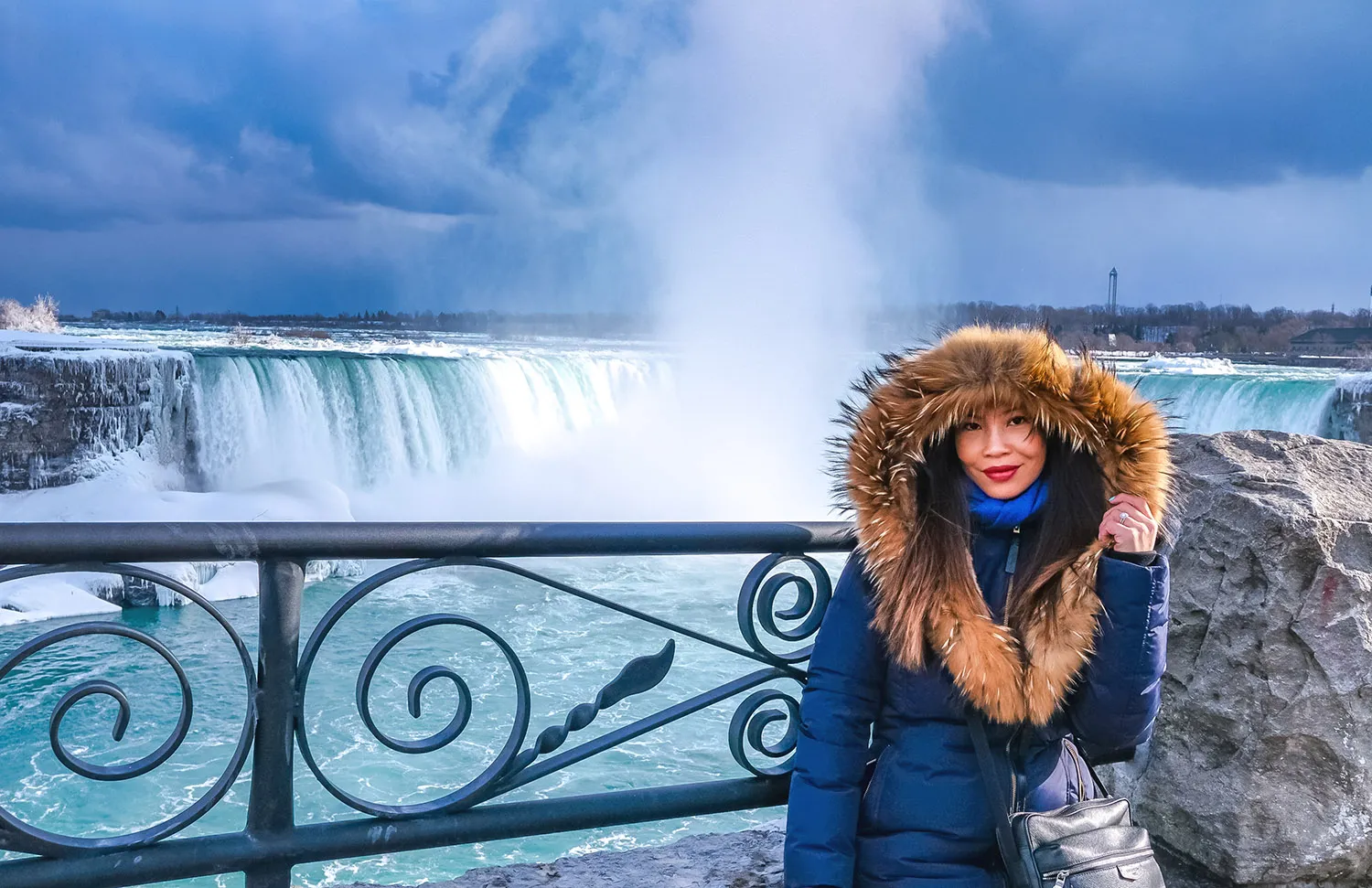
- Weather: Niagara Falls experiences four distinct seasons. Spring and fall offer milder temperatures and colorful foliage, ideal for outdoor exploration, including hiking and the outdoors in Niagara Falls. Summer brings warmer weather, perfect for boat tours and water-based activities. Winter offers a magical experience, with the falls partially freezing and stunning ice formations.
- Crowds: Niagara Falls is a popular destination, and crowds can be overwhelming during peak seasons. For a quieter experience, consider visiting in the shoulder seasons of spring or fall. Summer is the busiest time.
- Attractions and Events: The region hosts various events and festivals throughout the year, from fireworks displays to food and wine festivals. Research the events calendar for specific events you'd like to experience.
A 1-day trip can cover the main highlights on one side, and a 1–2 day trip is commonly recommended for a more relaxed visit that includes the top attractions. If you're a citizen of the United States or Canada, you can use a NEXUS card or an enhanced driver’s licence at land crossings. Ultimately, the best time to visit depends on your personal preferences. Weather conditions can be unpredictable, so pack appropriate clothing and check the forecast before you go.
Step 2: Decide on the Duration of Your Trip
When planning a trip to Niagara Falls, determine how many days to dedicate based on your travel preferences, desired activities, and budget.
- Bucket List Activities: If you want leisurely boat tours, hiking and the outdoors in Niagara Falls, or visits to Journey Behind the Falls or Niagara-on-the-Lake, you'll need more time. If you only plan to view the falls from observation decks, a shorter visit might suffice.
- Additional Destinations: Consider exploring nearby Toronto, Buffalo, or the Niagara-on-the-Lake wine region. Including these places requires extra time.
- Relaxation vs. Adventure: For a relaxed pace soaking in the beauty, a longer trip allows more downtime. For adventure like ziplining, jet boat tours, or challenging trails, you may need fewer days with a packed itinerary.
This gives you time to explore the falls from various viewpoints, take a boat tour, and visit nearby attractions. If you have additional destinations or want a slower pace, consider extending your stay to four or five days. For those seeking a unique perspective, look for hidden gems in Niagara Falls beyond the main viewpoints.
Factor in travel time to and from Niagara Falls and any additional activities. It's better to have a slightly longer stay than to feel rushed and miss out.
Step 3: Determine Your Mode of Transportation
Choosing the right mode of transportation is essential when planning your trip to Niagara Falls. The mode you select will depend on various factors such as your location, budget, preferences, and convenience. Here are the options to consider:
1. Car
If you prefer the freedom and flexibility of having your own vehicle, consider driving to Niagara Falls. This is a great option if you live within a reasonable driving distance or if you plan on exploring the surrounding areas. There are several parking lots available near the falls, although they can be crowded during peak seasons.
2. Train
For a scenic and relaxing journey, consider taking a train to Niagara Falls. Amtrak offers services from various major US cities to Niagara Falls, New York, while VIA Rail operates from Canadian cities to Niagara Falls, Ontario. Train travel lets you enjoy the views and arrive hassle-free. For those interested in hiking and the outdoors in Niagara Falls, the train provides easy access to trails near the gorge. It’s also a convenient way to reach hidden gems in Niagara Falls, such as quieter viewpoints away from the main crowds.
3. Bus
Traveling by bus can be a cost-effective option, especially if you're on a budget. Several bus operators offer direct routes to Niagara Falls from neighboring cities and airports. Research the schedules and fares of different bus companies to find the most convenient option for your journey.
4. Plane
If you're traveling from a long distance or internationally, flying to Niagara Falls may be the most convenient option. Buffalo Niagara International Airport (BUF) is the closest airport to the falls, while Toronto Pearson International Airport (YYZ) is an alternative option on the Canadian side. From the airport, you can take a taxi, shuttle service, or rent a car to reach your accommodation.
5. Combination of Transportation Modes
Depending on your location and preferences, you may choose to combine different modes of transportation. For example, you can fly to a nearby airport and then rent a car for the remainder of your journey. Or, you may take a train or bus to a nearby city and then transfer to a smaller local transportation option to reach Niagara Falls.
Consider factors such as cost, travel time, convenience, and your personal comfort when deciding on the mode of transportation. It's important to plan ahead and book your tickets in advance to secure the best fares and ensure a smooth journey.
Step 4: Research Accommodation Options
When planning a trip to Niagara Falls, finding the right accommodation is crucial for a comfortable and enjoyable stay. The Niagara Falls area offers a wide range of options to suit every budget and preference. Here are some factors to consider when researching accommodation:
1. Location
Decide whether you want to stay on the Canadian side or the American side of Niagara Falls. Both sides offer their own unique views and attractions, so choose based on your preferences. The Canadian side is known for its breathtaking views of the falls, while the American side provides a quieter and more nature-focused experience.
2. Proximity to the Falls and Attractions
Consider how close you want to be to the falls and the main attractions. If you want to enjoy stunning views right from your room, look for accommodations that are within walking distance of the falls. If you don't mind a short drive or a bus ride, you can find more affordable options a bit further away.
This timeframe lets you cover main highlights on one side or enjoy a more relaxed visit that includes top attractions. While planning your stay, consider exploring hiking and the outdoors in Niagara Falls for a different perspective, or seek out hidden gems in Niagara Falls beyond the main tourist path.
3. Types of Accommodation
There is a wide range of accommodation options available near Niagara Falls. From luxury hotels and resorts to budget-friendly motels and guesthouses, there's something for every budget and travel style. Consider what amenities and services are important to you, such as on-site restaurants, fitness centers, pools, or complimentary breakfast.
4. Online Reviews and Ratings
Before making a final decision, read online reviews and ratings of the accommodations you're considering. Websites like TripAdvisor, Booking.com, and Expedia provide valuable insights from previous guests. Pay attention to reviews that mention cleanliness, staff friendliness, and overall customer satisfaction.
5. Special Packages and Deals
Check if accommodations offer packages that include perks or discounts on local attractions. Some hotels bundle passes or deals that save money and enhance your experience.
Research and compare prices, amenities, and locations to find the best fit. Book well in advance, especially during peak season or weekends. For travelers interested in hiking and the outdoors in Niagara Falls, some packages include trail access or gear discounts. Others may reveal hidden gems in Niagara Falls, such as lesser-known viewpoints or local dining deals.
Now that you've researched accommodation options, you can move on to deciding your activities and sightseeing plans.
Step 5: Plan Your Activities and Sightseeing
One of the most exciting parts of planning a trip to Niagara Falls is deciding on the activities and sights you want to experience. For those seeking adventure, hiking and the outdoors in Niagara Falls offers excellent trails and viewpoints. Don't overlook hidden gems in Niagara Falls for a more unique experience.
1. Visit the Falls
No trip to Niagara Falls would be complete without experiencing the awe-inspiring beauty of the falls up close. Take a boat tour, such as the popular Maid of the Mist or Hornblower Cruises, for a thrilling and up-close view of the falls. You can also explore the network of observation decks and viewpoints for stunning panoramic views of the falls from different angles.
2. Journey Behind the Falls
Go on a unique adventure by taking the Journey Behind the Falls tour. This allows you to descend into tunnels and get an up-close look at the power and magnificence of the falls from behind. Don a waterproof poncho and feel the mist on your face as you witness the sheer force of the water. For those seeking quieter spots, the area also offers hidden gems in Niagara Falls beyond the main crowds.
3. Niagara Glen Nature Reserve
For nature lovers and outdoor enthusiasts, a visit to the Niagara Glen Nature Reserve is a must. This stunning park offers hiking trails that wind through a rugged gorge, showcasing beautiful views of the Niagara River and its surrounding lush flora. Take a leisurely hike, go bird-watching, or have a picnic amidst the tranquil surroundings.
4. Clifton Hill
If you're seeking entertainment and family-friendly fun, head to Clifton Hill. This bustling street is filled with restaurants, museums, souvenir shops, and attractions such as Ripley's Believe It or Not! museum, the Niagara SkyWheel, and mini-golf courses. Enjoy a fun-filled day of games, rides, and delicious treats.
5. Niagara-on-the-Lake
Take a short drive from Niagara Falls to the charming town of Niagara-on-the-Lake. Known for its wineries and historic charm, this picturesque town offers the opportunity to go wine tasting, stroll along quaint streets lined with boutique shops, and explore historic sites like Fort George and the Shaw Festival Theatre.
These are just a few of the many exciting activities and sights to experience in and around Niagara Falls. Take the time to research and create an itinerary based on your interests and preferences. Consider the time needed for each activity and plan accordingly to make the most of your visit.
Now that you have planned your activities and sightseeing, it's time to move on to the next step: preparing the necessary travel documents.
Step 6: Prepare the Necessary Travel Documents
Before embarking on your trip to Niagara Falls, it's essential to ensure that you have all the necessary travel documents in order. Here are the key documents you'll need:
1. Passport or ID
If you're traveling from outside of Canada or the United States, you will need a valid passport to enter either country. Ensure that your passport is valid for at least six months beyond your planned departure date. This timeframe also gives you a chance to explore hiking and the outdoors in Niagara Falls or discover hidden gems in Niagara Falls beyond the main sights.
2. Visa Requirements
Check the visa requirements for your country of citizenship. Depending on your nationality, you may be eligible for visa-free entry or may need to apply for a visa before your departure. Make sure to allow enough time for the visa application process if necessary.
3. Travel Insurance
It is highly recommended to have travel insurance to protect yourself against unexpected events such as trip cancellations, medical emergencies, or lost belongings. Review your travel insurance coverage and ensure that it is valid for the duration of your trip to Niagara Falls.
4. COVID-19 Requirements
During the pandemic, it is vital to stay informed about any specific COVID-19 requirements or travel restrictions in place for entering the country and visiting Niagara Falls. Check the official government websites for updated information on testing, quarantine, vaccination, or any other regulations before your trip.
5. Driving License (if applicable)
If you plan on driving to Niagara Falls or renting a car during your visit, ensure that you have a valid driver's license. International visitors should obtain an International Driving Permit (IDP) along with their domestic driving license to comply with local regulations.
6. Other Documents
Carry copies of your accommodation bookings, travel itineraries, and contact information for your embassy or consulate in case of emergencies. For exploring beyond the main sights, consider hiking and the outdoors in Niagara Falls. Always check official government websites or consult your travel agent for the most up-to-date requirements, as regulations vary by citizenship and residency.
Step 7: Pack for Your Trip
Packing efficiently and thoughtfully is essential for a comfortable and enjoyable trip to Niagara Falls. Here are some key considerations when packing for your visit to this stunning destination:
1. Weather-Appropriate Clothing
Check the weather forecast for Niagara Falls during your travel dates and pack clothing accordingly. In warmer months, lightweight and breathable clothing is recommended, including shorts, t-shirts, and comfortable walking shoes. Don't forget a light jacket or sweater for cooler evenings. In winter, pack warm layers, a good-quality winter coat, hats, scarves, gloves, and insulated boots.
2. Comfortable Shoes
With a lot of walking and exploring ahead, it's important to pack comfortable shoes that provide support. Opt for sturdy walking shoes or sneakers that will keep your feet comfortable throughout the day. If you plan on doing more adventurous activities like hiking, pack appropriate footwear as well.
3. Waterproof Gear
Prepare for the mist and potential rain at Niagara Falls by packing waterproof gear. A lightweight rain jacket, waterproof shoes, and even a small umbrella or poncho can come in handy during your visit. Protecting your belongings with a waterproof backpack or bag is also a good idea.
4. Essential Travel Accessories
Don't forget to pack essential travel accessories like a reusable water bottle, sunscreen, sunglasses, a travel adapter (if traveling from outside of North America), and a camera or smartphone to capture the beautiful moments at Niagara Falls.
5. Medications and Toiletries
If you take any medications, ensure you have an ample supply for the duration of your trip. Pack a small first aid kit with essential items like band-aids, pain relievers, and any other personal medications you may require. Don't forget to pack your toiletries, including shampoo, conditioner, toothpaste, and other personal care items. However, it's worth noting that many accommodations provide basic toiletries, so you may only need to pack the essentials.
Exploring hidden gems in Niagara Falls, such as the quieter trails along the Niagara Gorge, can add a unique touch to your visit.
6. Miscellaneous Items
Consider additional items that will enhance your overall experience. This may include binoculars to get a closer view of the falls, reusable bags for shopping, a travel guidebook or map, and any specific items you require for certain activities or hobbies.
Remember to pack lightly and efficiently to avoid carrying unnecessary items. Check with your airline for any baggage restrictions and requirements to ensure a smooth travel experience.
Step 8: Create a Budget for Your Trip
Planning a budget for your trip to Niagara Falls is an important step to ensure that you have a clear understanding of your expenses and can manage your finances effectively. Here are some key factors to consider when creating a budget:
1. Accommodation
Research the cost of accommodations in the Niagara Falls area and determine how much you're willing to spend per night. Keep in mind that prices can vary depending on the location, amenities, and season. Consider whether you prefer luxury hotels, budget-friendly motels, or renting an apartment through platforms like Airbnb.
2. Transportation
Factor in the cost of transportation to and from Niagara Falls, as well as any transportation expenses during your stay. This includes flights, train or bus tickets, car rental, parking fees, and local transportation such as taxis or public buses. If you're driving, estimate fuel costs and toll fees.
3. Food and Drinks
Determine how much you plan to spend on meals and beverages during your trip. Research restaurants, cafes, and dining options in the area to get an idea of prices. Consider whether you'll be eating out for every meal or if you plan on preparing some meals yourself. Don't forget to budget for snacks, drinks, and any special dining experiences you'd like to try.
4. Activities and Attractions
Create a list of activities and attractions you want to experience and research their costs. This may include boat tours, entry fees to museums or parks, adventure activities, and any additional attractions that require a fee. Look for package deals or discounted tickets to save money on popular tourist attractions.
5. Souvenirs and Shopping
Allocate a portion of your budget for souvenirs and shopping. Niagara Falls has a variety of shops selling everything from local crafts to branded merchandise. Decide how much you're willing to spend on souvenirs and stick to your budget to avoid overspending.
6. Miscellaneous Expenses
Allow some flexibility in your budget for unforeseen expenses or miscellaneous items. This may include tips, additional transportation costs, unexpected purchases, or any other expenses that may arise during your trip.
7. Contingency Fund
Set aside a contingency fund for emergencies, unexpected expenses, or last-minute plan changes. Be realistic with your budget and track expenses to stay on track. This buffer ensures peace of mind while you explore, whether you're seeking hidden gems in Niagara Falls or planning a day of hiking and the outdoors in Niagara Falls.
Step 9: Learn about the Local Customs and Etiquette
When visiting Niagara Falls, it's important to familiarize yourself with the local customs and etiquette to ensure a respectful and enjoyable experience. Here are some key aspects to keep in mind:
1. Greetings and Politeness
Canadians and Americans are generally polite and appreciate a friendly greeting. Smile and use common greetings such as "hello" or "good morning" when interacting with locals. Be polite, say "please" and "thank you," and use proper manners in restaurants and shops.
2. Tipping
Tipping is customary in restaurants, bars, and for services in both Canada and the United States. Typically, a gratuity of 15-20% of the total bill is expected. However, it's always a good idea to check the local tipping customs and guidelines to ensure you're appropriately showing your appreciation for good service.
3. Queuing
Respect the concept of queuing or waiting in line. Wait your turn patiently in public areas, attractions, and when boarding transportation. Cutting in line is considered impolite and disrespectful.
4. Cultural Sensitivity
Respect the diverse cultures and backgrounds of the people you encounter during your visit. Be mindful of local customs, traditions, and religious practices. Dress modestly and appropriately when visiting religious or sacred sites.
5. Environmental Respect
As a visitor to Niagara Falls, it's crucial to respect the natural environment and help preserve its beauty. Dispose of your waste properly in designated bins and avoid littering. Follow designated trails and paths to protect the flora and fauna of the area. Do not carve or tamper with trees or rocks.
6. Photography Etiquette
When taking photos, be mindful of other visitors and respect their space. Avoid obstructing the views of others, especially at popular viewpoints. Be courteous and ask for permission before taking photos of individuals or private property.
7. Noise Levels
Keep noise levels at a respectful volume, especially in public areas, accommodations, and attractions. Avoid loud conversations, excessive noise, or disruptive behavior that can disturb others around you.
By being aware of and respecting local customs and etiquette, you'll contribute to a positive experience for yourself and the local community.
For those interested in quieter spots, consider exploring hidden gems in Niagara Falls. Remember that being a considerate traveler helps create a welcoming environment for everyone.
Step 10: Finalize Your Itinerary
As you near the end of your trip planning process, it's time to finalize your itinerary for your visit to Niagara Falls. Here are some tips to help you make the most of your time:
1. Review Your Activities and Sightseeing
Take another look at the activities and sights you've planned. Ensure that you have allocated enough time for each activity and considered transportation between different locations. Make adjustments if necessary to ensure a well-balanced and manageable itinerary.
2. Prioritize Your Must-See Attractions
If you have limited time, prioritize the must-see attractions and experiences. Focus on the activities that align with your interests and make sure to allocate enough time to thoroughly enjoy them. Consider the duration of each activity, opening hours, and any pre-bookings required.
3. Allow for Downtime
While it's exciting to have a packed itinerary, don't forget to allow for some downtime and relaxation. Take breaks to soak in the beauty of Niagara Falls, have leisurely meals, and simply enjoy the atmosphere. This will prevent burnout and allow you to fully appreciate your surroundings.
4. Be Mindful of Travel Time
Consider the time it takes to travel between different locations and attractions. Account for any traffic, queues, or delays when planning your schedule. Be realistic about the time it will take to move from one activity to another to avoid feeling rushed or stressed during your trip.
5. Be Flexible
While it's important to have a planned itinerary, be prepared to be flexible. Weather conditions or unforeseen circumstances may require adjustments to your original plans. Have alternative options in mind and embrace the spontaneous moments that may arise during your visit to Niagara Falls.
6. Double-Check Opening Hours and Reservations
Double-check the opening hours of attractions, restaurants, and any pre-bookings you've made. Verify reservation details to avoid surprises when you arrive. Stay updated on seasonal closures or changes.
Conclusion
From choosing the best time to visit and determining the duration of your trip, to researching accommodation options and planning your activities, you have taken the necessary steps to create a well-rounded itinerary.
As you venture to Niagara Falls, take in the breathtaking views, embark on thrilling boat tours, and explore the surrounding hiking trails and attractions. For those seeking quieter spots, keep an eye out for hidden gems in Niagara Falls. Remember to stay flexible and embrace the unexpected moments that may arise during your trip. Allow yourself time to relax and appreciate the tranquility of the falls.
As your journey comes to an end, take a moment to reflect on the wonderful memories you have created and the majestic beauty you have witnessed. Capture the stunning sights through photographs, but also cherish the moments in your heart.
