Secrets Of Northern Australia’s Kakadu Crocodile Research Stations
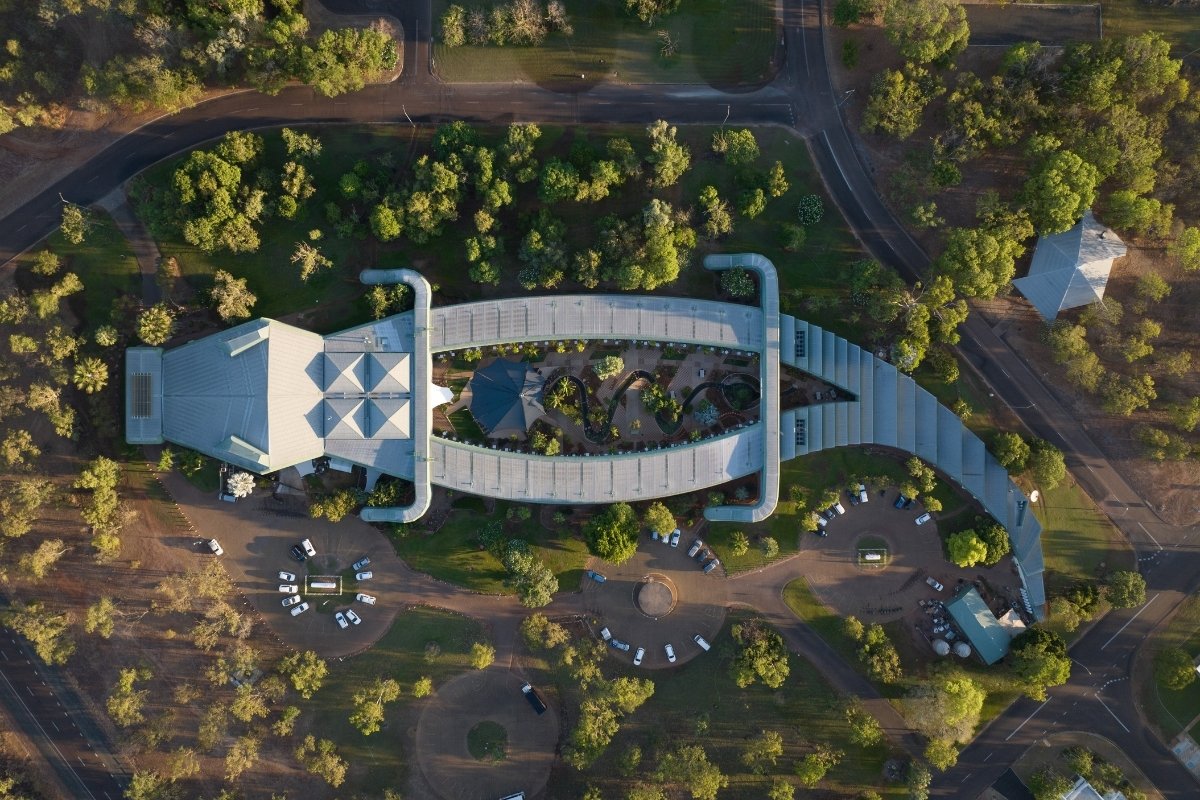
Have you ever wondered what it’s like to study crocodiles in their natural habitat? Northern Australia's Kakadu National Park is home to some of the most fascinating crocodile research stations in the world. These stations offer a unique glimpse into the lives of these ancient reptiles. Researchers work tirelessly to understand their behavior, breeding patterns, and how they interact with their environment. This knowledge helps protect both the crocodiles and the people who live nearby. Visiting these research stations can be an eye-opening experience, providing a deeper appreciation for these incredible creatures and the scientists dedicated to studying them.
Secrets of Northern Australia's Kakadu Crocodile Research Stations
Northern Australia's Kakadu National Park is a treasure trove of natural wonders. Among its many secrets, the crocodile research stations stand out. These stations are dedicated to studying one of the most fascinating and ancient creatures on Earth. Let's dive into the hidden world of these research hubs.
The Heart of Crocodile Research
Kakadu's crocodile research stations are not just about observing these reptiles. They play a crucial role in conservation, education, and understanding crocodile behavior. Here are some of the key stations you should know about:
Yellow Water Research Station
- Located in the heart of Kakadu, this station focuses on the freshwater crocodile population. Researchers here study their habits, breeding patterns, and interactions with the environment.
- Visitors can join guided tours to learn about the latest findings and see these majestic creatures up close.
East Alligator River Station
- This station is dedicated to the saltwater crocodile, the largest living reptile. Scientists monitor their movements, nesting sites, and population dynamics.
- The station also collaborates with local Indigenous communities to incorporate traditional knowledge into modern research.
Cutting-Edge Technology in Crocodile Research
Modern technology has revolutionized the way researchers study crocodiles. From satellite tracking to DNA analysis, these tools provide invaluable insights into crocodile life.
South Alligator River Station
- This station uses satellite tracking to monitor crocodile movements across vast distances. The data helps researchers understand migration patterns and habitat use.
- Interactive displays allow visitors to see real-time tracking data and learn about the technology behind it.
Jim Jim Creek Station
- DNA analysis at this station helps identify genetic diversity within crocodile populations. This information is crucial for conservation efforts.
- Educational programs here teach visitors about the importance of genetic research in preserving crocodile species.
Community Involvement and Education
Crocodile research in Kakadu is not just for scientists. Community involvement and education are key components of these stations' missions.
Magela Creek Station
- This station runs community outreach programs to educate locals and tourists about crocodile safety and conservation.
- Workshops and interactive sessions provide hands-on learning experiences for all ages.
Cooper Creek Station
- Collaborates with schools to develop educational materials and programs about crocodiles and their ecosystems.
- Students can participate in field trips and research projects, fostering a new generation of wildlife enthusiasts.
Conservation Efforts and Challenges
Conservation is at the heart of crocodile research in Kakadu. These stations work tirelessly to protect these ancient reptiles and their habitats.
Koolpin Gorge Station
- Focuses on habitat restoration and protection efforts. Researchers here work to ensure that crocodile habitats remain healthy and sustainable.
- The station also addresses challenges such as climate change and human-wildlife conflict.
Twin Falls Station
- This station studies the impact of tourism on crocodile populations. Researchers develop strategies to minimize human disturbance while promoting eco-friendly tourism.
- Visitor centers provide information on responsible wildlife viewing and conservation efforts.
Kakadu's crocodile research stations are a testament to the dedication and passion of scientists, educators, and communities working together. These hidden gems offer a glimpse into the fascinating world of crocodiles and the efforts to protect them for future generations.
The Importance of Kakadu's Crocodile Research
Kakadu's crocodile research stations play a crucial role in understanding these ancient reptiles. They provide valuable data on crocodile behavior, population dynamics, and habitat use. This information helps in creating effective conservation strategies, ensuring the survival of these magnificent creatures.
Visiting these research stations offers a unique opportunity to learn about crocodiles up close. It also highlights the importance of preserving their natural habitats. The work done here not only benefits crocodiles but also contributes to the overall health of the ecosystem.
Supporting these research efforts is essential for maintaining the balance between humans and wildlife in Northern Australia. By understanding and protecting crocodiles, we ensure that future generations can appreciate these incredible animals in their natural environment. So, next time you're in Kakadu, consider visiting a research station to witness this vital work firsthand.