

Russian Easter often falls later than Western Easter because the Russian Orthodox Church calculates the date using the Julian calendar, not the Gregorian calendar used by most of the world. This means the holiday can land anywhere from about one to five weeks after its Western counterpart, depending on the year.
The Date of Easter
The date difference is not a fixed 13 days, as is sometimes assumed. The 13-day gap refers to the calendar difference for fixed dates, but Easter is a movable feast calculated differently, so the gap varies.
- Julian Calendar: The Julian calendar is used to calculate Easter, causing it to often be celebrated on different dates, sometimes about one to five weeks later than Western Easter.
- Paschal Full Moon: Easter is determined by the first Sunday after the first full moon following the vernal equinox.
The Great Lent
Before Easter, Russians observe the Great Lent, a period of spiritual reflection and abstinence from certain foods.
- 40 Days of Fasting: The Great Lent lasts for 40 days, mirroring the 40 days Jesus spent fasting in the desert.
- Strict Dietary Rules: During Lent, believers abstain from meat, dairy, and eggs.
Midnight Church Service
One of the most significant events of Russian Easter is the midnight church service, filled with rituals and traditions passed down for generations.
- Procession of the Cross: The service begins with a procession around the church, symbolizing the journey to Jesus' tomb.
- Resurrection Hymn: At midnight, the priest announces "Christ is Risen!" and the congregation responds, "Indeed, He is Risen!"
Traditional Easter Foods
Easter in Russia is also marked by special foods prepared and enjoyed during the holiday.
- Kulich: A tall, cylindrical bread decorated with icing and colorful sprinkles.
- Paskha: A sweet, creamy dessert made from cheese, butter, and dried fruits, often shaped like a pyramid.
Easter Eggs
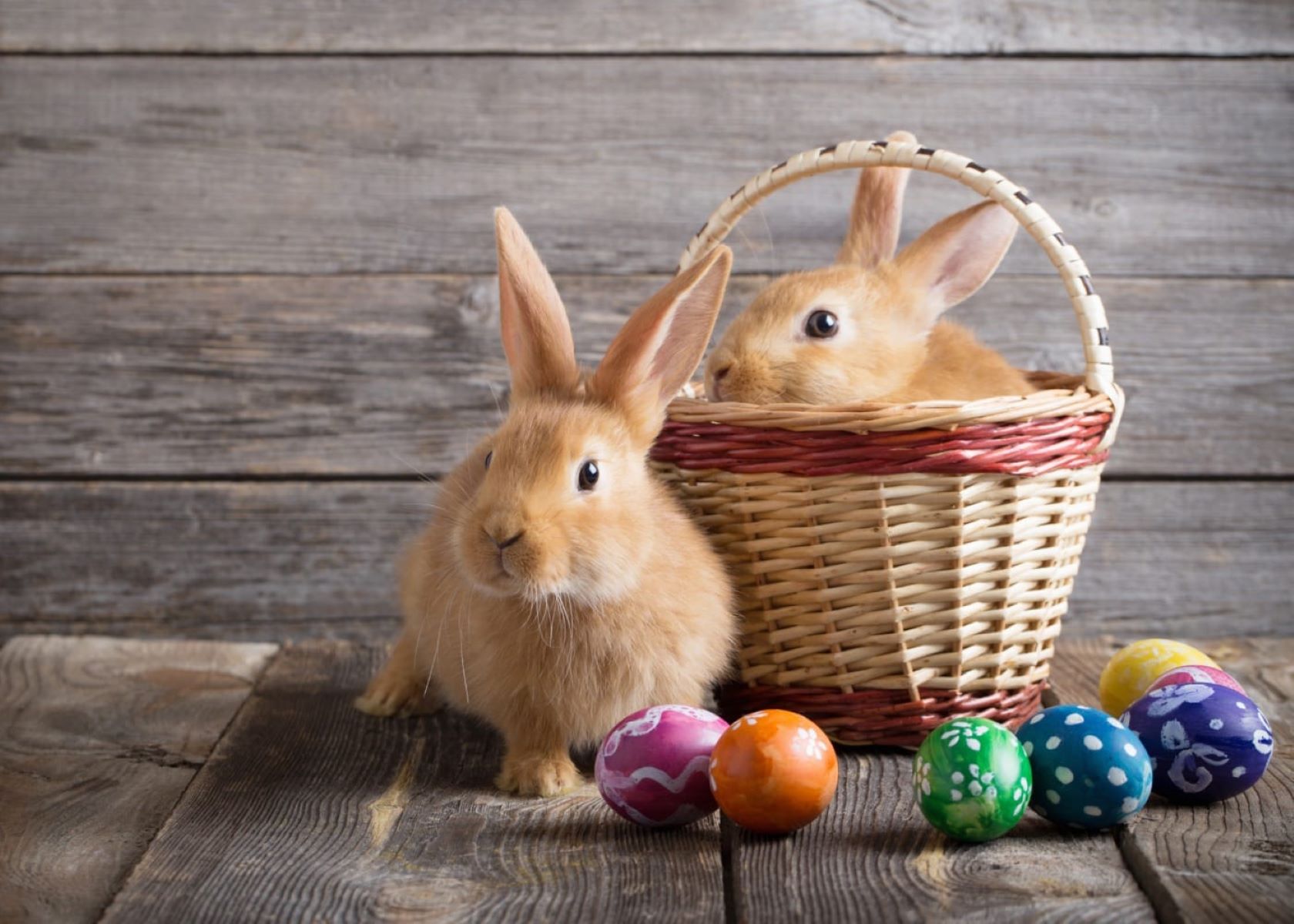
Easter eggs hold a special place in Russian Easter celebrations, carrying deep symbolic meaning.
- Red Eggs: Eggs are dyed red to symbolize the blood of Christ.
- Egg Tapping Game: A popular game where participants tap their eggs against each other, and the one with the uncracked egg is the winner.
The Greeting and Its Meaning
One of the most surprising facts about Easter in Russia is the tradition of greeting each other with "Khristos Voskrese!" which means "Christ is Risen!" and responding with "Voistinu Voskrese!" meaning "Indeed, He is Risen!" This exchange is a heartfelt way to share the joy of the resurrection. You will hear this greeting repeated throughout the day, not just in church but on the streets, in homes, and among friends and strangers alike.
Beyond the Basics
Easter in Russia is a deeply rooted tradition. Unlike many Western countries, Russian Easter, or Paskha, is celebrated with unique customs and rituals. The holiday marks the end of Great Lent, and the breaking of the fast is a major part of the celebration. Families often spend the entire night before Easter at church, and the day itself is reserved for large gatherings and festive meals. Many people also visit cemeteries to remember loved ones, a practice blending Christian and pre-Christian customs. For travelers, experiencing Easter in Russia offers a window into the country's spiritual heart. If you are looking for ways to experience the culture beyond the main sights, consider exploring some hidden gems in Russia during the holiday week, when many small towns host their own unique celebrations. The sense of community and spirituality is palpable, and the combination of ancient rituals, rich food, and warm hospitality makes it an unforgettable experience.
Related travel guides: Surprising Traditions Of Easter In Brazil and Things To Do In Russia.
