

Secrets Of Apo Island’s Coral Garden Research Stations
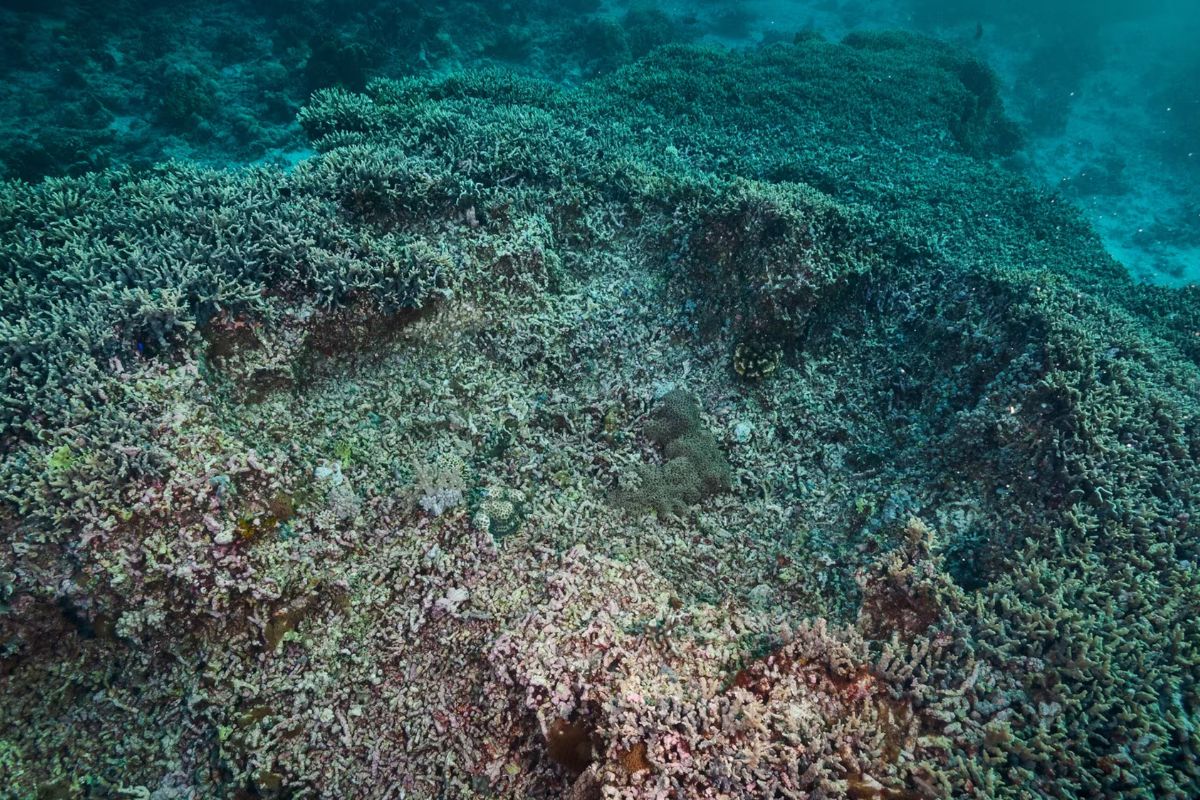
Have you ever wondered what makes Apo Island's coral gardens so special? This tiny island in the Philippines is home to some of the most vibrant and diverse marine life on the planet. Researchers flock to Apo Island's coral garden research stations to study its unique ecosystem. These stations play a crucial role in understanding coral health, fish populations, and the impact of climate change on marine environments. Visitors can snorkel or dive to witness the stunning underwater scenery firsthand. Whether you're a marine biologist or just a curious traveler, Apo Island offers a glimpse into the wonders of the ocean.
Secrets of Apo Island's Coral Garden Research Stations
Apo Island, a small volcanic island in the Philippines, is renowned for its vibrant coral gardens and marine biodiversity. Researchers and marine enthusiasts flock to this paradise to study and preserve its underwater wonders. Let's dive into some of the most fascinating research stations on Apo Island.
Marine Research Station Highlights
Apo Island's research stations are pivotal in understanding and conserving marine life. Each station offers unique insights into the island's rich underwater ecosystem.
Silliman University Marine Laboratory
- Located on the mainland, this lab supports research on Apo Island's marine life. Scientists here study coral health, fish populations, and the impacts of climate change on marine ecosystems.
Apo Island Marine Sanctuary
- This sanctuary is a protected area where researchers monitor coral reefs and marine species. It serves as a living laboratory for studying the effects of conservation efforts on biodiversity.
Apo Island Marine Reserve
- Established to protect the island's coral reefs, this reserve allows scientists to conduct long-term studies on reef resilience and recovery. It also provides data on the benefits of marine protected areas.
Unique Research Projects
The research stations on Apo Island host various projects that contribute to marine science. These projects help us understand the complexities of coral ecosystems and the challenges they face.
Coral Restoration Initiatives
- Researchers at Apo Island are involved in coral restoration projects, where damaged reefs are rehabilitated using coral fragments. These initiatives aim to restore reef health and increase biodiversity.
Fish Population Studies
- Scientists conduct surveys to monitor fish populations and their interactions with coral reefs. These studies provide valuable data on the health of fish communities and their role in the ecosystem.
Climate Change Impact Research
- Apo Island's research stations are at the forefront of studying the effects of climate change on coral reefs. Researchers analyze how rising sea temperatures and ocean acidification affect coral health and resilience.
Community Involvement in Research
Apo Island's research efforts are not limited to scientists. The local community plays a crucial role in conservation and research activities.
Community-Based Monitoring Programs
- Local residents are trained to monitor coral reefs and report changes in marine life. These programs empower the community to take an active role in preserving their natural resources.
Educational Outreach Initiatives
- Research stations collaborate with schools and community groups to raise awareness about marine conservation. Educational programs teach the importance of protecting coral reefs and sustainable fishing practices.
Eco-Tourism and Citizen Science
- Tourists visiting Apo Island can participate in citizen science projects, such as reef surveys and beach clean-ups. This involvement helps gather data and fosters a sense of responsibility towards marine conservation.
Technological Innovations in Marine Research
Modern technology plays a significant role in advancing marine research on Apo Island. Innovative tools and techniques enhance our understanding of coral ecosystems.
Underwater Drones and ROVs
- Researchers use underwater drones and remotely operated vehicles (ROVs) to explore and document coral reefs. These devices provide high-resolution images and videos, aiding in detailed analysis.
Satellite Imagery and GIS Mapping
- Satellite imagery and Geographic Information Systems (GIS) are used to map coral reefs and monitor changes over time. This technology helps identify areas in need of protection and restoration.
Genetic Research on Coral Species
- Genetic studies on coral species help researchers understand their adaptability to environmental changes. This research can inform conservation strategies and improve coral restoration efforts.
Apo Island's coral garden research stations are vital in preserving one of the world's most diverse marine ecosystems. Through innovative research, community involvement, and technological advancements, these stations contribute to the global effort to protect our oceans.
Protecting Apo Island's Future
Apo Island's coral gardens and research stations are crucial for marine life and scientific study. These vibrant ecosystems offer a glimpse into the underwater world, showcasing the importance of marine conservation. Researchers and visitors alike benefit from the island's commitment to preserving its natural beauty.
Supporting these efforts ensures that future generations can enjoy the same wonders. Simple actions like responsible tourism and supporting local conservation initiatives make a big difference. Every visit to Apo Island contributes to its ongoing protection.
By understanding and appreciating the island's unique environment, we can all play a part in its preservation. Apo Island's coral gardens are not just a natural wonder; they are a testament to what can be achieved through dedicated conservation efforts. Let's continue to support and protect this incredible marine sanctuary.
