

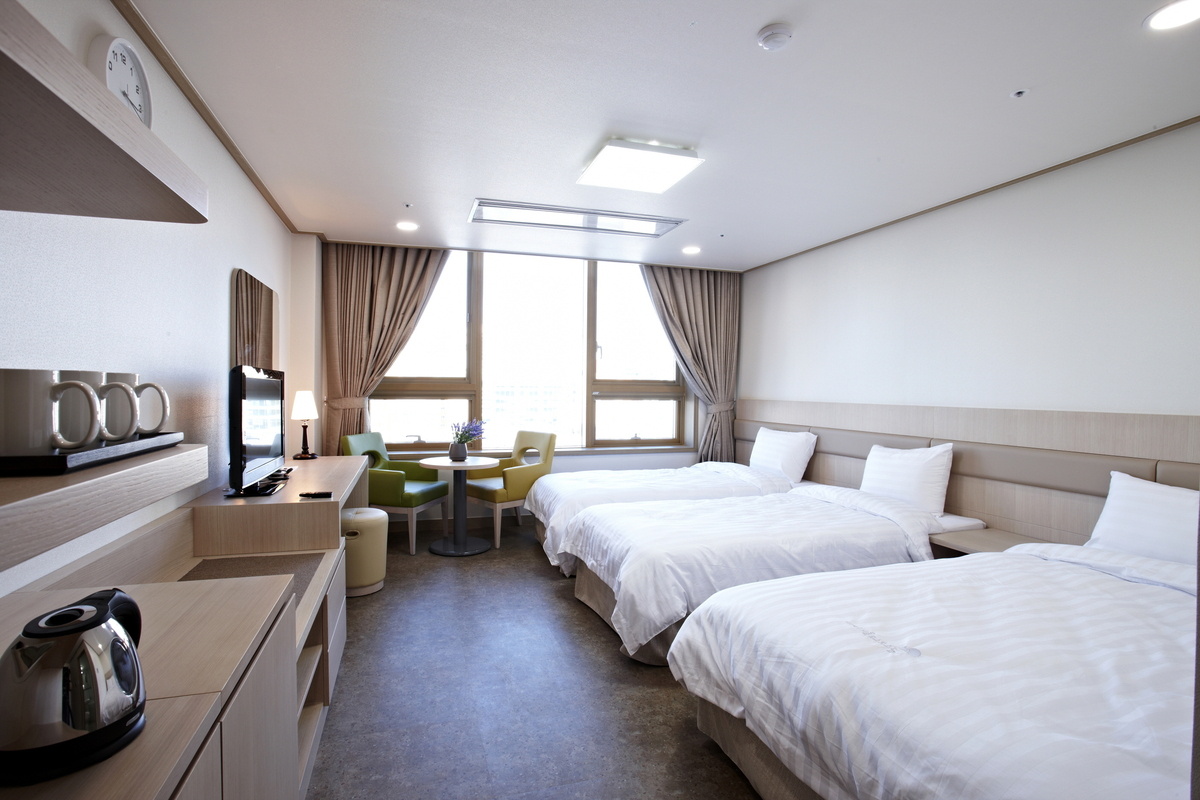
A Korea hostel is budget-friendly lodging with shared dorms, private rooms, and a strong community vibe. But unlike a standard hostel, it also doubles as a cultural hub, offering kimchi-making classes, Hanbok try-ons, and K-pop dance lessons to help you connect with local life. These hostels feature capsule-style beds, vibrant design blending tradition with modernity, and shared kitchens or lounges where travelers swap stories and plan trips—making them a social, affordable base for exploring hidden gems across the country.
Definition of a Korea Hostel
A Korea hostel is a type of accommodation offering affordable, sociable lodging. Unlike hotels or guesthouses with private rooms and limited communal spaces, hostels in Korea focus on a community atmosphere where guests can interact and share experiences.
Defining features include dormitory-style rooms with bunk beds or capsule-style beds, allowing multiple travelers to share a space. Many Korea hostels also offer private rooms for those wanting more privacy. Shared facilities such as bathrooms, common areas, lounges, kitchens, and sometimes laundry facilities provide opportunities to mingle, socialize, and cook meals.
Korea hostels often have a unique, vibrant design reflecting the country's modern aesthetic and culture. Interiors are thoughtfully designed to create a cozy ambiance, with comfortable seating, colorful decorations, and a blend of traditional and contemporary elements.
Another characteristic is the emphasis on cultural experiences. Many hostels organize activities, workshops, and tours to help guests learn about Korean traditions, arts, and customs. These can include kimchi making classes, Hanbok try-ons, K-pop dance lessons, and excursions to local attractions. For those planning their itinerary, these hostels can also help arrange visits to major sites, such as a guided tour to visit Korea's JSA & the DMZ tour.
In recent years, the concept has evolved to cater to various travelers. While some hostels still focus on the backpacker market, others accommodate families, groups, and business travelers. This diversification has led to hybrid hostels, where private rooms with ensuite bathrooms are available alongside dormitory accommodations. Overall, a Korea hostel is a hub of cultural exchange, a community of travelers, and an affordable yet enriching accommodation option.
History of Korea Hostels
The concept of hostels in Korea traces to the early 20th century, when rising international travel created demand for affordable lodging. These first hostels, called "yeoinsuk" (night shelter), offered temporary rest for travelers.
During the 1960s and 1970s, South Korea’s rapid economic development and growing tourism led to formalized youth hostels across the country. These catered mainly to local and international students, providing bunk beds, communal kitchens, and shared bathrooms.
In the 1990s, backpacking and budget travel surged, transforming the hostel industry. A new wave of hostels emerged, designed specifically for young travelers seeking affordable, social accommodations. These modern hostels emphasized communal atmosphere and cultural exchange, offering experiences beyond a bed.
Recognizing the industry’s potential, the Korean government introduced standards and regulations to ensure safety, cleanliness, and comfort nationwide.
Today, Korea hostels are a key part of the tourism infrastructure, serving backpackers, solo adventurers, families, and business travelers. The industry continues evolving: hostels now offer private rooms, ensuite bathrooms, on-site cafes, organized activities, and cultural experiences. This innovation has made them a popular choice for travelers seeking an authentic way to experience the country, whether they are planning things to do in Korea or looking for hidden gems in Korea.
Features and Facilities of Korea Hostels
Korea hostels are known for their unique features and a wide range of facilities that cater to the needs and preferences of different travelers. Here are some of the common features and facilities you can expect when staying at a Korea hostel:
Dormitory-style Rooms
One of the main features of Korea hostels is the dormitory-style rooms. These rooms typically have bunk beds or capsule-style beds, allowing multiple travelers to share the same space. It's a great way to meet fellow travelers and make new friends.
Private Rooms
In addition to dormitory rooms, many Korea hostels also offer private rooms for those who prefer more privacy. These rooms vary in size and amenities, offering a comfortable and quiet space for solo travelers, couples, or families.
Shared Facilities
Korea hostels have a variety of shared facilities that enhance the communal atmosphere and convenience for guests. Common areas, lounges, and communal kitchens are often available for guests to relax, socialize, and prepare their meals. Some hostels even have rooftop terraces or outdoor spaces for guests to enjoy.
Wi-Fi
Korea hostels understand the importance of staying connected, and most provide free Wi-Fi access throughout the premises. Whether you need to stay in touch with loved ones or plan your itinerary, reliable internet connectivity is readily available.
Laundry Facilities
Many hostels in Korea offer self-service laundry facilities, including washing machines and dryers, so guests can conveniently do their laundry during their stay. This is a valuable amenity, especially for long-term travelers or those on an extended trip.
Cafes and Bars
Some Korea hostels feature on-site cafes or bars, where guests can enjoy a cup of coffee or grab a drink in a cozy environment. These spaces often serve as an additional social hub, allowing travelers to unwind and mingle with fellow guests.
Organized Activities
Korea hostels are known for their organized activities that provide guests with unique cultural experiences. From traditional craft workshops to city tours and local excursions, these activities offer a deeper understanding of Korean culture and a chance to connect with the local community.
Security Measures
Most Korea hostels prioritize guest safety with 24-hour staffing, secure key card access systems, CCTV surveillance, and lockers or storage facilities for personal belongings. These features help protect your items while you explore, whether you're checking off things to do in Korea or discovering hidden gems in Korea.
Benefits of Staying in a Korea Hostel
Choosing to stay in a Korea hostel offers numerous benefits that enhance your travel experience and make your trip to South Korea even more memorable. Here are some of the key advantages of staying in a Korea hostel:
Affordability
One of the most significant advantages of staying in a Korea hostel is the cost-effectiveness. Hostels offer budget-friendly accommodation options compared to hotels or guesthouses, allowing you to allocate more of your travel budget towards experiences, activities, and exploring the country.
Community Atmosphere
Korea hostels are renowned for their community atmosphere, providing an excellent opportunity to meet fellow travelers from different parts of the world. Shared common areas, kitchens, and organized activities encourage interactions, cultural exchange, and the possibility of making lifelong friendships.
Local Insights
The staff at Korea hostels are often well-versed in the local culture, attractions, and hidden gems of the area. They can provide valuable insights, recommendations, and insider tips, allowing you to discover authentic experiences and explore off-the-beaten-path destinations that may not be mentioned in guidebooks.
Cultural Experiences
In addition to facilitating connections with other travelers, Korea hostels often organize cultural workshops, tours, and activities that allow you to immerse yourself in the local culture. From traditional craft sessions to language exchange programs, these experiences provide a deeper understanding and appreciation of Korean traditions.
Flexible Accommodation Options
Korea hostels offer a range of accommodation options to suit different needs and preferences. Whether you prefer the social atmosphere of a dormitory or the privacy of a private room, there are choices available that cater to solo travelers, couples, families, and groups.
Convenient Locations
Hostels in Korea are often strategically located in city centers or popular tourist areas, making it convenient for you to access public transportation, landmarks, restaurants, and entertainment venues. This proximity allows you to optimize your time and easily explore the attractions the city has to offer.
Affiliated Services
Many Korea hostels have partnerships with local tour operators, transportation services, or activity providers. This lets you book tours or transport directly through the hostel, which can simplify logistics. For example, if you are planning to visit Korea's JSA & the DMZ tour, the hostel front desk may arrange the necessary permits and pick-up times. Similarly, if you are researching things to do in Korea, the affiliated service desk can recommend and book popular activities like a cooking class or a day hike. Booking through the hostel often secures a small discount or a guaranteed spot, saving you time during your stay.
Tips for Choosing a Korea Hostel
With the abundance of Korea hostels available, it's essential to choose the right one that suits your preferences, budget, and travel needs. Here are some valuable tips to consider when selecting a Korea hostel:
Location
Consider the location of the hostel and its proximity to the attractions or areas you plan to visit. A centrally located hostel or one near public transportation can save you time and convenience in commuting to popular landmarks, restaurants, and nightlife.
Reviews and Ratings
Before booking a hostel, read reviews and check ratings from previous guests. Websites like TripAdvisor or booking platforms provide valuable insights into the cleanliness, service quality, and overall experience of staying at a specific hostel. Pay attention to recent reviews for the most up-to-date information.
Amenities and Facilities
Identify the specific amenities and facilities that are important to you. Are you looking for a hostel with a communal kitchen, laundry services, or an on-site cafe? Consider your preferences for common areas, Wi-Fi accessibility, and other facilities that will enhance your stay.
Room Types
Determine whether you prefer a dormitory-style room or a private room. If you're traveling solo and looking to meet new people, a dormitory may be a great option. However, if privacy is a priority, choose a hostel that offers private rooms with ensuite bathrooms.
Price and Value
Consider your budget and the value you expect to receive for the price. Compare prices of different hostels to find one that offers a good balance between affordability and the amenities and services provided. Take into account any additional fees like deposits or tourist taxes.
Hostel Vibe
Every hostel has its own unique atmosphere and vibe. Some are known for their party atmosphere and social events, while others focus on creating a more relaxed and quiet environment. Determine what kind of atmosphere you're seeking and choose a hostel that aligns with your preferences.
Additional Services
Consider any additional services or perks that the hostel offers. Some hostels may provide free breakfast, organized tours, or discounts on local attractions. These extras can contribute to a more enjoyable and convenient stay.
Safety Measures
Check the hostel’s safety measures: secure key card access, CCTV surveillance, and lockers to store valuables. Ensure the hostel maintains a safe environment for all guests. These checks help you select a Korea hostel that meets your requirements and enhances your travel experience.
Popular Korea Hostels in Different Cities
South Korea is home to a plethora of top-rated hostels in various cities, providing travelers with unique experiences and comfortable accommodations. Here are some popular Korea hostels in different cities:
Seoul: Kimchee Guesthouse
Kimchee Guesthouse is a hostel chain with branches in Hongdae, Gangnam, and Myeongdong. It offers dormitory and private rooms, plus a spacious common area and fully equipped kitchens. The hostel organizes events for guests to socialize, making it easy to meet fellow travelers. If you're looking for things to do in Korea, the staff can often point you toward local activities. For those planning a longer trip, check how long can i stay in Korea as a tourist to ensure your visa covers your visit.
Busan: Pobi Guesthouse
Pobi Guesthouse, located in the vibrant city of Busan, attracts travelers with its cozy atmosphere and friendly staff. Situated near popular attractions like Haeundae Beach and Gwangalli Beach, Pobi offers a choice of private and dormitory-style rooms. The hostel features a communal kitchen, rooftop terrace, and regular activities such as movie nights and food tours.
Gyeongju: Guesthouse Ohmok
Gyeongju, a city rich in history and cultural heritage, is home to Guesthouse Ohmok. This hostel provides a traditional Korean ambiance with hanok-style buildings. Guests choose between dormitory and private rooms, all featuring traditional Ondol heated flooring. The hostel offers a courtyard, communal kitchen, and bike rentals for exploring the historic sites of Gyeongju. It is a convenient base for discovering South travel highlights in Korea such as the ancient capital’s temples and tombs. For a deeper dive into the region, ask the owners about hidden gems in Korea off the main tourist path.
Jeju Island: Backpacker's Home Seongsan
Backpacker's Home Seongsan sits on Jeju Island near Seongsan Ilchulbong Peak, a UNESCO World Heritage site known for sunrise views. The hostel offers dormitory and private rooms, a communal kitchen, and outdoor barbecue facilities. Guests can join organized hiking tours or rent bikes to explore the island. For those planning a longer trip, it’s worth checking how long can I stay in Korea as a tourist to align your itinerary. The hostel’s location also makes it easy to reach other South travel highlights in Korea, including coastal trails and volcanic craters.
Incheon: Mini Residence Incheon
Mini Residence Incheon is a popular choice for affordable accommodation near Incheon International Airport. The hostel offers comfortable private rooms with ensuite bathrooms, making it convenient for early morning or late-night flights. It provides shuttle services to the airport and amenities such as a shared kitchen and laundry facilities.
These are just a few examples of the many popular Korea hostels available in different cities. Whether you're exploring the bustling streets of Seoul or the historical sites of Gyeongju, you'll find a wide selection of hostels catering to your needs and providing a memorable stay in South Korea.
Cultural Experiences at Korea Hostels
Staying at a Korea hostel offers more than just a place to sleep – it provides a unique opportunity to immerse yourself in the local culture and participate in various cultural experiences. Here are some of the cultural encounters you can expect at Korea hostels:
Traditional Craft Workshops
Many Korea hostels organize traditional craft workshops where you can learn skills like making kimchi, creating Korean pottery, or trying your hand at calligraphy. These hands-on experiences provide a deeper understanding of Korean culture and allow you to take home a unique souvenir.
Hanbok Try-Ons
Hostels in Korea often offer the chance to try on hanbok, the traditional Korean attire. You can dress up in the beautiful hanbok dresses and robes, complete with accessories, and take memorable photos. It's a fantastic way to experience the elegance and charm of Korean traditional clothing.
K-Pop Dance Lessons
For the K-Pop enthusiasts, some hostels offer dance lessons where you can learn popular K-Pop routines from professional instructors. Whether you're a beginner or a seasoned dancer, these sessions are a fun way to embrace the K-pop culture and show off your moves.
Language Exchange Programs
Many hostels organize language exchange programs, allowing travelers to practice their Korean language skills with native speakers. It's an excellent opportunity to learn basic phrases, improve pronunciation, and engage in conversations with locals, fostering cultural understanding and communication.
Eating in Local Restaurants
Hostels often organize group outings to local restaurants, where guests can indulge in authentic Korean cuisine. These meals not only introduce you to the diverse flavors of Korean food but also provide an opportunity to bond with fellow travelers and exchange culinary recommendations.
Traditional Music Performances
Some hostels arrange traditional music performances, featuring instruments like the gayageum (a traditional string instrument) or pansori (a form of narrative singing). These live performances showcase the beauty and grace of Korean traditional music, transporting you to a different era.
Cultural Tours
Hostels arrange cultural tours to landmarks and historical sites in the city or nearby areas. These tours offer insights into the country’s history, architecture, and traditions. Participating in these experiences—through hands-on workshops, language exchange programs, or immersive tours—provides a chance to connect with local culture and learn new skills. For example, you can book a tour to visit Korea's JSA & the DMZ tour directly through your hostel. Whether exploring ancient temples or joining a guided walk, these activities add depth to your stay in South Korea.
Safety Measures at Korea Hostels
Ensuring the safety and security of guests is a top priority for Korea hostels. These establishments implement various measures to create a secure and comfortable environment for travelers. Here are some of the safety measures you can expect at Korea hostels:
24-Hour Staffing
Korea hostels typically have 24-hour staffing, ensuring that there is always someone available to assist guests and handle any emergencies that may arise. The staff members are trained to address guests' concerns, provide information, and maintain a safe and welcoming atmosphere.
Secure Key Card Access
Many hostels use secure key card access systems to ensure only guests and authorized personnel can enter the premises, providing an extra layer of security. This prevents unauthorized individuals from entering the hostel, maintaining the safety of guests and their belongings.
CCTV Surveillance
Korea hostels often have closed-circuit television (CCTV) cameras strategically placed in common areas and entrance points. These cameras help monitor the premises and deter potential security threats, ensuring the safety of guests and promoting a secure environment.
Lockers or Storage Facilities
To protect personal belongings and valuables, many hostels provide lockers or storage facilities where guests can securely store their items. These lockers are typically available in dormitory rooms and common areas, allowing guests to have peace of mind about the safety of their belongings.
Emergency Exit & Fire Safety Measures
Korea hostels adhere to strict fire safety regulations, including having clear emergency exit routes, fire extinguishers, smoke detectors, and fire alarms installed throughout the premises. Regular inspections and maintenance ensure these safety measures are in proper working condition.
First Aid Kits
Hostels maintain first aid kits on-site to provide immediate assistance in case of minor injuries or medical emergencies. The staff is often trained in basic first aid, ensuring that guests receive prompt and appropriate assistance when needed.
Security Tips and Guidelines
Hostels often provide guests with local safety briefings, transportation advice, and recommended precautions. These guidelines help ensure responsible behavior during your stay. Many hostels also offer lockers or secure storage for valuables.
For a deeper dive into the country’s unique attractions, be sure to check out our guide on hidden gems in Korea. Following these measures creates a secure environment, allowing you to relax and focus on exploring everything South Korea has to offer.
Conclusion
Korea hostels offer an incredible opportunity to experience South Korea in a unique and budget-friendly way. They provide more than just a place to sleep – they foster a sense of community, facilitate cultural exchange, and create memorable experiences for travelers from all around the world.
From the bustling streets of Seoul to the mesmerizing landscapes of Jeju Island, there are numerous popular hostels in different cities across South Korea. Whether you choose a dormitory-style room or prefer the privacy of a private room, the options allow you to tailor your accommodation to your needs.
One of the significant benefits is the opportunity to connect with fellow travelers and make new friends. The communal spaces, regular activities, and organized cultural experiences create a vibrant and social atmosphere that encourages interactions and cultural exchange.
Korea hostels also provide a gateway to explore local culture. Through traditional craft workshops, hanbok try-ons, and language exchange programs, guests can immerse themselves in Korea's rich traditions. Additionally, safety measures including 24-hour staffing and secure access systems ensure a comfortable and secure environment for all guests.
Whether you're a budget-conscious adventurer, a solo traveler seeking connections, or someone looking to dive deep into Korean culture, staying in a Korea hostel offers a unique and enriching experience. These hostels go beyond just a place to stay; they become a home away from home, providing opportunities to create lasting memories and forge new friendships.
So, choose a Korea hostel that suits your preferences, embark on a journey of cultural exploration, and discover the wonders that await you in South Korea. While there, consider which souvenir to buy in Korea to remember your trip, and if time allows, book a visit to Korea's JSA & the DMZ tour for a deeper understanding of the peninsula.
