Part of our Cambodia guide.
For a nature-focused escape, stay at Jasmine Valley Jungle Eco-Resort in Kep; for a business venture, consider how to start a hostel in Cambodia. This page gathers two guides from our Cambodia coverage.
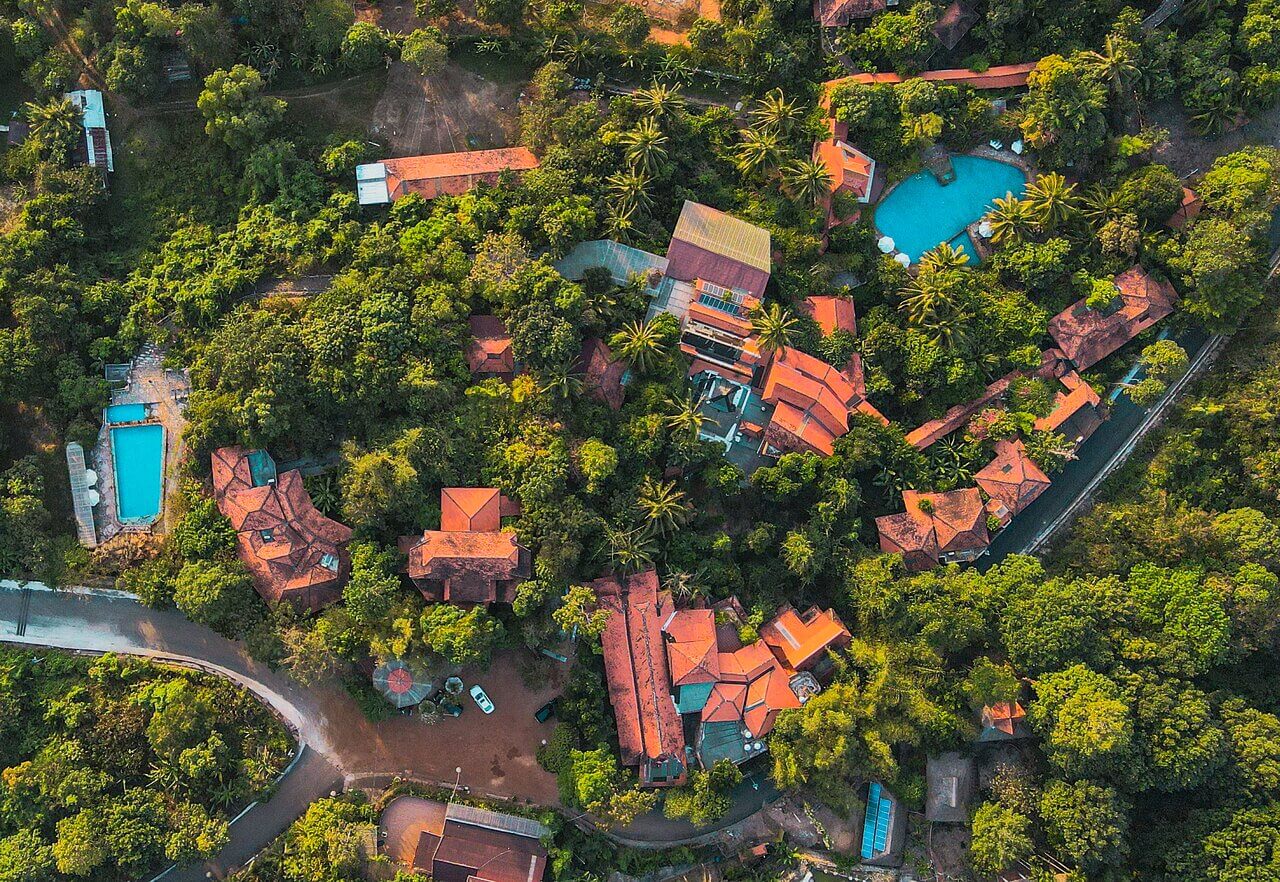
Jasmine Valley Jungle Eco-Resort In Kep, Cambodia
This eco-friendly resort is set in a secluded valley surrounded by lush greenery. It implements various eco-friendly practices, including solar power, organic gardens, and rainwater harvesting. Guests can explore hidden gems in Cambodia from this base, with the coastal town of Kep known for its crab market and nearby national park.
How To Start A Hostel In Cambodia
Starting a hostel in Cambodia can be an opportunity given the steady growth of tourism and high demand for affordable accommodation. Key steps include researching local regulations, securing a lease in a tourist hub like Siem Reap or Phnom Penh, and designing a budget-friendly space. Many travelers use hostels as a base to visit the Phnom Penh Killing fields or to follow itineraries for Cambodia that include Angkor Wat. Getting around Cambodia is straightforward with buses, tuk-tuks, and domestic flights connecting major destinations.
When choosing a location, consider proximity to attractions: Siem Reap offers access to Angkor temples and things to do in Siem Reap, Cambodia, while Phnom Penh provides cultural sites and riverfront nightlife. Kep and Kampot appeal to travelers seeking quieter coastal stays. A hostel in Cambodia typically costs $5–$15 per night for a dorm bed, with private rooms ranging from $15–$40. Permits require a tourism license from the Ministry of Tourism, a business registration, and a fire safety certificate. Marketing through online platforms like Hostelworld and Booking.com is essential, as is building a reputation for cleanliness and friendly service.
For eco-conscious operators, incorporating sustainable practices—such as reducing plastic use, sourcing local food, and offering recycling bins—can attract environmentally aware travelers. Staff should be trained in basic English and local knowledge to assist guests with destinations in Cambodia beyond the main tourist trail. The dry season (November to April) sees the highest occupancy, so plan for lower revenue during the rainy months. With careful planning, a hostel in Cambodia can become a profitable venture in one of Southeast Asia’s most welcoming countries.