

Hidden Gems Of Bhutan’s Organic Farming Initiative
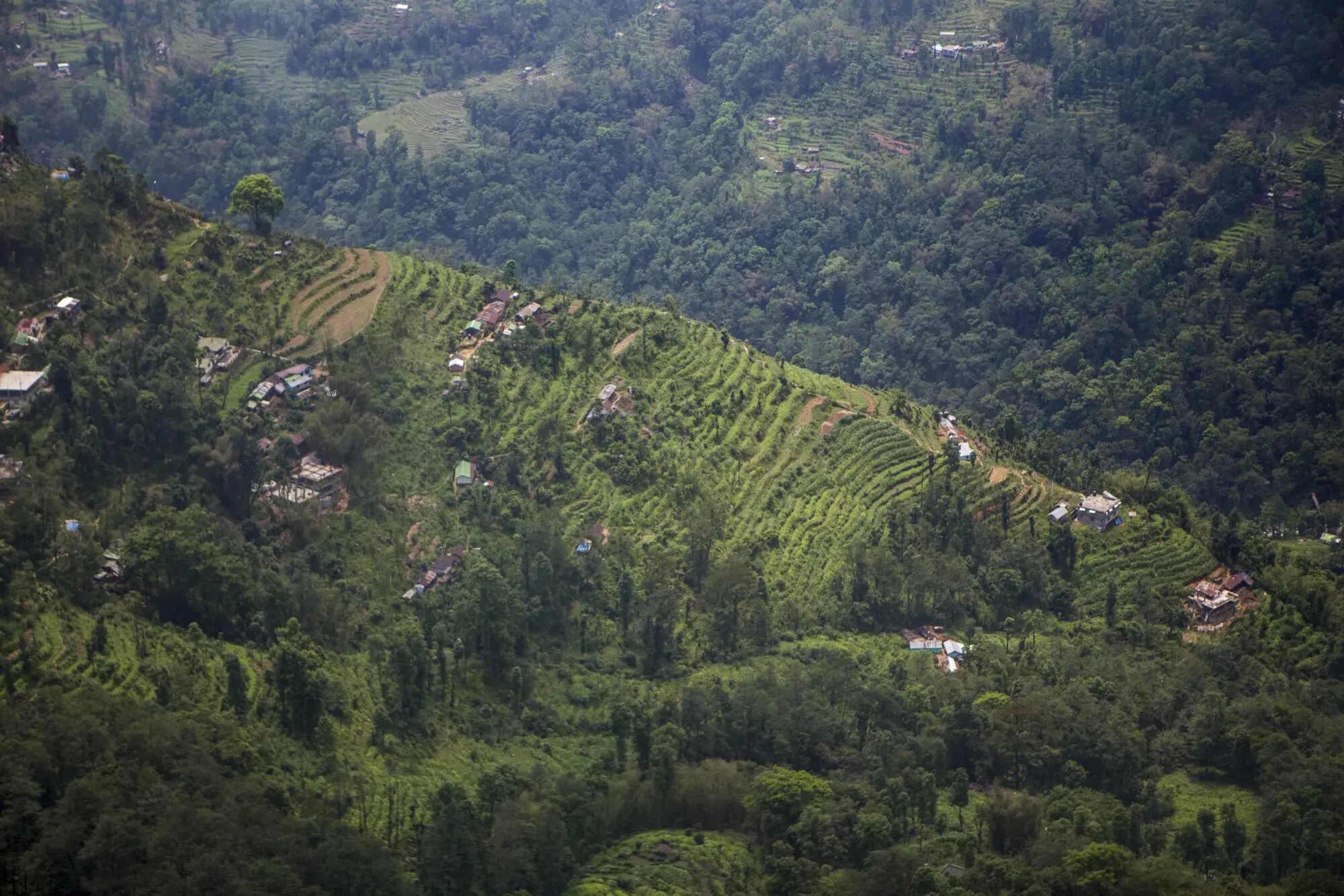
Have you ever wondered what makes Bhutan so special? This small Himalayan kingdom is not just famous for its stunning landscapes and rich culture. Bhutan is also a global leader in organic farming. The country has committed to becoming the first 100% organic nation. This means no synthetic fertilizers or pesticides are used in farming. Instead, farmers rely on traditional methods and natural alternatives. This approach helps protect the environment and ensures healthier food for everyone. Curious about how Bhutan is achieving this? Let's take a closer look at the hidden gems of Bhutan's organic farming initiative.
Bhutan's Organic Farming Initiative: A Green Revolution
Bhutan, a small Himalayan kingdom, has taken a bold step towards sustainability by committing to 100% organic farming. This initiative not only preserves the environment but also promotes healthier lifestyles. Let's explore some hidden gems of Bhutan's organic farming landscape.
1. Paro Valley: The Heart of Organic Farming
Paro Valley is known for its stunning landscapes and rich cultural heritage. It's also a hub for organic farming, where traditional methods meet modern sustainability practices.
- Rice Terraces: The valley's terraced fields produce organic red rice, a staple in Bhutanese cuisine.
- Apple Orchards: Paro's organic apples are famous for their crisp texture and sweet flavor.
- Vegetable Gardens: Local farmers grow a variety of organic vegetables, including potatoes, carrots, and spinach.
2. Punakha: The Fertile Land of Organic Produce
Punakha, with its fertile soil and favorable climate, is another key player in Bhutan's organic farming movement. This region is a treasure trove of organic produce.
- Chili Fields: Punakha's organic chilies are a vital ingredient in Bhutanese dishes.
- Mustard Plantations: The area is known for its organic mustard seeds, used to make traditional mustard oil.
- Fruit Orchards: Farmers grow organic oranges, bananas, and guavas, contributing to the local economy.
3. Haa Valley: A Hidden Organic Paradise
Haa Valley, often overlooked by tourists, is a hidden gem in Bhutan's organic farming initiative. The valley's pristine environment supports a variety of organic crops.
- Buckwheat Fields: Haa Valley's organic buckwheat is used to make traditional dishes like buckwheat noodles and pancakes.
- Dairy Farms: The valley's organic dairy farms produce milk, cheese, and butter without synthetic additives.
- Herb Gardens: Local farmers cultivate organic herbs like mint, basil, and coriander.
4. Bumthang: The Spiritual Heartland of Organic Farming
Bumthang, known for its spiritual significance, is also a leader in organic farming. The region's commitment to sustainability is evident in its diverse organic produce.
- Honey Production: Bumthang's organic honey is prized for its purity and unique flavor.
- Barley Fields: Organic barley from Bumthang is used in traditional brewing and baking.
- Mushroom Farms: The area is famous for its organic mushrooms, including shiitake and oyster varieties.
5. Thimphu: The Capital's Organic Markets
Thimphu, Bhutan's bustling capital, is home to vibrant organic markets where farmers sell their produce directly to consumers.
- Weekend Market: Thimphu's weekend market offers a wide range of organic fruits, vegetables, and grains.
- Organic Cafes: The city boasts several cafes that serve dishes made from locally sourced organic ingredients.
- Community Gardens: Urban farming initiatives in Thimphu promote organic gardening among residents.
6. Phobjikha Valley: A Haven for Organic Potatoes
Phobjikha Valley, known for its scenic beauty and black-necked cranes, is also a haven for organic potato farming.
- Potato Fields: The valley's organic potatoes are renowned for their taste and quality.
- Wild Edibles: Local foragers gather wild organic edibles like ferns and mushrooms.
- Community Farming: Farmers in Phobjikha practice community farming, sharing resources and knowledge.
7. Samdrup Jongkhar: The Eastern Organic Frontier
Samdrup Jongkhar, located in eastern Bhutan, is making strides in organic farming with its diverse agricultural practices.
- Tea Gardens: The region's organic tea gardens produce high-quality green and black teas.
- Spice Plantations: Organic spices like cardamom and ginger thrive in Samdrup Jongkhar's climate.
- Rice Paddies: Farmers cultivate organic rice varieties, contributing to Bhutan's food security.
8. Lhuntse: The Remote Organic Sanctuary
Lhuntse, a remote district in northeastern Bhutan, is an organic sanctuary with its untouched landscapes and traditional farming methods.
- Millet Fields: Organic millet from Lhuntse is used in traditional Bhutanese dishes.
- Silk Farms: The district's organic silk farms produce high-quality silk for weaving.
- Medicinal Plants: Farmers grow organic medicinal plants used in traditional Bhutanese medicine.
Bhutan's Organic Farming: A Model for the Future
Bhutan's commitment to organic farming is more than just a trend. It represents a sustainable future. By focusing on natural farming methods, Bhutan not only protects its environment but also ensures the health of its people. This initiative has turned the country into a leader in sustainable agriculture. Tourists visiting Bhutan can see firsthand the benefits of these practices. From lush green fields to fresh, organic produce, the impact is clear. Bhutan's approach offers valuable lessons for other nations looking to adopt more eco-friendly farming techniques. Supporting local farmers and preserving biodiversity are key components of this success. Bhutan's organic farming initiative is a shining example of how dedication to sustainability can lead to a healthier, more prosperous future for all.
