

Hidden Roman Gladiator Training Sites In Tunisia’s El Jem
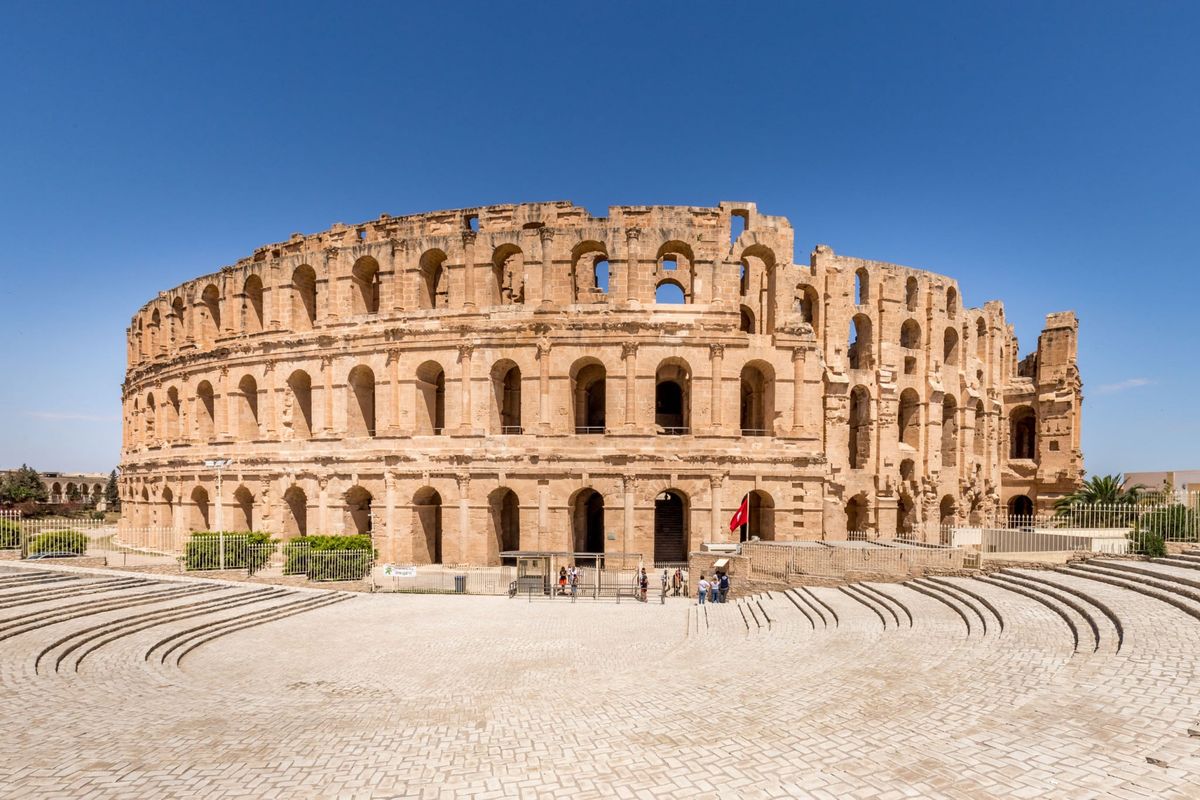
Have you ever wondered where Roman gladiators trained? Tunisia's El Jem holds some secrets. Known for its massive amphitheater, El Jem also hides Roman gladiator training sites. These sites offer a glimpse into the rigorous life of ancient warriors. Imagine walking through the same corridors where gladiators once prepared for combat. The training grounds, though less famous than the amphitheater, are equally fascinating. They reveal the discipline and skills required to survive in the arena. Visiting these sites adds depth to your understanding of Roman history. Ready to step back in time and explore these hidden gems?
Discovering El Jem's Gladiator Training Sites
El Jem, a small town in Tunisia, hides a fascinating secret. Known for its grand amphitheater, El Jem also boasts several hidden gladiator training sites. These places offer a glimpse into the rigorous training and lifestyle of ancient Roman gladiators. Let's uncover these hidden gems.
1. The Amphitheater of El Jem
The Amphitheater of El Jem is the most famous landmark in the town. Built in the 3rd century AD, this colossal structure could hold up to 35,000 spectators. While it’s known for its grandiose gladiatorial games, it also served as a training ground for gladiators.
- Training Arenas: Beneath the amphitheater, there are underground passages and chambers where gladiators trained. These areas were equipped with various training tools and weapons.
- Living Quarters: Gladiators lived in small rooms within the amphitheater, allowing them to train and rest in the same location.
2. The Gladiator School (Ludus)
Not far from the amphitheater, the Ludus was a dedicated training school for gladiators. This facility was designed to prepare fighters for the brutal battles they would face in the arena.
- Training Grounds: The Ludus featured open spaces where gladiators practiced combat techniques. Trainers, often retired gladiators, supervised these sessions.
- Diet and Nutrition: The school provided a strict diet to ensure gladiators were in peak physical condition. Meals were rich in protein and carbohydrates to build strength and endurance.
3. The Gladiator Barracks
The Gladiator Barracks, located near the Ludus, housed the fighters. These barracks were more than just living quarters; they were a place where camaraderie and rivalry thrived.
- Communal Living: Gladiators shared rooms, fostering a sense of brotherhood. However, competition was fierce, as each fighter aimed to be the best.
- Training Regimen: Daily routines included intense physical training, weapon practice, and mock battles. This rigorous schedule prepared them for the life-or-death struggles in the arena.
4. The Training Grounds Outside the City
Beyond the city walls, there were open fields where gladiators trained. These areas provided ample space for large-scale drills and mock battles.
- Outdoor Drills: Gladiators practiced formations and strategies in these fields. Trainers simulated real combat scenarios to test their skills.
- Endurance Training: Running, jumping, and other endurance exercises were common. These activities built stamina, crucial for surviving long battles.
5. The Gladiator Baths
After a grueling day of training, gladiators needed a place to relax and recover. The Gladiator Baths, located near the amphitheater, offered just that.
- Thermal Baths: These baths featured hot and cold pools to soothe sore muscles. Gladiators used them to recover and prepare for the next day’s training.
- Social Hub: The baths were also a social gathering spot. Gladiators exchanged stories, strategies, and formed bonds that would help them in the arena.
6. The Armory
The Armory was a vital part of the gladiator training infrastructure. Located near the Ludus, it stored weapons and armor used for training and combat.
- Weapon Storage: Swords, shields, tridents, and other weapons were kept here. Gladiators trained with these tools to master their use.
- Armor Maintenance: Armor was regularly inspected and repaired. Proper maintenance ensured gladiators were well-protected during fights.
7. The Gladiator Cemetery
Not all gladiators survived their brutal training and battles. The Gladiator Cemetery, located on the outskirts of El Jem, is a somber reminder of the dangers they faced.
- Final Resting Place: Fallen gladiators were buried here. Tombstones often bore inscriptions detailing their achievements and battles.
- Memorials: Some graves had small memorials, erected by fellow gladiators or fans. These honored the bravery and skill of the deceased fighters.
Discovering El Jem's Hidden Gems
El Jem's hidden Roman gladiator training sites offer a unique glimpse into ancient history. These sites, often overshadowed by the grand amphitheater, reveal the rigorous training and daily lives of gladiators. Walking through these ancient grounds, you can almost hear the echoes of past battles and feel the weight of history. Visiting El Jem isn't just about seeing ruins; it's about connecting with a time when gladiators trained for survival and glory. Exploring these lesser-known spots enriches your understanding of Roman culture and the significance of gladiatorial games. Next time you're in Tunisia, make sure to venture beyond the amphitheater and uncover the hidden gems of El Jem. This journey through history will leave you with a deeper appreciation for the ancient world and its enduring legacy.
