

Hidden Phoenician Alphabet Sites In Tunisia’s Utica Ruins
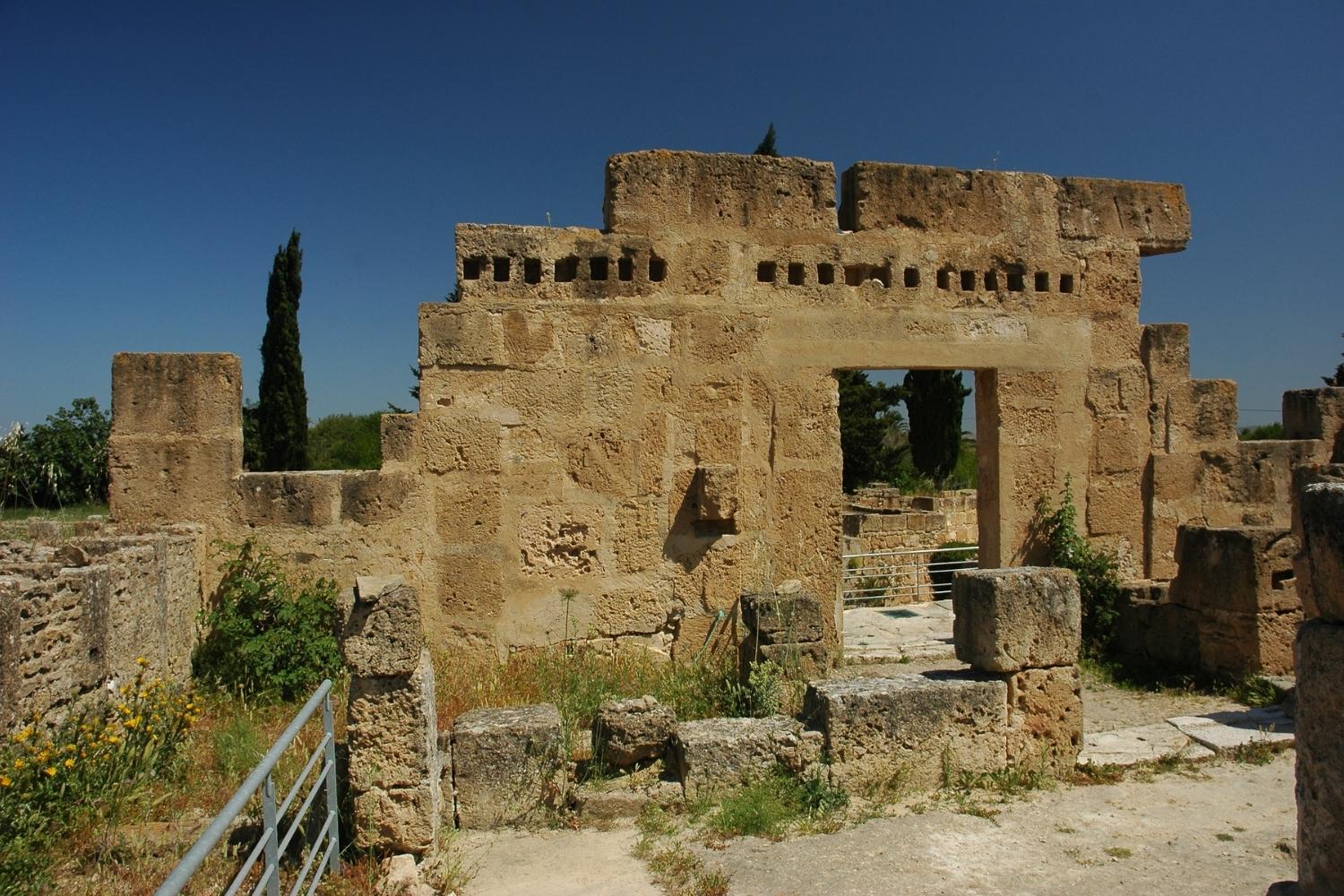
Have you ever wondered where you can find traces of ancient civilizations? Tunisia's Utica ruins hold secrets of the Phoenician alphabet that date back thousands of years. These ruins, located near the Mediterranean coast, offer a glimpse into the past with their well-preserved structures and artifacts. Walking through the site, you can almost hear the whispers of history as you explore the remnants of this once-thriving city. From ancient inscriptions to old pottery, every corner of Utica tells a story. Ready to step back in time and uncover the mysteries of the Phoenicians? Let's dive into the hidden treasures of Tunisia's Utica ruins.
Hidden Phoenician Alphabet Sites in Tunisia's Utica Ruins
Utica, one of the oldest Phoenician settlements in North Africa, holds many secrets. Among these are sites where the ancient Phoenician alphabet can still be found. Let's take a journey through these hidden gems.
Ancient Marketplaces
The bustling marketplaces of ancient Utica were more than just places of trade. They were hubs of communication where the Phoenician alphabet played a crucial role.
Agora: The central public space in ancient Greek cities, the Agora in Utica was a place where traders and locals exchanged goods and ideas. Look closely at the stone walls and you might find inscriptions in the Phoenician script.
Bazaar Stalls: These stalls were the lifeblood of Utica's economy. Some of the stones used in their construction bear ancient Phoenician letters, offering a glimpse into the past.
Temples and Shrines
Religion was central to Phoenician life. Temples and shrines often featured inscriptions that have survived the test of time.
Temple of Baal: Dedicated to the god Baal, this temple has several stone tablets with Phoenician inscriptions. These writings provide insight into the religious practices of the time.
Astarte Shrine: A smaller, yet equally significant site, the Astarte Shrine contains carvings that include the Phoenician alphabet. These carvings are thought to be prayers or offerings to the goddess Astarte.
Residential Areas
The homes of ancient Utica's residents also hold clues to the past. Many houses have inscriptions that tell stories of the people who lived there.
Merchant's House: This well-preserved house belonged to a wealthy merchant. The walls are adorned with Phoenician script, likely detailing business transactions or family histories.
Commoner's Dwelling: Even the homes of ordinary citizens have stories to tell. Simple carvings in the Phoenician alphabet can be found on the doorways and walls, offering a snapshot of daily life.
Public Buildings
Public buildings were essential to the functioning of Utica. These structures often featured inscriptions that have survived for centuries.
City Hall: The administrative heart of Utica, City Hall has several stone tablets with Phoenician inscriptions. These writings likely pertain to laws, decrees, or important civic information.
Library: Though much of it is in ruins, the ancient library of Utica once housed countless scrolls. Some of the remaining stones have Phoenician letters carved into them, hinting at the wealth of knowledge that was once stored here.
Burial Sites
Even in death, the Phoenicians left their mark. Burial sites often contain inscriptions that provide valuable historical information.
Royal Tombs: The tombs of Utica's elite are adorned with elaborate carvings, including the Phoenician alphabet. These inscriptions often include the names and titles of the deceased.
Common Graves: Even the graves of ordinary citizens have inscriptions. These simple carvings often include the names of the deceased and short messages from loved ones.
Discovering Ancient Wonders
Exploring the Phoenician alphabet sites in Tunisia's Utica ruins offers a unique glimpse into ancient history. These ruins, rich in cultural heritage, reveal the innovative spirit of the Phoenicians. Walking through these sites, you can almost hear the whispers of the past, telling stories of trade, conquest, and daily life.
Visiting Utica isn't just about seeing old stones; it's about connecting with a civilization that shaped the Mediterranean world. The Phoenician inscriptions found here are a testament to their advanced writing system, which influenced many cultures.
For history buffs and curious travelers alike, Utica provides an unforgettable experience. The blend of archaeological treasures and natural beauty makes it a must-see destination. So, pack your bags, grab your camera, and get ready to step back in time.
