

Part of our South Africa guide.
2 places and guides from our South Africa coverage, gathered into one page.
Related travel guides: Where To Eat In South Africa.
Your Perfect Guide To Visit South Africa While Staying On Budget
A daily budget for a budget traveller in 2023 could be as low as R500–R800 (about $30–$45) for accommodation, meals, and local transport, while a mid-range traveller might spend R1,500–R2,500 ($85–$140) per day.
Accommodation ranges from R200–R500 per night for a dorm bed in a hostel to R800–R1,500 for a mid-range hotel or guesthouse. Self-catering apartments in cities like Cape Town or Johannesburg cost around R600–R1,200 per night. A meal at a casual restaurant costs R80–R150, and a supermarket sandwich or street food can be under R50. Local beer is about R25–R40, and a cappuccino around R30.
Public transport is cheap: a minibus taxi ride within a city costs R10–R20, and a long-distance bus between major cities (e.g., Cape Town to Johannesburg) runs R400–R800. Renting a small car is about R300–R500 per day, plus fuel at roughly R25 per litre (2023 prices).
Entrance fees for national parks like Kruger are R110–R220 per adult per day for South African residents, and R460–R550 for international visitors. Many museums in Cape Town cost R50–R100. A day trip to the Cape of Good Hope (including park entry) is about R100–R150 per person. A guided township tour, such as one exploring township life: meet Alexandra, South Africa, costs around R300–R600 per person.
For South African travel experiences like a cable-car ride up Table Mountain, a return ticket is R400–R500 per adult. A wine-tasting tour in Stellenbosch or Franschhoek costs R200–R500, including several tastings. Whale-watching in Hermanus (season: June–November) is about R800–R1,200 per person for a boat trip.
Epic Guide To Visit A South Africa Safari On A Budget
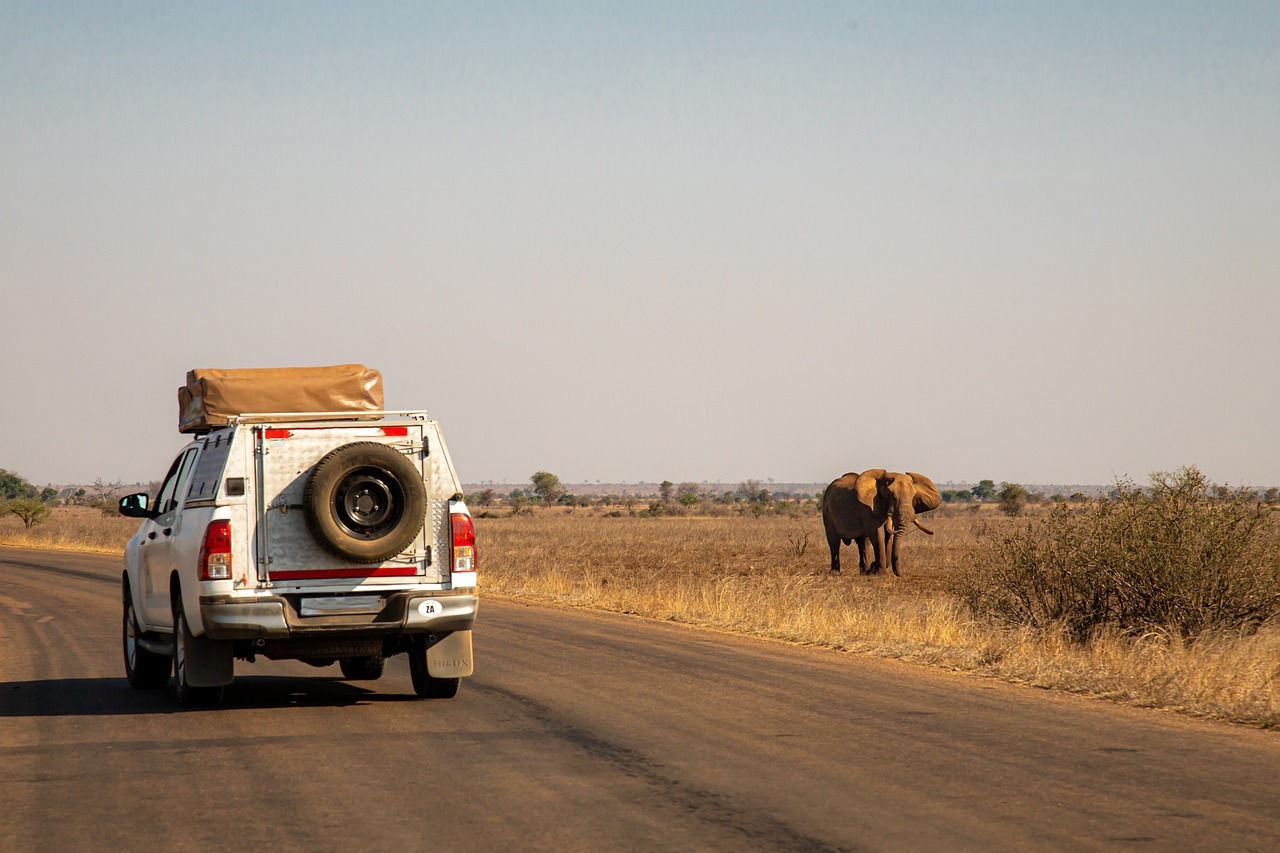
A budget safari in South Africa is achievable. Self-drive safaris in Kruger National Park cost only the park entry fee (R460–R550 per day for international visitors) plus fuel and accommodation. Rest camps inside Kruger offer basic huts from R600–R1,200 per night, and camping from R300–R500 per night.
Guided day tours from Johannesburg or Cape Town to nearby game reserves (e.g., Pilanesberg, Aquila) start at R1,200–R2,000 per person, including transport, guide, and lunch. Overnight budget safaris in private reserves (e.g., in the Eastern Cape) can be found for R2,500–R4,000 per person per night, including meals and game drives. For those looking to register a guest House in South Africa, many budget lodges offer shared facilities to keep costs low.
Peak season (December–January and July–August) sees higher prices; visiting in shoulder months (March–May or September–October) can save 20–30%. Book accommodation and tours directly with operators rather than through international agencies to avoid markups. For hiking and the outdoors in South Africa, the Otter Trail (5 days, guided) costs about R5,000–R7,000 per person, while day hikes in Table Mountain National Park are free or cost a small parking fee.
Always carry cash for small purchases and tips, as card machines are not universal. Tipping 10–15% in restaurants is customary. For hidden gems in South Africa, consider the lesser-known reserves like Addo Elephant National Park (entry R110–R220 for residents, R460–R550 for internationals) where you can see elephants, lions, and buffalo at a fraction of Kruger’s crowds.
