

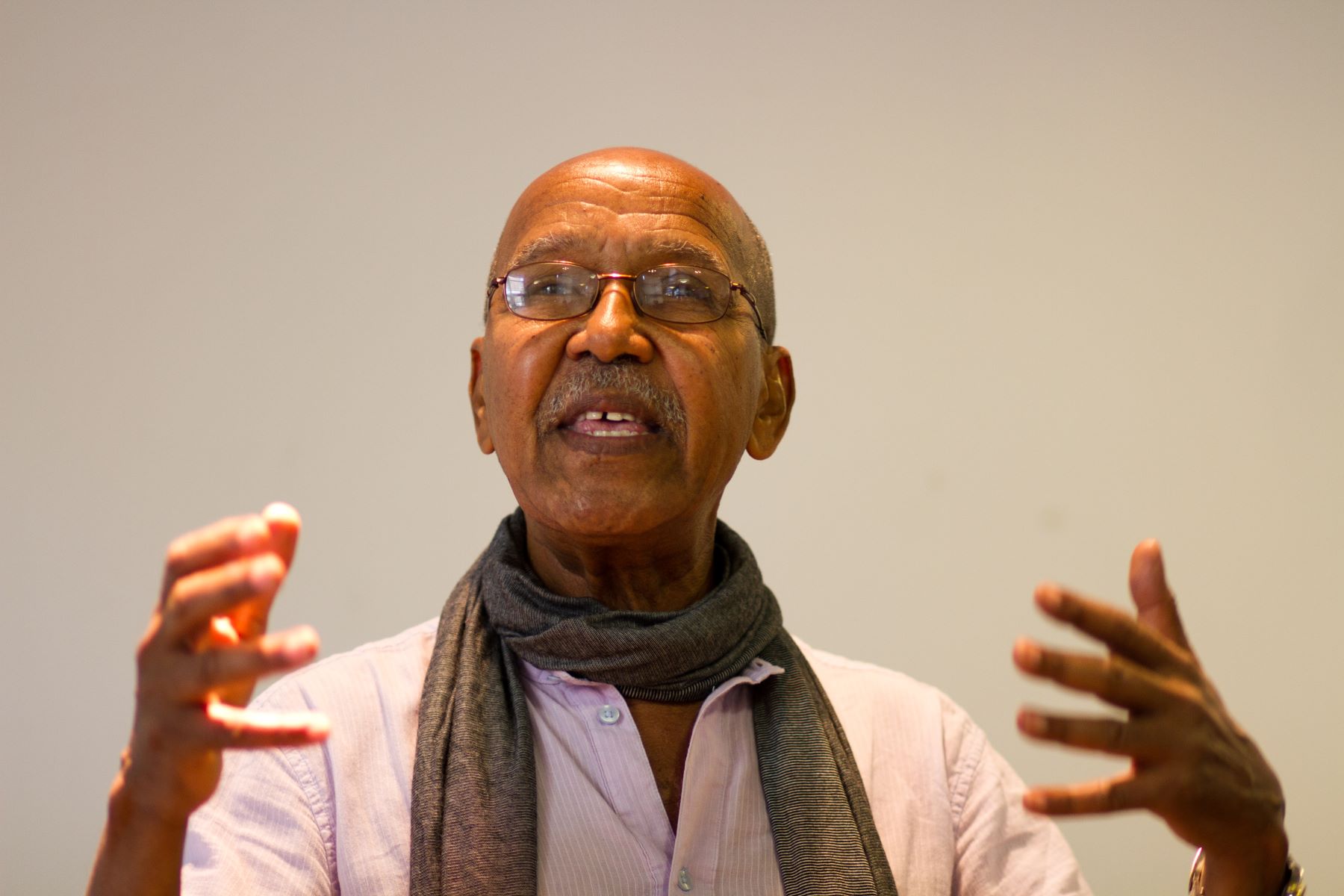
South African writers you need to know are Nadine Gordimer, J.M. Coetzee, Athol Fugard, Alan Paton, Bessie Head, André Brink, Antjie Krog, Breyten Breytenbach, Damon Galgut, and Es’kia Mphahlele. These ten authors have made significant contributions to literature, earning international acclaim.
1. Nadine Gordimer
Nadine Gordimer, a Nobel Prize winner, is renowned for her profound narratives on apartheid and its aftermath. Her works, such as "Burger's Daughter" and "July's People," delve into the complexities of race, politics, and human relationships in South Africa.
2. J.M. Coetzee
J.M. Coetzee, another Nobel laureate, is celebrated for his stark and often unsettling prose. His novels, including "Disgrace" and "Waiting for the Barbarians," explore themes of power, oppression, and moral ambiguity, reflecting the turbulent history of his homeland.
3. Athol Fugard
Athol Fugard is a playwright whose works have been pivotal in highlighting the struggles of apartheid. Plays like "Master Harold...and the Boys" and "The Road to Mecca" offer poignant insights into the lives of ordinary South Africans during this oppressive era.
4. Breyten Breytenbach
Breyten Breytenbach is a noted poet, novelist, and painter whose works capture the vibrant tapestry of South African life. His writing blends political engagement with lyrical intensity, reflecting his experiences as an anti-apartheid activist.
5. Alan Paton
Alan Paton's "Cry, the Beloved Country" is a seminal work that brought international attention to the injustices of apartheid. His lyrical prose and deep empathy for his characters make his novels timeless explorations of human dignity and social justice.
6. Bessie Head
Bessie Head, though born in South Africa, spent much of her life in Botswana. Her novels, including "When Rain Clouds Gather" and "Maru," address themes of identity, exile, and the intersection of personal and political struggles.
7. André Brink
André Brink was a prolific writer whose works often challenged the apartheid regime. Novels like "A Dry White Season" and "Rumours of Rain" are powerful indictments of the social and political injustices of his time, blending personal stories with broader societal critiques.
8. Antjie Krog
Antjie Krog is a poet, journalist, and academic whose work has been instrumental in documenting South Africa's transition from apartheid to democracy. Her book "Country of My Skull" is a harrowing account of the Truth and Reconciliation Commission, blending reportage with personal reflection.
9. Damon Galgut
Damon Galgut is a novelist whose spare, powerful prose explores themes of displacement, memory, and the lingering effects of apartheid. His works, including "The Promise" and "In a Strange Room," have earned him international acclaim, including the Booker Prize.
10. Es’kia Mphahlele
Es’kia Mphahlele is a foundational figure in modern African literature and South African letters. His memoir "Down Second Avenue" and novels like "The Wanderers" examine exile, identity, and the African diaspora with unflinching honesty.
Celebrating South African Literary Talent
South African literature offers a rich tapestry of stories, voices, and perspectives. Writers like Nadine Gordimer and J.M. Coetzee have made significant contributions to global literature. Their works explore themes of apartheid, identity, and social justice, providing readers with deep insights into South African society.
Emerging voices bring fresh narratives, blending genres and pushing boundaries. These authors highlight the diversity and creativity within South African writing. Their stories captivate readers, offering both entertainment and thought-provoking content.
Exploring the works of these ten writers will give you a deeper appreciation for South Africa's literary landscape. Their books are not just stories; they are windows into the country's soul. Dive into their worlds and experience the richness of South African literature.
Related travel guides: 7 Legendary Filipino Authors You Need To Know About and What Is The Travel Document Number On A South African Passport.
