

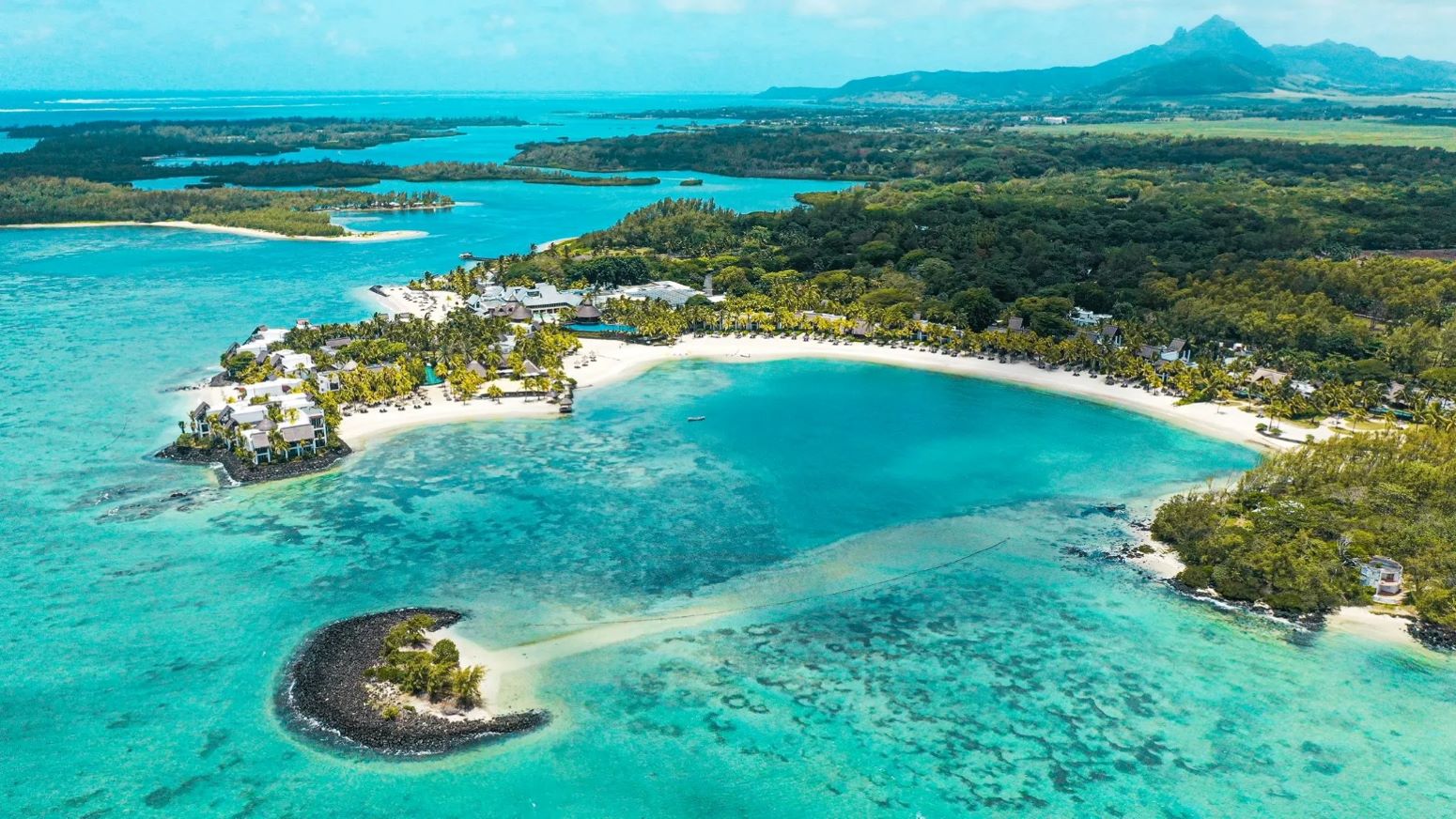
The best time to visit Mauritius is during the winter months from May to October for cooler, drier weather, while the main airport is Sir Seewoosagur Ramgoolam International Airport (MRU) with direct flights from Europe, and you can stay anywhere from the beaches of Flic en Flac to the lush interior. However, if you prefer warmer seas for water sports, the summer from November to April offers higher temperatures and humidity, though it includes the cyclone season from January to March. Mauritius is a tropical haven with year-round warm weather, blending Indian, African, and European influences in its cuisine and festivals.
Best Time to Visit Mauritius
Mauritius enjoys a tropical climate, with warm temperatures throughout the year. However, the best time to visit depends on your preferences and what activities you have in mind. The island experiences two primary seasons: summer and winter.
Summer in Mauritius falls between November and April, with temperatures ranging from 25°C to 35°C (77°F to 95°F). This period sees higher humidity levels and occasional rainfall, and includes the cyclone season. January to March is the wetter, more cyclone-prone period, so beach lovers and water sports enthusiasts should consider this when planning. The sea remains warm for snorkeling, diving, and sailing.
Winter in Mauritius occurs between May and October, with temperatures averaging between 20°C and 25°C (68°F and 77°F). The weather during this season is cooler and drier, making it a great time to explore the island's natural beauty and engage in land activities such as hiking, golfing, and visiting the national parks. October, in particular, offers blue skies and warm temperatures, and the dry season extends through December, making it an excellent time for hiking and the outdoors in Mauritius.
Another factor to consider when planning your visit is the cyclone season, with January to March being the wetter, more cyclone-prone period. While cyclones are infrequent, they can disrupt outdoor activities and lead to temporary beach closures. However, Mauritius is well-prepared for such events, and the hotel staff will provide guidance and assistance during these times.
Ultimately, the best time to visit Mauritius depends on your personal preference and the type of experience you seek. Whether you prefer the sun-drenched beaches of summer or the mild temperatures of winter, Mauritius has something to offer throughout the year.
Getting to Mauritius
Getting to Mauritius is relatively easy, with direct flights available from major international airports around the world. Sir Seewoosagur Ramgoolam International Airport (MRU), located in Plaine Magnien, is the main international gateway to the island.
If you're traveling from Europe, you can find direct flights from major cities such as London, Paris, Frankfurt, and Amsterdam. Airlines such as Air Mauritius, Air France, British Airways, and Lufthansa offer regular flights to Mauritius. The flight duration from Europe to Mauritius is around 11-12 hours.
If you're coming from the United States or Canada, you'll likely have a layover at a European or Middle Eastern hub before reaching Mauritius. Popular connecting airports include Dubai, Doha, Istanbul, and Johannesburg.
For travelers coming from other parts of Africa, direct flights are available from cities like Johannesburg, Cape Town, Nairobi, and Addis Ababa. Air Mauritius, South African Airways, and Kenya Airways are among the airlines that operate these routes.
Once you arrive at Sir Seewoosagur Ramgoolam International Airport, you can easily reach your accommodation by pre-arranged airport transfers or by hiring a taxi. Alternatively, some luxury resorts offer private transfers for their guests. It's recommended to pre-book your transfers for convenience and peace of mind.
For those traveling from neighboring islands or countries in the region, there are also ferry services available. You can catch a ferry from nearby islands like Réunion, Rodrigues, and Madagascar. These ferries provide an alternative means of transportation, allowing you to enjoy a scenic journey on the Indian Ocean.
Overall, with its well-connected airport and various transportation options, getting to Mauritius is hassle-free, allowing you to start your tropical adventure as soon as possible. For more ideas on what to do once you arrive, check our top things to do in Mauritius.
Airports in Mauritius
Mauritius has one main international airport, Sir Seewoosagur Ramgoolam International Airport (MRU), located in Plaine Magnien. This modern airport serves as the primary gateway for travelers arriving in Mauritius.
Sir Seewoosagur Ramgoolam International Airport is well-equipped with duty-free shops, currency exchange counters, ATMs, car rental services, and a variety of dining options. The national carrier, Air Mauritius, offers a comprehensive network of flights connecting Mauritius to various destinations worldwide. Other international airlines, such as British Airways, Air France, Emirates, and Turkish Airlines, also operate flights to Mauritius.
Once you arrive, you'll go through standard immigration and customs procedures. It is essential to have all necessary travel documents, including a valid passport, visa (if required), and any supporting documents for entry into Mauritius.
The airport is located approximately 50 kilometers (31 miles) southeast of the capital city, Port Louis. Depending on your final destination, you can reach your accommodation via pre-arranged airport transfers, taxis, or renting a car from the airport. For long layovers or late-night departures, you'll find comfortable seating areas, lounges, and a transit hotel where you can rest and freshen up.
In addition to Sir Seewoosagur Ramgoolam International Airport, there is a smaller domestic airport on the island called Sir Gaëtan Duval Airport (RRG), located in Plaine Corail, Rodrigues. This airport serves as the main hub for flights to and from Rodrigues, a smaller island under the jurisdiction of Mauritius. Flights between the two airports are available for travelers wishing to venture between the islands.
Visa Requirements
When planning your trip to Mauritius, it's important to be aware of the visa requirements. The visa policy of Mauritius is relatively relaxed, allowing visitors from many countries to enter without obtaining a visa in advance.
For citizens of over 100 countries, including the United States, Canada, the United Kingdom, European Union member states, Australia, and New Zealand, a tourist visa is not required for stays of up to 90 days. On arrival, you will be granted a free-entry permit, which allows you to stay in Mauritius for tourism, business, or visiting family and friends purposes.
However, it's crucial to ensure that your passport is valid for at least six months beyond your planned departure date from Mauritius. Additionally, you must have a return or onward ticket and proof of sufficient funds to cover your stay.
If you are a citizen of a country that requires a visa to enter Mauritius, you can obtain one from a Mauritian embassy or consulate in your home country. It is advisable to apply well in advance of your planned travel dates to allow for sufficient processing time.
If you're planning to work, study, or stay in Mauritius for a longer duration, you will need to apply for the appropriate visa or permit before arrival. The requirements for these types of visas vary depending on the purpose of your visit, so it's recommended to consult the nearest Mauritian embassy or consulate for detailed information.
It's worth noting that immigration regulations can change, so it's always a good idea to check the latest visa requirements before your trip to Mauritius. The official website of the Passport and Immigration Office of Mauritius provides up-to-date information on visa requirements and entry regulations.
Overall, for most travelers, visiting Mauritius is a straightforward process with minimal visa requirements. With a valid passport and necessary supporting documents, you can enjoy the natural beauty and warm hospitality of this tropical paradise. For more travel tips, consult the Mauritius travel guide to help plan your trip.
Currency and Money Exchange
The currency of Mauritius is the Mauritian Rupee (MUR). It is advisable to exchange some currency for cash on hand for small expenses and places that may not accept credit cards.
To exchange money into Mauritian Rupees, you can use currency exchange counters at the airport upon arrival, though rates there may not always be the most favorable. Alternatively, banks and authorized money changers throughout the island offer similar rates and may have longer operating hours. Compare rates and charges before transacting. Another convenient option is to withdraw cash from ATMs using your debit or credit card; ATMs are widely available in major towns and tourist areas and usually offer competitive exchange rates. Notify your bank before traveling to ensure your card works abroad and inquire about foreign transaction fees or withdrawal limits.
Major credit cards (Visa, Mastercard, American Express) are widely accepted in hotels, restaurants, and larger establishments. However, carry cash for smaller businesses, local markets, and transportation fares. While some places, especially in tourist areas, may accept foreign currencies, paying in local currency yields better exchange rates and avoids confusion.
Before leaving, convert any remaining Rupees back to your home currency at the airport or authorized exchange outlets; commission fees may apply. A combination of cash and cards is essential when visiting Mauritius. For more on planning your trip, see the Mauritius travel guide and top things to do in Mauritius.
Transportation in Mauritius
Getting around Mauritius is relatively easy, thanks to its well-developed transportation infrastructure. Car rental is a popular choice, providing flexibility to explore at your own pace. Numerous agencies operate at the airport and in major tourist areas. Driving is on the left, and a valid international driving permit or local license is required.
Taxis are widely available; negotiate the fare before starting your journey or ask the driver to use the meter. They are convenient for shorter distances. The public bus system is extensive and affordable, covering most of the island. Schedules and routes are available from bus stations or the Mauritius National Transport website, though buses can be crowded during peak hours.
For a personalized experience, hire a private driver or book guided tours. Many hotels and tour operators offer these services. Bicycles are a fun, eco-friendly option for shorter distances, with rental available at many hotels and dedicated shops.
For traveling between islands like Rodrigues or Île aux Cerfs, ferry services provide a scenic way to explore more of Mauritius' natural beauty. Overall, with its range of transportation options, getting around Mauritius is convenient and accessible, whether you drive, take a taxi, hop on a bus, or join a tour.
Where to Stay in Mauritius
Mauritius offers a wide range of accommodation options to suit every traveler's preferences and budget. Whether you're seeking luxury resorts, cozy guesthouses, or beachfront villas, you'll find a place to stay that matches your needs.
Luxury Resorts:
- For those seeking ultimate relaxation and indulgence, Mauritius features an array of luxurious beach resorts. These resorts offer world-class amenities, private beaches, spa facilities, and exquisite dining options. Some popular luxury resorts include Four Seasons Resort Mauritius at Anahita, The St. Regis Mauritius Resort, and One&Only Le Saint Géran.
- If you're on a tighter budget, you'll still have plenty of options for affordable accommodation in Mauritius. Guesthouses and bed and breakfast establishments provide comfortable rooms, often with the added bonus of a personal touch and local insights. Areas such as Flic en Flac, Grand Bay, and Trou aux Biches have a variety of budget-friendly options.
Beachfront Villas:
- Mauritius also offers the opportunity to rent private beachfront villas, ideal for families or groups of friends traveling together. These villas often come with their own swimming pools, spacious living areas, and access to stunning beaches. The east coast of Mauritius, including Belle Mare and Trou d'Eau Douce, is known for its stunning villas.
When choosing where to stay in Mauritius, consider the location based on the activities and attractions you plan to explore. The north coast, including Grand Bay, is popular for its vibrant nightlife and shopping. The east coast offers beautiful beaches and opportunities for water activities like snorkeling and diving. The south coast is known for its untouched nature and breathtaking landscapes, making it ideal for hiking and the outdoors in Mauritius.
Many accommodations in Mauritius also provide packages that include activities, such as water sports, island tours, or golf, allowing you to make the most of your stay.
It's recommended to book your accommodation in advance, especially during peak travel seasons, to ensure availability and secure the best rates. Whether you choose a luxury resort, a budget-friendly guesthouse, or a beachfront villa, your accommodation in Mauritius will guarantee comfort, relaxation, and easy access to the island's natural beauty.
Luxury Resorts
For those seeking the epitome of luxury and relaxation, Mauritius is home to a plethora of exquisite resorts that will exceed your expectations. From stunning beachfront locations to world-class amenities, these resorts offer a truly indulgent experience and create cherished memories for their guests.
One of the most renowned luxury resorts in Mauritius is the Four Seasons Resort Mauritius at Anahita. Nestled on the east coast of the island, this resort features luxurious villas and residences with private pools and gardens, offering an unparalleled sense of privacy and exclusivity. Guests can enjoy picturesque views of the Indian Ocean, indulge in rejuvenating spa treatments, and partake in water activities such as snorkeling, kayaking, and sailing.
The St. Regis Mauritius Resort, situated on the southwestern side of the island, offers a truly opulent experience. With its elegant colonial-style architecture and lush tropical gardens, this resort exudes sophistication. Guests can immerse themselves in ultimate relaxation at the Iridium Spa, savor gourmet cuisine at the resort's restaurants, and unwind on the pristine beach or by the infinity pool.
Another gem in Mauritius is the One&Only Le Saint Géran, located on the secluded Belle Mare peninsula. This iconic resort boasts a legendary status and has been welcoming discerning travelers for decades. One&Only Le Saint Géran offers luxurious suites and private villas overlooking the turquoise lagoon. Guests can enjoy world-class dining at acclaimed restaurants, indulge in holistic wellness treatments at the spa, and partake in a variety of water sports and recreational activities.
These luxury resorts, along with others scattered throughout Mauritius, offer impeccable service, attention to detail, and a range of amenities designed to cater to the needs and desires of their guests. Whether you're seeking pure relaxation, adventure, or gourmet experiences, these resorts strive to provide a truly unforgettable stay.
In addition to their extraordinary accommodations, many luxury resorts in Mauritius also offer unique cultural experiences, such as traditional music and dance performances, cooking classes, and guided tours to local attractions. These opportunities allow guests to immerse themselves in the rich and diverse culture of Mauritius.
It's important to note that while luxury resorts in Mauritius often come with a higher price tag, they provide a level of service, comfort, and exclusivity that is unparalleled. From attentive staff to breathtaking surroundings, a stay at a luxury resort in Mauritius is an indulgence worth every penny.
Whether you choose Four Seasons Resort Mauritius at Anahita, The St. Regis Mauritius Resort, One&Only Le Saint Géran, or any of the other luxurious options on the island, you can be assured of a truly exceptional experience that will leave you with cherished memories of your time in Mauritius.
Budget Accommodation Options
Mauritius also offers a range of budget-friendly accommodation options for travelers seeking comfortable and affordable places to stay, allowing visitors to experience the island without breaking the bank.
Guesthouses and bed and breakfast establishments are popular choices for budget-conscious travelers. These smaller accommodations provide cozy rooms, often with shared facilities, and a more personal touch compared to larger resorts. Many guesthouses are family-run, offering a warm and welcoming atmosphere. You'll find guesthouses scattered throughout the island, particularly in tourist areas like Flic en Flac, Grand Bay, and Trou aux Biches.
In addition to guesthouses, self-catering apartments and studios are available for those who prefer more independence and flexibility. These options often come equipped with basic kitchen facilities, allowing you to prepare your own meals and save on dining expenses. Self-catering accommodations can be found in various locations, including coastal areas and popular towns.
If you're a solo traveler or on a tight budget, hostels are another affordable option in Mauritius. They provide dormitory-style rooms with shared facilities, allowing you to socialize with other travelers and make new friends. Hostels are particularly popular in tourist hubs such as Grand Bay and Pereybere.
Mauritius also has a selection of budget-friendly hotels that offer comfortable rooms, amenities, and convenient locations at affordable prices. These establishments are perfect for travelers who value convenience and a good night's sleep without breaking the bank. Look for budget hotels in areas like Port Louis, Curepipe, and Mahebourg.
When selecting budget accommodations, consider their proximity to attractions, shops, and restaurants to ensure easy access to amenities and activities during your stay.
Regardless of your budget, it is advisable to book accommodations in advance, especially during peak travel seasons, to secure availability and favorable rates. Online travel websites and booking platforms offer a wide range of options, allowing you to compare prices and read reviews from fellow travelers.
By choosing budget accommodation options in Mauritius, you can enjoy a comfortable stay while still having plenty of funds to explore and experience the island's natural beauty, cultural heritage, and vibrant atmosphere. For a full overview, consult a comprehensive Mauritius travel guide to plan your trip around the best seasons for hiking and the outdoors in Mauritius.
What to Pack for Mauritius
When planning your trip to Mauritius, pack appropriately to ensure a comfortable stay. Here are essential items for your suitcase:
1. Light clothing: Mauritius has a tropical climate, so pack lightweight, breathable items like cotton shirts, shorts, sundresses, and skirts. Include swimwear for beach time.
2. Sun protection: Pack a wide-brimmed hat, sunglasses, and high-SPF sunscreen to protect against the strong tropical sun.
3. Mosquito repellent: While not a major issue in tourist areas, bring repellent for exploring nature reserves or time outdoors at dawn or dusk.
4. Comfortable footwear: Bring sandals or lightweight sneakers for walking. Sturdy hiking shoes or boots are recommended if you plan on hiking and the outdoors in Mauritius.
5. Lightweight rain jacket: Be prepared for occasional tropical showers with a light rain jacket or poncho.
6. Medications and first aid kit: Bring an adequate supply of prescription medications and a basic first aid kit with bandages and antiseptics.
7. Power adapters: Mauritius uses Type C and Type G outlets. Bring a power adapter if your home country uses a different plug type.
8. Snorkeling gear: Bring your own snorkel, mask, and fins for a more comfortable experience exploring the underwater world, though rentals are available.
9. Local currency: Have some Mauritian Rupees (MUR) for small purchases, tips, or places that may not accept cards.
10. Travel documents: Bring your passport, visa (if required), flight tickets, and hotel reservations. Keep electronic or printed copies as backups.
For a complete Mauritius travel guide, pack light and carry only what you need for a hassle-free journey.
Language and Communication
The official language of Mauritius is English, which is widely spoken and understood, especially in tourist areas, hotels, and restaurants. This makes communication relatively easy for English-speaking travelers. However, English is not the first language for most Mauritians, and the local population predominantly speaks Mauritian Creole, a French-based Creole language.
In addition to English and Mauritian Creole, French is also widely spoken, as it is taught in schools and used in business and government. Many locals are fluent in French, making it useful to know a few basic French phrases, especially if you plan to venture outside of tourist areas.
Other languages spoken by smaller segments of the population include Hindi, Urdu, Tamil, and Chinese due to the diverse cultural heritage of Mauritius. However, English and French are the most commonly used languages for official purposes and intercultural communication.
When it comes to communication with locals, you'll find that Mauritians are friendly, warm, and accommodating. Even if there are language barriers, they are often willing to assist and communicate using gestures or simple English phrases.
To stay connected during your trip, you can purchase a local SIM card upon arrival at the airport or from any mobile service provider. This will allow you to have a local phone number, access the internet, and make calls or send texts at local rates. Free public Wi-Fi is also available in many hotels, cafes, and public areas, enabling you to stay connected without a local SIM card.
When communicating with emergency services, the local emergency number in Mauritius is 112. It is important to have the contact information for your embassy or consulate readily available in case of any unforeseen circumstances.
Overall, English is widely spoken and understood in Mauritius, making communication relatively easy for most travelers. However, learning a few basic French phrases can enhance your interactions and show appreciation for the local culture. For those interested in outdoor activities, a Mauritius travel guide often recommends combining language practice with hiking and the outdoors in Mauritius to connect with locals on trails.
Local Cuisine
Mauritian cuisine is a fusion of Indian, African, Chinese, and European influences. The island offers a range of dishes that will satisfy any food lover.
One iconic dish is "dholl puri," a street food consisting of a thin crepe-like bread filled with yellow split peas, served with curries, pickles, and chutneys. Another street food is "gateau piment," deep-fried lentil fritters seasoned with chili and served with a tangy sauce.
Seafood plays a prominent role. Fish vindaye is marinated in a tangy spice mixture and served with rice or bread. "Octopus curry" is slow-cooked in a rich tomato-based sauce with spices and served with rice or roti.
Curries are a staple, showcasing Indian influence. "Chicken or beef curry" features meat simmered in spices and coconut milk, served with rice or roti. Vegetarians can enjoy "vegetable curry," a medley of vegetables in a rich curry sauce.
Chinese dishes like "fried rice," "noodles," and "sweet and sour chicken" reflect a fusion of Chinese flavors with local ingredients.
For dessert, try "gateau patate," a sweet potato cake spiced with vanilla and nutmeg, or "pineapple upside-down cake," a caramelized treat with fresh pineapple.
For drinks, "Alouda" is a milk-based drink with rose syrup, agar-agar jelly, and basil seeds. "Phoenix Beer" is the local beer, pairing well with spicy dishes.
The best way to experience Mauritian cuisine is through street food vendors or "food stalls" found in markets, coastal areas, and towns. They offer an authentic taste of local flavors for locals and visitors alike.
Winter (May to October) averages 20°C to 25°C (68°C to 77°F), with cooler, drier weather, making it a great time to explore the island, including hiking and the outdoors in Mauritius.
Top Attractions in Mauritius
Mauritius offers a wide array of attractions, from pristine beaches to lush national parks. Here are some of the top attractions to explore:
Beaches: Mauritius is famous for its idyllic beaches with powdery white sands and turquoise waters. Renowned beaches include Belle Mare, Trou aux Biches, Flic en Flac, and Le Morne. They provide the perfect setting for relaxation, water sports, or simply soaking up the sun.
Water Sports: The clear waters offer excellent snorkeling and diving, with vibrant coral reefs teeming with marine life. Kiteboarding, windsurfing, and paddleboarding are also popular choices for thrill-seekers.
National Parks: Black River Gorges National Park, with its dense forests and hiking trails, is a paradise for nature lovers. Île aux Aigrettes, a nature reserve, is home to endangered species such as the Mauritius kestrel and pink pigeon. For those interested in hiking and the outdoors in Mauritius, these parks are essential.
Cultural Sites: The Aapravasi Ghat, a UNESCO World Heritage site, showcases the island's history as an immigration depot. The Ganga Talao (Grand Bassin), a sacred lake for the Hindu community, is a place of pilgrimage during the Maha Shivaratri festival.
Shopping: The Central Market in Port Louis offers locally made crafts, textiles, spices, and fresh produce. For international brands, head to Bagatelle Mall or Cascavelle Shopping Village.
Chamarel Seven Colored Earths: This natural attraction features sand dunes with colors ranging from vibrant reds and purples to earthy browns and yellows.
Pamplemousses Botanical Garden: Known for its magnificent collection of exotic plants, including the famous giant water lilies, a variety of palm trees, and colorful tropical flowers.
Tea Plantations: In the Bois Chéri and Domaine des Aubineaux regions, you can learn about tea production, enjoy panoramic views of rolling hills, and savor a cup of freshly brewed tea.
For a complete Mauritius travel guide, these seasonal details help in planning your visit. These are just a few of the many attractions that make Mauritius a truly unforgettable travel experience.
Beaches
Mauritius is renowned for its pristine, picture-perfect beaches that draw travelers from across the globe. With its powdery white sands, crystal-clear turquoise waters, and breathtaking coastal landscapes, the island offers a beach experience like no other. Here are some of the top beaches in Mauritius:
Belle Mare Beach: Located on the east coast of Mauritius, Belle Mare Beach is a stunning stretch of coastline known for its long stretches of powdery white sand. The calm and shallow waters make it ideal for swimming and various water sports. Whether you want to relax under the shade of a palm tree or engage in activities like snorkeling, Belle Mare Beach offers a paradise-like setting.
Trou aux Biches: Situated on the northwest coast of the island, Trou aux Biches is a popular choice for beachgoers seeking tranquility and natural beauty. With its calm and clear waters, it is a great spot for swimming and snorkeling. The beach is framed by casuarina trees providing shaded areas to relax, and the stunning sunsets make it a romantic spot to unwind.
Flic en Flac: Located on the western coast, Flic en Flac is one of Mauritius' longest beaches. This vibrant beach destination offers a lively atmosphere with beachside bars, restaurants, and water sports facilities. The coral reefs just off the shore make it a popular spot for snorkeling and diving.
Le Morne: Situated in the southwest of the island, Le Morne is a breathtaking beach known for its dramatic mountain backdrop, clear waters, and strong waves. The area is popular among surfers and kiteboarders, thanks to the favorable wind conditions and challenging waves. Le Morne Beach is also steeped in history and is a UNESCO World Heritage site due to its association with the abolishment of slavery.
Grand Bay: While not a traditional sandy beach, Grand Bay offers a vibrant coastal area with a bustling atmosphere. It is known for its clear waters, excellent shopping opportunities, and a diverse range of dining options. Grand Bay is a popular spot for water sports activities, boat trips, and exploring nearby islands.
These are just a few examples of the incredible beaches that Mauritius has to offer. Whether you seek calm relaxation, exciting water sports, or breathtaking natural surroundings, the beaches of Mauritius provide an idyllic setting for a memorable beach getaway.
It's important to note that while the majority of beaches in Mauritius are accessible to the public, some are attached to private resorts. However, many resorts allow non-guests to access their beaches for a fee, so you can still enjoy their beauty and facilities. Remember to respect the environment, follow local guidelines, and take necessary precautions such as using sunscreen and staying hydrated to make the most of your time at these stunning beaches. For more on exploring the island beyond the sand, see the Mauritius travel guide.
Water Sports
Mauritius, with its crystal-clear turquoise waters and vibrant marine life, is a paradise for water sports enthusiasts. From thrilling adventures to tranquil activities, the island offers a wide range of options. Here are some of the water sports you can enjoy in Mauritius:
Snorkeling: Explore the underwater world of Mauritius through snorkeling. The island is surrounded by coral reefs teeming with colorful fish and marine creatures. Grab a snorkel, mask, and fins, and dive into the warm, azure waters to see Mauritius' marine biodiversity.
Diving: For a more immersive experience, diving is a must-try activity. Whether you're a beginner or experienced, the island offers dive sites including coral gardens, shipwrecks, and underwater caves. Discover vibrant corals, schools of tropical fish, and occasionally turtles or sharks.
Kiteboarding: Mauritius is known as one of the best destinations worldwide for kiteboarding. With consistent trade winds and stunning lagoons, the island provides ideal conditions. Beginners can take lessons, while experienced kiteboarders can ride the waves.
Windsurfing: Another popular sport is windsurfing. The island's year-round trade winds and calm lagoons make it ideal for all levels. Glide across the water, harnessing the wind for a feeling of freedom and adrenaline.
Stand-Up Paddleboarding (SUP): SUP has gained popularity, and Mauritius offers the perfect setting. Paddle along the coastline, exploring hidden coves and marveling at natural beauty. It is a great way to improve balance and enjoy the tranquility of the ocean.
Water Skiing and Jet Skiing: For an adrenaline rush, water skiing and jet skiing are thrilling options. Feel the wind as you glide across the water, experiencing speed and control.
Fishing: Mauritius is known for excellent sport fishing. Embark on a fishing excursion, whether deep-sea or in lagoons, and try to catch game fish including marlin, sailfish, and tuna.
These are just a few examples of the water sports available. Whether you seek a thrilling adventure or a relaxing day on the water, the island's pristine waters make it a water sports lover's paradise.
It's important to engage in water sports responsibly, follow safety guidelines, and respect the marine environment. Many resorts and water sports centers offer equipment rental and lessons.
National Parks
Mauritius boasts several national parks, each offering a unique opportunity to explore the island's diverse flora, fauna, and breathtaking landscapes. Whether you're interested in hiking and the outdoors in Mauritius or simply seeking tranquility, these parks showcase the island's natural heritage.
Black River Gorges National Park: Located in the southwestern part of the island, this lush sanctuary is characterized by dense forests, rolling hills, and cascading waterfalls. The park is home to endemic species such as the pink pigeon and the Mauritian flying fox. Hiking trails crisscross the park, allowing visitors to explore its natural beauty and catch glimpses of rare bird species.
Bras d'Eau National Park: Situated on the eastern coast, this coastal reserve offers a blend of scenic landscapes and rich biodiversity. The park encompasses mangrove forests, freshwater reservoirs, and stretches of sandy beaches. Visitors can enjoy walking trails, birdwatching, and picnicking.
Île aux Aigrettes Nature Reserve: This small coral island, off the coast of Mauritius, is a protected reserve dedicated to preserving native flora and fauna. Rare and endangered species have been successfully reintroduced here. Guided tours provide a chance to spot the Mauritius kestrel, pink pigeon, and giant Aldabra tortoises.
La Vanille Nature Park: Located in the south of Mauritius, this park is renowned for conservation of endangered animals, particularly giant Aldabra tortoises and Nile crocodiles. Visitors can wander through lush vegetation, observe reptiles and butterflies, and interact with the gentle giants for a unique, educational experience.
Rivière Noire National Park: Stretching from the central highlands to the southwest coast, this park offers diverse ecosystems and landmarks such as the "Seven Colored Earths" and Le Morne Brabant, a UNESCO World Heritage site. Hiking trails offer panoramic views, and guided tours provide insights into the park's cultural and historical significance.
These national parks provide a sanctuary for Mauritius' unique biodiversity. It's important to note that some parks may have entry fees and specific visiting hours, so check regulations and plan accordingly. Guided tours are often available and can enrich your experience with insights into ecology and conservation efforts.
Cultural Sites
Mauritius is a melting pot of cultural influences, and exploring its diverse array of cultural sites is a must to fully appreciate the island's rich heritage. From historical landmarks to sacred sites, Mauritius offers a plethora of cultural experiences. Here are some of the top cultural sites to explore:
Aapravasi Ghat: A UNESCO World Heritage site, Aapravasi Ghat is an important historical site that bears witness to Mauritius' history as an immigration depot. Located in Port Louis, this site served as a gateway for thousands of indentured laborers arriving from India, Africa, and China. It is a poignant reminder of the island's multicultural heritage and the laborers who played a significant role in shaping Mauritius' identity.
Ganga Talao (Grand Bassin): Situated in the heart of Mauritius, Ganga Talao is a sacred lake for the Hindu community. It is considered a place of pilgrimage, especially during the annual Maha Shivaratri festival. The site features numerous temples dedicated to Hindu gods and showcases breathtaking views of the surrounding mountains.
The Labourdonnais Orchards: Located in Mapou, this historic estate provides insights into Mauritius' colonial past. Visitors can explore the beautifully landscaped orchards, which were once part of the sugar and spice trade. You can learn about the history of sugarcane cultivation, visit the château, and sample tropical fruits, jams, and juices produced on-site.
Eureka House: Eureka House, located near Moka, is a 19th-century Creole mansion that offers a glimpse into the island's colonial era. The beautifully restored mansion features antiques, period furnishings, and lush gardens. Guided tours provide an opportunity to learn about the lifestyle and culture of the island's 19th-century aristocracy.
Chinatown, Port Louis: Chinatown in the capital city of Port Louis is a vibrant and bustling area showcasing the influence of the Chinese community in Mauritius. Visitors can explore colorful markets, shops selling traditional Chinese goods, and Chinese temples. The area is also known for its delicious Chinese cuisine, offering a wide variety of flavors and dishes.
Maheshwarnath Temple: Situated in Triolet, the Maheshwarnath Temple is the largest Hindu temple in Mauritius. This striking and intricately designed temple is dedicated to Lord Shiva and attracts devotees and visitors alike. It is a place of worship, serenity, and cultural significance.
These cultural sites in Mauritius offer glimpses into the island's diverse cultural fabric and provide opportunities to learn about its history, traditions, and communities. Exploring these sites allows visitors to appreciate the fusion of Indian, African, Chinese, and European influences that have shaped the vibrant cultural landscape of Mauritius.
It's advisable to dress modestly and respectfully when visiting cultural sites, covering shoulders and knees as a sign of respect for the local customs and traditions. Additionally, guided tours or information provided by knowledgeable locals can enhance the experience by adding depth and context to your exploration of these cultural sites. For a broader overview, consult a comprehensive Mauritius travel guide to plan your itinerary around these landmarks.
Shopping in Mauritius
Mauritius offers a diverse shopping scene, from local handicrafts to international brands. Whether you're looking for unique souvenirs, stylish clothing, or authentic local products, here are some shopping experiences to enjoy during your visit.
Markets: The Central Market in Port Louis is a bustling hub for fresh produce, spices, local handicrafts, and textiles. It’s a great place to immerse yourself in the vibrant atmosphere and interact with friendly locals.
Local Handicrafts: Mauritius is known for traditional handicrafts such as colorful textiles, intricate Model Ships, wooden sculptures, and handmade jewelry. The Craft Market at Caudan Waterfront and the Mahebourg Market are popular places to find these authentic items.
Shopping Centers: Modern shopping centers offer a mix of local and international brands. Bagatelle Mall in Moka is one of the island’s largest, featuring a wide range of shops, boutiques, and dining options. Other popular malls include Trianon Shopping Park, Cascavelle Shopping Village, and La Croisette Mall.
Duty-Free Shopping: The Mauritius Duty-Free Paradise at Sir Seewoosagur Ramgoolam International Airport offers tax-free luxury items, cosmetics, and electronics.
Designer Shopping: For luxury fashion, the Grand Baie Bazaar and Caudan Waterfront in Port Louis feature upscale shops offering designer clothing, accessories, and jewelry from international brands.
Textile Shopping: Head to the textile shops in Quatre Bornes, known as the Textile Town, to find silk, cotton, and Mauritius’ famous batik fabrics. Many shops offer tailored services for custom-made clothing.
Street Vendors and Beach Shops: At popular beach destinations, local vendors sell beachwear, hats, sarongs, and other essentials at affordable prices. Don’t forget to engage in friendly bargaining to get the best deals.
Shopping in Mauritius provides an opportunity to find unique souvenirs, indulge in luxury shopping, and discover vibrant markets. Whether you're searching for traditional handicrafts, trendy fashion, or duty-free deals, the experiences cater to different tastes and budgets. For more ideas on exploring the island, check out a Mauritius travel guide to plan your itinerary, or browse the top things to do in Mauritius for activities beyond shopping.
Remember to check the customs regulations of your home country to ensure compliance with restrictions on bringing items back. Enjoy the shopping experience and take a piece of Mauritius home with you as a cherished memento.
Safety Tips for Traveling in Mauritius
Mauritius is known for its warm hospitality and relatively safe environment, making it a popular destination for travelers. However, it's always important to prioritize safety during your trip. Here are some safety tips to keep in mind when traveling in Mauritius:
1. Secure Your Belongings: Keep your valuables, such as passports, cash, and electronics, in a secure place, preferably in a hotel safe. When exploring the island, carry only essential items and avoid displaying expensive jewelry or large amounts of cash.
2. Stay Alert in Public Places: Like in any destination, be aware of your surroundings, especially in crowded areas and tourist hotspots. Protect your belongings and keep an eye out for any suspicious activity. Avoid venturing into poorly lit or isolated areas at night.
3. Swim Safely: Mauritius is renowned for its beautiful beaches, but always exercise caution when swimming. Pay attention to warning flags and follow lifeguards' instructions. Be aware of ocean conditions such as strong currents and undertows, especially during the winter months.
4. Protect Yourself from the Sun: The Mauritian sun can be intense, so it's essential to protect yourself from harmful UV rays. Apply sunscreen regularly, wear a hat, and seek shade during the hottest hours of the day to avoid sunburn and heatstroke.
5. Follow Water Safety Precautions: When engaging in water activities, such as snorkeling or diving, ensure that you are accompanied by experienced professionals or reputable operators. Always wear appropriate safety equipment and follow instructions provided by instructors or guides.
6. Respect Local Customs: Mauritius has a diverse cultural heritage, and it's important to respect local customs and traditions. Dress modestly when visiting religious sites, and seek permission before taking photographs of people, particularly in rural areas. For more on local culture, see our Mauritius travel guide.
7. Stay Hydrated: Mauritius enjoys a tropical climate, and it's crucial to stay hydrated, especially when engaging in outdoor activities. Drink plenty of water, even if you don't feel thirsty, to prevent dehydration.
8. Use Reliable Transportation: When using public transportation or hiring taxis, opt for licensed and reputable services. Ensure that the vehicles are in good condition and equipped with seat belts for your safety. If possible, pre-arrange transportation through trusted providers.
9. Be Cautious with Street Food: Mauritius is known for its delicious street food, but it's essential to choose vendors wisely. Opt for busy stalls with good hygiene practices, and make sure the food is cooked thoroughly and served hot.
10. Purchase Travel Insurance: Prior to your trip, it's advisable to purchase travel insurance that covers medical expenses, trip cancellation or interruption, and personal belongings. Check the policy to ensure it aligns with your needs and activities.
11. For outdoor activities, check our page on hiking and the outdoors in Mauritius.
By following these safety tips, you can have a worry-free and enjoyable experience in Mauritius. Remember, it's always better to be prepared and take necessary precautions to ensure your safety and wellbeing throughout your trip.
Conclusion
Mauritius, with its stunning beaches, rich culture, and warm hospitality, offers a truly unforgettable travel experience. Whether you're seeking relaxation, adventurous water sports, or immersing yourself in the island's vibrant cultural heritage, Mauritius has something to offer everyone. For those interested in hiking and the outdoors in Mauritius, the island's national parks provide excellent opportunities.
By considering the best time to visit, planning your transportation, and understanding visa requirements, you can ensure a smooth and hassle-free trip.
Whether you choose to stay in luxury resorts, budget accommodations, or beachfront villas, Mauritius provides a wide range of options to suit your preferences and budget. Take time to explore cultural sites, indulge in local cuisine, and follow safety precautions for a worry-free experience. Consult a Mauritius travel guide for more detailed planning. Pack your bags and get ready to experience the magic of Mauritius!
