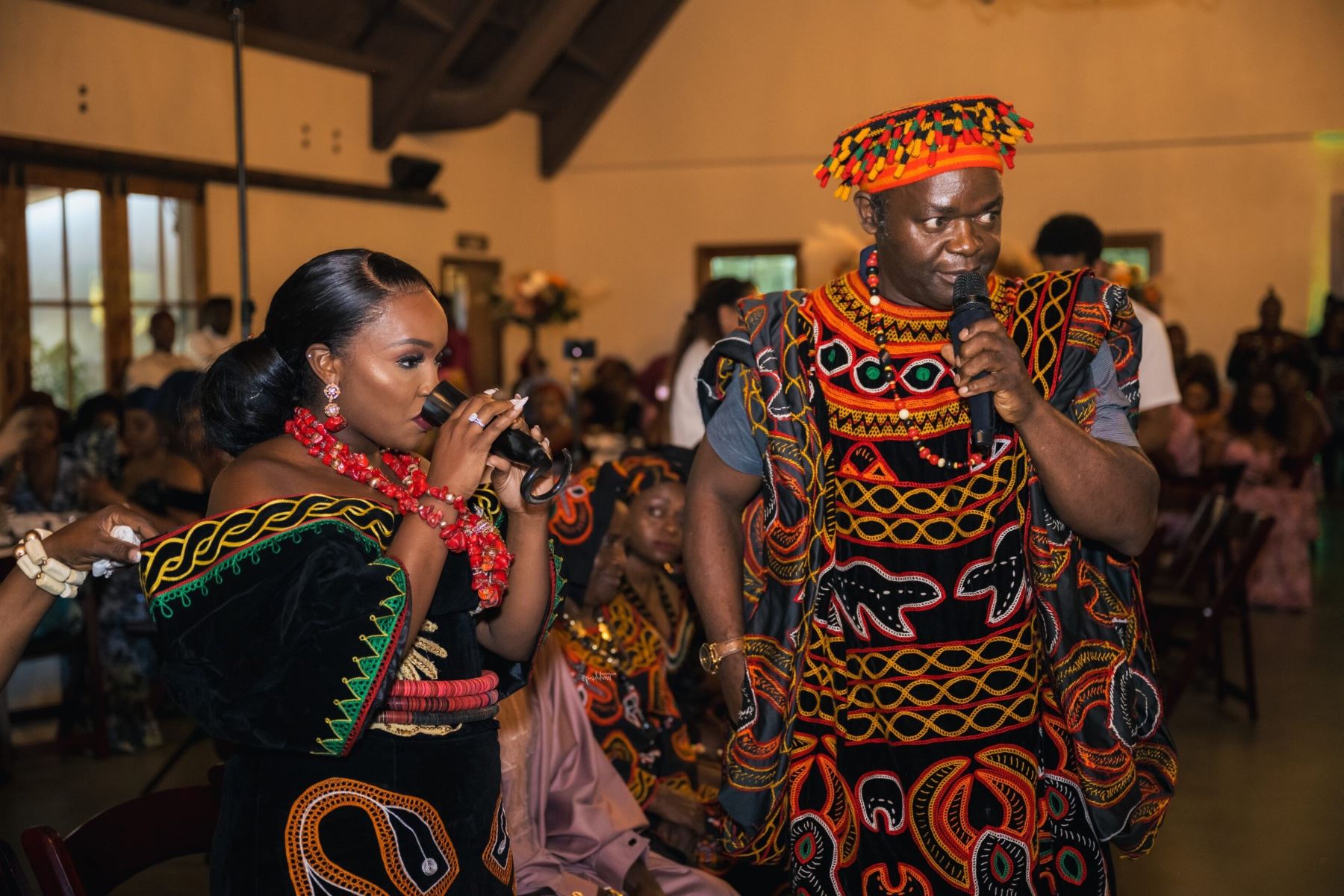
In Cameroon, the groom's family kicks off the wedding process with a knock door ceremony, formally asking for the bride's hand. The bride price negotiation that follows is a lively exchange where symbolic items like cola nuts, salt, and drinks are offered to seal the engagement.
The Enchanting World of Cameroon Wedding Traditions
Cameroon, a country rich in cultural diversity, boasts fascinating wedding traditions passed down through generations, reflecting the unique heritage of various ethnic groups.
Related travel guides: Why Did People Live A Nomadic Life On The Arabian Peninsula, Middle East Travel Tips In Africa Middle East, and West African Culture And Language In Africa Middle East.
The Bride Price Negotiation
In many Cameroonian communities, the bride price negotiation is a crucial part of the wedding process. This tradition involves the groom's family negotiating with the bride's family to agree on a suitable price.
- Symbolic Items: Often, the bride price includes items that symbolize the groom's ability to provide for his new family.
- Community Involvement: Elders from both families play a significant role in the negotiation, ensuring fairness and respect.
- Ceremonial Exchange: Once agreed upon, the items are exchanged in a ceremonial manner, marking the official engagement.
The Traditional Attire
Cameroonian weddings are a visual feast, with vibrant traditional attire taking center stage. Each ethnic group has its unique style.
- Among the Douala people, the bride often wears a beautifully embroidered dress that signifies elegance and tradition.
- The Bamileke and Bamenda people wear richly decorated garments made from velvet, showcasing intricate designs and patterns.
- Beaded Accessories: Beads play a significant role in traditional attire, with brides adorning themselves with beaded necklaces, bracelets, and headpieces.
The Pre-Wedding Rituals
Before the wedding day, several pre-wedding rituals take place, each with its own significance.
- Knocking Ceremony: Known as "knocking on the door," this ritual involves the groom's family visiting the bride's family to formally ask for her hand in marriage.
- In some communities, the bride and groom participate in activities together, symbolizing their future cooperation and partnership.
- Blessing from Elders: Elders from both families bless the couple, offering prayers and advice for a prosperous marriage.
The Wedding Day Festivities
The wedding day itself is filled with joy, music, and dance.
- Traditional Music and Dance: Drummers and dancers perform traditional music and dances, creating a lively atmosphere.
- Gift Exchange: Guests bring gifts for the couple, often practical items for their new home.
- Feasting: A grand feast is prepared, featuring local delicacies and traditional dishes.
The Post-Wedding Customs
Even after the wedding day, certain customs continue to strengthen the bond between the newlyweds and their families.
- Housewarming Ceremony: The couple's new home is blessed by elders, who offer prayers for prosperity and happiness.
- Family Integration: The bride spends time with the groom's family, learning their customs and traditions, fostering unity and understanding.
- Some communities hold celebrations, inviting others to partake in the joy of the new union.
Cameroon Wedding Traditions: A Unique Experience
Cameroon wedding traditions offer a rich blend of culture and history. From the knock door ceremony to the dowry negotiations, each step is filled with meaning. The traditional attire worn by the bride and groom adds color and vibrancy to the celebration. Dancing and music play a significant role, bringing everyone together in joy. The food served is a feast for the senses, showcasing the country's diverse culinary heritage. These customs unite the couple and their families and communities. Experiencing a wedding in Cameroon is like stepping into a world where every detail has a story. If you ever get the chance to attend one, you will leave with memories that last a lifetime. These traditions make Cameroonian weddings truly unforgettable.