

Part of our Africa Middle East guide.
Amman’s Roman Theatre, built in the 2nd century AD, held up to 6,000 spectators, and the city’s café and brunch scenes mix traditional and modern spots worth exploring. Here are three guides from our Amman coverage.
Related travel guides: Hidden Gems: Amman's Top Rooftop Bars And Patios For Spring And Summer, Hidden Gems Of Amman's Markets And Souqs, Ten Things To Do In Amman, Jordan, and Jordan Travel Guide.
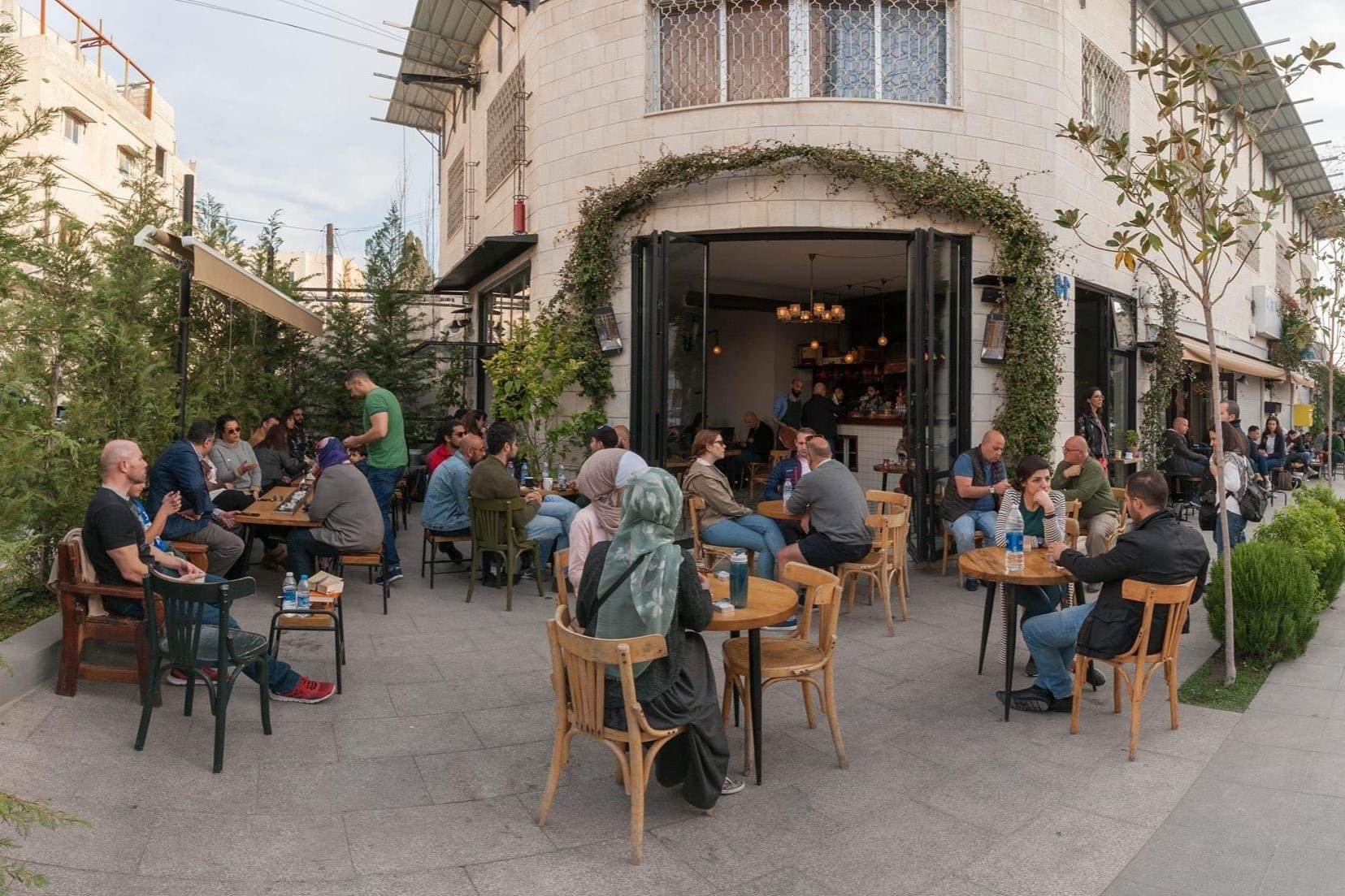
Hidden Gems: The Best Cafés In Amman, Jordan You Need To Visit
Amman’s café scene ranges from cozy corners with views to bustling people-watching spots. Look for places that serve Arabic coffee alongside pour-over brews, often in restored stone buildings with terraces overlooking the city. Some cafés double as art spaces, hosting small exhibitions in back rooms. To avoid the tourist trail, head to neighborhoods like Jabal Al-Weibdeh or Rainbow Street, where the coffee culture feels more lived-in. For those planning a wider regional trip, you might book a stopover with Emirates to add a layover in a hub city before flying into Amman.
Amman
For brunch and breakfast, Amman’s hidden gems include spots serving mezze platters, manakish fresh from the oven, and fluffy pancakes with local honey. The best places often sit in older residential streets, where a simple storefront hides a busy kitchen. Locals tend to arrive early—by 8 a.m. on weekends, popular tables fill up. Look for venues that make their own labneh and bake bread daily; those details mark the difference between a tourist trap and a real find. If you’re exploring the broader region, note that some of the most underrated experiences are hidden gems in Africa middle East, such as quiet desert wadis or hilltop ruins outside Amman itself.
The Roman Theatre In Amman, Jordan
The Roman Theatre in Amman, Jordan, offers a direct glimpse into ancient Roman entertainment, with its 2nd-century AD construction and capacity for 6,000 spectators. Built into the hillside, the theatre’s stone steps and seats remain walkable today, and you can still see the stage where gladiators and actors once performed. The site doubles as a venue for modern cultural events and concerts, so check local listings before your visit. The acoustics are excellent—sit halfway up the cavea and you can hear a coin drop from the stage. The theatre also houses a small museum with artifacts from the Roman period, though opening hours vary seasonally.
