

(opening)
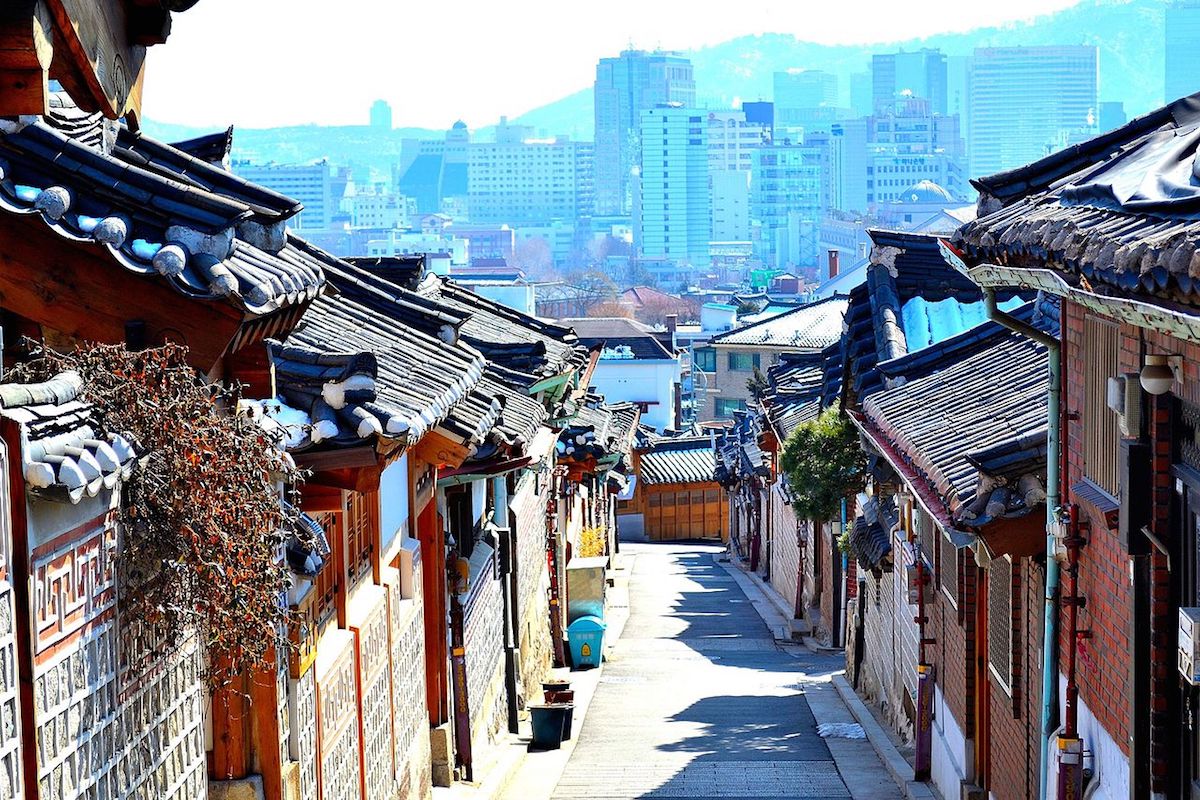
There's more to Korea than its largest city, Seoul. Somewhere in the southwestern of the country is a gem neatly tucked away — Jeonju. As the 16th largest city in South Korea, Jeonju has a lot to offer to both locals and tourists. The charming city has a great mix of urban and rural attractions, giving you plenty of room to explore.
If you’re planning to visit this side of the country, here are 10 amazing things to do in Jeonju Korea.
1.
Feel Like A Local At Jeonju Hanok Village
[caption id="attachment_72288" align="alignnone" width="1200"]
©Photo by jacobjayu0 from Pixabay[/caption]
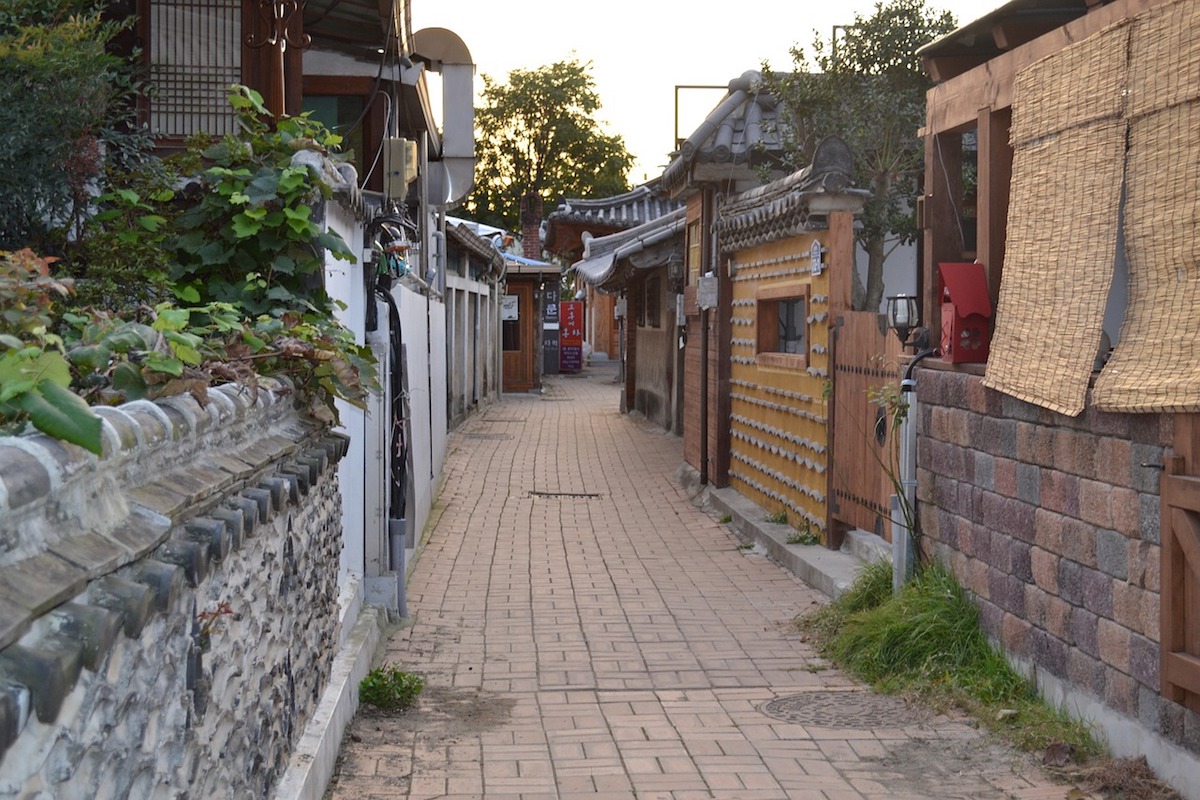
Nothing feels more authentic than staying in a traditional Korean house, the hanok. This is one of the amazing things to experience in Jeonju. The city houses the largest collection of these traditional houses in its Hanok Village. With just 15-20 minutes from the Jeonju Train Station, you get to enjoy an authentic Korean experience. Nearby Jeonbuk National University, there are restaurants and bars catering to a younger crowd.
What To Do And What To Enjoy
Most of these hanok houses are now cafes, tea houses, museums, and boutiques, giving you more reasons to enjoy a day or two in the village. Many are also guest houses, so you can stay overnight and take in the beauty longer.
The beauty of the hanok house extends beyond its architecture, designed to balance with the environment. Specific elements—long curved roofs, wood and stone materials, maru and ondol floors—make the Hanok Village a must-visit.
To fully enjoy the experience, consider staying overnight in a hanok guesthouse. Bukchon Maru Guesthouse is a great choice. For something more luxurious, Rakkojae is an excellent pick.
2.
Take A Stroll At Deokjin Park
[caption id="attachment_72299" align="alignnone" width="1200"]
©Photo by rumbeing from Pixabay[/caption]
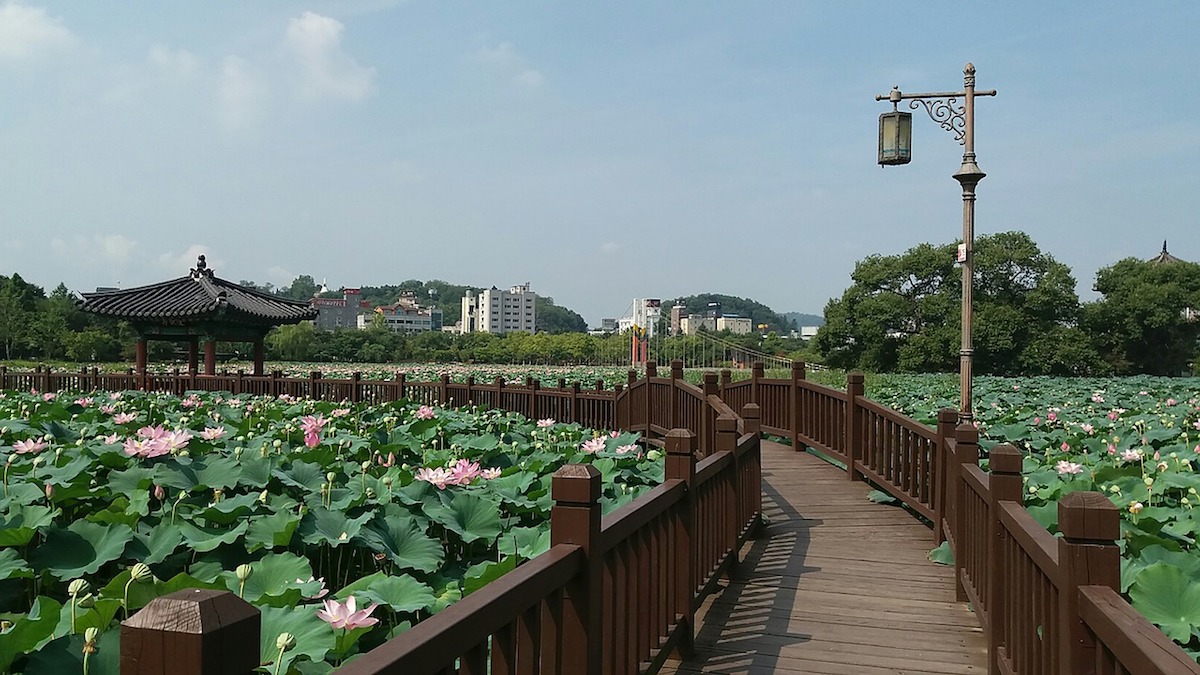
Deokjin Park is one of the most picturesque views in Jeonju, Korea. The lush greenery and serenity the park offers are enough to make you stay the whole day. It’s an excellent Jeonju day trip option to take a break from the city. It is a wonderland for photographers, too. For travelers planning a longer itinerary, this park pairs well with a month-by-month guide to the weather in Italy when coordinating seasonal travel.
What To Do And What To Enjoy
Entering the park, you’ll immediately be greeted by a huge pond coated in tightly packed Lotus Plants. The greenery covers half of the pond, and you can see turtles, ducks, and fish swimming across. Bisecting the waters is a wooden bridge, while a pagoda sits out in the middle. Crossing the bridge is a great way to take in all the beauty.
Aside from a good walk and excellent photo takings, you can enjoy a mini-cruise from the many paddle boats available, offering a different perspective of the park.
3.
Visit Cheongpyongsa Temple
[caption id="attachment_72311" align="alignnone" width="1200"]
©Photo by Tourism Knowledge Information System from Wikimedia Commons[/caption]
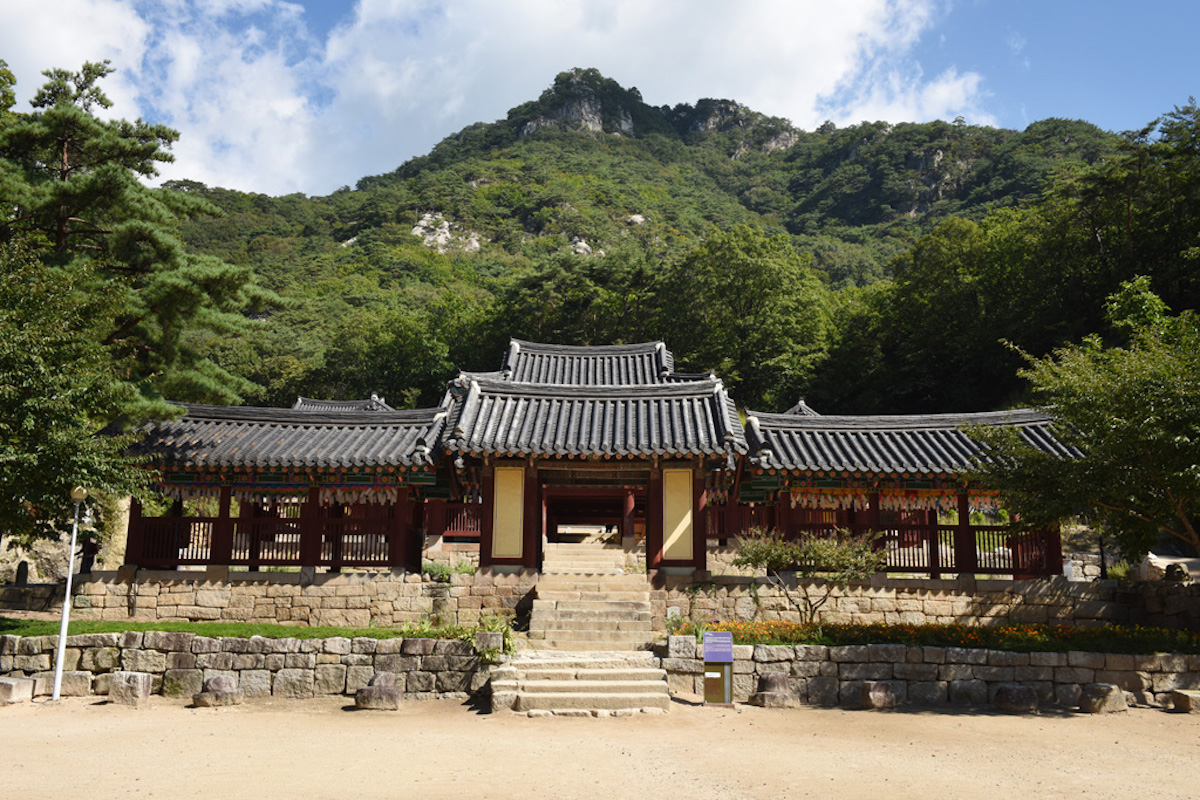
A 10-minute ferry ride from Soyang Lake will take you to the charming temple of Cheongpyeongsa. This beautiful temple in Jeonju sits peacefully on the misty slopes of Mountain Obongsan. The view is a vacation in itself.
What To Do And What To Enjoy
Cheongpyeongsa Temple, located in Chuncheon, is nestled in a valley in between two mountains. Aside from the beautiful and ancient structure of the temple, the boat trip to the temple is worth looking forward to. The trip to the temple offers a scenic view of some of Korea’s most beautiful mountains and forests. It’s a great break from the busy city life or from the tiring activities on your itinerary. Hiking up the mountain, meanwhile, gives you a better view of the town.
There’s a man-made lake nearby called Yeongji, which makes the view from the top worth the hike. Aside from that, near the temple is Cheongpyeongsa Valley. The valley is most known for its pristine water and Guseong Waterfall. What makes this waterfall special is how it’s known to make nine different sounds.
Aside from natural beauties, Cheongpyeong Temple boasts several national treasures. Among the famous ones is the temple’s “Revolving Door,” which is a symbol for the spirits moving to the afterlife. Another interesting aspect of the temple is its colors. Cheongpyeong Temple is one of the most colorful temples in all of Korea.
4.
Find Street Art In Jaman Mural Village
[caption id="attachment_72651" align="alignnone" width="1200"]
©Photo by mmmmngai from Wikimedia Commons[/caption]
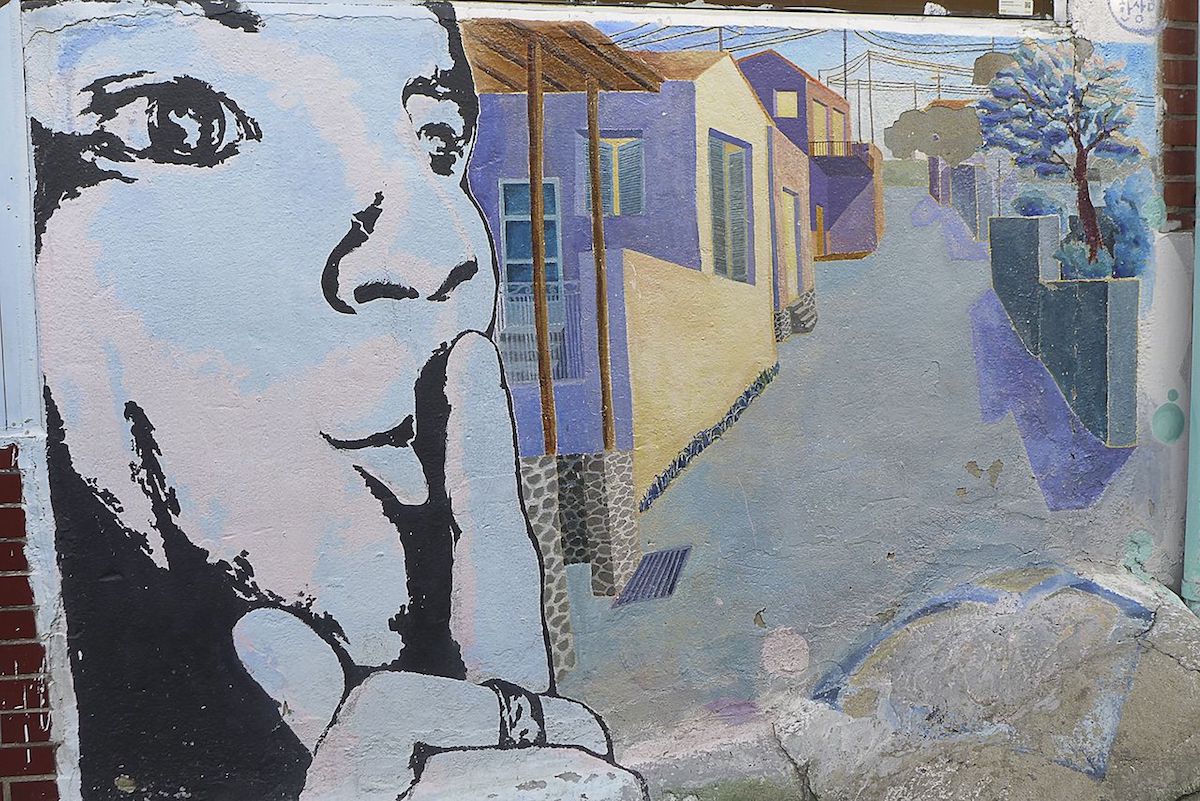
Some of the underserved neighborhoods in South Korea are experiencing a makeover through the form of murals. This initiative is to beautify the streets with vibrantly-colored and artistically painted murals on the walls, fences, or houses.
What To Do And What to Enjoy
There are a number of charming mural villages that dot South Korea, such as Ihwa Maeul, Haenggung-dong Mural Village, and Ji-dong. Meanwhile, in Jeonju, the Jaman Mural Village awaits the art lovers. This mural village is not very crowded, which gives you more space and time to look around and enjoy the street art.
Some of the murals in Jaman Village go beyond the houses, alleyways, and restaurants. They flow seamlessly, which is very interesting to look at. The colorful murals showcase various subjects, from animals, people, to anime characters and famous movies. Visitors will have a grand time taking photos as every spot and corner is picture-perfect.
After spending time walking along the streets and taking photos, you can relax and dine in the nearby cafes or restaurants.
5.
Shop To Your Heart's Content
[caption id="attachment_72848" align="alignnone" width="1200"]
©Photo by riNux from Wikimedia Commons[/caption]
Jeonju offers great shopping, famous for traditional crafts like fans and mulberry paper fans—great additions to things to buy in Korea. Beyond crafts, the city has more to explore. For planning your trip, check out "a month-by-month guide to the weather in Italy" to time your visit well.
What To Do And What To Enjoy
For higher-end crafts, head to the Crafts Exhibition Center. This center promotes traditional Korean crafts; visitors can create their own or observe artisans at work, and shop for souvenirs from master artisans.
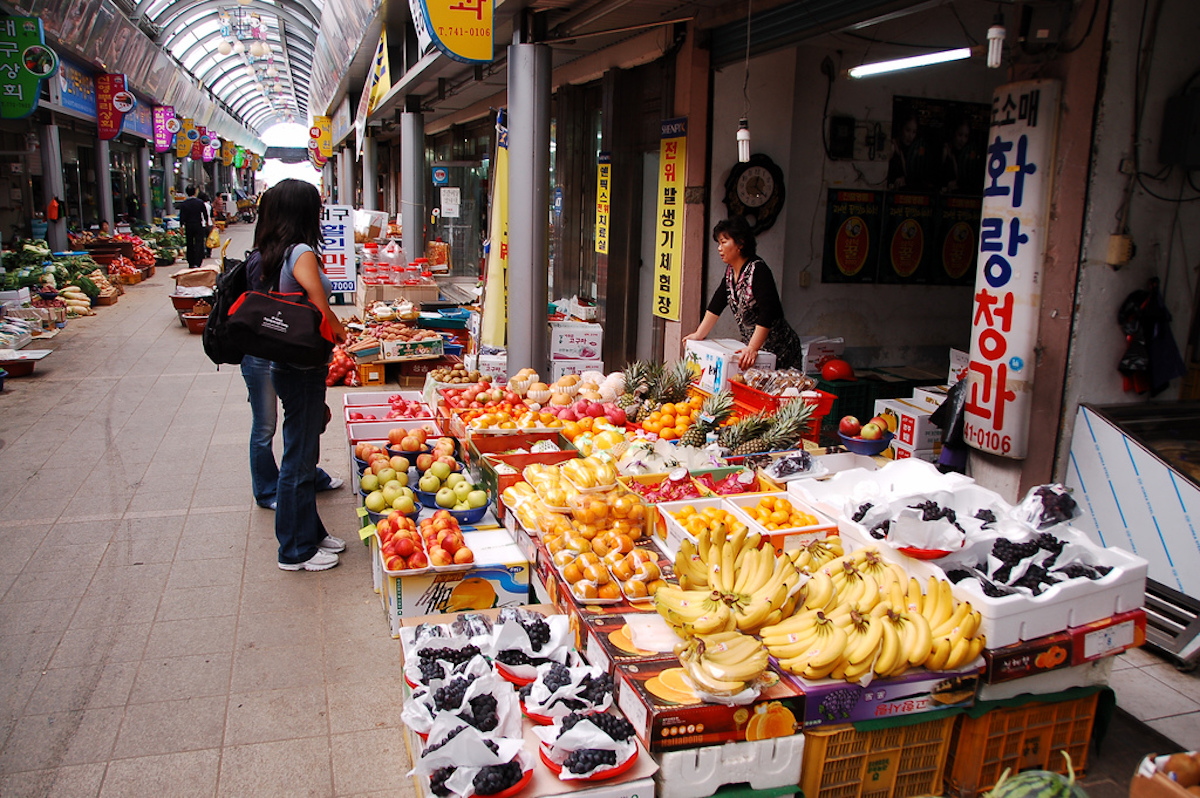
For other shopping, visit Nambu Night Market, the number one traditional market in Jeonju. With over 800 stores, it offers exotic food stalls, clothing, accessories, and furniture. Must-try local delicacies include blood sausage hot-pot, moju (sweet rice wine), makkollo (rice wine), and baekban (traditional Korean meal table).
On the second floor of Nambu Market, Cheongnyeon Mall (Youth Mall) fosters younger entrepreneurs with cafes, handicraft stores, and exotic foods. For upscale shopping, visit the Core Department Store; across Jeonju Stream, Lotte Department Store offers hundreds of Korean brand names and imported labels.
For a change of scenery, consider consulting a month-by-month guide to the weather in Italy if you plan travel beyond Korea. Meanwhile, the temple Cheongpyeongsa, located in Chuncheon, is nestled in a valley between two mountains and sits peacefully on the misty slopes of Mountain Obongsan in Chuncheon—a 10-minute ferry ride from Soyang Lake, also in Chuncheon, not Jeonju.
Search For The Best Bibimbap
[caption id="attachment_72853" align="alignnone" width="640"]
©Photo by parkminho from Pixabay[/caption]
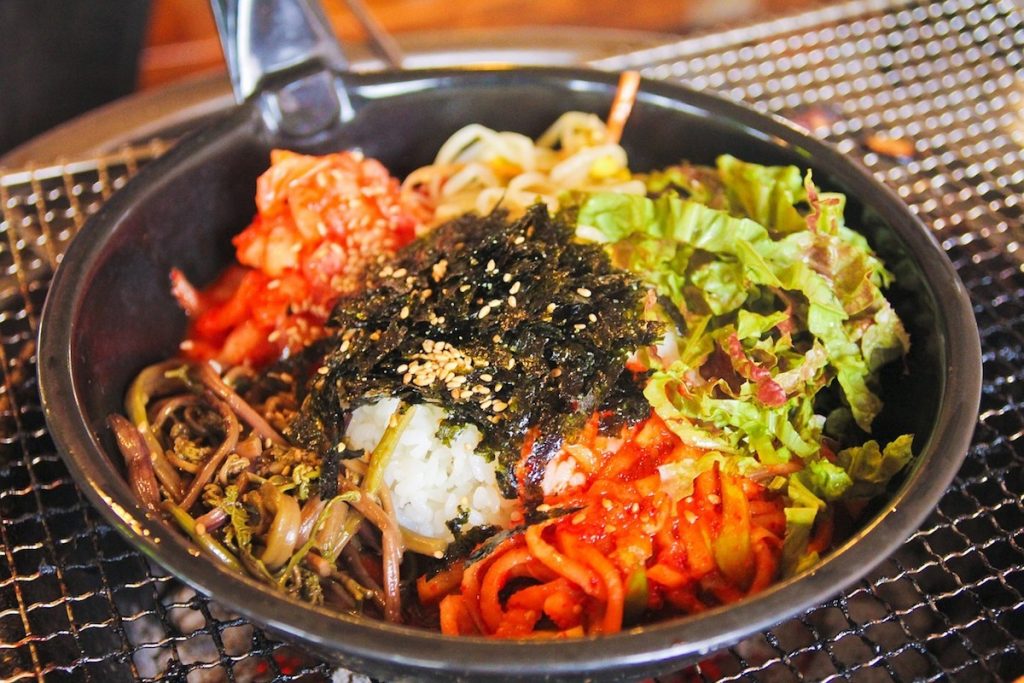
Jeonju is the home of bibimbap. This famous Korean dish of rice, beef, and vegetables is a must-try here. What makes Jeonju bibimbap stand out is the cooking process: instead of cooking the rice in water, they cook it in beef broth, which greatly adds flavor. UNESCO named Jeonju the City of Gastronomy in 2012. While you're here, grab the chance to try other delicious Korean dishes aside from bibimbap.
Best Places to Eat Bibimbap
Hangook Jib: If you want the pioneer in Jeonju bibimbap, head to Hanokjib in Jeonju. This is the first restaurant to sell bibimbap.
Gogung: Gogung is one of the most famous Jeonju restaurants that serves bibimbap. If it’s your first time in the city, this is the safest place to try a bowl. Gogung serves in the most traditional manner, making your experience all the more authentic.
Gajok Hwegwan: This Jeonju restaurant sits very conveniently in the heart of the downtown area close to Hanok Village. They make one of the best-tasting bibimbap and the location is perfect for tourists.
Myeong Seong Ok: Myeong Seong Ok may be small, but it guarantees authenticity and quality. This is evident in how taxi drivers and locals frequent this restaurant.
Seong Mi Dang: Another excellent choice when it comes to Jeonju bibimbap is Seong Mi Dang. It’s less crowded, which means you enjoy more space and privacy.
Swing By Jeonju National Museum
[caption id="attachment_72866" align="alignnone" width="640"]
©Photo by Trainholic from Wikimedia Commons[/caption]
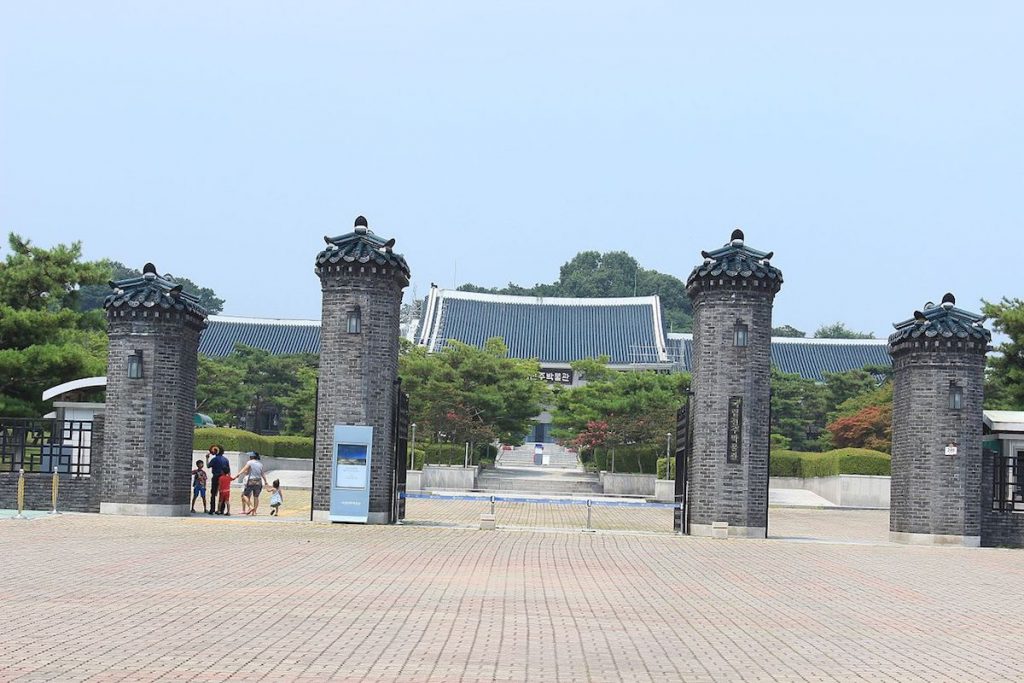
Another amazing thing to do in Jeonju is to immerse yourself in the city’s history at Jeonju National Museum. There are over 40,000 artifacts in the museum for research, exhibition, and preservation purposes.
What To Do And What To Enjoy
A few hours in the museum is a great Jeonju day trip option for history buffs. The museum houses five exhibition halls. The Ancient Culture Room has relics from the Prehistoric Age. The Fine Arts Room showcases over 350 relics from the Jeonbuk area, including a Bronze Buddha from the Three Kingdoms Period and works by local artists. The Folklore Room contains more than 300 folklore and local craftsmanship items. Jeonju National Museum also serves as a venue for educational and cultural activities, offering visitors a chance to better understand Korea’s history. There’s a gift shop for souvenirs.
Enjoy A Kettle Of Makgeolli
[caption id="attachment_72920" align="alignnone" width="640"]
©Photo by Jon Åslund from Wikimedia Commons[/caption]
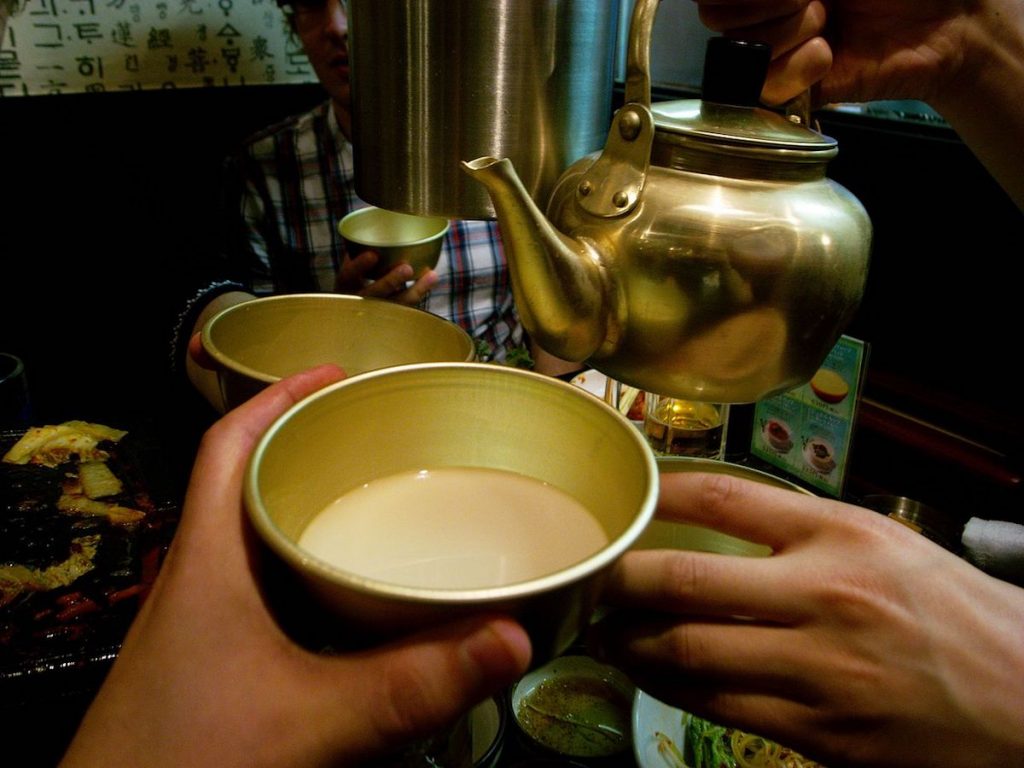
Aside from your quest to find the best bibimbap, another must-try in Jeonju is their makgeolli. Makgeolli is a traditional fermented rice liquor that’s high in amino acids, protein, and Vitamin B complex. An order of a makgeolli kettle comes with a vast array of side dishes to enjoy. The best part is when you order a second round, you’re also served with different dishes.
Where To Enjoy Makgeolli
Jeonju is home to three different makgeolli: clear (malgeunju/cheongju), chestnut (albamju), and dark (takju). The clear kind is filtered for a long time. Today, makgeolli makers have become more creative, thus you can find different flavors to enjoy, including rice wine and cream cheese, rice wine and banana, and rice wine and citron.
To find and enjoy a kettle of makgeolli, head to either the Samchundong district or the Seosindong district. These two are well-known for their “makgeolli alley.” Samchundong District serves more of the traditional dishes, while Seosindong offers younger dishes.
9.
Wear The Hanbok
[caption id="attachment_73003" align="alignnone" width="640"]
©Photo by Republic of Korea from Flickr[/caption]
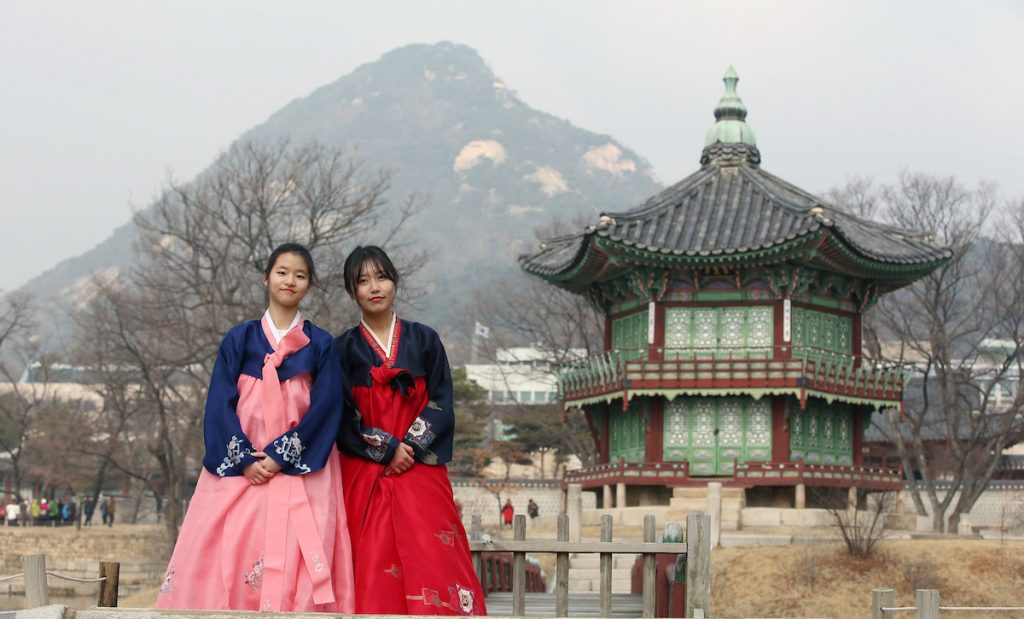
Hanbok best represents South Korea. This traditional attire is worn during festivals, ceremonies, and special occasions. In Jeonju, you can rent a hanbok for both women and men, typically as a pair, and walk the streets like a local. Rental shops cluster near the Hanok Village, offering a range of colors and styles. Wearing one grants free entry to several historic sites, including Gyeonggijeon Shrine. It’s a practical way to immerse yourself in the city’s heritage while capturing memorable photos. For those planning a trip, consider checking a month-by-month guide to the weather in Italy to compare climates, though Jeonju’s spring and autumn are ideal for hanbok strolls.
Where To Rent A Hanbok
Make your Jeonju day trip even memorable by renting a traditional hanbok. The best place to rent one is at Hanboknam Shop in Jeonju Hanok Village.
Aside from wearing the costume, you also get to enjoy free hairstyling services to complement your look. Pick from either a plain or everyday hanbok or a more elaborate one. The shop has over 100 sets of hanbok to choose from so there’s one perfect for you.
Experience The Jeonju Nightlife
[caption id="attachment_73036" align="alignnone" width="640"]
©Photo by Giuseppe Milo from Wikimedia Commons[/caption]
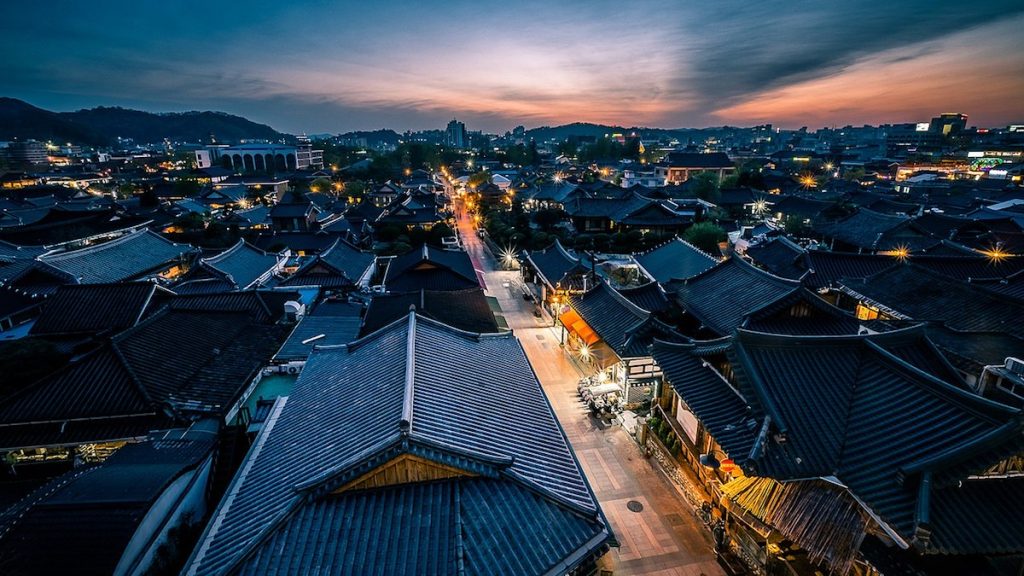
Jeonju is not one to be left behind when it comes to nightlife. The city has some areas perfect for drinks and to unwind and have a good time. Sinsigaji is another popular area to hang out and have a few drinks. It’s a newly developed district with a variety of bars and clubs dotting the area. For a different kind of evening, consider consulting a month-by-month guide to the weather in Italy to plan a future trip, or look into things to do in Pattaya, Thailand for another nightlife destination.
Where To Experience Jeonju Nightlife
Deepin is Jeonju's pioneer expat hang-out area since the 1990s. It’s perhaps the best westerner bar in Jeonju and can be quite packed on weekends, offering a mix of locals and tourists. Another western-style bar, Tombstone 1, features frequent fire and juggling shows for your amusement.
For a blend of western and Korean music, Music Bank is an excellent choice. Tu-Pak offers various in-house DJs while you enjoy a drink. If you are planning a broader trip, consider consulting a month-by-month guide to the weather in Italy for timing, or look into things to do in Pattaya, Thailand for another vibrant nightlife destination.
Going Around Jeonju
[caption id="attachment_84103" align="alignnone" width="1200"]
©Photo by Minseong Kim on Wikimedia Commons[/caption]
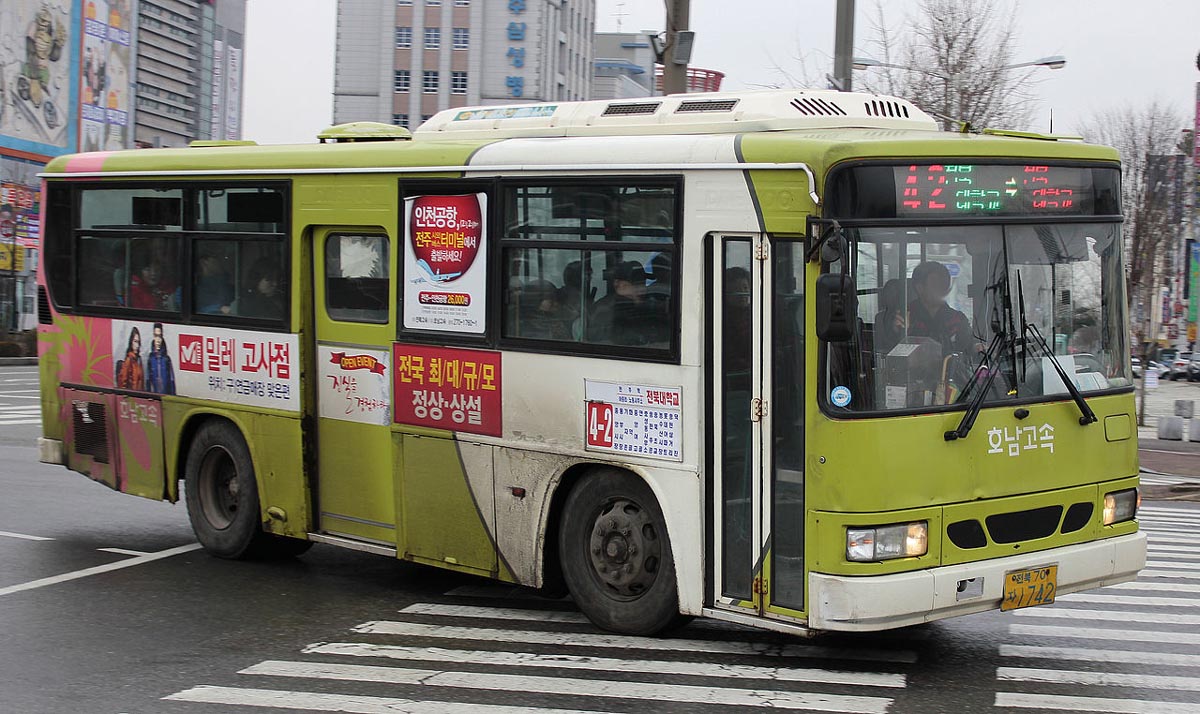
Going to Jeonju from any other city in South Korea can be done via plane, bus, or train. The fastest is via plane. If you’re coming from Seoul, the plane ride is about 55 minutes to Jeonju Airport.
If you opt for the train, the Jeonju Station has extensive services to major centers in South Korea. The Intercity Bus Terminal of Jeonju connects the city to other major South Korea centers, offering mountain views along the way. Moving around Jeonju is easy via taxis or car rentals.
Best Time To Visit Jeonju Korea
[caption id="attachment_84104" align="alignnone" width="1200"]
©Photo by Altostratus on Wikimedia Commons[/caption]
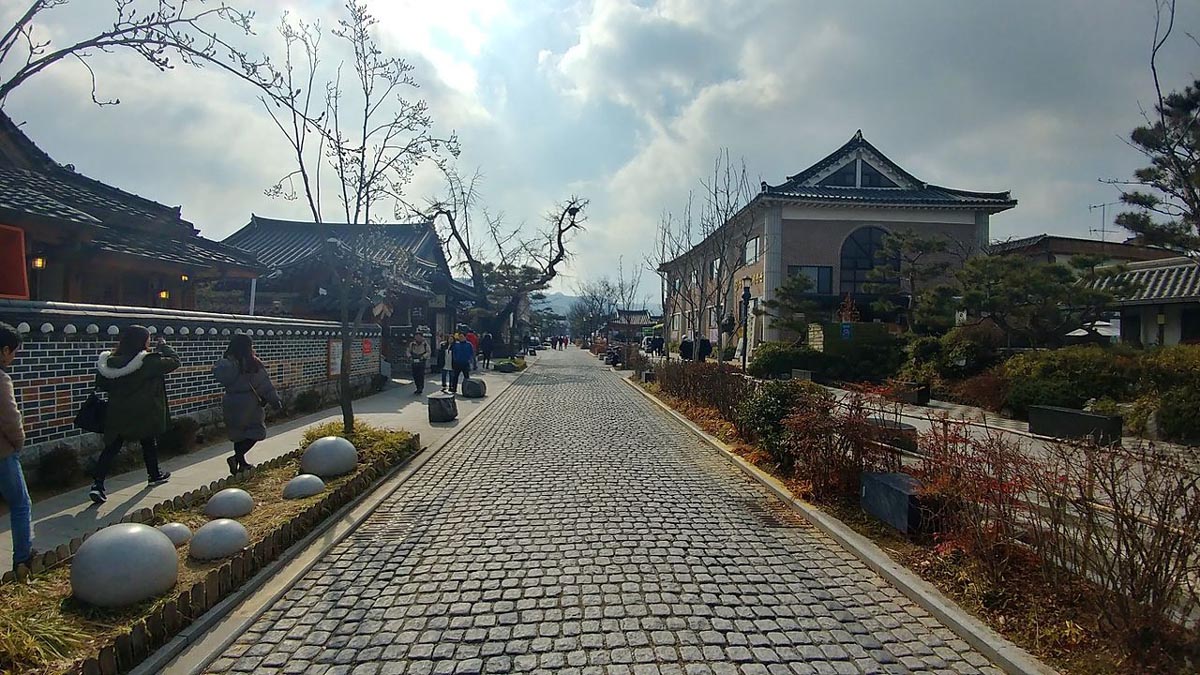
To fully enjoy your visit, it pays to know about Jeonju weather. The warmest months are June, July, and August, with August being the hottest. Spring in April and autumn in September are excellent times to visit. The busiest months are January, May, and April, when tourism is high and hotel and flight prices rise. December is the low season and the least expensive month. For broader travel planning, consider consulting a month-by-month guide to the weather in Italy for comparison, though Jeonju’s climate differs.
Jeonju Korea Is More Than Just a Stopover
Just like the other cities in South Korea, Jeonju holds a significant role in preserving and showcasing the best of Korea. Hailed as a food capital, Jeonju is home to delicious cuisine and meticulous meal preparations. Aside from that, there are many other interesting sights to see and things to try in this charming city.
So next time you're in South Korea, consider visiting Jeonju and let the city convince you that it's more than just a stopover.
