

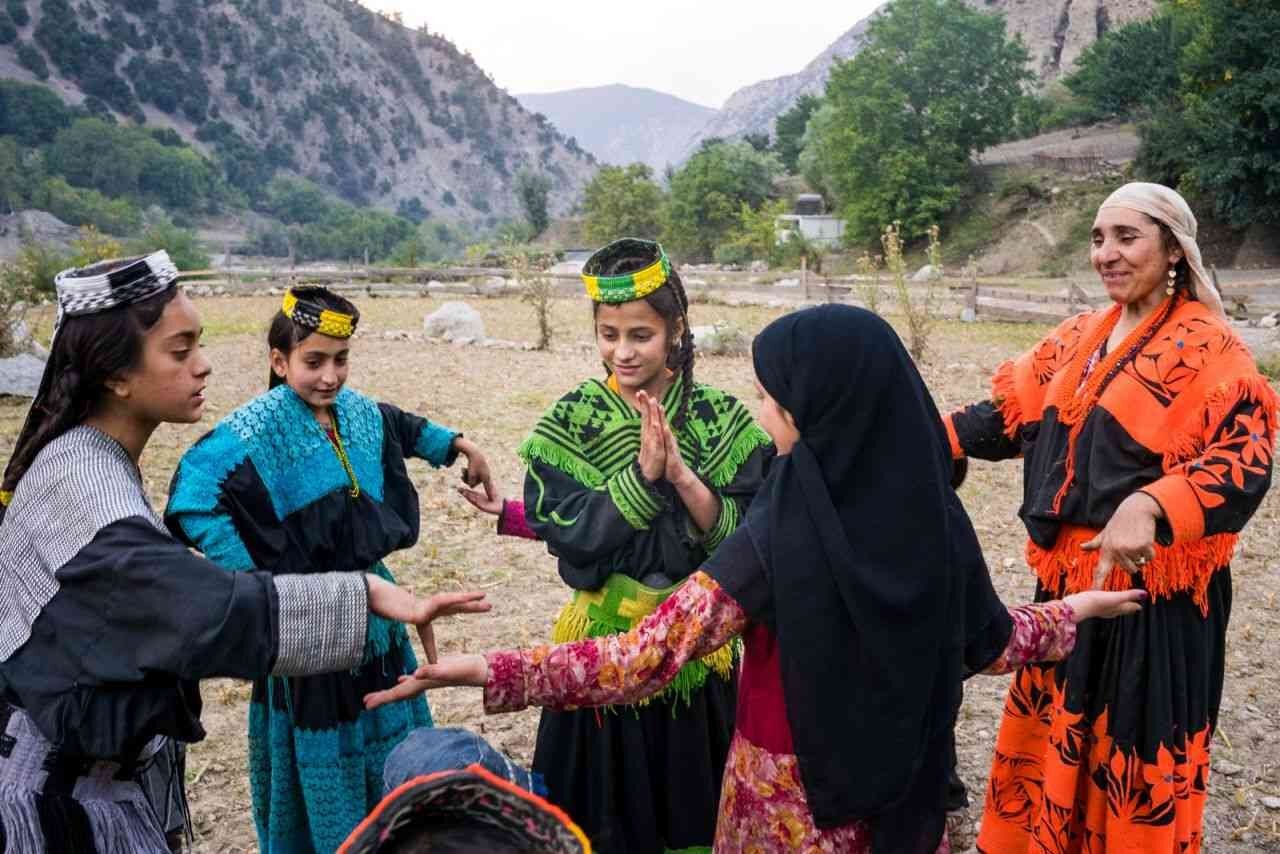
Cultural traditions still alive today include festivals, rituals, clothing, crafts, and music passed down through generations. These practices connect us to history and community, offering a glimpse into the past while enriching our present.
Traditional Festivals
Festivals reflect the heart and soul of a culture, bringing people together through music, dance, and rituals.
- Diwali in India: Known as the Festival of Lights, Diwali symbolizes the victory of light over darkness. Families light oil lamps, burst fireworks, and share sweets.
- Carnival in Brazil: This vibrant festival features parades, samba music, and elaborate costumes. It marks the beginning of Lent and showcases Brazil's rich cultural diversity.
- Oktoberfest in Germany: Originating in Munich, this beer festival attracts millions. It celebrates Bavarian culture with traditional music, food, and beer.
Unique Rituals
Rituals hold deep spiritual significance, connecting people to their ancestors and beliefs.
- Day of the Dead in Mexico: Families honor deceased loved ones by creating altars with their favorite foods, photos, and marigolds. It's a celebration of life and death.
- Ma'nene in Indonesia: The Toraja people of Sulawesi exhume and clean the bodies of their ancestors, dressing them in new clothes.
- Tea Ceremony in Japan: This ritualistic preparation of tea emphasizes harmony, respect, purity, and tranquility. It's a meditative practice refined over centuries.
Traditional Clothing
Clothing signifies cultural identity, with each piece telling a story of its origins.
- Kimono in Japan: This traditional garment, worn on special occasions, features intricate designs and symbolizes Japanese culture and aesthetics.
- Sari in India: A long piece of cloth draped elegantly, the sari is a symbol of grace and tradition, worn by women across India.
- Kilt in Scotland: This knee-length skirt, made of woolen cloth in a tartan pattern, represents Scottish heritage and is worn during cultural events.
Ancient Crafts
Craftsmanship passed down through generations keeps ancient techniques alive, showcasing the artistry of a culture.
- Pottery in Greece: Greek pottery, with its distinctive black and red figures, tells stories of mythology and daily life. Artisans continue to create these pieces.
- Weaving in Peru: The Andean people weave intricate textiles using traditional methods. These colorful fabrics depict symbols of their cosmology and history.
- Wood Carving in Bali: Balinese wood carvers create sculptures and masks depicting deities and mythological creatures, preserving their artistic heritage.
Traditional Music and Dance
Music and dance express the soul of a culture, passed down through generations.
- Flamenco in Spain: This passionate dance form, accompanied by guitar and singing, reflects the cultural tapestry of Andalusia.
- Hula in Hawaii: Hula dance, accompanied by chants and music, tells stories of Hawaiian mythology and history, preserving the islands' cultural heritage.
- Samba in Brazil: Samba, with its lively rhythms and movements, is a symbol of Brazilian culture, celebrated during Carnival and other festivities.
These traditions, whether through festivals, rituals, clothing, crafts, or music, continue to thrive, offering a window into the diverse cultures that make our world rich. From Japan's tea ceremonies to Mexico's Day of the Dead, they connect us to our roots and foster empathy for different perspectives. For more on related topics, explore our guides on global music and carnivals in arts culture and hidden secret gems in arts culture. The Dixie Stampede dinner show - everything you need also offers a living performance tradition, while events and seasons in arts culture highlights how seasonal celebrations keep heritage alive.
