

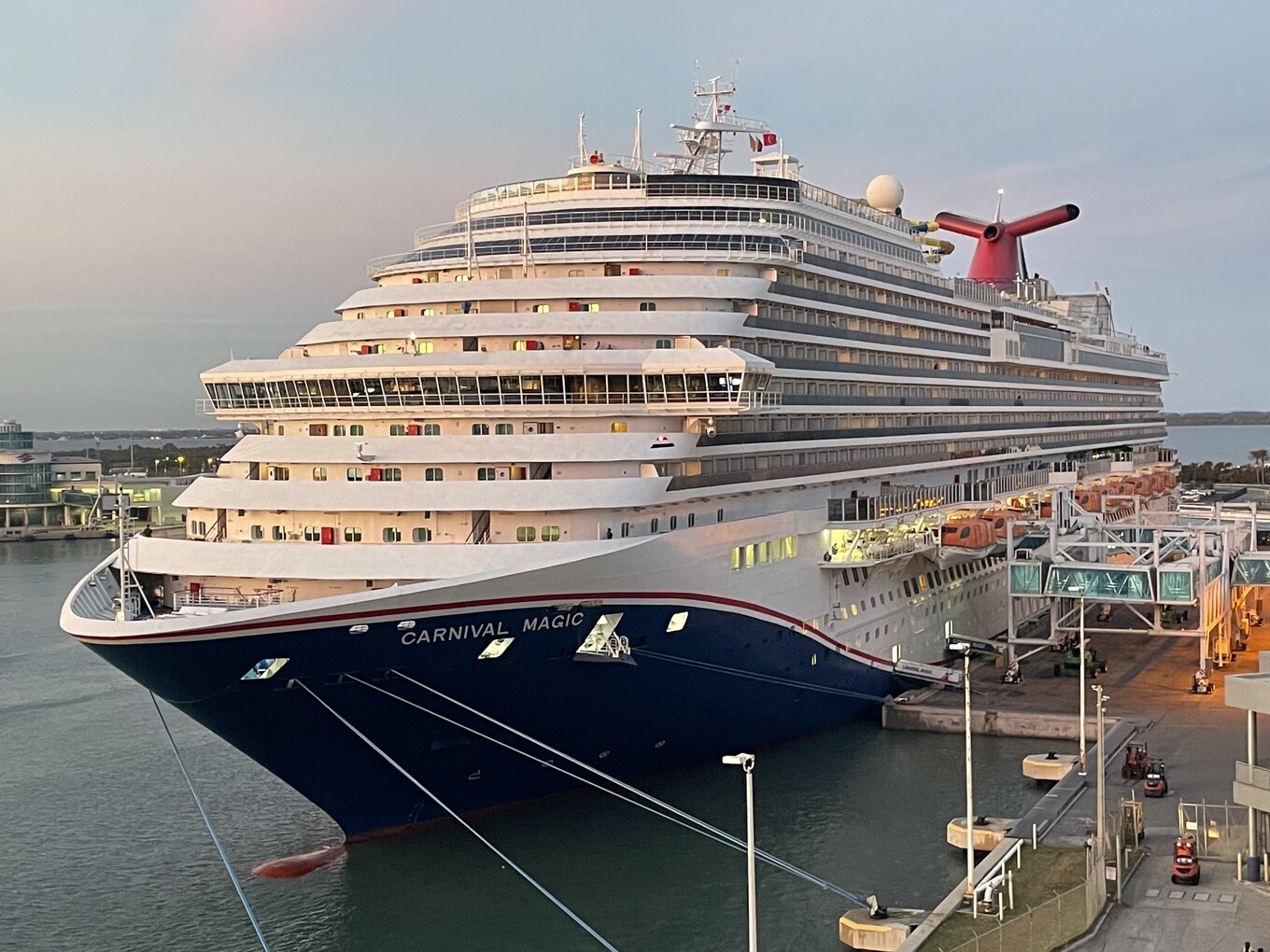
On a cruise ship, decks are numbered from the bottom to the top, starting with Deck 1 as the lowest. However, the lowest decks are often closed to passengers, so most guests board on Deck 4 or 5, and some modern ships replace higher deck numbers with thematic names like Promenade or Lido Deck. This system helps you navigate the ship and locate staterooms, pools, and observation areas.
Deck Numbering Systems
Deck numbering systems on cruise ships can vary depending on the cruise line and the age of the ship. Generally, there are two main types: traditional and modern.
Related travel guides: What Decks To Avoid On A Cruise Ship.
In the traditional deck numbering system, decks are numbered consecutively from the bottom to the top of the ship. The lowest deck is often referred to as the "lower deck" or "Deck 1." As you move upwards, the deck numbers increase incrementally. This system is straightforward and easy to understand. Many guests board on about Deck 4 or Deck 5, as the lowest deck is often not open to passengers.
However, with the evolution of modern cruise ships, a new deck numbering system has emerged. In this system, the lower decks are still numbered consecutively, but the higher decks are given thematic names instead of numbers. These names often reflect the different amenities and entertainment options available on each deck, making it easier for passengers to remember and locate specific areas.
The modern deck numbering system often includes deck names like Promenade Deck, Lido Deck, Sports Deck, or Sun Deck. These names not only provide a better sense of the ship's layout but also add a touch of personality to the overall cruising experience. The top deck offers fantastic views and may house specialized amenities such as observation decks, swimming pools, or outdoor activities.
Whether using numbers or thematic names, these deck numbers play a crucial role in helping passengers navigate the various decks and public areas.
Traditional Deck Numbering
In the traditional deck numbering system, each deck on a cruise ship is assigned a number based on its position from the bottom to the top of the ship. This system is straightforward and commonly used on older cruise ships.
The lowest deck, also known as the "lower deck" or "Deck 1," is often not open to passengers. Many guests board on about Deck 4 or Deck 5. As you move upward, each subsequent deck is numbered sequentially, increasing as you go higher.
The higher decks on a traditional numbering system are usually reserved for passenger facilities and amenities. You'll find dining halls, entertainment venues, and other public spaces on these decks.
The traditional deck numbering system is practical and easy to understand, as it follows a linear progression from bottom to top. Passengers can navigate between decks by simply following the ascending or descending deck numbers assigned to staircases and elevators. It also provides a sense of familiarity and consistency across different cruise ships that adopt this system.
While the traditional deck numbering system is still prevalent on many cruise ships, it is gradually being replaced or supplemented by modern deck numbering systems that incorporate thematic names for higher decks. This shift is mainly driven by the desire to enhance the passenger experience and make it easier to locate specific amenities on the ship.
Now that we've explored the traditional deck numbering system, let's delve into the modern methods used today and the significance of thematic deck names.
Modern Deck Numbering
In recent years, cruise lines have embraced a more modern approach to deck numbering, incorporating thematic names for higher decks. This shift adds personality and makes it easier to remember and locate specific amenities.
While lower decks in the modern numbering system are still numbered consecutively, higher decks are given names that reflect the available amenities and entertainment options. These names vary by cruise line and ship, often evoking luxury, adventure, or relaxation.
Examples of deck names include Promenade Deck, Lido Deck, Sports Deck, Sun Deck, or Spa Deck. The Promenade Deck may feature shops, restaurants, and lounges, while the Lido Deck could house the main swimming pool and outdoor dining areas.
The use of thematic deck names simplifies navigation. Passengers can easily remember the deck associated with their favorite amenities, making it more convenient to access various parts of the ship.
Modern deck numbering systems often incorporate color coding or icons on deck plans and onboard signage to help passengers quickly identify specific areas of interest.
While modern deck numbering systems are becoming more prevalent, they may not completely replace traditional linear numbering. Some ships combine both systems, with lower decks numbered sequentially and higher decks given thematic names.
Ultimately, the modern deck numbering system enhances passenger convenience and adds creativity to the cruise experience. It allows cruisers to navigate the ship more easily, discover new amenities, and make the most of their time on board.
Now that we understand the modern deck numbering system, let's explore how these deck numbers are used to designate public areas and staterooms on a cruise ship.
Designation of Public Areas
Deck numbers on a cruise ship play a crucial role in designating and organizing public areas. From dining venues to entertainment facilities, these deck numbers help passengers easily locate and access the amenities and services available to them during their cruise.
Public areas are typically assigned to specific decks based on their function and purpose. For example, you might find restaurants and dining areas concentrated on certain decks, while entertainment venues like theaters and lounges are located on different decks. This deck designation allows for efficient layout planning and ensures that passengers can easily locate the areas they desire.
The deck number associated with each public area is often indicated on deck plans and onboard signage. These visual aids provide passengers with a comprehensive overview of the ship's layout, making it easier to navigate and explore the various offerings available on different decks.
On larger cruise ships, you may find multiple decks dedicated to specific types of public areas. For instance, a particular deck might be designated for shopping and boutiques, another deck for recreational facilities like casinos and sports courts, and yet another deck for relaxation areas such as spas and wellness centers.
The use of thematic deck names in modern deck numbering systems further enhances the distinction and designation of public areas. For example, if you're looking for a particular restaurant, you can easily refer to the deck plan to find the deck associated with dining venues.
It's essential to familiarize yourself with the deck numbering system and the location of public areas, as this will allow you to efficiently navigate the ship and make the most of the amenities and entertainment options available to you during your cruise. When planning your trip, you may also want to check how far is the cruise port from Fort Lauderdale attractions to coordinate your arrival.
Now that we understand how deck numbers are used to designate public areas, let's explore how these numbers are significant when it comes to locating staterooms on a cruise ship.
Location of Staterooms
Deck numbers on a cruise ship are essential for passengers when it comes to locating their staterooms. Staterooms, also known as cabins, are the private accommodations where passengers rest and relax during their cruise.
Staterooms are typically located on multiple decks throughout the ship. The deck number assigned to each stateroom provides valuable information about its location, making it easier for passengers to find their rooms amidst the vastness of the ship.
On most cruise ships, staterooms are organized by deck and categorized into different types, such as interior, ocean view, balcony, or suite. Lower deck numbers often correspond to lower-level staterooms, while higher deck numbers indicate staterooms located on higher levels of the ship.
When booking a cruise, passengers can often choose their preferred deck or stateroom category based on their preferences. Some passengers may prefer a lower-deck location for easy access to public areas and amenities, while others may choose a higher deck to enjoy better views or a quieter atmosphere.
In addition to the deck number, staterooms are typically assigned unique identifiers, such as a cabin number or letter combination. These identifiers further narrow down the location within a specific deck. For example, a stateroom might be identified as "Deck 8, Cabin 832" or "Deck 10, Suite A12."
Deck plans and signage throughout the ship often provide clear directions to staterooms, allowing passengers to find their accommodations quickly and efficiently. Passengers can refer to the deck plan, which usually includes a legend indicating the stateroom numbers and their corresponding deck locations.
It's important to note that the location of staterooms can impact the cruising experience. Staterooms located near public areas or high-traffic areas might experience more noise, while those situated higher in the ship may offer better views but require more walking or elevator usage.
By understanding the deck numbering system and the location of staterooms, passengers can have a better grasp of where their accommodations are situated and plan accordingly. Whether you prefer a central location for easy access to amenities or a tranquil spot with breathtaking vistas, the deck number and stateroom location information will help you make an informed decision.
Now that we've explored the significance of deck numbers in locating staterooms, let's move on to the importance of deck plans and signage on a cruise ship.
Deck Plans and Signage
Deck plans and signage help passengers navigate a cruise ship. They provide visual representations of the ship’s layout and guide passengers to amenities, public areas, and staterooms.
Deck plans are provided upon embarkation or accessed digitally through the ship’s app or onboard screens. These detailed diagrams show the different decks and highlight the locations of amenities and staterooms.
Deck plans typically include deck numbers, stateroom numbers, public areas, restaurants, entertainment venues, and other facilities. This clear presentation allows passengers to understand the ship’s layout and plan activities.
Signage is placed near elevators, staircases, and at important junction points to guide passengers. Signs often include deck numbers, directional arrows, and icons—for example, a sign may display the deck number with an arrow toward the dining area or indicate the nearest restroom.
The lowest deck is often not open to passengers. Deck plans also list named decks, such as the Promenade Deck, as an example of a deck name.
Clear signage reduces confusion and provides a visual reference for orientation. Whether you’re seeking a lounge, a restaurant, or your stateroom, deck plans and signage guide you efficiently.
If you need to file a complaint with Norwegian cruise line, the ship’s guest services desk can provide the correct procedure.
Conclusion
The deck numbering system on a cruise ship is not just a series of numbers; it is a vital element that facilitates navigation and enhances the overall cruising experience.
Understanding the significance of deck numbers allows passengers to easily locate public areas, such as dining venues, entertainment facilities, and relaxation spaces. Deck plans and signage serve as valuable tools, providing detailed diagrams and clear directions to guide passengers throughout the ship.
So, the next time you embark on a cruise adventure, pay attention to the deck numbering system, deck plans, and signage. Use this knowledge to your advantage, allowing you to navigate the ship effortlessly and discover all the wonderful experiences it has to offer. With an understanding of how decks are numbered and the significance behind it, you'll be well-prepared to embark on a memorable and smooth sailing journey on your chosen cruise ship.
