

Śmigus-Dyngus, Poland’s “Wet Monday,” is a day of playful water fights held the Monday after Easter, with roots that blend pre-Christian spring rites and Christian baptism symbolism. The tradition likely began as ancient Slavs celebrated the arrival of spring with water rituals meant to symbolize cleansing and renewal, later merging with Easter’s theme of baptism.
What is Smigus Dyngus?
Smigus Dyngus, also known as Wet Monday, is a unique Polish tradition celebrated on the Monday after Easter. This day involves playful water fights, symbolizing baptism, renewal, and the arrival of spring.
Historical Roots of Smigus Dyngus
Understanding the origins of Smigus Dyngus helps appreciate its significance. This tradition dates back centuries, blending pagan and Christian customs.
- Pagan Rituals: Ancient Slavs celebrated the arrival of spring with water rituals symbolizing cleansing and renewal.
- Christian Influence: With the spread of Christianity, these water rituals merged with Easter celebrations, symbolizing baptism and renewal.
How is Smigus Dyngus Celebrated?
The festivities of Smigus Dyngus are marked by various activities.
- Water Fights: The most iconic part involves dousing friends and family with water. Buckets, water guns, and even hoses come into play.
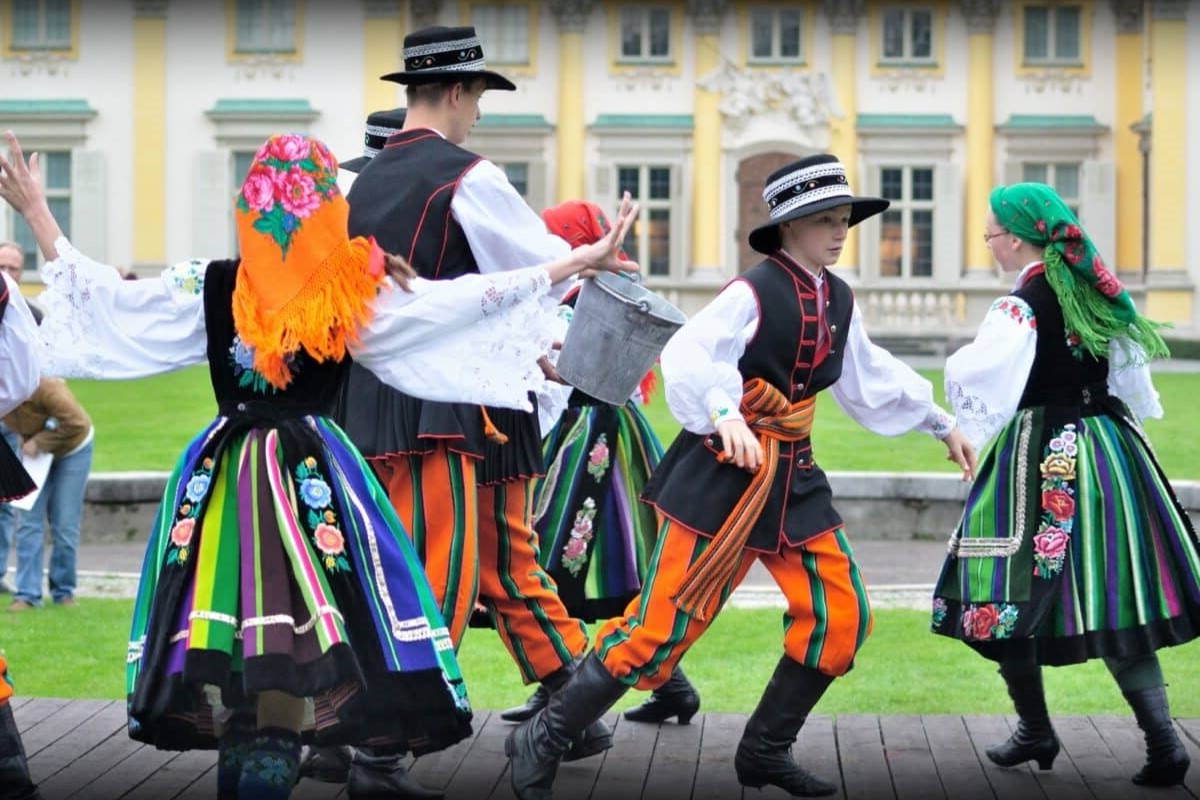
- Traditional Costumes: In some regions, people dress in folk costumes, adding a cultural touch to the celebrations.
- Visiting Neighbors: It’s customary to visit neighbors and friends, often leading to spontaneous water battles.
Regional Variations of Smigus Dyngus
Different parts of Poland have their unique twists on Smigus Dyngus.
- Krakow: Known for its large-scale water fights in the main square, attracting both locals and tourists.
- Podhale: In this mountainous region, people incorporate traditional highlander music and dances into the festivities.
- Warsaw: The capital city often hosts organized events, including parades and concerts.
Modern Adaptations of Smigus Dyngus
While the essence of Smigus Dyngus remains, modern times have brought new ways to celebrate.
- Social Media Challenges: Many young people share their water fight experiences online, creating viral trends.
- Eco-Friendly Practices: Some communities promote using less water or biodegradable water balloons to minimize environmental impact.
- Charity Events: In recent years, some have turned the day into a fundraising opportunity, with proceeds going to local charities.
Why Smigus Dyngus Matters
Smigus Dyngus holds deeper cultural and social significance.
- Community Bonding: The day fosters a sense of community, bringing people together in a shared experience.
- Cultural Preservation: Celebrating Smigus Dyngus helps preserve Polish traditions and pass them on to younger generations.
- Symbol of Renewal: The water symbolizes renewal, aligning with the themes of Easter and spring.
Embracing the Fun of Smigus Dyngus
Smigus Dyngus, also known as Wet Monday, is a unique Polish tradition that brings communities together. Celebrated on the Monday after Easter, this day is filled with water fights, laughter, and joy. People of all ages participate. The origins of this tradition are rooted in both pagan and Christian customs, symbolizing baptism, renewal, and the arrival of spring.
Visiting Poland during this time offers a chance to experience local culture in a fun, interactive way. Whether you’re getting soaked or just watching the festivities, Smigus Dyngus is an unforgettable experience. So, if you find yourself in Poland after Easter, don’t be surprised if you get splashed with water. Embrace the fun, join in the celebration, and enjoy the vibrant spirit of this unique Polish holiday.
Related travel guides: What Is An I-571 Travel Document, What Is Your Travel Document Number (If Any) On Form I-765, and Where Was The Passport/Travel Document Issued On DS-160.
