

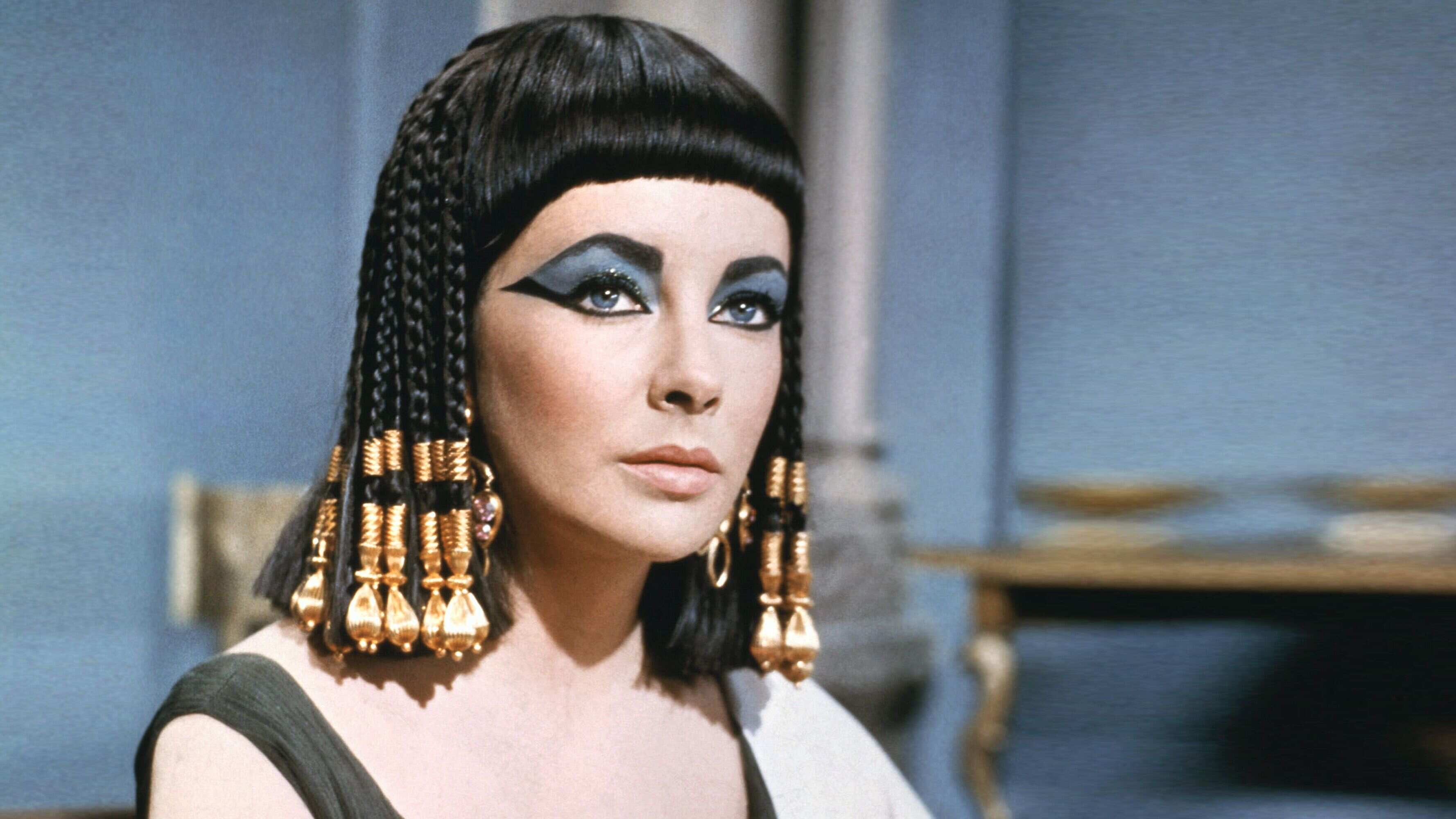
Cleopatra’s iconic eye make-up was a blend of beauty, health, and spiritual belief, not just a fashion choice. Ancient Egyptians believed the bold kohl and green eye shadow protected them from evil spirits and eye infections in the harsh desert sun.
Cleopatra’s Eye Make-Up: A Historical Marvel
Cleopatra, the last active ruler of the Ptolemaic Kingdom of Egypt, is often remembered for her stunning beauty and iconic eye make-up. Her look carried practical and symbolic weight that modern archaeology and historical records continue to uncover.
Related travel guides: The Surprising Story Behind Soho's Name, Medical Oddities And Strange Museums, and Mystery Vortexes And Gravity Hills.
The Ingredients of Cleopatra’s Eye Make-Up
Cleopatra’s eye make-up was made from natural ingredients readily available in ancient Egypt. These were chosen for both beauty and medicinal benefits.
- Galena (Lead Sulfide): This dark, metallic mineral was ground into a fine powder and used to create kohl, the black eyeliner Cleopatra famously wore. It was believed to protect the eyes from the harsh sun and ward off infections.
- Malachite: This green mineral was crushed and used as eye shadow. It was thought to have protective properties and was also used to ward off evil spirits.
- Honey: Used as a base for the make-up, honey had antibacterial properties that helped keep the skin around the eyes healthy and free from infections.
The Application Techniques
The way Cleopatra applied her eye make-up was as important as the ingredients themselves. The techniques were precise and served specific purposes.
- Kohl Application: Kohl was applied using a small stick, starting from the inner corner of the eye and extending outward. This defined the eyes and helped reduce glare from the sun.
- Malachite Eye Shadow: Applied to the eyelids, malachite eye shadow added a pop of color and was believed to provide spiritual protection.
- Layering: Cleopatra often layered her eye make-up to create a dramatic effect. This technique also ensured that the make-up stayed in place throughout the day.
The Symbolism Behind Cleopatra’s Eye Make-Up
Cleopatra’s eye make-up held significant cultural and symbolic meanings beyond beauty.
- Protection: The Egyptians believed that eye make-up protected them from evil spirits and the “evil eye.” It was also thought to have healing properties.
- Status and Power: Wearing elaborate eye make-up was a sign of high status and power. Cleopatra’s make-up signified her royal status and her connection to the gods.
- Religious Significance: The eye make-up was often associated with the Eye of Horus, an ancient Egyptian symbol of protection, royal power, and good health.
The Modern Influence of Cleopatra’s Eye Make-Up
Cleopatra’s iconic eye make-up continues to influence modern beauty trends. Many contemporary styles draw inspiration from her dramatic and bold look.
- Cat-Eye Liner: The cat-eye liner, a popular make-up trend today, is directly inspired by Cleopatra’s kohl-lined eyes.
- Bold Eye Shadows: The use of vibrant and bold eye shadows can be traced back to Cleopatra’s use of malachite and other minerals.
- Natural Ingredients: The trend of using natural and organic ingredients in make-up products is reminiscent of the ancient Egyptian practice of using natural minerals and substances.
Cleopatra’s eye make-up was a blend of beauty, symbolism, and practicality. Its influence can still be seen in modern beauty trends.
Cleopatra’s Timeless Beauty Secret
Cleopatra’s eye make-up wasn’t just about beauty. The kohl she used helped protect her eyes from infections and the harsh sun. Made from galena and malachite, these minerals had antibacterial properties. This ancient practice shows how beauty and health were intertwined in ancient Egypt. Her make-up routine blended style with substance. Cleopatra’s legacy lives on, proving that true beauty often has deeper layers. Whether you’re a history buff or a make-up enthusiast, her story offers a glimpse into the past. Cleopatra’s eye make-up remains a testament to her enduring influence on beauty standards.
