

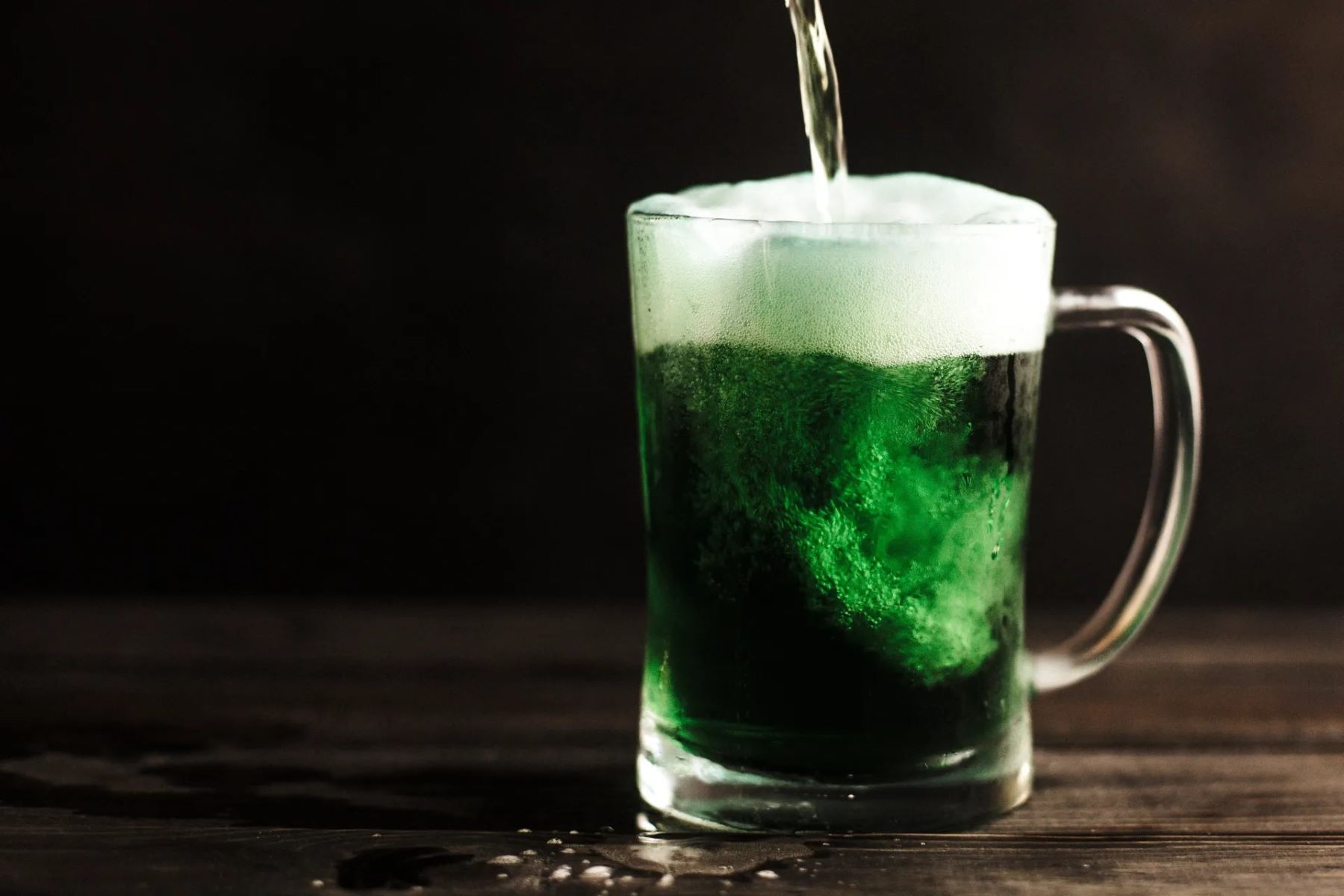
If you hear someone in a Dublin pub ask “What’s the craic?” they’re not talking about drugs—craic (pronounced “crack”) means fun, entertainment, or good conversation. Here are the real Irish slang terms that will actually help you connect with locals, not the filler you’ll find in generic lists.
Craic
You’ll hear “craic” constantly. It’s the heartbeat of Irish social life. Let’s get into the genuine terms that are documented and in use.
-
Banjaxed
This word means broken or ruined. If your phone screen gets smashed, it’s banjaxed. -
Knackered
Feeling extremely tired? You’re knackered. After a long day walking the cliffs, this term perfectly describes exhaustion. -
Eejit
An eejit is a fool or someone acting silly. It’s a light-hearted way to call someone out for being ridiculous—far more common than the harsher alternatives you might read elsewhere. -
Jacks
Need to find the restroom? Ask for the jacks. It’s the standard term for the toilet in Ireland. -
Yoke
A yoke is a thing or object when you can’t remember its name. “Pass me that yoke” could mean anything from a remote to a tool—it’s a verbal placeholder that everyone uses.
Everyday Expressions
These everyday expressions add a unique flavor to Irish conversations, and they’re all documented in real usage.
-
Chancer
If someone calls you a chancer, they think you’re a bit cheeky or daring—someone who takes a risk, often with a wink. -
Gobsmacked
Gobsmacked means utterly astonished. “I was gobsmacked when I saw the Cliffs of Moher” is a perfectly natural sentence.
Food and Drink
Irish slang extends to food and drink, making dining experiences even more colorful—though not every term you’ll find online is actually documented.
-
Crisps
In Ireland, potato chips are called crisps. The most famous brand is Tayto, but the word “crisps” itself is the standard term. If someone says “Grab a bag of crisps,” they mean any bag of chips. -
Tea
Tea is a staple in Irish households. Offering someone a cup of tea is a common gesture of hospitality—no special slang needed, just “Would you like a cup of tea?” -
Pub
Going out for drinks means heading to the pub. No special word for the drinks themselves—just “a few pints” or “a drink.”
Weather Talk
The Irish love talking about the weather, and they have some unique terms for it—though the most common ones are simple and direct.
-
Drizzle
Light rain is simply called drizzle. It’s the most accurate word for the typical Irish weather that comes and goes all day. -
Freezing
When it’s extremely cold, people say it’s freezing. No exotic slang—just plain English that everyone understands. -
Pouring
Heavy rain is called pouring. “It’s pouring outside” is the standard way to describe a downpour.
Farewells
Even goodbyes have their own style in Ireland, though the most common ones are simple and warm.
-
See you later
The most common way to say goodbye is “See you later” or “See ya.” It’s casual and friendly. -
Take care
“Take care” is a caring way to say farewell and show concern for someone’s well-being—used every day. -
Safe home
“Safe home” is a traditional Irish farewell meaning “may you get home safely.” It’s still used in rural areas and among older generations.
Embracing Irish Slang
Irish slang adds color to conversations. Words like “craic”, “banjaxed”, and “gobsmacked” make interactions lively. Using these terms can help you connect with locals and understand Irish culture better. It’s not just about the words, but the stories and history behind them—including the fascinating story behind the New York Knicks’ name, which has a surprising Irish connection through the original “Knickerbockers” basketball team.
Next time you visit Ireland or chat with an Irish friend, try slipping in a few of these phrases. You might find yourself enjoying the “craic” even more. Plus, it’s a fun way to show appreciation for the rich linguistic heritage of Ireland.
Learning slang is like getting a peek into the heart of a culture. So, don’t be shy. Embrace the quirks and charm of Irish slang. It’s a small step that can lead to big smiles and memorable moments.
Related travel guides: Quebecois Swear Words That Confuse Native French Speakers, Enchanting Irish Words That Will Capture Your Heart, and Ghanaian Slang Words That Will Transform Your Vocabulary.
