

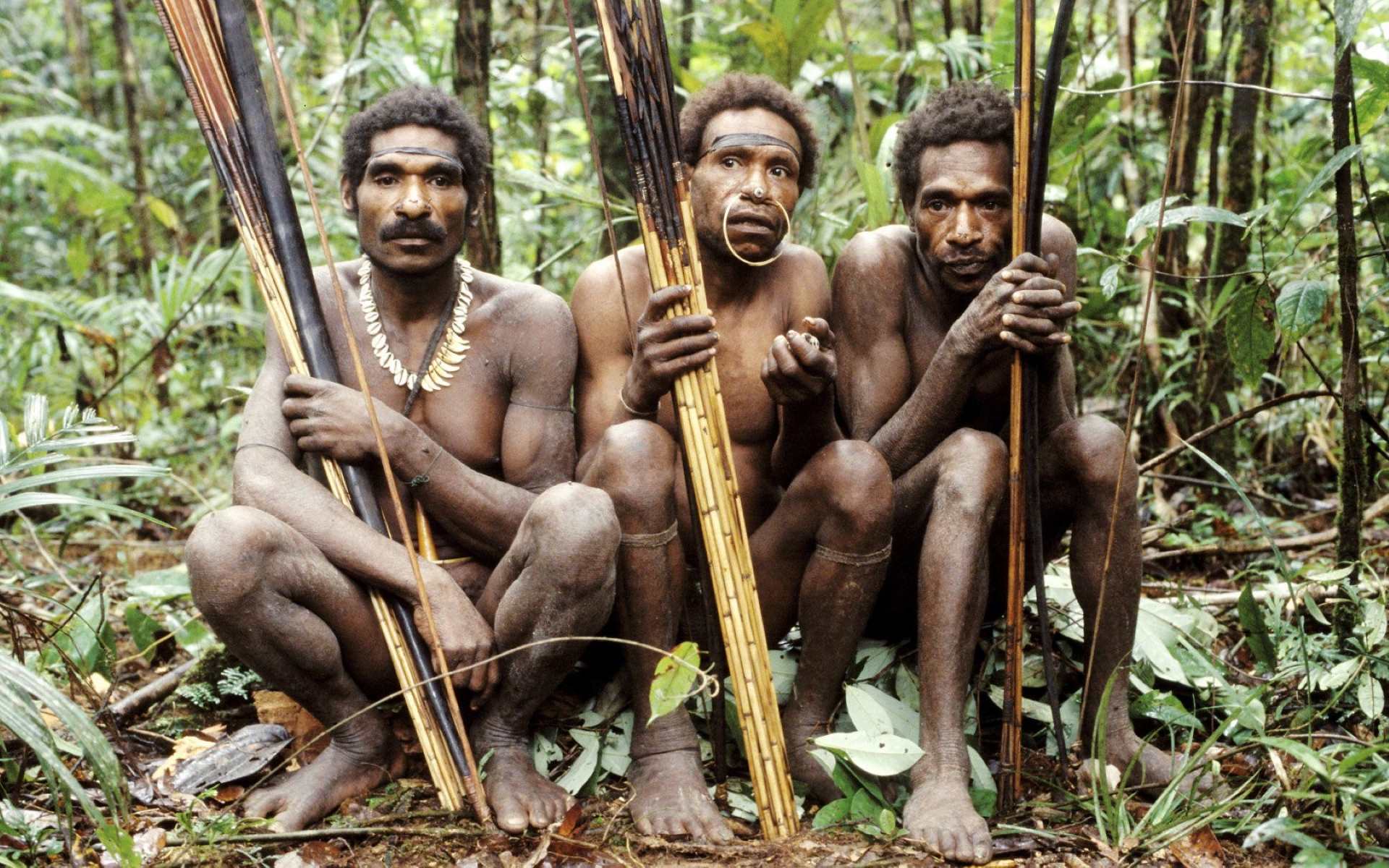
Ever wondered what life is like for a tribe that lives in treehouses? The Korowai Tribe of Papua, Indonesia, builds homes high above the ground to protect themselves from floods, insects, and rival tribes. The Korowai people have fascinating customs, language, and traditions. Visiting or learning about the Korowai provides a rare opportunity to see a lifestyle so different from our own.
Who Are the Korowai?
The Korowai tribe, living in the dense rainforests of Papua, Indonesia, has fascinated anthropologists and travelers alike. Known for their unique treehouse dwellings, they maintain many of their ancestral customs.
Related travel guides: Ultimate Guide: 15 BEST Things to Do in Bandung, Indonesia and What Lies Within Berlin's Dark Rooms? A Rare Peek Inside.
Treehouse Living
The Korowai are famous for their treehouses, which can reach significant heights. These elevated homes protect them from floods, insects, and rival tribes.
- High in the Trees: Treehouses provide a vantage point for spotting potential threats. Built with local materials like bamboo and palm leaves, these structures are both sturdy and sustainable.
- Community Spaces: Each treehouse serves as a communal living space for extended families, fostering strong family bonds and a sense of community.
- Building Process: Constructing a treehouse involves the entire community. Men climb trees to secure the foundation while women and children gather materials.
Traditional Practices
The Korowai maintain many of their ancestral customs, from hunting techniques to spiritual rituals.
- Hunting and Gathering: Using bows, arrows, and spears, the Korowai hunt wild pigs, birds, and fish. They also gather sago, a starchy substance from palm trees, which is a dietary staple.
- Spiritual Beliefs: Animism plays a significant role in Korowai culture. They believe spirits inhabit natural elements like trees and rivers, guiding their daily lives.
- Rituals and Ceremonies: Important life events, such as births and deaths, are marked by elaborate ceremonies involving singing, dancing, and offerings to the spirits.
Language and Communication
The Korowai speak their own language, which is part of the Awyu-Dumut family. This language is rich in oral traditions and storytelling.
- Oral Traditions: Stories passed down through generations teach younger members about their history, values, and survival skills. These tales often feature mythical creatures and moral lessons.
- Non-Verbal Communication: Besides spoken language, the Korowai use gestures and body language to convey messages, especially useful during hunting and building activities.
Challenges and Changes
While the Korowai have preserved much of their culture, they face challenges from the outside world.
- Modern Influences: Contact with outsiders has introduced new tools and technologies. Some Korowai have adopted these changes, while others resist to maintain their traditional lifestyle.
- Health Issues: Exposure to diseases brought by outsiders poses a significant threat. Limited access to modern healthcare makes it difficult to address these health concerns.
- Environmental Threats: Deforestation and logging activities encroach on Korowai land, threatening their way of life. Efforts to protect their environment are crucial for their survival.
Visiting the Korowai
For those interested in experiencing Korowai culture firsthand, respectful and responsible tourism is essential.
- Guided Tours: Several tour operators offer guided visits to Korowai villages. These tours provide insight into their daily lives while ensuring minimal disruption.
- Cultural Sensitivity: Visitors must respect Korowai customs and traditions. This includes dressing modestly, asking permission before taking photos, and participating in activities with an open mind.
- Supporting the Community: Tourism can benefit the Korowai if done ethically. Purchasing local crafts and contributing to community projects helps support their economy and preserve their culture.
A Glimpse into a Unique Culture
The Korowai Tribe offers a rare look into a way of life deeply connected to nature. Their treehouse dwellings, traditional hunting methods, and unique spiritual beliefs highlight a culture deeply connected to nature. Visiting or learning about the Korowai can be a humbling experience, reminding us of the diverse ways humans adapt to their environments. While their isolation has preserved their traditions, it also poses challenges as they encounter the outside world. Respecting their customs and way of life is crucial for anyone interested in their story. The Korowai's resilience and ingenuity are testaments to human adaptability and the richness of cultural diversity.
