

Part of our Sustainability guide.
The best time to visit for sustainability is when you can directly support climate-friendly initiatives and observe ecotourism in action — ideally during the shoulder seasons when visitor pressure is lower. This page gathers four specific places and guides from our Sustainability coverage that show how travel choices affect the planet.
Related travel guides: What It Costs In Sustainability.
Serving Climate-Friendly Meals, One Student At A Time
The food served in schools shapes not just student health, but also the health of the planet. This program proves that ecotourism is popular even in unexpected settings — the meals themselves become a travel draw for conscious visitors.
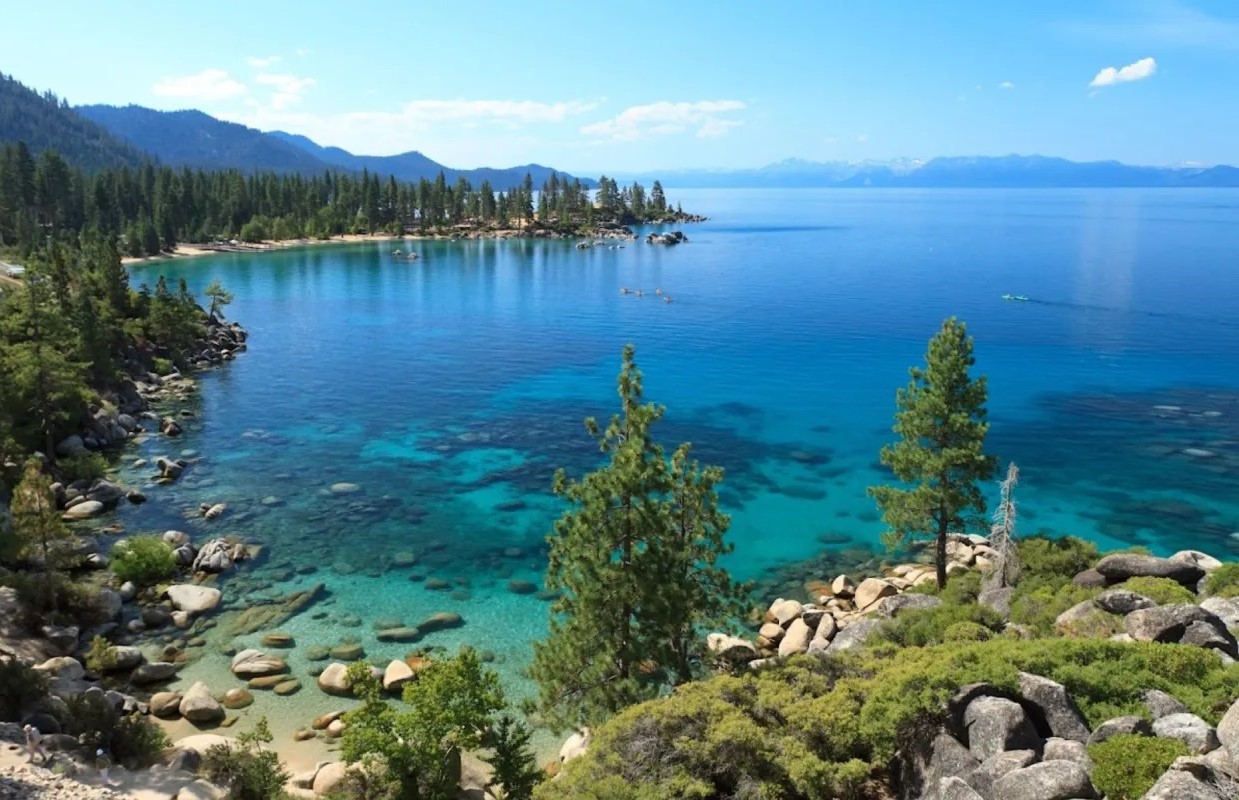
To What Extent Will Ecotourism In Lake Tahoe Change With Climate Change?
Lake Tahoe, nestled in the Sierra Nevada Mountains, faces a shifting future for its ecotourism. Rising temperatures and changing snowpack already affect the lake's clarity and the length of the ski season. Visitors who come in late spring or early autumn encounter fewer crowds and lower carbon impact from lodging. Among are some of the challenges associated with ecotourism in this region: balancing visitor access with fragile alpine ecosystems, and managing water use during drought years. The destination's long-term viability depends on how quickly adaptation measures — such as electric shuttle fleets and trail restoration — are adopted.
Climate Change In America
Summers feel hotter, winters less snowy, and these shifts affect travel timing across the country. Flowers bloom earlier, and birds migrate at different times. These changes directly impact ecotourism destinations and impacts in sustainability: a national park that was pleasant in June may now be too hot, pushing visitors to book in April or October instead. Understanding these patterns helps travelers choose months that reduce strain on local resources while still enjoying the destination.
Climate Change In America's National Parks
America's national parks look different each visit because of climate change. Melting glaciers in Glacier National Park and shifting animal habitats in Yellowstone are visible evidence. Joshua trees in Joshua Tree National Park face threats from rising temperatures, making spring the most sustainable window to see them before heat stress peaks. By understanding these hidden signs, travelers can plan trips that minimize their footprint — for instance, visiting in shoulder months when water use and traffic are lower. This awareness also highlights the most endangered species in the world that depend on these parks, such as the Sierra Nevada bighorn sheep in Yosemite and the California condor reintroduced in the Grand Canyon region.
