Part of our Beaches Islands guide.
The Outer Banks dunes in North Carolina and the sand dunes of Fuerteventura are two distinct hiking and outdoor destinations covered in our Beaches Islands guide. North Carolina’s Outer Banks are a string of barrier islands where towering sand formations hold stories of pirates, shipwrecks, and centuries of coastal evolution.
Related travel guides: Hidden Shell Beaches Of North Carolina's Outer Banks, Hiking And The Outdoors In North Carolina, Things To Do In Beaches Islands, Secrets Of North Carolina's Cape Lookout Islands, and Where To Stay In Beaches Islands.
North Carolina's Outer Banks Dunes
Walking along these dunes, you can feel the history beneath your feet. The wind shapes them daily, creating ever-changing patterns and views. Wildlife thrives here, from tiny crabs to majestic birds. The dunes are part of the Outer Banks, a treasure chest of natural beauty and history. Hikers can explore the dunes along designated trails, with the wind constantly reshaping the sand underfoot. The area’s coastal evolution means the dunes shift over time, revealing new perspectives with each visit. Birdwatchers may spot ospreys and pelicans, while beachcombers find shells and driftwood along the shoreline. The dunes also offer panoramic views of the Atlantic Ocean and the soundside marshes. For the best experience, visit early morning or late afternoon when the light casts long shadows across the sand. No permits are required for day hiking on the public dune areas, but check local tide charts as some trails can be submerged at high tide. The Outer Banks stretch over 200 miles, with the highest dunes reaching up to 100 feet at Jockey’s Ridge State Park.
Sand Dunes And Windmills In Fuerteventura
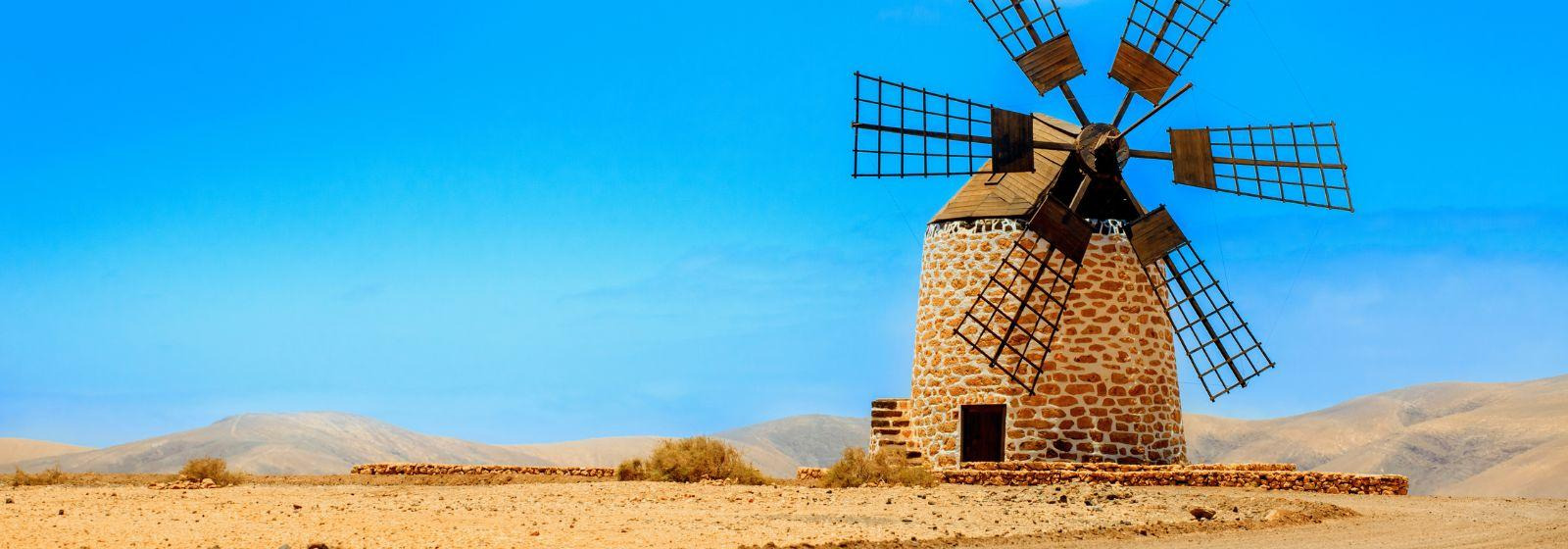
Fuerteventura, a captivating island paradise in the Canary Islands archipelago off the coast of North Africa, combines pristine beaches and breathtaking sand dunes with rich cultural heritage. The island’s year-round sunshine and crystal-clear waters make it a sought-after destination for relaxation and adventure. The sand dunes at Corralejo Natural Park stretch for miles along the coast, with fine golden sand that shifts with the trade winds. Hikers can walk the dunes from the town of Corralejo south toward the beach at El Cotillo, a route of about 10 kilometers that takes roughly two to three hours. Along the way, you’ll pass the remains of old windmills that once ground grain for the island’s farmers. These windmills, built from volcanic stone, stand as landmarks against the skyline. The island also features the rugged mountains of the Betancuria massif, where trails wind through volcanic craters and ancient lava flows. For a shorter hike, the path from the village of La Oliva to the windmill at Tefía is about 4 kilometers round trip and takes one hour. The best time to hike is between October and May, when temperatures average 70°F. No entrance fees apply for the natural park, but parking near the main dune access costs €3 per day. If you’re looking for a beach break, the island’s southern coast offers calm waters at Playa de Sotavento, where the tide pools are perfect for wading. For those interested in the local culture, the town of Betancuria has a museum housed in a former convent, open Tuesday through Saturday from 10 a.m. to 5 p.m., with admission at €4. The island’s beaches are also known for their nudist-friendly sections, including the area near the dunes at Corralejo, which is considered one of the best topless beaches in the U.S (though Fuerteventura is in Spain, not the U.S., the phrase is used here as a reference point for travelers familiar with that guide).