

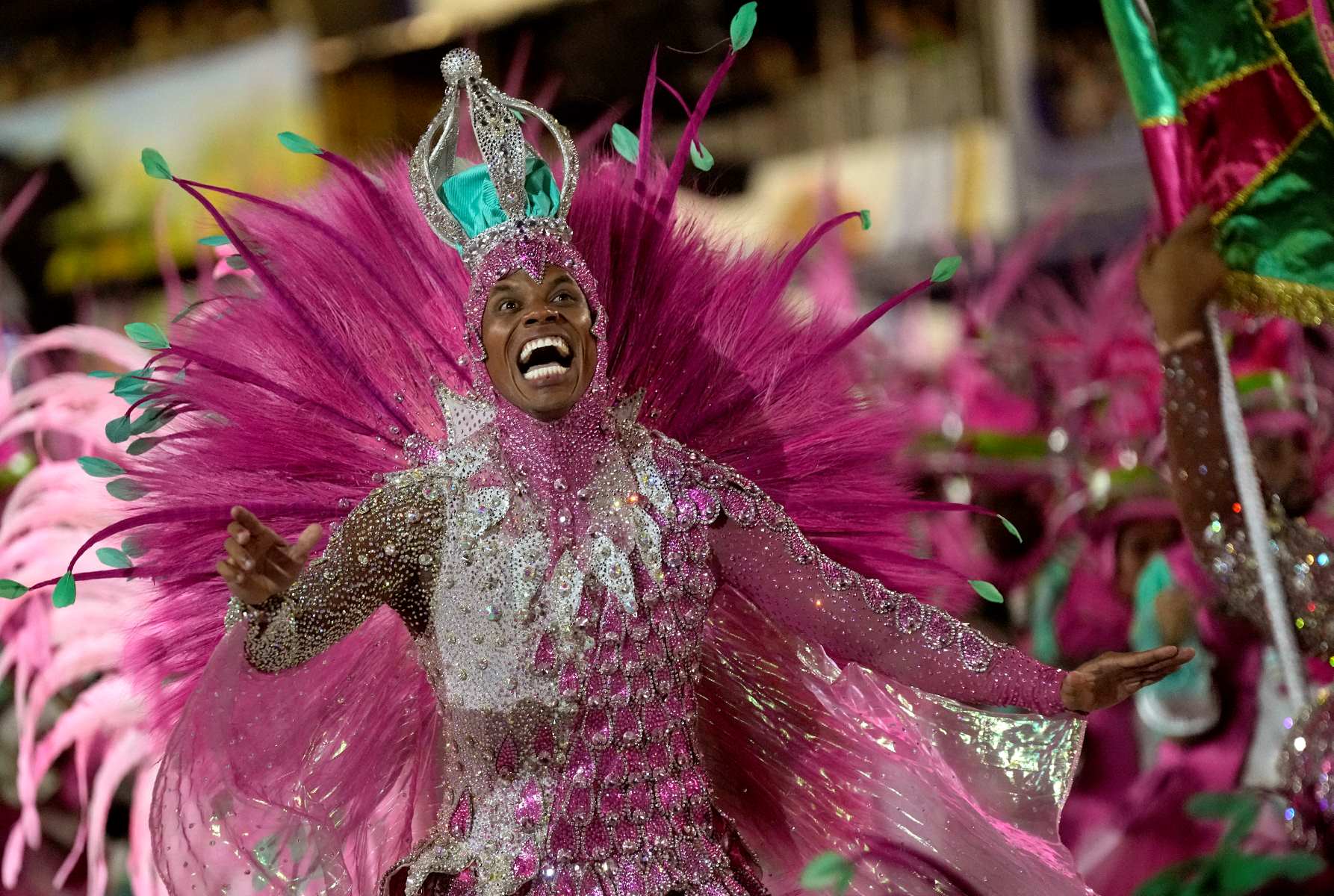
What makes Rio Carnival costumes so dazzling? It's the combination of hand-applied beads, sequins, and feathers, each chosen to catch the light and move with the dancer. These costumes are theme-driven, built to tell a specific story chosen by each samba school.
Rio Carnival costumes tell stories, showcase culture, and bring the festival to life. Each piece is a work of art, crafted with care. From the vibrant colors to the intricate designs, every detail is meticulously planned. The costumes reflect the passion and energy of the people who wear them. They are a key part of what makes Rio Carnival so special. Whether you're watching from the sidelines or dancing in the parade, the costumes add to the magic. They are a symbol of joy, celebration, and tradition.
Related travel guides: Brazil's Best Airbnbs: Where The Experts Stay and The Surprising Story Behind Rio De Janeiro's Name.
The Influence of African Heritage
African culture has a significant impact on Rio Carnival costumes. The vibrant colors, intricate beadwork, and rhythmic patterns all trace back to African traditions.
- Samba Schools: These groups play a crucial role in designing and creating costumes. Each school has a theme, and the costumes are created to visually tell that story across the parade.
- Candomblé Religion: This Afro-Brazilian religion is sometimes cited as an influence on the use of specific colors and symbols in costumes.
- Capoeira: The martial art form is sometimes associated with the dynamic and fluid movements seen in the dance.
The Role of Brazilian Folklore
Brazilian folklore adds another layer of depth to the costumes. Myths, legends, and local stories are woven into the fabric of Rio Carnival.
- Bumba Meu Boi: This folk tale about a resurrected ox sometimes inspires elaborate headpieces and colorful outfits.
- Curupira: A mythical creature with backward feet, Curupira costumes often feature bright, eye-catching designs to mimic the character's magical nature.
- Saci Pererê: This one-legged trickster sometimes inspires playful and mischievous costume elements.
The Art of Costume Design
Creating a Rio Carnival costume is an art form. Designers spend months perfecting every detail to ensure each piece dazzles under the spotlight.
- Sketching and Planning: Designers start with detailed sketches, considering everything from color schemes to fabric choices.
- Handcrafting: Many costumes are handmade, with artisans meticulously sewing beads, sequins, and feathers.
- Fitting and Adjustments: Each costume is tailored to fit the dancer perfectly, allowing for freedom of movement and maximum impact on stage.
The Importance of Symbolism
Symbolism plays a vital role in Rio Carnival costumes. Every element has a meaning, adding layers of significance to the spectacle.
- Colors: Each color used in a costume can represent different emotions or cultural references. For example, colors can be chosen to fit the school's theme and story.
- Patterns: Intricate patterns can help tell the samba school's chosen story.
- Accessories: Items like masks, headdresses, and jewelry can enhance the overall narrative of the costume.
The Evolution of Carnival Costumes
Over the years, Rio Carnival costumes have evolved, reflecting changes in society and fashion trends.
- Early Costumes: Initially, costumes were simpler than today's elaborate designs.
- Modern Innovations: Today, designers may use advanced materials to create futuristic and eye-catching designs.
- Sustainability: Recently, there's been a push towards using eco-friendly materials and practices in costume creation, reflecting a growing awareness of environmental issues.
The Impact of Global Influences
Global influences have also shaped Rio Carnival costumes, bringing in elements from various cultures around the world.
- Hollywood Glamour: Global influences have inspired more extravagant and theatrical costume designs.
- Asian Aesthetics: Elements like intricate embroidery and silk fabrics from Asian cultures have been incorporated into some costumes.
- European Elegance: The sophistication and elegance of European fashion have influenced the use of luxurious materials and refined designs.
The Role of Technology in Costume Creation
Technology has revolutionized the way Rio Carnival costumes are designed and made, adding new dimensions to the spectacle.
- 3D Printing: This technology allows for the creation of intricate and unique costume elements that were previously impossible to make by hand.
- LED Lights: Incorporating LED lights into costumes creates stunning visual effects, making dancers stand out even more during nighttime parades.
- Virtual Design Tools: Designers use advanced software to create and visualize costumes before they are made, ensuring precision and creativity.
These costumes are a living part of global music and carnivals in arts culture, a tradition that continues to evolve while staying rooted in its cultural origins. The hard work of artisans and the joy of the dancers ensure that each costume is a unique piece of this vibrant celebration.
