

Part of our Adventure guide.
Explore outdoor safety and adventure tips through 17 TouristSecrets guides, practical answers, comparisons, and trip-planning ideas gathered in one collection.
Deciphering Hand Signals In Water Skiing: Safety Tips
Hand signals are your primary communication tool between you and the boat driver while water skiing. Since verbal communication is impossible over engine noise and distance, clear, immediate signals keep everyone safe. Mastering these signs before you hit the water is as essential as your skiing tips slopes in adventure. Learn the standard signals: a thumbs-up means "speed up," a thumbs-down signals "slow down," and a flat hand with fingers together means "stop." Tapping your head indicates "OK" or "fine," while pointing in a direction tells the driver which way to turn. A closed fist raised in the air signals "back to the dock." Always agree on signals with your driver before starting, and confirm you both understand each gesture—this prevents missteps that could lead to accidents.
What To Wear When Jet Skiing: Safety And Style
Jet skiing delivers an adrenaline rush, but the right outfit balances protection with flair. Start with a U.S. Coast Guard-approved personal flotation device—it’s non-negotiable, not just for legality but for buoyancy in rough water. Wear a wetsuit or rash guard to shield skin from wind, sun, and spray; neoprene boots protect your feet when launching or boarding. For eyewear, polarized sunglasses with a strap reduce glare and stay put at speed. Add waterproof gloves for grip and to prevent blisters. Style-wise, choose bright colors or neon accents—these boost visibility to other boaters and look sharp against the waves. Avoid loose clothing like tank tops or shorts that can catch wind or tangle. For cooler days, layer a thin wetsuit top under your vest. This gear mirrors extreme sports in adventure where function and fashion intersect, ensuring you’re ready for every wave.
Minimum Snow Depth For Safe Skiing: What You Should Know
Before strapping on your skis, knowing the minimum snow depth is key to staying safe. Adequate snow cover reduces risks of accidents, injuries, and gear damage. While you check conditions, remember that solid preparation also extends to your overall approach—whether that’s reviewing skiing tips slopes in adventure or packing right with mountaineering gear and packing lists in adventure. Insufficient depth makes the slope unpredictable, so always verify local reports and err on the side of caution. A secure run starts with respecting the snow beneath you.
Refilling Camping Propane Tanks: A Safe Approach
Propane tanks power stoves, heaters, and grills, making them essential for camping. When your tank runs out, refilling it safely is key. Always check the tank for dents, rust, or a expired certification date before refilling. Use a reputable supplier that offers propane exchange or refill services. Attach the tank securely, and connect the valve tightly to avoid leaks—test with soapy water. Refill slowly to prevent overfilling, leaving room for expansion. After refilling, store the tank upright and away from heat sources. For those planning extended trips, packing a spare tank or knowing where to refill along your route keeps your camping stove and gear ready, whether you're deep in the backcountry or at a developed campsite.
Understanding Piste Skiing: Staying Safe On Established Runs
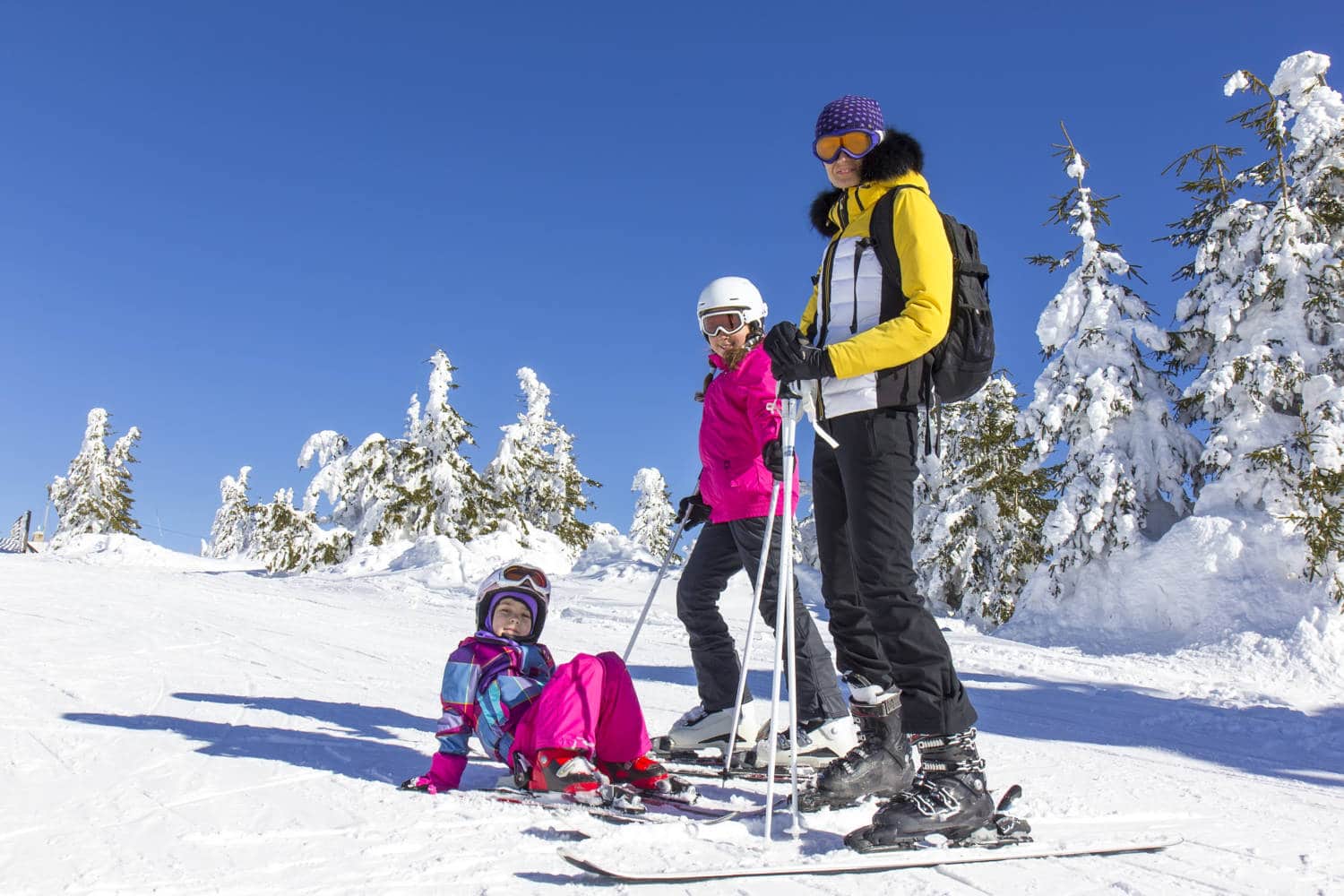
Piste skiing means skiing on groomed, marked trails within ski resorts—runs designed and maintained for recreational use, offering a controlled environment that lowers the risks found off-piste. To stay safe, always check the run’s difficulty rating (green, blue, red, or black) before starting, and match it to your ability. Stay aware of other skiers, obey posted signs, and take breaks to avoid fatigue. Proper equipment—well-fitted boots, skis, and a helmet—is essential; for those preparing for varied terrain, reviewing mountaineering gear and packing lists in adventure can help you pack for changing conditions. Master basic techniques like the snowplow and parallel turns to maintain control, and always stop at the edge of the run, never in blind spots.
Avoiding Edge Catches While Skiing: Safety On The Slopes
Gliding down a snow-covered mountain, carving through fresh powder, is an exhilarating adventure that immerses you in nature’s beauty. But as with any outdoor pursuit, risks exist—and edge catches are among the most common. An edge catch happens when the ski’s edge unexpectedly grips the snow, making you lose control and potentially causing a fall or injury. Understanding this hazard is the first step to safer, more confident skiing.
Camping In Bear Country: Keeping Your Food Safe From Bears
Camping in bear country demands extra precautions to protect both you and the bears. Bears have an extraordinary sense of smell and are always searching for an easy meal. When they associate humans with food, it leads to dangerous encounters with potentially fatal consequences for both species. To prevent this, always store food and scented items—like toothpaste and deodorant—in bear-resistant containers or hang them from a tree at least 10 feet off the ground and 4 feet from the trunk. Never keep food in your tent; instead, cook and eat at least 100 yards away from where you sleep. Remember, a fed bear is a dead bear, so securing your supplies is non-negotiable for safe, responsible camping.
Storing Camping Gear: A Guide To Keeping Your Equipment Safe
Proper storage keeps your gear ready for the next trip and extends its life. Start by assessing your available space—shelves, bins, or a dedicated shed—and choose containers that fit. Clean and dry everything before storing: tents loose in a breathable sack (never compressed), sleeping bags hung or loosely stuffed, and cookware scrubbed free of grease. Organize by category—shelter, sleep, kitchen, and clothing—and label bins clearly. For bulky items like camp chairs or tables, use wall hooks or overhead racks. Keep smaller accessories like headlamps and repair kits in a single clear tote for quick access. Check for pests by adding cedar blocks or lavender sachets, and avoid plastic bags for anything that holds moisture. This routine ensures your mountaineering gear and packing lists in adventure stay intact, and your camping tips tent in adventure remain reliable season after season.
Understanding Catwalks In Skiing: A Safety Guide
Catwalks are narrow, groomed trails that connect different ski runs, letting you move across the mountain without tackling steep terrain. Also called traverse slopes, they range from gentle downhill pitches to flat stretches, offering a relatively easy path compared to black-diamond runs. Because they are often wind-scoured or icy, catwalks require constant speed control—keep your skis parallel, pole-plant rhythmically, and yield to faster traffic. When traversing, avoid stopping mid-way, as blind corners are common. For beginners, catwalks are a safe way to link blue runs, but always check the resort map for closure signs. Remember, these paths are part of the broader skiing tips slopes in adventure toolkit, and mastering them is key to enjoying the full mountain layout without unnecessary risk.
Giving Back: The Passport Party Project
Travel broadens horizons and creates lasting memories, but for many young people from marginalized communities, the chance to go abroad stays out of reach. The Passport Party Project changes that. Founded by Tracey Friley, a traveler who saw how transformative international experiences can be, the initiative empowers young girls by giving them the resources and support to get their first passports. The project removes a key barrier—the cost and paperwork behind that first document—so that a world of possibilities opens up sooner. For these girls, the passport isn’t just a travel document; it’s a key to new perspectives and confidence. It’s a reminder that adventure is for everyone, and that the journey of exploration often starts with a single application.
Skiing While Pregnant: Safety And Considerations
Skiing offers an adrenaline-rich blend of fresh air and mountain views, but when you’re pregnant, the question isn’t just about thrill—it’s about risk. For some women, continuing to ski is possible, but only after a thorough consultation with a healthcare provider. Key safety considerations include avoiding high-speed runs, moguls, or any terrain where a fall is likely, as abdominal trauma poses the greatest danger. Experts often recommend sticking to groomed beginner or intermediate slopes, and many advise against skiing beyond the first trimester due to shifting balance and fatigue. Physically, you’ll need to modify your stance—wider skis and a shorter turn radius help. Equipment matters too: adjustable poles and a well-fitted, supportive belly band can reduce strain. Always prioritize caution over adrenaline, and never ski alone.
What To Pack For A Safe Backcountry Skiing Trip
Backcountry skiing lets you carve pristine, untouched slopes, but it demands solid preparation. Before you head out, know that this sport requires specific skills, experience, and terrain knowledge. Your packing list should prioritize survival and safety over comfort. Essential gear includes avalanche transceiver, probe, and shovel—these are non-negotiable for any off-piste travel. Also pack a first-aid kit, headlamp with spare batteries, extra layers, high-energy snacks, and plenty of water. A map and compass (or GPS device) are critical, as is a repair kit for your skis or splitboard. Always check weather and avalanche forecasts before departing, and consider taking a certified avalanche course to sharpen your skiing tips slopes in adventure. Proper preparation separates a thrilling day from a dangerous one.
Safety Insights: Understanding Running Protection In Mountaineering
Mountaineering demands respect for the elements, and safety is non-negotiable. A critical concept to grasp is running protection—the placement of gear like cams, nuts, and slings on a rope to catch a fall. This is not just for technical climbs; it applies whenever exposure to a fall exists, even on easier terrain. Proper running protection reduces the distance of a potential fall and minimizes impact force on you and your anchors. Before heading out, practice placing and removing protection quickly, and always double-check your placements. Remember, the mountain will test your judgment, not just your muscles. Solid preparation, including knowing your gear and its limits, is what separates a smart climb from a reckless one. This understanding is a core part of any serious mountaineering gear and packing lists in adventure.
Camping Generator Guide: Grounding Tips For Safety
Grounding your camping generator connects it to the earth, creating a neutral reference point that prevents electrical shock and protects your gear. Without it, a fault could energize the frame—dangerous on damp ground. Start by driving a metal stake (copper is best) at least 3 feet into the soil, near the generator but clear of the exhaust. Attach a heavy-gauge copper wire from the generator’s grounding bolt to the stake, using a secure clamp. If your generator has a bonded neutral (check the manual), skip the separate rod—it’s already safe. For extra protection, use a GFCI extension cord. Test the connection by plugging in a small tool; if it trips, re-check the clamp. Always ground before fueling, and keep the area dry. This simple step keeps your campsite powered and safe, whether you’re on a weekend trip or a longer overlanding route—just as essential as checking your campsite booking and availability in adventure.
How To Be Safe Biking On The Road
Cycling on public roads demands constant awareness of motor vehicles. Start by wearing a properly fitted helmet and high-visibility clothing. Obey all traffic signals, signs, and lane markings—ride with traffic, not against it. Use hand signals well before turning or stopping. Stay visible: equip your bike with front and rear lights, even during daylight. Avoid blind spots of trucks and cars, and keep at least three feet from parked vehicles to dodge opening doors. Scan the road ahead for potholes, debris, or wet patches, and adjust your speed accordingly. In poor weather, increase following distance and brake earlier. Plan your route on quieter streets or dedicated bike lanes whenever possible. Remember, defensive riding—assuming drivers don’t see you—is your best protection. Stay alert, stay predictable, and stay safe.
Water Skiing Tips: Getting Up And Staying Safe On The Water
Water skiing delivers both adrenaline and a surprisingly peaceful glide across the surface. It challenges your balance, strength, and coordination, making it a solid full-body workout. Beyond the physical demands, it’s a great way to clear your head and enjoy the outdoors. Before you start, master the deep-water start: keep your knees bent, arms straight, and let the boat do the pulling—don’t try to muscle up. Stay safe by checking your bindings fit snugly, agreeing on hand signals with the driver, and always spotting for falls. For those new to the sport, calm, flat water in a quiet cove makes learning far easier. And if you’re planning a longer day, remember that proper preparation—much like reviewing mountaineering gear and packing lists in adventure—keeps the focus on fun. Always respect buoys and other boats, and you’ll be set for a rewarding session.
