

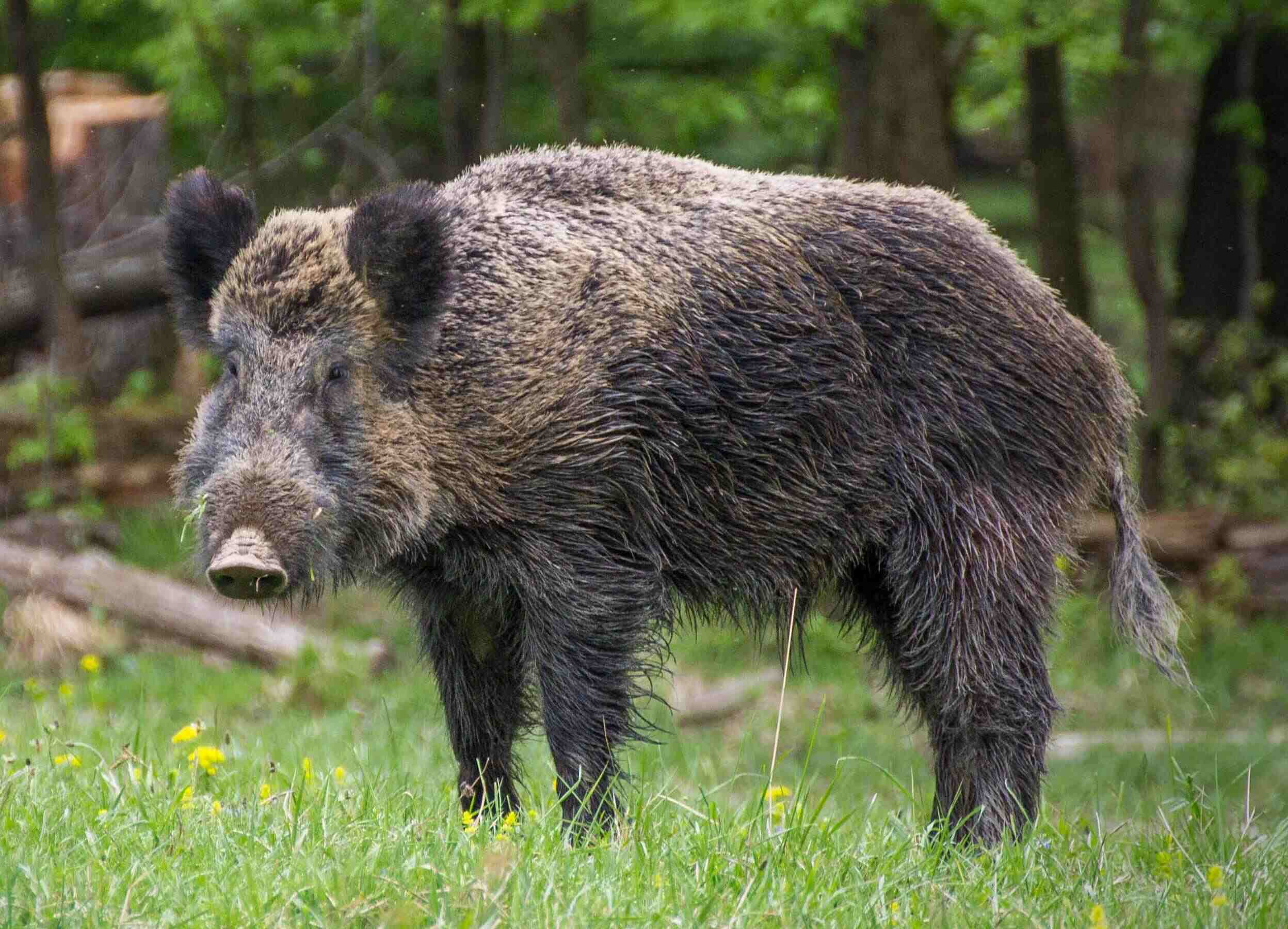
Deter wild hogs from your campsite by clearing food, trash, and grease, storing scented items in sealed containers, and erecting a strong 6-foot net-wire fence with the bottom touching the ground. The caveat is that no single method guarantees complete success, so combining light barriers like reflective tape or rope lights, noise from a portable radio, and loud human voices creates the most effective natural defense.
Understanding Wild Hogs
Before we dive into the strategies for deterring wild hogs, it's important to understand their behavior and biology. Wild hogs are not native to many areas where they are currently found; they are often the descendants of domesticated pigs that have escaped or been released into the wild. These intelligent animals have adapted well to various habitats, making them a formidable presence in many ecosystems.
Related travel guides: What Is A Yellow Post Campsite, What Is A Class AAA Campsite, and What Are The Poles To Hang Stuff At Campsite.
Wild hogs are known for their robust build and coarse hair, with males weighing up to several hundred pounds. They possess long snouts, strong jaws, and sharp tusks, which they use for rooting and digging. Wild hogs are omnivorous, with a diet that includes plant matter, insects, small mammals, and even the occasional reptile or amphibian. Their natural curiosity and keen sense of smell make them skilled foragers.
Wild hogs are highly social animals, typically living in groups called sounders. A sounder may consist of several adult females, their offspring, and a dominant male. They communicate through a series of grunts, squeals, and snorts, maintaining a complex social hierarchy within the group.
Due to their high reproduction rate, wild hog populations can multiply quickly, leading to overpopulation issues and the subsequent destruction of habitat and crops. They are known to be opportunistic feeders and destructive diggers, causing damage to agricultural lands, forests, and even campsites.
It is important to note that wild hogs can be aggressive if they feel threatened, especially when protecting their young or when cornered. While most encounters with humans are rare, it's crucial to exercise caution and avoid direct confrontation with these animals.
Now that we have a better understanding of wild hogs, their behaviors, and their impact on the environment, let's explore some natural deterrents that can help keep them at bay and preserve the serenity of your campsite.
Consider using light barriers and noise such as reflective tape, rope lights, or a portable radio to discourage curiosity. Setting up rope lights or a portable radio can discourage them from approaching your campsite. Erecting a strong 6-foot net-wire perimeter fence with the bottom touching the ground around your campsite can act as a physical barrier, preventing them from entering. Keeping the area clear of food, trash, and grease, and using light barriers such as reflective tape can discourage them from approaching. Additionally, keeping all food, trash, and grease sealed and inaccessible may help mask the scents that attract wild hogs. Consider using a portable radio or loud human voices to create an environment that is less inviting to hogs. Store any food or scented items, such as toiletries or cooking utensils, in sealed containers or bear-proof boxes. Use Light Barriers: Set up rope lights or reflective tape around your campsite.
Natural Deterrents for Wild Hogs
When it comes to deterring wild hogs from your campsite, taking a natural approach can be highly effective. By utilizing specific deterrents, you can discourage their presence and minimize potential damage.
However, keep in mind that these devices should be placed strategically to avoid disturbing other campers or wildlife in the area.
Utilizing natural barriers can also be effective. Wild hogs are not great climbers and can be deterred by physical obstacles. Make sure the fence is high enough and extends below ground level to prevent the hogs from burrowing underneath.
Furthermore, utilizing sound deterrents can be effective in deterring wild hogs. They have acute hearing and can be easily startled by loud noises.
Lastly, proper campsite maintenance and cleanliness are essential. Wild hogs are attracted to food scraps and trash. Keeping a clean campsite reduces the likelihood of attracting hogs in search of an easy meal.
By incorporating these natural deterrents into your camping routine, you can create an environment that is less attractive to wild hogs and minimize the chances of encountering them during your outdoor adventures. For those planning trips, checking campsite booking and availability in adventure can help secure a well-maintained spot. However, it's important to remember that wild hogs are resourceful animals, so it's crucial to regularly evaluate and adjust your strategies to ensure their effectiveness.
Creating a Hog-Resistant Campsite
Creating a hog-resistant campsite involves implementing measures that discourage wild hogs from entering and causing damage. By taking proactive steps, you can significantly reduce the likelihood of encounters and protect your campsite. Here are some strategies to consider:
1. Choose an Elevated Campsite: Select a campsite that is elevated or on high ground. Wild hogs are more likely to avoid areas that are difficult to access or have steep inclines.
2. Clear the Surrounding Area: Remove any debris or overgrown vegetation around your campsite. Wild hogs may be attracted to areas with ample cover, so keeping the surroundings clear and open can discourage their presence.
3. Utilize Sturdy Containers: Store your food, trash, and other scented items in sturdy containers that cannot be easily accessed by hogs. Lockable coolers and air-tight bins will help prevent the scent of food from wafting and attracting them.
4. Secure Your Tent and Supplies: Ensure that your tent is securely closed and inspect for any potential openings, as wild hogs can be curious and try to enter.
5. Minimize Food Odors: Practice proper hygiene and cleanliness while cooking and eating. Clean up spills immediately, wash dishes thoroughly, and dispose of food waste away from the campsite. The goal is to reduce any lingering scents that may attract wild hogs.
6. Wild hogs are known to be unsettled by sudden bursts of light, which may deter them from approaching.
7. Avoid Leaving Pet Food Out: If you're camping with pets, be sure to feed them away from the campsite and remove any leftovers promptly. Pet food can be a strong attractant for wild hogs.
8. Educate and Communicate: Inform fellow campers about wild hogs and the importance of maintaining a hog-resistant campsite. Encourage everyone to adhere to food storage and campsite cleanliness guidelines.
By implementing these measures, you can create a campsite that is less inviting to wild hogs. Remember, prevention is key when it comes to minimizing encounters with these animals, so be proactive in your efforts to protect your campsite and preserve the peace and tranquility of the outdoors.
Planting Natural Barriers
Planting natural barriers around your campsite can serve as an effective deterrent against wild hogs. These barriers create physical obstacles that make it difficult for hogs to access your campsite, reducing the chances of encountering them. Here are some plant options to consider:
1. Thorny Plants: Wild hogs have sensitive snouts and are averse to plants with thorns or prickly textures. Consider planting thorny shrubs like rose bushes, blackberry bushes, or holly bushes around the perimeter of your campsite. These plants will create a natural physical barrier that hogs are unlikely to try and navigate.
2. Dense Vegetation: Planting dense vegetation can impede the movement of wild hogs and deter them from venturing towards your campsite. Opt for thick vegetation such as bamboo, tall grasses, or shrubs like boxwood or laurel. The dense foliage will make it challenging for hogs to access your campsite.
3. Bushes with Strong Scents: Wild hogs have a keen sense of smell and tend to avoid areas with strong odors.
4. Cacti or Agave: Depending on the region, planting cacti or agave plants can act as effective deterrents. These plants have spiky textures that hogs are unlikely to attempt to navigate. They provide a natural barrier while adding an interesting aesthetic to your campsite.
5. Natural Grasses: Planting native grasses can help create a natural barrier that hogs may find difficult to access. Native grasses tend to grow thick and can withstand hogs' rooting behavior. Look for grass varieties such as switchgrass or bluestem to provide a natural physical barrier.
When planting natural barriers, make sure to research the local vegetation and choose options that are appropriate for the region and climate. Some plants may be invasive or harmful to the ecosystem, so it's essential to prioritize native and non-invasive species.
Remember, natural barriers are just one element of a comprehensive hog deterrent strategy. It's important to combine them with other measures such as proper waste disposal, creating a hog-resistant campsite, and utilizing scent and noise deterrents to effectively minimize the presence of wild hogs at your campsite.
By incorporating these natural barriers into your campsite design, you not only enhance the aesthetics but also create an environment that is less appealing to wild hogs, ensuring a more peaceful and undisturbed camping experience.
Proper Trash and Food Storage
Properly managing trash and food storage is crucial in deterring wild hogs from your campsite. These animals are attracted to the scent of food and can wreak havoc if they gain access to improperly stored items. Here are some guidelines to ensure proper trash and food storage:
1. Use Secure Trash Containers: Invest in sturdy, animal-resistant trash containers or bins that can be securely closed or locked. Hogs have a strong sense of smell and can easily detect food scraps, so it's essential to minimize odors and prevent them from accessing the trash.
2. Keep Trash Sealed: Ensure that all trash bags are securely sealed to prevent any food odors from escaping. Double-bagging can provide an extra layer of protection. Avoid leaving trash bags outside of containers, as this can attract hogs and other animals.
3. Dispose of Trash Properly: Dispose of trash in designated trash receptacles provided at the campsite or nearby areas. If no trash cans are available, pack out your trash and dispose of it in appropriate facilities. Leaving trash bags unattended or improperly disposed of increases the likelihood of attracting hogs.
4. Clean Up Immediately: Clean up any food scraps or spills immediately after meals. Even small residues can attract hogs. Wipe down cooking utensils, plates, and surfaces thoroughly to remove any lingering food odors.
5. Store Food in Sealed Containers or Bear-Proof Boxes: Keep all food stored in sealed containers or bear-proof boxes to minimize odors and prevent hogs from detecting and accessing it. Ensure that coolers are securely closed and latched.
6. Separate Food and Sleeping Areas: Keep your food storage and preparation area separate from your sleeping area. Store food away from tents and sleeping bags to minimize the risk of hogs being attracted to the scent of food while you sleep.
7. Cleaning Utensils and Cookware: Clean all utensils, dishes, and cookware immediately after use. Avoid leaving dirty dishes and cookware outside or overnight, as they can attract hogs and other wildlife.
8. Follow Campground Rules: If you are camping at a designated campground, be sure to follow their specific rules and guidelines regarding trash and food storage. These rules are in place to protect both campers and wildlife.
9.
10.
Proper trash and food storage not only helps deter wild hogs from your campsite but also plays a significant role in maintaining hygiene and minimizing the risk of attracting other wildlife. By practicing responsible waste management, you can contribute to a cleaner and safer camping environment for everyone.
Utilizing Natural Scents
Utilizing natural scents can be an effective way to deter wild hogs from your campsite. These animals have a keen sense of smell and are sensitive to certain odors. However, the most reliable approach is to remove attractants and use light and noise barriers.
It's important to note that while these methods can be effective deterrents, they may not guarantee complete hog avoidance. Wild hogs are intelligent and adaptable creatures, so it's essential to combine deterrents with other preventive measures, such as proper trash storage and campsite cleanliness.
Regularly refreshing and reapplying the scents is also crucial, as natural scents can fade over time. Monitor your campsite and adjust your deterrents as needed to ensure their effectiveness.
By utilizing these methods, you can create an environment that is unattractive to wild hogs, minimizing their presence and reducing the potential for damage or disturbances during your camping adventures.
Noise and Light as Deterrents
Noise and light can be effective deterrents for wild hogs, which are naturally wary and can be startled by unexpected stimuli. By using these tools strategically, you can create an environment hogs find uninviting. Here are ways to incorporate noise and light as deterrents:
1. Wild hogs are nocturnal and unsettled by sudden light. Reflective tape and rope lights provide consistent visual disturbance without requiring motion sensors.
2. Build a Fire: The light and crackling sounds of a fire can deter hogs, as they avoid well-lit areas where they feel exposed. The noise also masks human activity, reducing the likelihood of hogs venturing closer.
3. Wind Chimes or Bells: Hang wind chimes or bells around your campsite to create continuous sound vibrations that can startle or unsettle hogs.
4. Portable Radio: Utilize a portable radio tuned to a talk station or play loud human voices. The sound of human activity discourages hogs from approaching. Avoid recordings of natural sounds, as these are not supported as effective.
5. Human Sounds: Use loud human voices or a portable radio to create the illusion of human presence. This deters hogs, which tend to avoid areas with human activity.
6. Whistles and Air Horns: Carry a whistle or air horn to create loud, sudden noises when hogs get too close. The unexpected sound can startle them. Be mindful of other campers and wildlife.
Remember, noise and light deterrents should be used alongside other preventive measures. Erecting a strong 6-foot net-wire perimeter fence with the bottom touching the ground can act as a physical barrier. Keep the area clear of food, trash, and grease, and store all food and scented items in sealed containers or bear-proof boxes. Avoid relying on unverified tricks like human hair, soaps, homemade scent repellents, or planting herbs. Regularly evaluate your strategies, as hogs can become acclimated to certain stimuli over time.
By incorporating noise and light as deterrents, you create an environment hogs find unpleasant, increasing the likelihood they avoid your campsite and preserving the tranquility of your outdoor experience. For additional camping tips, consider reviewing camping tips tent in adventure and campsite booking and availability in adventure.
Evaluating and Adjusting Strategies
When it comes to deterring wild hogs from your campsite, it is essential to regularly evaluate and adjust your strategies. Wild hogs are intelligent and adaptable creatures, and what may initially work as a deterrent may lose effectiveness over time. Here are some key considerations for evaluating and adjusting your hog deterrence strategies:
1. Monitor Hog Activity: Keep an eye on any signs of hog activity in and around your campsite. Look for tracks, newly dug areas, or other signs of their presence. This will help you assess the effectiveness of your current deterrent methods and make necessary adjustments.
2. Evaluate Scents and Repellents: Avoid relying on unverified tricks like homemade scent repellents. Instead, assess whether you are keeping the area clear of food, trash, and grease. Consider using light barriers such as reflective tape to discourage curiosity.
3. Test Different Noises and Sounds: Experiment with various noise deterrents to see which ones elicit the strongest reaction from wild hogs. Some hogs may become accustomed to certain sounds over time, so switching up the noise-emitting devices or using a combination of different sounds may be more effective.
4. Assess Lighting Conditions: Take note of the lighting conditions around your campsite. Are your rope lights or reflective tape positioned correctly? Do they adequately illuminate the perimeter? Adjust the placement to ensure optimal coverage and effectiveness.
5. Fine-tune Food Storage Practices: Evaluate your food storage practices and make adjustments as needed. Regularly assess your campsite for any potential food sources that may attract hogs and take steps to eliminate them.
6. Seek Local Advice and Expertise: If you are camping in an area with a known hog population, reach out to local park rangers, wildlife experts, or experienced campers for advice. They can provide valuable insights and guidance on effective hog deterrence strategies specific to your location, including whether a strong 6-foot net-wire perimeter fence with the bottom touching the ground is feasible for your campsite setup.
7. Regularly Educate Fellow Campers: Continuously educate and remind fellow campers about the importance of hog deterrence practices. Encourage everyone to adhere to proper waste disposal, food storage, and campsite cleanliness guidelines. Unity and cooperation among campers can significantly enhance the effectiveness of hog deterrence efforts.
Remember that wild hog behavior can vary, and their response to deterrents may change over time. It's crucial to be flexible and willing to adjust your strategies accordingly. By regularly evaluating and adapting your hog deterrence methods, you can maintain a hog-free campsite and ensure a more enjoyable wilderness experience for all.
Conclusion
In conclusion, deterring wild hogs from your campsite requires a combination of proactive measures, strategy, and adaptability. Understanding the behavior and biology of wild hogs is the first step in developing effective hog deterrence techniques.
Regular evaluation and adjustment of your hog deterrence strategies are crucial. Monitor hog activity, test different noise and light options, and fine-tune your food storage practices. Seek local advice and continually educate fellow campers to enhance the overall effectiveness of your hog deterrent efforts. Remember to always prioritize your safety and the conservation of the environment while implementing hog deterrence measures.
