

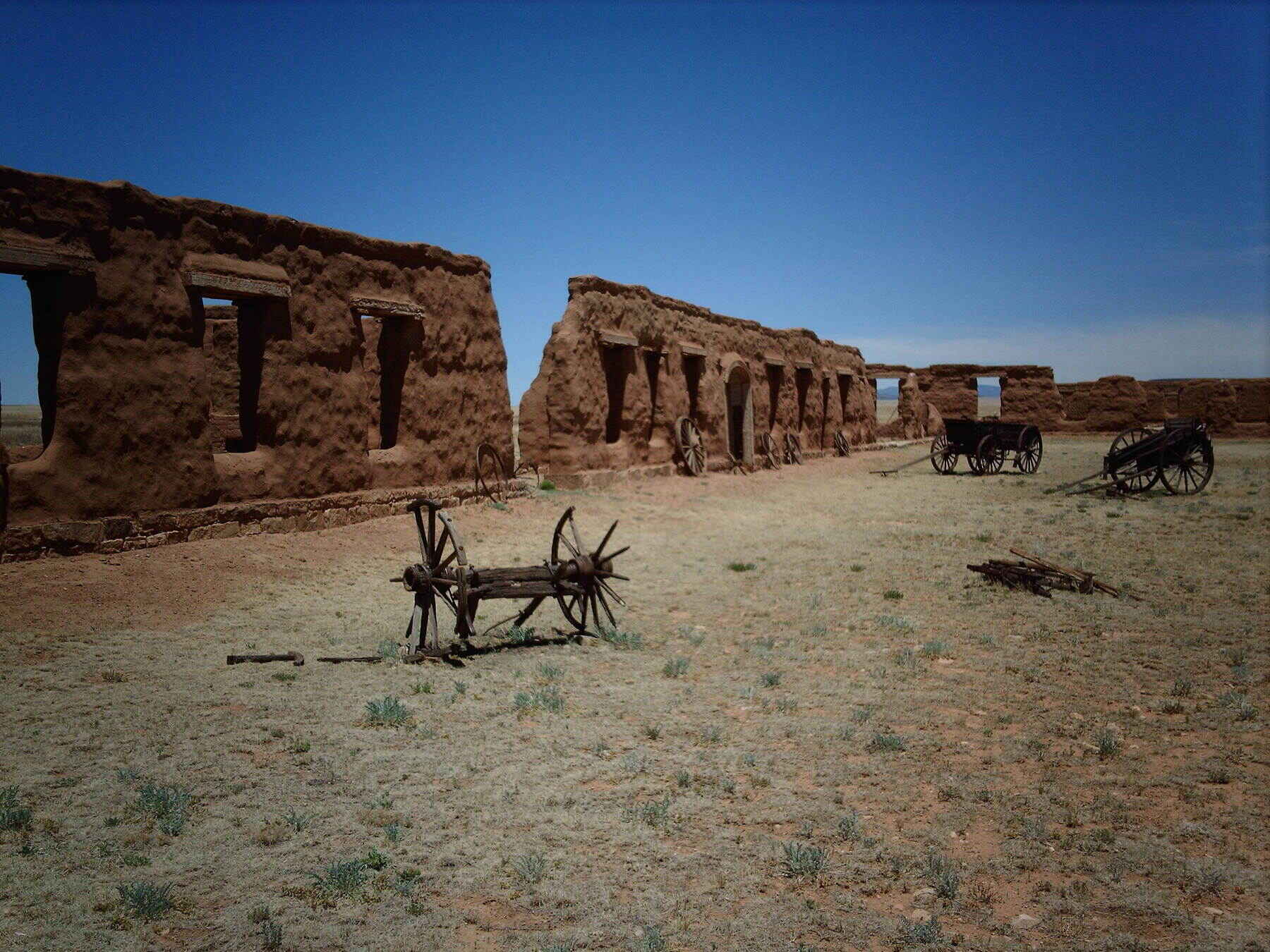
Hidden cavalry forts of the Western Plains include Fort Laramie, Fort Union, Fort Hays, Fort Kearny, Fort Griffin, Fort Reno, Fort Robinson, Fort Davis, Fort Sill, Fort Larned, Fort Concho, and Fort Bridger. Each offers a distinct window into frontier military life, from fur-trading origins to active-duty installations.
Hidden Cavalry Forts of the Western Plains
Scattered across the Western Plains, these cavalry forts once played crucial roles in American history.
Forts That Shaped History
These forts were hubs of activity, culture, and conflict.
-
Fort Laramie, Wyoming
- Originally a fur-trading post, Fort Laramie became a military post in 1849 and served as a vital stop for pioneers traveling the Oregon Trail. It later played a significant role in the Indian Wars.
-
Fort Union, New Mexico
- Built in 1851, Fort Union was the largest fort in the Southwest. It protected settlers and travelers on the Santa Fe Trail and served as a supply depot during the Civil War.
-
Fort Hays, Kansas
- Founded in 1865, Fort Hays was a key military post during the Indian Wars. It also became a bustling community hub, attracting settlers and traders.
Lesser-Known Forts with Rich Histories
Not all forts gained widespread fame, but their stories are equally compelling.
-
Fort Kearny, Nebraska
- Established in 1848, Fort Kearny was a crucial waystation for pioneers heading west. It provided protection and supplies, ensuring safe passage through the plains.
-
Fort Griffin, Texas
- Built in 1867, Fort Griffin was known for its rough-and-tumble atmosphere. It played a significant role in the Red River War and was a hotspot for buffalo hunters and outlaws.
-
Fort Reno, Oklahoma
- Constructed in 1874, Fort Reno was pivotal during the Indian Wars. It later became a remount station, supplying horses to the military during World War I.
Forts with Unique Features
Some forts stand out for their unique characteristics and contributions to history.
-
Fort Robinson, Nebraska
- Established in 1874, Fort Robinson witnessed significant events, including the surrender of Crazy Horse. It later became a K-9 training center during World War II.
-
Fort Davis, Texas
- Built in 1854, Fort Davis is one of the best-preserved frontier forts. It protected emigrants, mail coaches, and freight wagons on the San Antonio-El Paso Road.
-
Fort Sill, Oklahoma
- Founded in 1869, Fort Sill is still an active military installation. It houses the U.S. Army Field Artillery School and has a rich history involving figures like Geronimo.
Forts Turned Museums
Many of these forts have been preserved as museums, offering a glimpse into the past.
-
Fort Larned, Kansas
- Established in 1859, Fort Larned is now a National Historic Site. Visitors can explore restored buildings and learn about its role in protecting the Santa Fe Trail.
-
Fort Concho, Texas
- Built in 1867, Fort Concho is now a museum complex. It offers exhibits on frontier life and the Buffalo Soldiers who were stationed there.
-
Fort Bridger, Wyoming
- Founded in 1843, Fort Bridger is now a state historic site. It features reconstructed buildings and artifacts from its days as a trading post and military fort.
Hidden Cavalry Forts Await
Exploring the hidden cavalry forts of the Western Plains offers a unique glimpse into history. These forts provide a rich tapestry of stories from the past. Visiting these sites, you can almost hear the echoes of soldiers and settlers who once walked these grounds. Each fort has its own tale, from strategic battles to daily life on the frontier.
Whether you're a history buff or just looking for a new adventure, these forts are worth the trip. They offer a chance to step back in time and experience a piece of American history firsthand. So pack your bags, grab a map, and set out to uncover the secrets of the Western Plains. The hidden cavalry forts are waiting to be discovered.
Related travel guides: Hidden Pioneer Homesteads Along Idaho's Salmon River, Vallejo's Secretive Mare Island Naval Shipyard History, and Secrets Of Arizona's Kofa Desert Washes.
