

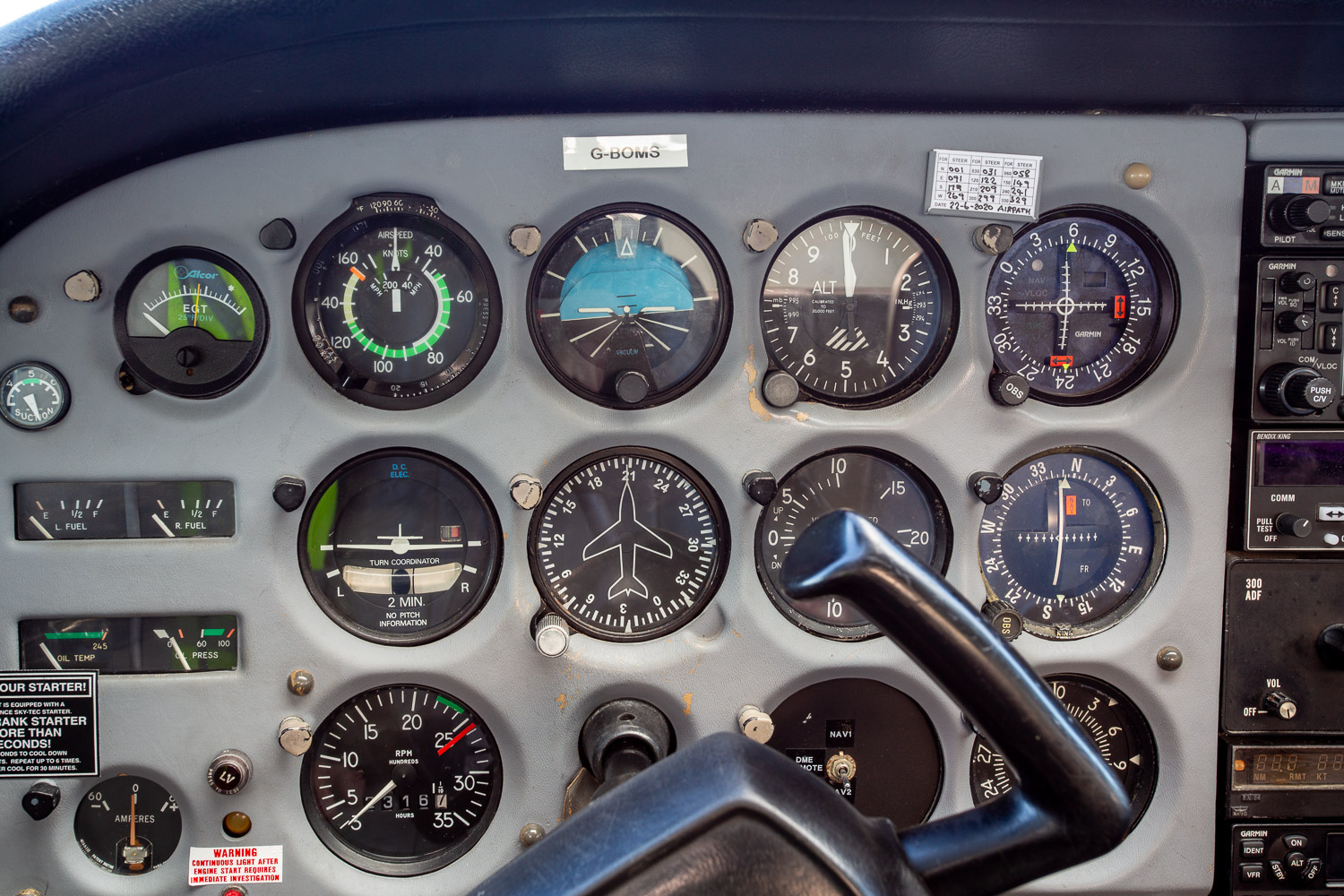
Manifold pressure is the absolute pressure of the air-fuel mixture inside an airplane engine's intake manifold, measured in inches of mercury (inHg) on a cockpit gauge. The crucial caveat is that while a higher manifold pressure at high power settings increases the air-fuel mixture intake for more engine power, it is primarily controlled by throttle position, not engine speed—RPM is governed by propeller pitch in constant-speed propeller aircraft. This pressure, influenced by altitude and air density, directly dictates engine performance, fuel efficiency, and flight safety.
Definition of Manifold Pressure
Manifold pressure, in the context of aviation, refers to the absolute pressure of the air-fuel mixture in the intake manifold of an aircraft engine. It is a crucial parameter that determines the amount of power the engine can generate. Measured in inches of mercury (inHg), manifold pressure is displayed on a gauge in the aircraft's cockpit. It helps the pilot monitor and control the engine's performance during different flight phases.
Related travel guides: How Big Is An Airplane Tire, What Do The Flaps Do On An Airplane, and What Is In Airplane Deicer.
The intake manifold is a crucial component of an aircraft's engine. It allows the fuel-air mixture to be distributed evenly to the engine's cylinders for combustion. The pressure within the manifold is influenced by several factors, including throttle position, altitude, and engine speed.
Manifold pressure plays a critical role in optimizing engine performance. At high power settings, a higher manifold pressure results in increased air-fuel mixture intake, improving the engine's ability to generate power. Conversely, at low power settings, the manifold pressure decreases, reducing the amount of air-fuel mixture entering the cylinders and consequently lowering the engine's power output.
The manifold pressure gauge in the cockpit provides pilots with a clear indication of the engine's performance. It allows them to monitor the pressure variations and make necessary adjustments to maintain desired power levels during different flight conditions. Proper management of manifold pressure ensures smooth engine operation, optimal fuel consumption, and overall flight efficiency.
It is worth noting that manifold pressure varies according to the altitude at which the aircraft is flying. As an aircraft climbs to higher altitudes, the atmospheric pressure decreases, leading to a decrease in the manifold pressure. Pilots need to be aware of this relationship and make appropriate adjustments to maintain optimal engine performance.
In summary, manifold pressure is a key parameter in aviation that measures the air-fuel mixture's pressure in the intake manifold of an aircraft engine. It directly affects engine performance, power output, and fuel efficiency. By closely monitoring and managing manifold pressure, pilots can ensure safe and efficient flight operations.
Importance of Manifold Pressure in Airplanes
The manifold pressure in airplanes plays a crucial role in determining the engine's performance, fuel efficiency, and overall flight safety. It is a key parameter that pilots must monitor and control to ensure optimal operation during different flight phases.
First and foremost, manifold pressure directly affects the engine's power output. By regulating the air-fuel mixture entering the cylinders, the manifold pressure determines the amount of power the engine can generate. Pilots can adjust the manifold pressure by manipulating the throttle position, allowing them to control the aircraft's speed and climb rate.
Proper management of manifold pressure is essential for maintaining the engine within its specified limits. Operating the engine at excessively high manifold pressures can lead to overloading and potential engine damage, while operating at excessively low manifold pressures can result in reduced power and inefficient fuel consumption.
In constant-speed propeller aircraft, manifold pressure and RPM work together but are independently controlled. Higher RPMs do not necessarily lead to increased manifold pressure, as manifold pressure is primarily controlled by throttle position, while RPM is controlled by propeller pitch.
Moreover, manifold pressure is closely linked to an aircraft's altitude. As an aircraft climbs to higher altitudes, the air pressure decreases, causing a corresponding decrease in manifold pressure. Pilots must monitor and adjust the manifold pressure to ensure the engine is operating at the optimal power output for the given altitude. Failure to do so can lead to reduced engine performance and compromised safety.
In addition to power output, the manifold pressure also affects fuel efficiency. Proper management of manifold pressure allows pilots to optimize the air-fuel mixture, ensuring efficient combustion and minimizing fuel consumption. This not only reduces operating costs but also extends the aircraft's range by maximizing fuel efficiency.
Cold air is denser, resulting in a higher mass of air being taken into the cylinders, which can affect engine performance. Conversely, hot air is less dense, which can affect engine performance.
Furthermore, manifold pressure is a crucial factor in ensuring smooth engine operation and preventing engine roughness or surging. By carefully adjusting the manifold pressure, pilots can maintain a steady and consistent power output, minimizing vibrations and ensuring a comfortable flight experience for passengers.
Overall, manifold pressure is an essential parameter to monitor and control during flight operations. It directly influences engine performance, power output, fuel efficiency, and the overall safety of the aircraft. Pilots must have a thorough understanding of manifold pressure and its relationship with throttle position and altitude to effectively manage engine operations and optimize flight performance.
Manifold Pressure Gauge
The manifold pressure gauge is a vital instrument in the cockpit of an airplane that provides pilots with crucial information about the engine's performance. It displays the current manifold pressure, measured in inches of mercury (inHg), allowing pilots to monitor and control the engine's power output.
The manifold pressure gauge is typically located on the instrument panel, within easy reach of the pilot. It consists of a dial with markings indicating the manifold pressure values in inches of mercury. The gauge is connected to a pressure sensing device located in the engine's intake manifold, which accurately measures the pressure of the air-fuel mixture.
During normal operations, the manifold pressure gauge provides pilots with real-time information about the intake manifold pressure. This allows them to ensure the engine is operating within the specified limits and make any necessary adjustments to maintain optimal performance.
The manifold pressure gauge serves as a critical tool for monitoring power output. Pilots can use the gauge to adjust the throttle position and regulate the manifold pressure, thereby controlling the engine's power output and flight speed.
In addition to power output, the manifold pressure gauge is valuable for monitoring engine health and detecting potential issues. Abrupt changes or fluctuations in manifold pressure can indicate problems such as air leaks, faulty sensors, or engine malfunctions. By closely observing the manifold pressure gauge, pilots can quickly identify abnormalities and take appropriate actions to ensure safe operations.
Furthermore, the manifold pressure gauge is particularly important for pilots flying at high altitudes. As the aircraft climbs, the atmospheric pressure decreases, resulting in a decrease in the manifold pressure. By monitoring the gauge, pilots can adjust the throttle position to maintain optimal power output at different altitudes, ensuring the engine operates efficiently and the aircraft maintains the desired performance.
In summary, the manifold pressure gauge is a critical instrument in the cockpit of an aircraft. It provides pilots with real-time information about the engine's power output and allows them to make necessary adjustments to maintain optimal performance. By closely monitoring the manifold pressure gauge, pilots can ensure safe operations, detect potential issues, and optimize flight efficiency throughout the entire flight.
Factors Affecting Manifold Pressure
Several factors can influence the manifold pressure in an aircraft's engine. It is essential for pilots to understand these factors to effectively manage engine operations and optimize performance.
1. This decrease in pressure leads to a corresponding decrease in manifold pressure. Pilots must be aware of this relationship and adjust the throttle position to maintain the desired manifold pressure and optimal power output for the given altitude.
2. Throttle Position: The position of the throttle directly affects the amount of air-fuel mixture entering the engine's cylinders. Opening the throttle wide increases the airflow and results in higher manifold pressure and increased engine power. Conversely, closing the throttle reduces the airflow, resulting in lower manifold pressure and decreased engine power.
3. Engine RPM: The engine's rotational speed, measured in revolutions per minute (RPM), also impacts manifold pressure. Pilots can adjust the throttle and propeller pitch to control the engine RPM and, consequently, the manifold pressure.
4. Ambient Temperature: The temperature of the surrounding air can affect engine performance. Pilots need to account for temperature variations to ensure proper engine performance.
5. Engine Wear and Tear: Over time, engine components may wear, affecting manifold pressure. Leaks or worn seals in the intake system can result in air loss and reduced manifold pressure. Regular maintenance and inspections are crucial to detect and rectify any issues that may impact manifold pressure.
6. Aircraft Modifications: Any modifications or additions made to the aircraft, such as engine upgrades or installation of aftermarket components, can alter the manifold pressure characteristics. Pilots should consult with certified mechanics or manufacturers to ensure that any modifications are properly implemented and do not negatively affect manifold pressure.
Understanding these factors and their impact on manifold pressure is essential for pilots. By monitoring and adjusting the throttle position, RPM, and other engine controls, pilots can effectively manage manifold pressure, optimize engine performance, and ensure safe and efficient flight operations.
Operating Manifold Pressure
Operating manifold pressure refers to the recommended range of manifold pressure values that pilots should aim to maintain during different flight conditions. It is crucial to operate the engine within the specified limits to ensure optimal performance, fuel efficiency, and engine longevity.
The manufacturer of the aircraft typically provides guidelines and recommended operating ranges for manifold pressure. These recommendations take into account factors such as engine design, performance characteristics, and limitations. Pilots should familiarize themselves with the specific operating limitations and guidelines provided by the aircraft's manufacturer.
During normal operations, pilots aim to maintain the manifold pressure within the recommended range for a given flight phase. For example, during takeoff and climb, pilots may push the throttle forward to increase the manifold pressure and generate the necessary power for a steep ascent. As the flight progresses into cruise, pilots typically adjust the throttle to maintain a desired cruising speed and fuel efficiency while keeping the manifold pressure within the recommended range.
Operating the engine outside of the recommended manifold pressure range can have adverse effects. Operating at excessively high manifold pressures could lead to engine overload or overheating, potentially causing damage or premature wear. On the other hand, operating at excessively low manifold pressures may result in reduced power output, inefficient fuel consumption, and compromised engine performance.
Pilots must continuously monitor the manifold pressure gauge during flight to ensure that the engine remains within the specified operating range. Abrupt changes or fluctuations in manifold pressure should be investigated to identify any underlying issues that may require attention.
Additionally, it is important to consider the aircraft's altitude when determining the appropriate operating manifold pressure. As an aircraft climbs to higher altitudes, the ambient air pressure decreases, necessitating adjustments to maintain the desired manifold pressure. Failure to adjust the throttle position accordingly can result in the engine operating below or above the recommended manifold pressure range.
In summary, operating manifold pressure is the specific range of manifold pressure values within which pilots should aim to operate the engine during different flight conditions. Staying within the recommended range ensures optimal engine performance, fuel efficiency, and engine longevity. By closely monitoring the manifold pressure gauge and making necessary adjustments, pilots can maintain the engine within the appropriate operating range and ensure safe and efficient flight operations.
Effects of Manifold Pressure on Engine Performance
Manifold pressure directly affects power output, fuel efficiency, and overall engine operation. Understanding these effects helps pilots optimize performance and ensure safe flight.
1. Pilots adjust throttle position to control manifold pressure and regulate power output, especially during takeoff, climb, and maneuvers requiring extra power.
2. Fuel Efficiency: By carefully adjusting manifold pressure, pilots can ensure the engine operates at its most efficient air-fuel mixture. This reduces operating costs and extends the aircraft's range by maximizing fuel efficiency. Proper management of manifold pressure helps achieve the optimal balance between power output and fuel consumption.
3. Engine Longevity: Operating within the recommended manifold pressure range is essential for engine longevity. Excessively high manifold pressures stress engine components, potentially causing damage or premature wear. Excessively low manifold pressures may result in inefficient combustion and cause deposits to accumulate in the cylinders. Maintaining manifold pressure within the specified range enhances engine lifespan and reduces the likelihood of mechanical issues.
4. Engine Smoothness: Proper management of manifold pressure contributes to smooth engine operation. Abrupt changes or fluctuations in manifold pressure can lead to engine roughness or surging, causing vibrations and an uncomfortable flight. By monitoring and adjusting manifold pressure, pilots maintain consistent power output, minimizing vibrations and ensuring a smoother flight.
5. Altitude Performance: As an aircraft climbs, atmospheric pressure decreases, resulting in lower manifold pressure. Pilots must adjust throttle position to maintain desired manifold pressure for the given altitude. Failure to do so can reduce engine performance and compromise safety. Monitoring and adjusting manifold pressure according to altitude is essential for optimal engine performance.
In summary, manifold pressure significantly influences power output, fuel efficiency, engine longevity, smoothness, and altitude performance. By monitoring and managing manifold pressure, pilots optimize engine performance, improve fuel efficiency, and ensure safe flight operations.
Tips for Monitoring Manifold Pressure
Monitoring manifold pressure is a critical task for pilots to ensure optimal engine performance and safe flight operations. Here are some valuable tips for monitoring manifold pressure:
1. Understand Operating Limits: Familiarize yourself with the recommended operating limits and guidelines for manifold pressure provided by the aircraft manufacturer. This will help you ensure that the engine is operating within the specified range and avoid exceeding the maximum allowable pressure.
2. Check Manifold Pressure During Pre-Flight: Before each flight, inspect the manifold pressure gauge to ensure it is functioning correctly. Look for any signs of damage or abnormalities, and verify that the readings are accurate. If you notice any issues, consult with a certified mechanic for further investigation and necessary repairs.
3. Establish Baseline Readings: Record the baseline manifold pressure readings during normal level flight at various altitudes and power settings. These baseline readings will serve as references for future flights and help you identify any significant deviations or changes in manifold pressure.
4. Monitor Manifold Pressure During Flight Phases: Pay close attention to the manifold pressure gauge during different flight phases, such as takeoff, climb, cruise, and descent. Observe the changes in manifold pressure and ensure it remains within the recommended range for each phase. Adjust the throttle position as needed to maintain the desired manifold pressure and power output.
5. Watch for Fluctuations: Monitor the manifold pressure gauge for any sudden fluctuations or rapid changes in pressure. Abrupt changes can indicate issues with the engine, such as air leaks or faulty sensors. If you observe significant fluctuations, consult with a qualified mechanic to address the underlying problem promptly.
6. Consider Environmental Factors: Take into account the altitude and ambient temperature when interpreting manifold pressure readings. As altitude increases, the air pressure decreases, resulting in a decrease in manifold pressure. Similarly, temperature variations can affect engine performance. Adjust the throttle position and make necessary corrections to maintain the desired manifold pressure for the given environmental conditions.
7. Regularly Calibrate Equipment: Ensure that the manifold pressure gauge is calibrated regularly to maintain accuracy. Over time, the gauge might lose calibration, leading to inaccurate readings. Consult with a certified mechanic or instrument technician to perform the necessary calibration procedures.
8. Consult the Pilot's Operating Handbook: Refer to the aircraft's Pilot's Operating Handbook (POH) for specific guidelines and procedures related to monitoring manifold pressure. The POH provides valuable information on recommended settings, limitations, and emergency procedures related to manifold pressure in your specific aircraft model.
By following these tips and remaining vigilant in monitoring manifold pressure, pilots can maintain optimal engine performance, fuel efficiency, and overall flight safety. Regularly training and staying up-to-date with the latest aircraft procedures and operating guidelines will further enhance your ability to monitor manifold pressure effectively.
Conclusion
Manifold pressure is a critical factor in the performance and operation of aircraft engines. Pilots must understand its significance and effectively monitor and manage it throughout flight operations. Maintaining proper manifold pressure ensures optimal engine performance, fuel efficiency, and overall flight safety.
This allows for control over power output, speed, and climb rates during different flight phases.
The effects of manifold pressure on engine performance are undeniable. Proper management leads to increased power output, improved fuel efficiency, smoother engine operation, and enhanced overall aircraft performance. Operating outside the recommended range could result in engine damage, reduced power output, and compromised safety.
Monitoring manifold pressure requires attentiveness, understanding of the aircraft's limitations, and adherence to operating guidelines provided by the manufacturer. It is crucial to establish baseline readings, check the gauge before each flight, and be vigilant for any fluctuations or abnormalities throughout the flight. Regular maintenance and calibration of equipment, as well as consulting the aircraft's Pilot's Operating Handbook, further enhance the ability to monitor manifold pressure effectively.
In conclusion, manifold pressure is a vital parameter for pilots to monitor and manage during flight. It influences engine performance, fuel efficiency, and overall flight safety. By understanding the factors affecting manifold pressure and utilizing proper monitoring techniques, pilots can ensure optimal engine operations and enhance the overall flying experience.
