

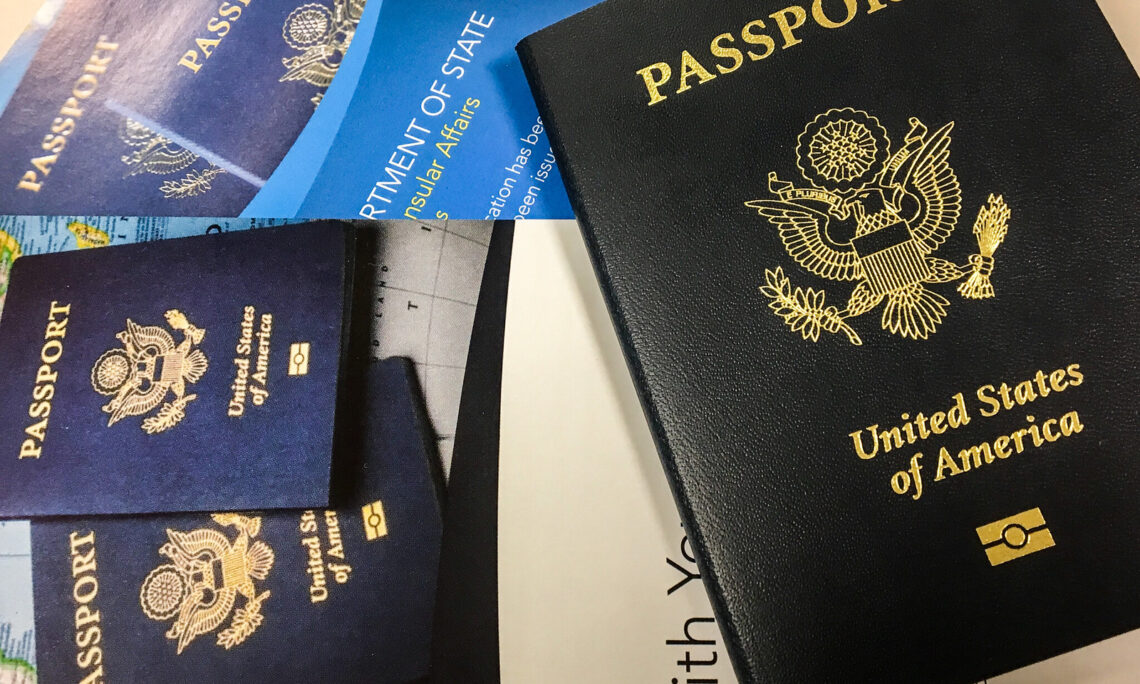
A file search fee for a passport is a charge you pay to the government when they must dig through their records to find your old passport file—typically because your passport was lost, stolen, or damaged and you need a replacement or specific information from that file. This fee is separate from the passport application fee, so you pay it only when a search of existing records is required, not when you’re simply applying for a new or renewed passport. The charge covers the administrative time and labor involved in locating your file, and for U.S. passports, it’s a flat $150, regardless of how simple or complex the search turns out to be.
Definition of a File Search Fee
A file search fee is a charge imposed by passport authorities or other relevant government agencies when an individual requests a search for their passport file. This fee is typically associated with situations where the original passport has been lost, stolen, or damaged, and the individual needs to obtain a replacement or extract information from their file.
The file search fee covers the administrative costs and efforts involved in locating the necessary passport information. When a passport application or inquiry is submitted, the relevant authorities need to access and retrieve the applicant's file, which requires time and resources. The fee helps offset these expenses and ensures that the passport office can effectively manage the request and provide the necessary assistance to the applicant.
It's important to note that the file search fee is separate from the passport application fee. The file search fee is specific to situations where a search for existing passport records is required, while the passport application fee is applicable when applying for a new passport or renewing an existing one.
The file search fee is implemented to ensure efficiency in processing passport requests and to deter unnecessary or frivolous inquiries. Since conducting a file search can be time-consuming and labor-intensive, the fee encourages individuals to exercise caution and maintain proper care of their passports to avoid the need for file searches.
The specific amount of the file search fee is set by the passport authority or government agency; for U.S. passports, it is $150. For example, the U.S. file search fee is a flat $150 regardless of the extent of the search. It is essential to check with the appropriate authority or consult their website to determine the exact fee amount and any additional requirements or documentation needed to initiate the file search process.
Overall, the file search fee serves as a vital component of passport services, allowing authorities to efficiently locate and retrieve passport records for individuals in need. By covering the costs associated with these searches, the fee ensures that the passport office can provide timely and accurate assistance to applicants, contributing to the overall integrity of the passport system.
Purpose of a File Search Fee
The purpose of a file search fee is to cover the administrative costs and resources required to locate and retrieve passport records for individuals who have lost, stolen, or damaged their passport. In addition to facilitating the search process, this fee serves several important purposes.
Firstly, the file search fee acts as a deterrent against frivolous or unnecessary inquiries. Losing or damaging a passport can be a stressful experience, and individuals are encouraged to exercise caution and take proper care of their travel document. The fee serves as a reminder that there are costs associated with file searches, incentivizing individuals to handle their passports responsibly and avoid situations that require a search.
Secondly, the file search fee helps ensure efficiency in processing passport requests. Conducting a file search can be a time-consuming process, requiring personnel to locate and retrieve the necessary passport records. By imposing a fee, the passport authorities can allocate resources efficiently and prioritize requests based on their urgency. The fee helps manage the workload and prevents delays in processing other applications.
Furthermore, the file search fee contributes to the overall integrity of the passport system. Passport authorities have a responsibility to maintain accurate records and protect the privacy of individuals. The fee helps cover the costs of maintaining and updating the passport database, ensuring that records are accessible and reliable. It also supports the implementation of security measures to safeguard passport information from unauthorized access.
Additionally, the revenue generated from file search fees can be used to improve passport services. It may be used to invest in technological advancements that streamline the search process and enhance the overall efficiency of the passport office. The fee revenue may also be allocated to provide better customer service, such as hiring additional staff or extending customer support hours, ensuring that individuals receive timely assistance and information regarding their passport files.
Ultimately, the purpose of a file search fee is multifaceted. It aims to discourage careless handling of passports, maintain efficient processes for passport requests, safeguard the integrity of passport records, and improve overall service quality. By implementing this fee, passport authorities can effectively manage file searches, process applications in a timely manner, and provide individuals with the necessary support and information they need regarding their passports.
How to Request a File Search
If you need to request a file search for your passport, the process depends on the passport authority or government agency in your country. Here are the general steps to guide you:
- Check the requirements: Before starting, review the specific requirements from the passport authority or government agency. Visit their website or contact customer service to confirm the necessary information and documents.
- Complete the appropriate form: Most passport authorities provide a designated form for file search requests. Fill it out accurately, including personal information, passport number (if available), date of issuance, and any other relevant details.
- Submit the form: After completing it, submit the form as directed—online, by mail to the designated address, or in person at a passport office.
- Pay the file search fee: Along with the form, you’ll need to pay the required fee. The authority will specify accepted payment methods, such as credit/debit card, online payment, or money order. Include payment as instructed.
- Provide supporting documents: Depending on your circumstances, you may need to submit documents like a copy of a police report (if your passport was lost or stolen), evidence of travel plans, or other required paperwork.
- Follow up on your request: After submitting, check the status of your application through the authority’s provided channels—online portals, phone hotlines, or email inquiries—to ensure it’s being processed.
- Obtain the results: Once the file search is complete and your records are located, the authority will notify you. They may issue a replacement passport or extract needed information, depending on your situation.
Remember that the process and requirements may differ by country or passport authority, so consult the official website or contact customer service for the most accurate, up-to-date instructions.
By following these steps and providing all necessary information, you can help ensure your file search request is processed efficiently.
Cost of a File Search Fee
The fee is subject to change periodically, so it's important to check the official website or contact customer service for the most accurate and up-to-date information. Here are some factors that may influence the cost of a file search fee:
- Passport Authority: Different passport authorities may have varying fee structures for file searches. The fee can be influenced by factors such as administrative costs, staffing, and the level of service provided by the authority.
- Type of File Search: The complexity and extent of the file search required can impact the cost.
- Processing Time: Some passport authorities offer expedited processing options for file searches at an additional cost. If you require a quicker turnaround time, you may have the option to pay a higher fee to prioritize your request.
- Additional Services: In certain cases, the file search fee may include additional services or benefits. For example, it may cover the cost of issuing a replacement passport or extracting specific information from your file. The inclusion of such services can affect the overall fee amount.
While the cost of a file search fee may vary by authority, it is important to note that this fee is separate from the regular passport application or renewal fee.
It's crucial to consider the file search fee as part of the overall cost associated with lost, stolen, or damaged passports. Along with the fee, you may also need to account for the cost of obtaining a replacement passport, which often requires paying the applicable passport application fee in addition to any necessary expedited processing fees.
As the fee amount can change and vary depending on the authority, it is recommended that you consult the official website or contact the passport authority directly for the most accurate and up-to-date information on the cost of a file search fee.
Payment Methods for File Search Fee
When it comes to paying the file search fee for your passport, the specific payment methods accepted can vary depending on the passport authority or government agency in your country. Here are some common payment methods that may be available for settling the file search fee:
- Credit/Debit Card: Many passport authorities accept payment via credit or debit cards. This is a convenient and widely used method of payment, allowing you to securely provide your card details during the payment process. Visa, Mastercard, and American Express are commonly accepted cards, but it's important to check with the passport authority or consult their website to ensure that your specific card type is accepted.
- Online Payment: Some passport authorities provide online payment options for the file search fee. This may include online portals or payment gateways where you can input your payment information and complete the transaction securely. Online payment methods typically offer convenience and ease, allowing you to pay from the comfort of your own home.
- Money Order: In certain cases, the passport authority may require payment by money order. A money order is a prepaid payment method, where you purchase a specific amount from a bank or post office and submit it along with your file search request. Money orders provide a secure and traceable payment option.
- Cashier's Check: Some passport authorities may accept payment via cashier's check. A cashier's check is a payment instrument issued by a bank, guaranteeing the funds. The check can be obtained by depositing the required amount at a bank and requesting a cashier's check made out to the passport authority.
- Postal Order: In certain countries, postal orders may be accepted as a payment method for the file search fee. A postal order is similar to a money order, where you purchase it from a post office and submit it along with your request. It provides a secure and traceable payment option.
It's important to note that the payment methods accepted for the file search fee may vary depending on the passport authority or government agency. It is recommended to check their official website or contact their customer service to obtain accurate and up-to-date information regarding the acceptable payment methods.
When making the payment, it is crucial to ensure that you follow the instructions provided by the passport authority and include any necessary payment documentation or reference numbers. This will help ensure a smooth and efficient processing of your file search request.
By understanding the available payment methods for the file search fee and following the instructions provided by the passport authority, you can successfully settle the fee and proceed with your file search request.
Processing Time for File Search
The processing time for a file search can vary depending on several factors, including the passport authority or government agency involved, the complexity of the search, and the current workload of the authority. It's important to note that the timeframe provided below is a general guideline, and actual processing times may differ. Here are some key points to consider regarding the processing time for a file search:
- Standard Processing Time: In general, the standard processing time for a file search can range from a few weeks to several months. This includes the time required for the passport authority to receive and review your request, conduct the necessary search, and provide you with the outcome. It's important to allow sufficient time for the authority to complete the search, especially if you have upcoming travel plans or require the information within a specific timeframe.
- Expedited Processing: Some passport authorities offer expedited processing options for file searches, which can significantly reduce the processing time. Expedited processing often involves an additional fee, but it can be beneficial if you need the search results promptly. It's essential to check with the passport authority or consult their website for information on expedited processing timelines, as these can vary depending on the volume of requests and available resources.
- Complex Searches: If your file search involves complex circumstances, such as multiple name changes, limited information, or extensive record retrieval, the processing time may be longer. These types of searches require more in-depth review and investigation, which can contribute to an extended processing timeframe. It's important to be patient and understand that thoroughness is essential to ensure the accuracy and completeness of the search results.
- Follow-Up: If you have not received any response regarding your file search within the estimated processing time, it's advisable to follow up with the passport authority. Contact their customer service or utilize any provided tracking systems to inquire about the status of your request. Occasionally, there may be delays or unforeseen circumstances that affect the processing time, and reaching out for an update can help mitigate any concerns or address any potential issues.
It's important to note that these guidelines are general in nature, and the actual processing time for file searches can vary based on the specific circumstances and policies of the passport authority or government agency. To obtain the most accurate and up-to-date information regarding the processing time for a file search, it is recommended to consult the official website or contact the passport authority directly.
By being aware of the estimated processing time and understanding the factors that can impact it, you can plan your travel arrangements accordingly and have realistic expectations regarding the completion of your file search request.
Exceptions and Refunds for File Search Fee
While the file search fee is generally non-refundable, there may be certain exceptions and circumstances where refunds or waivers are applicable. Here are some common scenarios where exceptions or refunds may be considered:
- Unsuccessful File Search: If the file search conducted by the passport authority does not yield any results or if it is determined that the requested information is not available, some passport authorities may offer a refund or waive the file search fee.
- System Errors or Technical Issues: In cases where the payment for the file search fee was made, but the authority's system encountered errors or technical issues that prevented the processing of the request, a refund may be applicable.
- Documented Error or Miscommunication: If an error or miscommunication occurred on the part of the passport authority or government agency that led to the need for an additional file search or unnecessary payment, refunds or waivers may be granted upon proper documentation and review of the case.
- Pre-Approved Waivers: Some passport authorities may have pre-approved waiver policies for specific groups or circumstances. For example, certain categories of individuals, such as victims of natural disasters or individuals in humanitarian crisis situations, may be exempt from paying the file search fee.
It's important to familiarize yourself with the specific exceptions and refund policies outlined by the passport authority or government agency.
When seeking a refund or waiver for the file search fee, you may be required to provide supporting documentation or evidence to substantiate your claim. This can include proof of unsuccessful search results, communication records with the passport authority, or any other relevant information that supports your request. Following the established guidelines and providing all necessary documentation will help facilitate the review process.
It's essential to note that each case is evaluated individually, and the final decision regarding exceptions or refunds rests with the passport authority or government agency. It's advisable to communicate your concerns or circumstances clearly and professionally, and to maintain all records and documentation related to your file search request and payment.
By understanding the exceptions and refund policies for the file search fee and following the appropriate procedures, you can navigate the process effectively and seek appropriate recourse if necessary.
Conclusion
Travel accessories play a crucial role in enhancing your travel experience, offering convenience, comfort, and organization. Investing in quality travel accessories can make a significant difference in how smoothly your journeys unfold. From innovative gadgets to practical solutions, there is a wide range of accessories available to suit every traveler's needs and preferences.
In this comprehensive guide, we explored the world of travel accessories and discussed the importance of choosing the right products. We delved into topics such as the definition of a file search fee for passports, its purpose, and the process of requesting a file search. We also discussed the cost of the fee, payment methods, processing times, and exceptions or refunds that may apply in certain circumstances.
Remember, when shopping for travel accessories, prioritize quality and durability to ensure that your accessories withstand the demands of travel and provide you with lasting value. It's also important to consider your specific travel needs and preferences, selecting accessories that align with your travel style and requirements.
As you embark on your next adventure, take the time to invest in travel accessories that will enhance your journey. From packing organizers to noise-canceling headphones, portable chargers to travel pillows, the right accessories can make all the difference in terms of comfort, convenience, and peace of mind.
Lastly, stay informed about passport-related fees and processes, such as the file search fee discussed in this guide. Be aware of the requirements, payment methods, and processing times specific to your passport authority or government agency, ensuring that you have all the necessary information to navigate the process smoothly.
With the right travel accessories in hand, you'll be well-prepared for your upcoming adventures, ready to embrace new experiences and create lasting memories. So, go out there, explore the world, and make the most of your travels with the help of quality travel accessories tailored to your needs!
Related travel guides: What Is The Issuance Date Of Your Passport?, How Does A Passport Look Like, and Why Is A Passport So Expensive.
