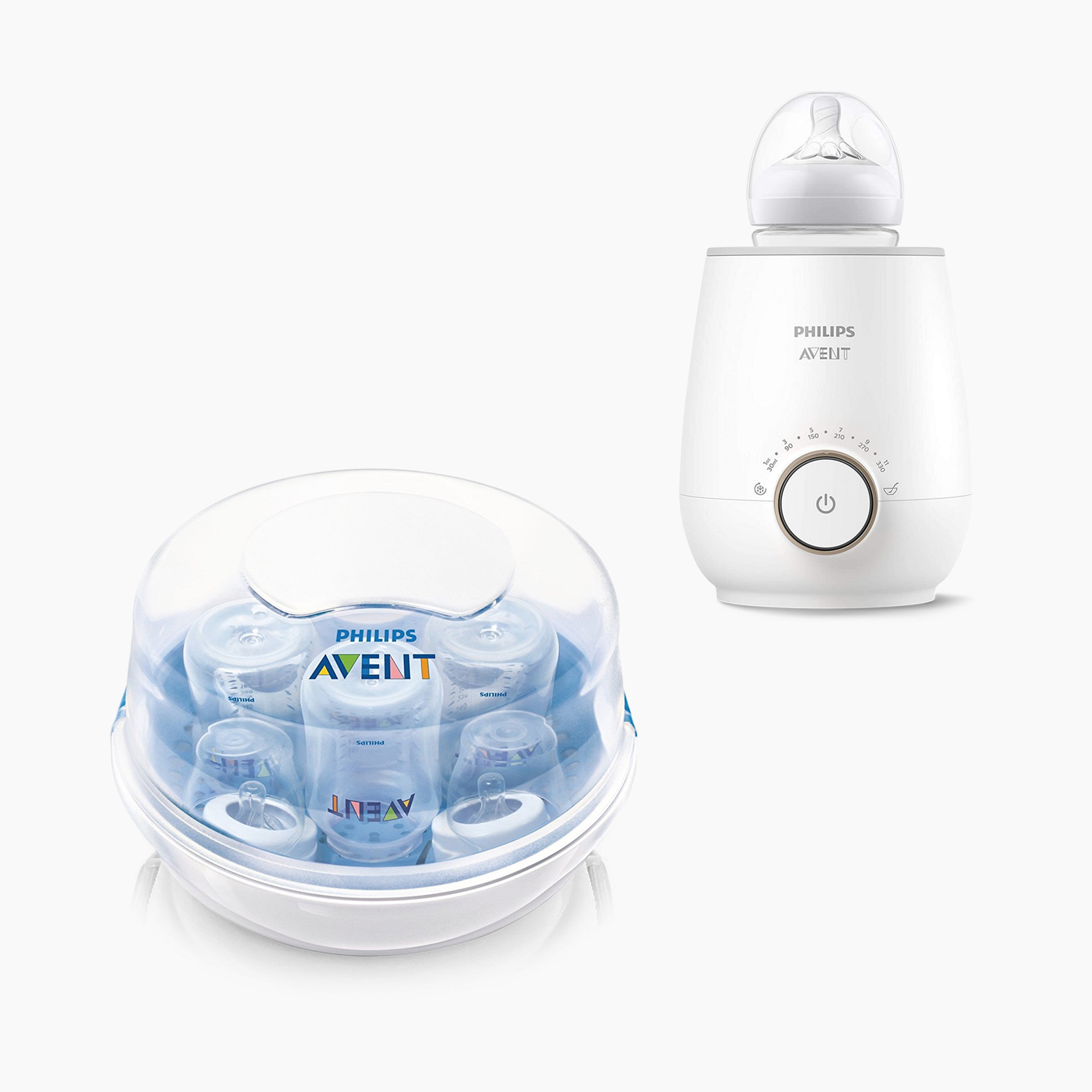
To use the Philips Avent Bottle Warmer, fill it with fresh room-temperature water to just above the milk level for 125 ml/4 oz bottles, or to 15 mm below the rim for larger bottles, then place the assembled bottle securely upright, set dial models to 3 or iQ/digital models to milk or food with starting temperature and volume, and remove the bottle when the cycle finishes. The most important caveat is to always check the temperature by shaking the bottle and testing a few drops on your wrist—it should feel warm, not hot—before feeding your baby.
Safety Precautions
Prioritizing your baby's safety is of utmost importance when using the Philips Avent Bottle Warmer. To ensure a safe and worry-free bottle warming experience, keep the following precautions in mind:
- Always read and follow the instructions provided by the manufacturer. Familiarize yourself with the user manual and follow the recommended guidelines for proper usage.
- Never leave the bottle warmer unattended during operation. Stay within sight and reach of the appliance at all times, especially if there are curious children or pets nearby.
- Fill the bottle warmer with fresh room-temperature water to just above the milk level for 125 ml/4 oz bottles, or to 15 mm (1/2 inch) below the rim for larger bottles if the milk level is high.
- Once you have successfully set up the Philips Avent Bottle Warmer, you are ready to start warming your baby's milk or formula. Start by placing the assembled bottle or container in the warmer; for some models, remove the dome cap first.
- Ensure the bottle is positioned securely and upright to prevent any leaks.
- For dial models, set the warmer to setting 3; for iQ/digital models, choose milk or food, select the starting temperature, then select the amount/volume before starting.
- When the warming cycle finishes, carefully remove the bottle or container from the bottle warmer.
- Always check the temperature of the warmed bottle before feeding your baby. Shake the bottle gently and test a few drops on the inside of your wrist. It should feel warm, not hot. Discard any leftover milk or formula after feeding.
- Keep the bottle warmer and its cord out of the reach of children. Avoid placing the appliance near the edge of countertops or tables where it could be pulled down by a child or pet.
- Ensure that the bottle warmer is placed on a stable and flat surface during operation. Avoid using it on uneven or wobbly surfaces that could cause accidents or spills.
- Regularly inspect the bottle warmer for any signs of damage or wear. If you notice any cracks, frayed cords, or malfunctioning parts, discontinue use and contact the manufacturer for assistance.
- Unplug the bottle warmer when not in use and before cleaning. Allow it to cool down completely before handling or storing.
By following these safety precautions, you can confidently and responsibly use the Philips Avent Bottle Warmer, ensuring a secure and reliable experience for both you and your baby.
Setting up the Philips Avent Bottle Warmer
Place the bottle warmer on a stable, flat surface near a power outlet. Ensure it is clean and free from dust. Plug it into a power outlet.
Use the bottle’s milk level, not its full capacity, to decide the water level.
For iQ/digital models, place the fully assembled bottle or container inside, with the dome cap on when applicable.
When the warming cycle finishes, carefully remove the bottle or container and test the milk temperature on your wrist.
Step-by-Step Instructions for Using the Philips Avent Bottle Warmer
Now that you have set up the Philips Avent Bottle Warmer, let's walk through the step-by-step instructions for efficiently heating your baby's milk or formula:
- Press the power button to turn on the bottle warmer. The indicator light will illuminate to indicate that the warming cycle has started.
- Take caution as it might be hot. Gently swirl the bottle to mix the warmed milk or formula and test the temperature by placing a few drops on your wrist to ensure it is not too hot.
- Once you have confirmed the temperature is suitable for your baby, you can now safely feed them with the warmed bottle.
- After each use, unplug the bottle warmer from the power outlet and allow it to cool down. Dispose of any remaining milk or formula and clean the bottle warmer according to the manufacturer's instructions.
Following these step-by-step instructions will help you effectively utilize the Philips Avent Bottle Warmer to provide quick and hassle-free bottle warming for your little one.
Tips and Tricks for Efficient Bottle Warming
While the Philips Avent Bottle Warmer is designed to provide efficient and consistent bottle warming, here are some additional tips and tricks to optimize its performance:
- Before warming the bottle, make sure to remove any air bubbles by gently tapping or swirling the bottle. This will ensure an even distribution of heat during the warming process.
- If you need to warm a larger volume of milk or formula, consider using a container instead of a bottle to save time. The wider surface area allows for quicker and more even heating.
- If you need to warm frozen breast milk or formula, thaw it first by placing it in the refrigerator overnight or using a gentle water bath. Once it is partially thawed, use the bottle warmer for the final warming process.
- If you find that the milk or formula is consistently too hot or not warm enough, experiment with adjusting the warming time or temperature setting to achieve the desired result. Keep track of the adjustments to find the perfect setting for your baby's preferences.
- Consider investing in additional bottles or containers specifically designed to be compatible with the Philips Avent Bottle Warmer. This ensures proper fit and optimal warming efficiency.
- If you are frequently on the go, consider purchasing a portable car adapter for your bottle warmer. This allows you to warm bottles during car rides, making feeding time more convenient when away from home.
- Always follow the manufacturer's guidelines for the recommended warming times for different bottle sizes and formula types. Overheating can cause nutrient loss and may be dangerous for your baby.
By following these tips and tricks, you can enhance the efficiency and convenience of using the Philips Avent Bottle Warmer, making feeding time a smooth and enjoyable experience for both you and your baby.
Maintenance and Cleaning of the Philips Avent Bottle Warmer
Proper maintenance and regular cleaning of the Philips Avent Bottle Warmer are essential to ensure its longevity and optimal performance. Follow these guidelines:
- Always unplug the bottle warmer and allow it to cool down before cleaning.
- Use a soft, damp cloth to wipe the exterior. Avoid abrasive cleaners or scouring pads.
- The removable basket and lid can be washed with warm soapy water. Rinse thoroughly and air dry before reassembling.
- Regularly check the heating chamber for mineral deposits. If necessary, clean it using white vinegar or a descaling solution recommended by the manufacturer.
- Inspect the power cord for wear or damage. If you notice fraying or exposed wires, discontinue use and contact the manufacturer.
- Store the warmer in a clean, dry place when not in use. Avoid placing heavy objects on top of it.
The bottle warmer is not dishwasher safe; handwash all removable parts.
Troubleshooting Common Issues
While the Philips Avent Bottle Warmer is designed for reliable use, you may occasionally encounter issues. Here are troubleshooting tips:
- If the warmer is not turning on or heating, ensure it is plugged into a working outlet and check the power cord for damage or loose connections.
- If the indicator light is not on or the warming function fails, reset by unplugging the unit and plugging it back in after a few minutes.
- If the bottle is not warming evenly, make sure it is positioned securely and upright in the center of the warmer to prevent leaks and ensure even heat circulation.
- If there is excessive steam or water leakage, check that the warmer is on a level surface and the water reservoir is not overfilled.
- If you notice mineral buildup, descale using a descaling solution or white vinegar following the manufacturer’s instructions.
- If the warmer emits an unusual odor or plastic parts are discolored, discontinue use and contact the manufacturer—this may indicate a malfunction.
- Always refer to the user manual for specific steps and contact customer support if you cannot resolve the issue.
By following these tips, you can address common issues and ensure a smooth warming experience.
Conclusion
The Philips Avent Bottle Warmer is a valuable travel accessory for parents seeking a convenient and efficient way to warm their baby's milk or formula. With its user-friendly design and reliable performance, this essential device takes the guesswork out of bottle warming, allowing you more time to focus on nurturing and bonding with your little one.
In this article, we provided a comprehensive guide on using the Philips Avent Bottle Warmer effectively. From safety precautions to step-by-step instructions, we covered everything you need to know to ensure a safe and successful bottle warming experience. We also shared valuable tips and tricks for optimizing the efficiency of the bottle warmer and provided guidance on proper maintenance and troubleshooting.
By following the recommended guidelines, you can confidently and conveniently warm your baby's milk or formula, providing them with a comforting and nourishing meal every time. Remember to prioritize safety by implementing the recommended precautions, and regularly maintain and clean the bottle warmer to ensure its longevity and performance.
With the Philips Avent Bottle Warmer as your trusted companion, feeding time becomes a breeze, whether you're at home or on the go. Invest in this essential travel accessory and enjoy the convenience, efficiency, and peace of mind it brings to your parenting journey.
Related travel guides: How To Use Grownsy Bottle Warmer, How To Use Tommee Tippee Bottle Warmer, and How To Use Parent Choice Bottle Warmer.