

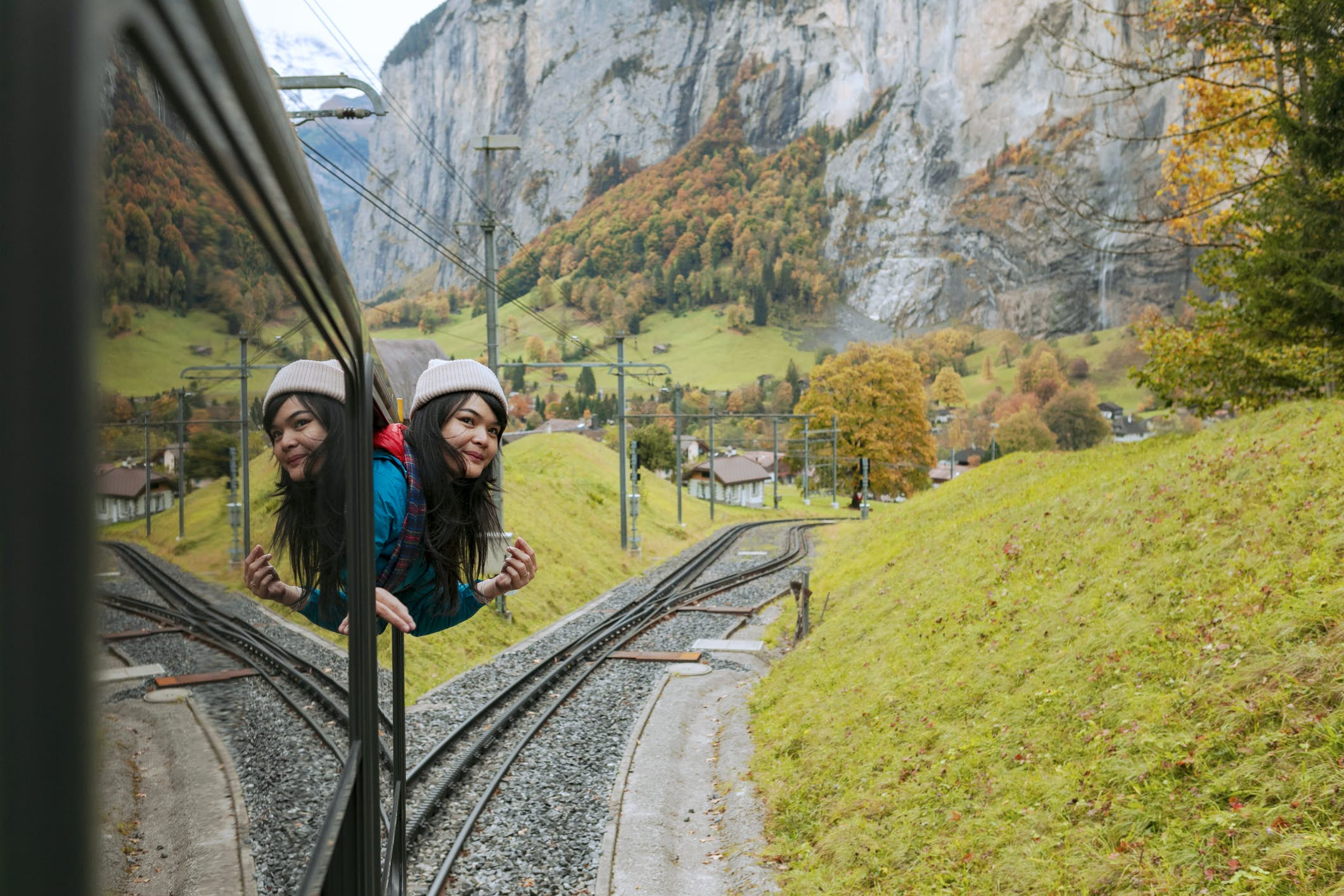
To travel in Switzerland, you need a valid passport and possibly a visa, plus a Swiss vignette if driving. The main cost is that you must buy the vignette at border crossings or fuel stations to use the highways. Switzerland’s efficient trains connect airports in Zurich, Geneva, and Basel to the rest of the country, but packing light helps—check that your suitcase fits under an airline seat to avoid checked baggage fees.
Essential Travel Documents
Before your trip to Switzerland, ensure you have the following documents in order.
1. Valid Passport: Your passport must be valid for at least six months beyond your planned departure date. Make a photocopy and keep it separately as a precaution.
2. Visa Requirements: Depending on your nationality, you may need a visa. Check with the Swiss diplomatic mission or consulate in your country for requirements and the application process.
3. Travel Insurance: Recommended coverage includes medical expenses, trip cancellations, and lost baggage. Adequate insurance provides peace of mind against unforeseen events.
4. Flight and Hotel Reservations: Carry copies of your flight tickets and hotel reservations. Immigration authorities may request proof of onward travel and accommodation.
5. International Driving Permit: If you plan to rent a car, obtain an international driving permit (IDP) in your home country. It is required by law for non-European Union driving licenses as a translation of your license.
6. Credit Cards and Currency: Switzerland is mainly cashless, but have some Swiss Francs (CHF) for smaller establishments that may not accept cards. Notify your bank or credit card provider of your travel plans.
It is important to note that you need to purchase a vignette (road tax sticker) to drive on Swiss highways, which can be easily obtained at border crossings and fuel stations. If you are packing for your trip, remember to check that your suitcase size fits under an airline seat to avoid checked baggage fees.
Carrying these documents ensures a smooth entry into Switzerland. Check for updated travel advisories and specific requirements based on your country of residence.
Getting to Switzerland
Switzerland is well connected to the rest of the world, making it relatively easy to reach. Here are the main modes of transportation:
1. By Air: Switzerland has several international airports, with Zurich Airport (ZRH) being the largest and busiest. Schweizerische Bundesbahnen (SBB), the Swiss Federal Railways, operates a direct train service from Zurich Airport to major cities such as Zurich, Geneva, and Basel. Geneva Airport (GVA) and EuroAirport Basel-Mulhouse-Freiburg (BSL/MLH/EAP) are also popular entry points.
2. By Train: If you are traveling from neighboring countries, taking a train to Switzerland is a convenient and scenic option. The Swiss rail network connects to major cities in Germany, France, Italy, and Austria, with comfortable seating, panoramic windows, and onboard amenities.
3. By Road: If you prefer driving, you can reach Switzerland by road via several highways connecting to neighboring countries.
4. By Bus: Long-distance bus services like FlixBus and Eurolines connect Switzerland with various European cities, offering affordable and comfortable travel.
5. By Boat: Switzerland has many lakes, and you can reach the country by boat on popular routes including Lake Geneva, Lake Lucerne, and Lake Zurich.
Once in Switzerland, the efficient public transportation system makes getting around easy. The Swiss Travel Pass offers unlimited travel on trains, buses, and boats throughout the country. Whether you fly, take a train, drive, or cruise, plan your method based on your preferences, budget, and the region you wish to explore.
Transportation within Switzerland
Switzerland’s transport system is efficient and reliable. Here are the main modes for getting around:
1. Trains: The Swiss Federal Railways (SBB) operates a punctual, extensive network connecting major cities, towns, and remote Alpine regions. Trains are modern and comfortable, with scenic views. The Swiss Travel Pass offers unlimited travel on trains.
2. Buses: The PostBus network reaches smaller towns and rural areas, ideal for hikers. Services are well-coordinated with train schedules for seamless connections.
3. Trams and Local Transport: Cities like Zurich, Geneva, Basel, and Bern have well-developed tram, bus, and local train networks for easy urban navigation.
4. Car Rentals: Renting a car gives flexibility on excellent roads and scenic mountain routes. Parking is challenging and expensive in cities; some mountain areas require a special permit or toll.
5. Cycling: Switzerland has well-marked cycling routes and bike paths. Rent bicycles in many cities. Some trains and boats offer special services for cyclists, combining transport modes.
6. Cable Cars and Funiculars: Cable cars, funiculars, and cogwheel trains provide access to mountain peaks like the Matterhorn and Jungfrau region, offering panoramic views.
The system is well-integrated, allowing combination of modes. Consider the Swiss Travel Pass or regional passes for unlimited travel on trains, buses, boats, and some mountain transport. If you are traveling with luggage, check your suitcase size fits under an airline seat before boarding certain regional trains or buses to avoid storage issues. Whichever mode you choose, getting around Switzerland is seamless.
Accommodation Options
Switzerland offers a wide range of accommodation options, from luxury hotels to budget-friendly hostels and unique lodging experiences.
1. Hotels: World-class hotels in cities like Zurich, Geneva, and Lucerne, as well as mountain resorts in the Alps, provide luxury and comfort with stunning locations.
2. Bed and Breakfasts (B&Bs): For a personalized experience, charming B&Bs offer a cozy atmosphere with hosts who provide insider tips. They are found in towns, villages, and rural farmhouses.
3. Chalets and Mountain Lodges: Renting a chalet or staying in a mountain lodge immerses you in Alpine landscapes. Options range from modern amenities to rustic, traditional ambiance.
4. Hostels and Guesthouses: Budget-conscious travelers find affordable options with shared facilities and a communal atmosphere in major cities and popular tourist destinations.
5. Campsites: Numerous campsites in scenic locations allow you to enjoy hiking, biking, and swimming, with facilities like showers, toilets, and electricity hookups.
6. Unique Accommodations: Options include treehouses, igloos, converted farmhouses, and eco-lodges for a one-of-a-kind experience.
When choosing accommodation, consider location, proximity to attractions, amenities, and budget. Book in advance during peak seasons. If you drive on Swiss motorways, a vignette is required. Swiss hospitality ensures a comfortable stay.
Must-See Attractions
Switzerland offers a wealth of attractions, from Alpine peaks to historic cities. Here are key sights to include in your itinerary:
1. The Matterhorn: This iconic pyramid-shaped peak in Zermatt offers panoramic views and year-round outdoor activities like hiking and skiing.
2. Lake Geneva: One of Europe’s largest lakes, bordering France, it is surrounded by towns including Geneva, Lausanne, and Montreux. Take a boat cruise, visit Chillon Castle, or explore the lakeside vineyards.
3. Lucerne: Overlooking Lake Lucerne, this city features the Chapel Bridge, a charming old town, and boat rides on the lake.
4. Jungfraujoch: Known as the “Top of Europe,” it is the highest railway station in Europe. The scenic train journey passes alpine meadows and villages. At the top, visit the observation deck and Ice Palace.
5. The Rhine Falls: Near Schaffhausen, these are Europe’s largest waterfall. View them from platforms or take a boat ride close to the cascades.
6. Bern: The capital’s old town is a UNESCO World Heritage site with medieval architecture and cobblestone streets. Key sights include the Zytglogge clock tower, Bear Park, and the Federal Palace.
7. Interlaken: A gateway to the Swiss Alps, Interlaken offers paragliding, skydiving, skiing, and cruises on Lake Thun or Lake Brienz.
These attractions highlight Switzerland’s natural beauty and cultural treasures. Plan your itinerary to include them for a memorable trip.
Outdoor Activities
Switzerland offers hiking, skiing, mountain biking, watersports, paragliding, rock climbing, and canyoning across its natural landscapes.
1. Hiking and Trekking: Explore trails from valley walks to alpine treks. The Swiss Alps feature routes like the Eiger Trail, the Swiss Path, and the Via Alpina.
2. Skiing and Snowboarding: World-class resorts include Zermatt, Verbier, and St. Moritz. Slopes suit beginners and experienced winter sports enthusiasts.
3. Mountain Biking: An extensive network of trails offers rugged terrain, sweeping descents, and singletracks. Swiss Bike Hotels provide specialized services and guides.
4. Watersports: Sail, windsurf, or paddleboard on Lake Geneva, Lake Zurich, or Lake Lucerne. The Aare River in Bern is popular for river rafting and kayaking.
5. Paragliding: Tandem flights are available in Interlaken, Grindelwald, and Lauterbrunnen. Soar above the Alps for panoramic views.
6. Rock Climbing: Climbing routes exist for all levels at Fiery Gorge in Graubünden and Gastlosen in the Bernese Alps.
7. Canyoning: Navigate narrow gorges, jump into natural pools, and abseil down waterfalls in Interlaken and Ticino.
Check weather conditions, follow safety guidelines, and hire professional guides for challenging activities. If you are packing gear for your trip, note that a typical suitcase size fits under an airline seat, so plan your luggage accordingly. Whether you seek adrenaline or tranquility, Switzerland’s landscapes deliver.
Cultural Experiences
Switzerland is known for its rich cultural heritage. Immerse yourself in Swiss culture and traditions through these unique experiences:
1. Explore Charming Old Towns: Wander through the narrow streets of Old Town Zurich, visit the medieval towns of Bern and Lucerne, or explore the car-free village of Zermatt. These towns feature picturesque buildings, cobblestone streets, and charming cafes.
2. Visit Museums and Art Galleries: See modern and contemporary art at the Kunsthaus Zurich, explore the Swiss Museum of Transport in Lucerne, or learn about Swiss history at the Swiss National Museum in Zurich. The Fondation Beyeler near Basel houses an extensive collection of modern and contemporary art.
3. Attend Festivals and Events: Don’t miss the Fête de l'Escalade in Geneva, the Montreux Jazz Festival, or the Fasnacht Carnival in Basel. These events showcase traditional music, dance, costumes, and culinary delights.
4. Sample Swiss Cuisine: Taste authentic dishes such as fondue, raclette, rösti, and Swiss chocolates. Visit local markets for regional specialties, enjoy a traditional meal in a cozy restaurant, or join a food tour.
5. Discover Swiss Watchmaking: Visit Geneva and La Chaux-de-Fonds to explore watch museums, luxury boutiques, and watchmakers at work. Learn about the artistry and precision behind Swiss timepieces.
6. Experience Swiss Music and Folklore: Attend a traditional folk music concert featuring yodeling and alpine horn performances. Watch dances such as the Schuhplattler or the Ländler, and learn about regional folklore.
If you are packing for your trip, check how much can your suitcase weigh on Southwest to avoid airline fees. These cultural experiences will connect you with the traditions and heritage of Switzerland.
Food and Drink
Switzerland’s cuisine is as refined as its landscapes. Here are the highlights:
1. Cheese: World-class varieties include iconic Emmental (with its characteristic holes), creamy Gruyère, Appenzeller, Tête de Moine, and Raclette. Visit a local cheese dairy or join a tasting to appreciate the craftsmanship.
2. Fondue: A quintessential social dish: dip bread into melted Emmental and Gruyère, enhanced with garlic and white wine. Best enjoyed on a cozy winter evening with friends or family.
3. Chocolate: Swiss chocolate is renowned for its smooth texture. Try brands like Lindt and Toblerone. Visit a chocolate factory or take a chocolate tour to learn the process and sample treats.
4. Rösti: Grated and pan-fried potatoes, crispy outside and soft inside. Served as a side with eggs, cheese, or meat. A comforting breakfast or hearty meal staple.
5. Swiss Wines and Beer: Switzerland has a long wine tradition. The Lavaux vineyards near Lake Geneva and the Valais region produce excellent white, red, and rosé wines. Craft breweries offer a wide variety of beer styles.
6. Swiss Pastries: Try the famous almond croissant, buttery Engadine Nusstorte, crunchy Basler Läckerli spiced cookies, or creamy meringue-based Pavlova and fruity Red Berry Tart.
7. Swiss Chocolates (repeated heading corrected): Switzerland’s precision extends to its chocolate-making, much like its watchmaking tradition. If you’re packing a suitcase of Swiss treats, you might need to know how to unlock a locked Samsonite suitcase to access them. The food and drink here are a true delight for your taste buds.
Safety Tips
Switzerland is a generally safe country to visit, but it's always important to prioritize safety during your travels. Here are some essential safety tips to keep in mind while exploring Switzerland:
1. Follow Local Laws and Regulations: Familiarize yourself with local laws and customs, including rules on public behavior, photography restrictions, and environmental conservation.
2. Stay Hydrated and Protect Against the Sun: During summer, high temperatures and strong sunlight are common. Drink plenty of water and wear sunscreen, a hat, and sunglasses.
3. Be Prepared for Outdoor Activities: Before hiking or other adventures, check weather conditions, bring appropriate gear, and inform someone of your plans.
4. Use Reliable Transportation: Switzerland's public transport is safe. If driving, follow traffic laws, adhere to speed limits, and be mindful of mountain road conditions.
5. Protect Your Valuables: Keep passports, money, and electronics secure in a hotel safe or hidden on your person. Be vigilant in crowded areas against pickpockets.
6. Stay Informed about Weather and Mountain Conditions: Mountain weather changes rapidly. Check forecasts and conditions before outdoor activities. Use maps, follow marked trails, and consider a local guide for challenging hikes.
7. Take Precautions in Winter: Wear sturdy, non-slip shoes and use crampons on icy trails. Follow ski resort guidelines and stay within marked boundaries when skiing or snowboarding.
8. Respect Wildlife and Nature: Leave no trash, stay on designated trails, and avoid interacting with wildlife. Observe animals from a safe distance and never feed them.
In emergencies, dial 112. Travel insurance covering medical emergencies, trip cancellations, and lost belongings is advisable.
By keeping these tips in mind, you can enjoy a worry-free Swiss adventure.
Conclusion
Switzerland is a dream destination for travelers seeking natural beauty, rich cultural experiences, and a safe, well-organized environment. From Alpine landscapes to charming cities, the country offers sights, activities, and culinary delights for every preference.
We have explored essential travel documents, transportation, accommodation, attractions, outdoor activities, cultural experiences, and food. By following safety tips and being prepared, you can make the most of your trip without worries.
Whether you hike through the Swiss Alps, explore old towns, indulge in chocolates and cheeses, or partake in outdoor activities, Switzerland will mesmerize you. The country's commitment to quality, stunning landscapes, and rich heritage make it an exceptional destination. So pack your bags—just double-check your suitcase size fits under an airline seat if flying—and immerse yourself in the beauty and charm of Switzerland. Get ready for breathtaking moments, warm hospitality, and lasting memories.
