

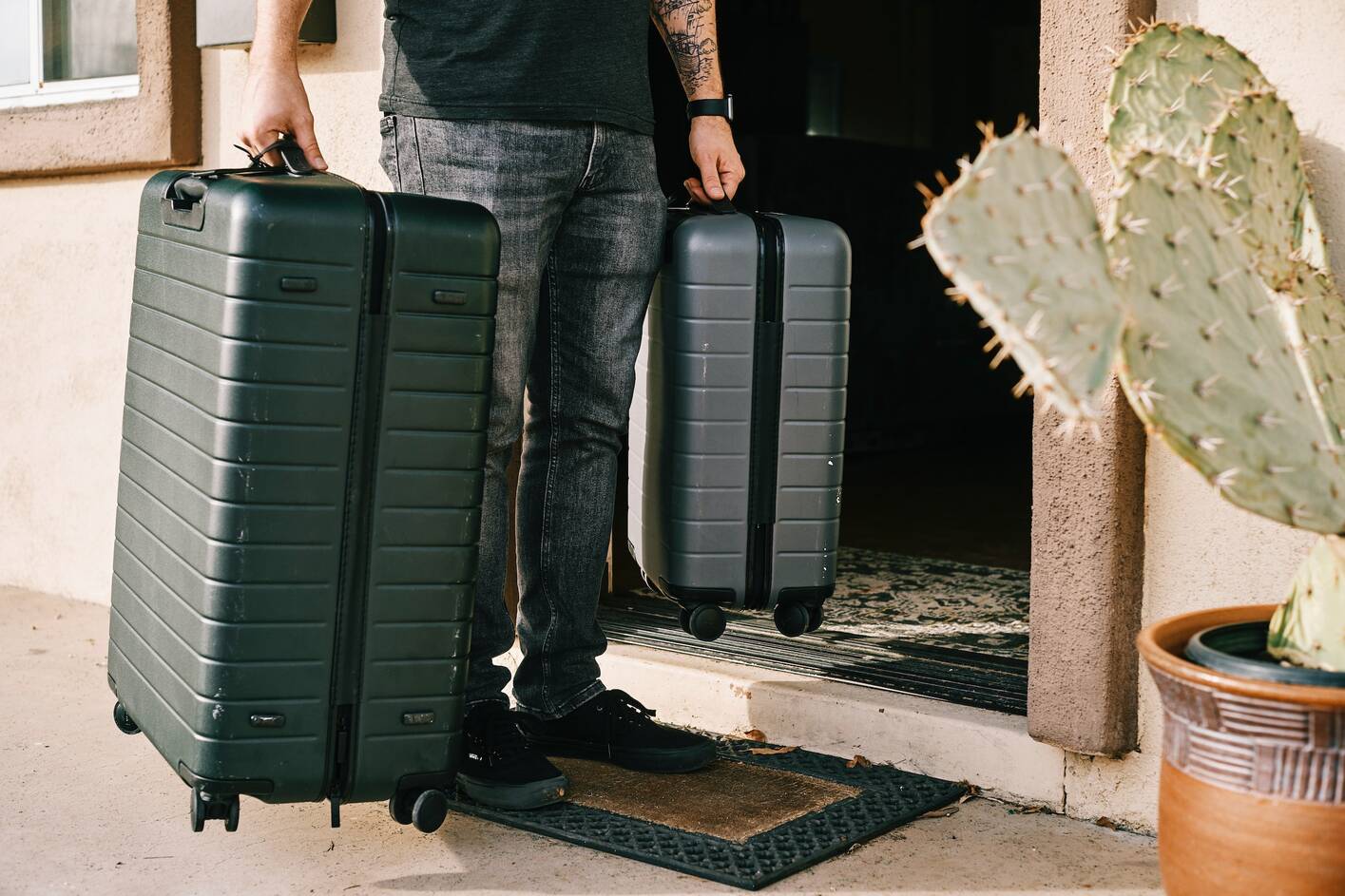
Store your suitcase in a cool, dry place out of direct sunlight, like a closet or under the bed. The most important caveat is to avoid damp or humid areas, since moisture leads to mold and mildew. Before storing, empty every pocket, clean the interior and exterior with mild soap and water, and dry it completely. Place a fabric softener sheet or baking soda inside to absorb odors, then protect the suitcase with a breathable cover—never plastic, which traps moisture and invites mildew.
Choosing the Right Storage Space
Before you start packing away your suitcase, it's important to find the right storage space. The choice of storage space can significantly impact the condition of your suitcase when you retrieve it. Here are some factors to consider in order to choose the best storage space:
- Avoid Damp or Humid Areas: Moisture is the enemy of any stored item, and suitcases are no exception. When selecting a storage space, avoid areas with high humidity levels. Dampness can lead to the growth of mold and mildew, which can damage your suitcase and its contents. Choose a cool, dry area in your home, such as a closet or an under-the-bed storage space.
- Keep Away from Direct Sunlight: Excessive exposure to sunlight can fade the colors of your suitcase and cause the materials to degrade over time. It's important to choose a storage space that is shielded from direct sunlight to preserve the quality and appearance of your suitcase. If there are windows in your storage space, consider using curtains or blinds to block out the sun's rays.
- Stable Temperature and Humidity: Fluctuations in temperature and humidity levels can adversely affect your suitcase. Extreme temperatures can cause materials to expand or contract, leading to warping or cracking. Similarly, high humidity can promote the growth of mold and mildew. Look for a storage space with a stable temperature and humidity level to protect your suitcase.
- Avoid Areas Prone to Pests: Pests such as rodents and insects can be harmful to your suitcase. They may chew through fabrics or nest inside your luggage. To prevent this, choose a storage space that is clean and regularly maintained. Consider using pest deterrents like mothballs or essential oils to keep pests at bay.
- Consider Elevated Storage: If possible, elevate your suitcase off the ground to avoid potential water damage. Placing your suitcase on a shelf or using storage containers with raised feet will help protect it from any accidental spills or leaks.
To protect your suitcase from dust and damage, consider using a suitcase cover or a breathable fabric bag. Avoid tightly wrapping luggage in plastic, because that can restrict airflow and increase mildew risk. By carefully selecting the appropriate storage space for your suitcase, you can ensure that it remains in optimal condition and ready for your future travels.
Preparing Your Suitcase for Storage
Before you store your suitcase, it's important to properly prepare it to ensure its longevity and protect its contents. Following these steps will help keep your suitcase in great condition:
- Empty and Inspect: Start by emptying out all the contents of your suitcase. Check every pocket and compartment, making sure to remove any loose items or debris. This includes removing any tissue paper, receipts, or miscellaneous items that might have been left inside.
- Clean Thoroughly: Give your suitcase a thorough cleaning before storing it. Use a mild soap or detergent mixed with warm water to clean both the interior and exterior surfaces. Pay attention to any stains or spills, and use a soft cloth or sponge to gently scrub them away. Rinse the suitcase with clean water and allow it to dry completely.
- Handle and Wheel Care: Inspect the handles and wheels of your suitcase for any dirt or debris. Use a damp cloth to clean these areas, ensuring their smooth operation. For telescoping handles, double-check that they are retracted fully to avoid any potential damage during storage.
- Remove Detachable Parts: If your suitcase has any detachable parts such as straps or accessories, remove them before storing. This prevents the risk of them becoming tangled or damaged while in storage.
- Secure Zippers and Fasteners: Before storing your suitcase, make sure all zippers, straps, and fasteners are securely closed. This not only helps maintain the shape of your suitcase but also prevents any unwanted exposure to dust or pests.
If you’re unsure whether your suitcase size fits under an airline seat for future trips, storing it properly now keeps it ready for any journey. Properly preparing your suitcase for storage ensures its cleanliness and safeguards it against potential damage while it's not in use. By following these steps, you will be ready to store your suitcase with confidence, knowing that it will be in excellent condition when you need it again.
Cleaning and Drying Your Suitcase
After emptying and inspecting your suitcase, give it a thorough cleaning before storing it. Cleaning prevents dirt, stains, and odors from setting in and damaging the materials. Follow these steps:
- Remove Loose Dirt and Debris: Use a soft brush or vacuum cleaner with a brush attachment to remove dirt from the interior and exterior. Pay attention to corners, seams, and pockets.
- Mild Soap and Water: Fill a basin with warm water and add a small amount of mild soap. Dip a soft cloth or sponge into the soapy water and gently scrub the surfaces. Avoid abrasive cleaners or harsh chemicals, as they can damage the materials.
- Focusing on Stains: For stubborn stains, make a paste of baking soda and water. Apply it directly to the stain, let it sit for a few minutes, then gently rub with a soft brush or toothbrush. Rinse with clean water and blot dry with a towel.
- Rinse and Wipe Dry: Thoroughly rinse your suitcase with clean water. Use a clean, damp cloth to wipe away any remaining soap residue to prevent damage or discoloration.
- Dry Completely: Proper drying prevents mold or mildew growth. Leave the suitcase open in a well-ventilated area to air dry naturally. Use a dry towel to absorb excess moisture if needed. Avoid direct sunlight, which can fade colors or make materials brittle.
If you are traveling soon, double-check that your suitcase size fits under an airline seat before packing. A clean, dry suitcase stays in excellent condition and is ready for your next trip.
Removing Any Odors
Sometimes, suitcases develop unpleasant odors, especially after storing strong-scented items or exposure to damp conditions. To keep your suitcase smelling fresh while in storage, use these proven odor-removal methods.
- Fabric Softener Sheets or Sachets: Place a fabric softener sheet or scented sachet inside your suitcase. These absorb and mask odors, leaving a fresh scent. Replace them periodically to maintain the effect.
- Baking Soda: Baking soda is a powerful odor absorber. Sprinkle it inside the suitcase, focusing on odor-prone areas. Close the case and leave it for a few days, then vacuum or brush out the residue.
- Activated Charcoal: Like baking soda, activated charcoal eliminates lingering smells. Place a few pieces inside, close the suitcase, and wait a few days. Dispose of the charcoal properly after use.
- Vinegar Solution: For stubborn odors, mix equal parts white vinegar and water in a spray bottle. Lightly mist the interior, especially affected areas, and leave the suitcase open to air dry. The vinegar smell dissipates, taking the odor with it.
- Coffee Grounds: Fresh coffee grounds in a small bowl or bag naturally neutralize odors. Leave them inside the closed suitcase for a few days.
Also, ensure your suitcase is completely dry before sealing it, and check that it fits under an airline seat if you plan to store it in a tight overhead space. These steps keep your luggage fresh and ready for your next trip.
Protecting Your Suitcase from Dust and Damage
While your suitcase is in storage, protecting it from dust, moisture, and potential damage keeps it ready for your next trip. A few preventative steps go a long way. Here’s how to keep it in top condition:
- These shield against dust and moisture while allowing airflow. Make sure whatever cover you use is clean and dry before slipping it on.
- Wrap Fragile Items: If you’re storing delicate items inside, wrap them in soft clothing like t-shirts or socks, or use bubble wrap. This cushions them and prevents shifting that could cause internal damage during the storage period.
- Avoid Sharp Objects: Keep sharp objects out of your suitcase and the surrounding storage area. A single puncture can tear the fabric or lining. Keep the space organized so nothing presses against the suitcase and causes harm.
- Store in a Dry Area: Moisture leads to mildew and mold, so pick a dry spot away from basements or garages. If you live in a humid climate, add a dehumidifier or moisture-absorbing product nearby. For extra protection, check that the suitcase’s zippers and seams are fully sealed before storing.
- Avoid Stacking Heavy Items: Heavy objects on top can warp the frame, wheels, or handles. Store your suitcase upright whenever possible, and if you must stack, keep the weight light and evenly distributed. This is especially important if you’re also checking that your suitcase size fits under an airline seat for future trips—maintaining its shape matters.
With these steps, your suitcase will stay dust-free, dry, and undamaged until your next adventure. When you pull it out of storage, it’ll be ready to pack and go.
Considering Climate Control
When storing your suitcase, it's important to consider the climate of the storage area. Extreme temperatures, humidity, and fluctuating weather conditions can have a significant impact on the condition of your suitcase. Taking steps to ensure climate control can help preserve the quality and longevity of your luggage. Here are some important factors to consider:
- Temperature: Extreme temperatures can cause damage to your suitcase. High heat can warp the materials, while extreme cold can make them brittle and prone to cracking. It's best to store your suitcase in a climate-controlled area, maintaining a stable temperature between 65°F and 75°F (18°C and 24°C).
- Humidity: High humidity can lead to the growth of mold or mildew, which can seriously damage your suitcase. In areas with high humidity, consider using dehumidifiers or moisture-absorbing products to maintain a dry storage environment. Aim for a humidity level between 40% and 50% to prevent moisture-related issues.
- Climate-Controlled Storage: If you live in a region with extreme weather conditions or have valuable belongings, you may want to consider renting a climate-controlled storage unit. These specialized units provide a controlled environment, typically maintaining a consistent temperature and humidity level. Climate-controlled storage can be beneficial if you plan to store your suitcase for an extended period or have sensitive items along with your luggage.
- Optimal Conditions: In general, a cool, dry, and stable environment is ideal for storing your suitcase. Avoid storing your suitcase in areas with drastic temperature fluctuations, such as garages or attics. These areas commonly experience temperature and moisture changes that can impact the integrity of your luggage.
- Periodic Checks: Even in a controlled storage environment, it's a good practice to periodically check on your suitcase. This allows you to ensure that the storage area is maintaining the desired temperature and humidity levels. Additionally, it provides an opportunity to inspect your suitcase for any signs of damage or pests. Before storing, double-check that your suitcase size fits under an airline seat if you plan to use it as a carry-on later, to avoid surprises.
By considering climate control and taking necessary precautions, you can ensure that your suitcase remains in optimal condition throughout its storage period. Remember, maintaining a consistent temperature and humidity level is key to preserving the quality and longevity of your luggage.
Storing Your Suitcase in a Vertical Position
Storing your suitcase vertically helps maintain its shape and integrity by distributing weight evenly across the frame. This reduces the risk of misshaping or developing weak spots, especially for hard-shell suitcases that can lose their form if stored incorrectly for long periods. Maintaining the shape ensures internal compartments and pockets remain intact.
- Prevents Pressure on the Structure: Even weight distribution minimizes strain on the frame, reducing the risk of damage.
- Maintains the Shape: Preserves the original form, particularly important for hard-shell suitcases.
- Easy Access: You won’t have to move or lift other items to retrieve contents, making repacking more efficient.
- Space-Saving: Vertical storage takes up less floor space compared to laying it flat, freeing up room for other items.
Keep the suitcase in an upright and stable position, leaning it against a wall or using a luggage stand. If storing multiple suitcases, stack them vertically with the largest at the bottom and smaller ones on top. This approach maximizes space, keeps the suitcase accessible, and helps it remain in the best possible condition for your next trip. For example, if you frequently fly Southwest, you might check how much can your suitcase weigh on Southwest to ensure your stored bag meets airline requirements.
Avoiding Stacking Heavy Items on Top
When storing your suitcase, it's important to avoid stacking heavy items on top of it. Placing excessive weight on your suitcase can lead to structural damage, compromising its overall integrity. Here's why it's crucial to avoid stacking heavy items on top:
- Protects the Frame: The frame of your suitcase is designed to support the weight of its contents during travel. However, when your suitcase is in storage, the frame is not subjected to the same level of stress as it would be during a trip. Stacking heavy items on top of your suitcase can put unnecessary pressure on the frame, potentially causing it to bend, warp, or break.
- Preserves the Shape and Form: Heavy items can cause your suitcase to lose its shape over time. Depending on the weight and duration of the storage, the fabric or shell of your suitcase may become permanently deformed or stretched. This can lead to difficulties in packing, zipping, or closing the suitcase properly in the future.
- Prevents Damage to Wheels and Handles: Stacking heavy items on top of your suitcase can exert pressure on the wheels and handles, causing them to become misaligned or damaged. This can result in difficulties when navigating your suitcase or even render them unusable. It's best to protect these moving parts by keeping them free from excessive weight.
- Avoids Crushing Fragile Items: If you have fragile items stored inside your suitcase, stacking heavy items on top can crush or damage them. Delicate electronics, breakable souvenirs, and other fragile belongings will be better protected if they are not subjected to excessive weight or pressure.
When storing your suitcase, place it in a position where it won't be at risk of being crushed or subjected to excessive pressure. If you need to store other items on top, opt for lighter objects and distribute the weight evenly. Consider using a different storage container or shelf for heavier items to ensure that your suitcase remains safe and intact.
By avoiding stacking heavy items on top of your suitcase, you can preserve its structural integrity, protect its components, and ensure that it's ready for your next travel adventure without any unnecessary damage or complications.
Checking Your Suitcase Periodically
Periodically check your stored suitcase to catch issues early. Regular inspections help identify damage, pests, or poor storage conditions before they worsen.
- Damage Assessment: Inspect for visible tears, rips, or loose stitching on the fabric or shell. Check handles, zippers, and wheels for damage or malfunction. Prompt repairs prevent further deterioration and extend your suitcase’s lifespan.
- Pest Control: Rodents, insects, or spiders may enter storage areas. Look for droppings or chew marks. If you find signs of infestation, remove pests immediately to prevent damage.
- Maintain Proper Storage Conditions: Monitor temperature and humidity, especially in a climate-controlled unit. Adjust as needed to keep conditions within the recommended range.
- Reorganization and Repacking: Rearrange items to distribute weight evenly and reduce shifting. Remove unneeded items to improve organization.
- Air Circulation: Opening your suitcase periodically prevents musty odors and reduces mold or mildew growth, especially in humid environments. Leave the suitcase open briefly during inspections to allow fresh air to circulate.
By checking your suitcase periodically, you can catch potential issues early and take appropriate measures. This proactive approach keeps your suitcase in excellent condition and ready for your next journey. If you need to unlock a locked Samsonite suitcase, check the manufacturer’s instructions before storing.
Conclusion
Properly storing your suitcase when it's not in use is essential for maintaining its quality and ensuring it's ready for your next adventure. By following the right storage techniques and taking preventative measures, you can protect your suitcase from damage, dust, and unwanted odors.
Start by choosing the right storage space, avoiding areas with high humidity levels and direct sunlight. Prepare your suitcase for storage by emptying and inspecting it, cleaning it thoroughly, and ensuring that it's dry before storing. If there are any odors, use fabric softener sheets, baking soda, or other natural odor absorbers to remove them.
Wrap fragile items in soft clothing or bubble wrap for added protection. Avoid stacking heavy items on top of your suitcase to prevent structural damage. Consider the climate control of your storage area to maintain stable temperature and humidity levels.
Store your suitcase in a vertical position to prevent pressure on the structure and maintain its shape. Check your suitcase periodically to assess its condition, address any damage, and ensure proper storage conditions. By following these guidelines, you can prolong the life of your suitcase and keep it in excellent condition for future travels.
Remember, your suitcase is an investment in your travel experiences. Taking care of it during storage ensures it will be ready to accompany you on your adventures, keeping your belongings safe and secure. So, when you're not traveling, give your suitcase the attention it deserves and store it properly. Your future self will thank you when you're ready to hit the road again!
