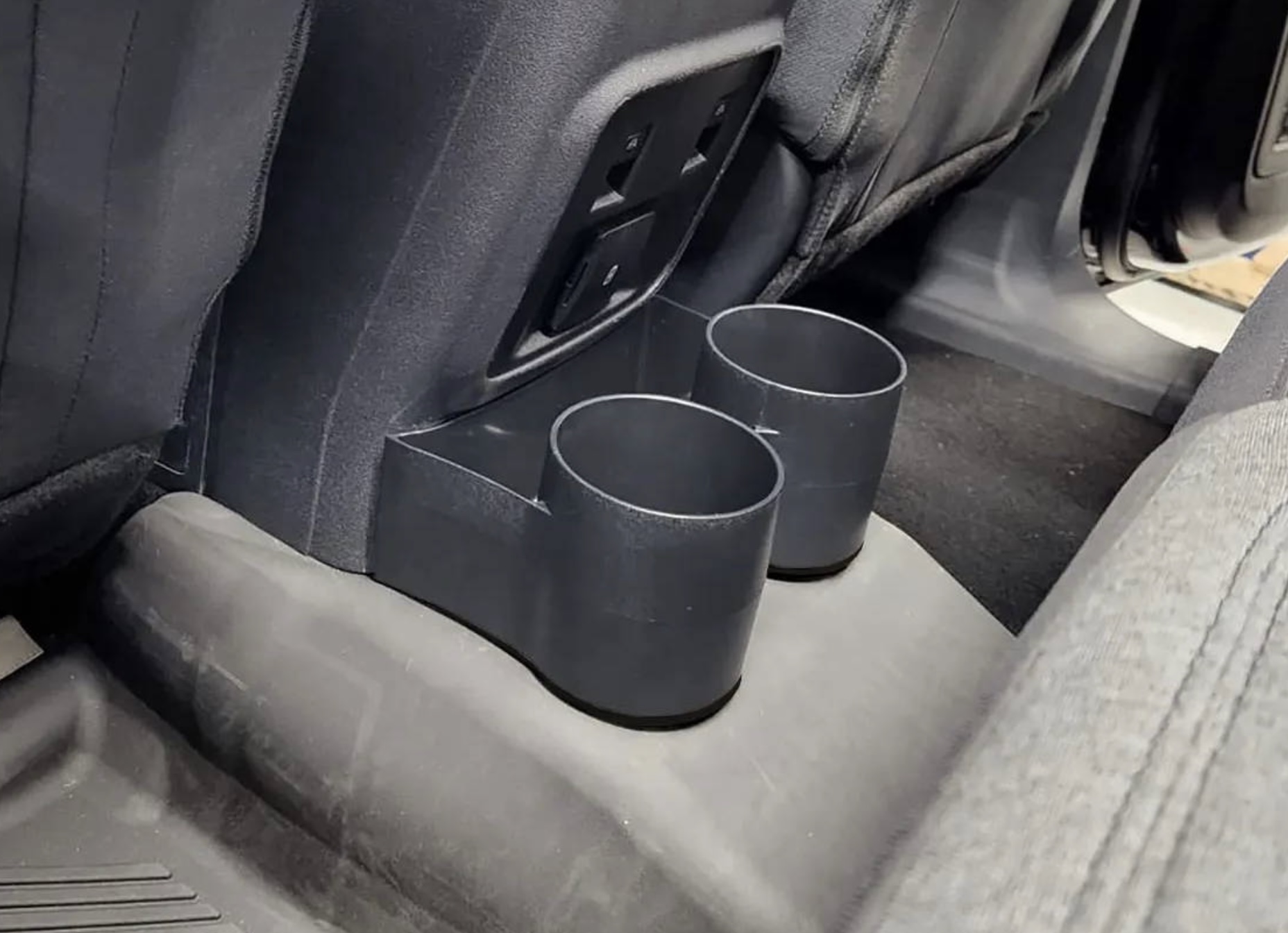
To remove a rear passenger seat cup holder assembly, you first need to access and remove the seat cushion. The exact method varies by vehicle—some models require removing bolts (e.g., Jeep Grand Cherokee) or screws (e.g., Toyota Corolla/Matrix), while others use a release lever. Before starting, gather a screwdriver set, pliers, a trim panel removal tool, disposable gloves, a cloth or towel, and a replacement cup holder assembly if needed. Park in a well-lit area, disconnect the battery if electrical components are nearby, and clear the workspace of obstructions.
Tools and Materials Needed
Before you start removing the rear passenger seat cup holder assembly, gather the necessary tools and materials. Having the right equipment on hand will ensure a smooth process. Note that removal methods vary by vehicle—some require removing bolts (e.g., Jeep Grand Cherokee) or screws (e.g., Toyota Corolla/Matrix). Here are essential tools and materials:
- Screwdriver set: A set of screwdrivers with various sizes and types will be needed to remove screws and fasteners holding the cup holder assembly in place.
- Pliers: Pliers will come in handy when removing any stubborn clips or connectors.
- Trim panel removal tool: This tool is specifically designed to help pry off trim panels without causing any damage.
- Disposable gloves: Wearing gloves will protect your hands from any sharp edges or dirt during the removal process.
- Cloth or towel: Keep a cloth or towel nearby to wipe away any dust or spills that may occur during the removal or installation.
- Replacement cup holder assembly (if necessary): If you are planning on replacing the cup holder assembly, make sure you have the new one on hand before starting the removal process.
By having these tools and materials ready, you will be well-prepared to tackle the task. Locate the fasteners securing the seat cushion—these may be bolts, screws, or a release lever depending on the vehicle. Remove the fasteners or operate the mechanism to unlock the seat cushion. Gently lift or slide the seat cushion as required for your vehicle to disengage it from its mounting points. If the seat or seat cushion is held in place by bolts or screws, use the appropriate tools to remove them before lifting or moving it. Remember to take your time and work carefully to avoid damage.
Step 1: Prepare the Area
Before you begin removing the rear passenger seat cup holder assembly, prepare the area for a smooth process.
- Park the vehicle in a safe, well-lit location with ample space to work.
- Disconnect the car battery or disable the power source if your vehicle has electrical components near the cup holder assembly.
- Clear the surrounding area of personal belongings or obstructions.
- Put on disposable gloves to protect your hands from sharp edges or grime.
- Remove any drinks or debris from the cup holder assembly.
- Familiarize yourself with the cup holder assembly and its surrounding area to understand how it is secured.
- Locate the fasteners securing the seat cushion. These may be bolts, screws, or a release lever depending on the vehicle.
By preparing the area before removing the rear passenger seat cup holder assembly, you ensure a safer and more efficient process. Once the area is prepared, you can move on to the next step of removing the cup holder assembly.
Step 2: Remove the Seat Cushion
Before you can access the rear passenger seat cup holder assembly, you'll need to remove the seat cushion. Follow these steps to safely remove the seat cushion:
- Locate the fasteners securing the seat cushion.
- Be sure to hold onto the seat as you release it to prevent any sudden movement.
- Once the mounting points are disengaged, lift the seat cushion up and remove it from the vehicle. Set it aside in a safe and clean area.
For example, a Jeep Grand Cherokee requires removing 18 mm bolts on the floor by the rear doors, sliding the seat forward, and lifting the front of the seat. Be sure to keep track of any hardware and store it in a secure place for reinstallation later.
It's important to handle the seat cushion with care to avoid any damage or injury. If the seat cushion is heavy or bulky, you may want to seek assistance to avoid straining yourself.
With the seat cushion removed, you now have access to the rear passenger seat cup holder assembly. Proceed to the next step to remove the cup holder assembly and continue with any necessary repairs or replacement.
Step 3: Remove the Rear Passenger Seat Cup Holder Assembly
Now that you have removed the seat cushion, you can focus on removing the rear passenger seat cup holder assembly. Follow these steps to safely remove the cup holder assembly:
- Inspect the cup holder assembly and identify any screws, bolts, or clips that are securing it in place. These fasteners may be located on the sides, bottom, or rear of the assembly.
- Using the appropriate screwdriver, remove any screws or bolts that are holding the cup holder assembly in place. Place the screws or bolts in a secure location for reinstallation later.
- For clips or other fasteners, carefully pry them away from the surrounding trim or panel using a trim panel removal tool or a flat screwdriver. Take caution not to damage the trim or panel during this process.
- If there are any electrical components connected to the cup holder assembly, such as wiring or connectors, carefully disconnect them by releasing any clips or plugs. Take note of their locations and how they are connected for reinstallation.
- Gently pull or slide the cup holder assembly away from its mounting position. Take your time and ensure that all fasteners and connections have been properly released before fully removing the assembly.
- Once the cup holder assembly is free, carefully lift it out of the vehicle and set it aside in a safe place.
It's important to be patient and gentle during the removal process to avoid causing any damage to the cup holder assembly or the surrounding trim or panel. If you encounter any resistance, double-check that all fasteners and connections have been properly released before proceeding further.
With the rear passenger seat cup holder assembly successfully removed, you can now move on to the next step of either repairing or replacing the cup holder assembly as needed.
Step 4: Replace or Repair the Cup Holder Assembly
Once you have removed the rear passenger seat cup holder assembly, you have the option to either replace it with a new assembly or repair any issues with the existing one. Follow these steps:
- Inspect the cup holder assembly for any signs of damage or wear. Check for cracks, broken parts, or non-functioning mechanisms.
- If the cup holder assembly can be repaired, identify the specific components that need attention. This may include broken clips, loose screws, or worn-out mechanisms.
- If replacing, ensure you have the appropriate replacement part. Consult the vehicle's manual or contact a reputable dealer or manufacturer to obtain the correct assembly.
- If repairing, gather the necessary tools and materials, such as replacement clips, screws, or adhesive.
- Follow the manufacturer's instructions for either replacing or repairing the cup holder assembly. This may involve reattaching clips, tightening screws, or using adhesive to fix broken parts.
- Once repaired or replaced, test its functionality to ensure proper operation. Check that it securely fits into its mounting position and that any folding or extending mechanisms work smoothly.
If you encounter difficulties, refer to the vehicle's manual or seek assistance from a professional technician. Ensure the cup holder assembly is properly installed and in working condition before proceeding.
By replacing or repairing the cup holder assembly, you can restore its functionality and improve your overall travel experience. Take the time to ensure the cup holder assembly is in good condition before proceeding with reinstallation.
Step 5: Reinstall the Rear Passenger Seat Cup Holder Assembly
After replacing or repairing the cup holder assembly, reinstall it into its original position:
- Carefully position the cup holder assembly back into place, aligning it with the mounting holes or brackets.
- If any electrical components were disconnected during removal, reconnect them by plugging in connectors or securing clips.
- If the cup holder assembly is held by screws or bolts, use the appropriate tools to reinstall them. Tighten securely, but avoid overtightening.
- If secured by clips or other fasteners, gently press it in until it clicks or snaps into place. Ensure all clips and fasteners are engaged.
- Gently tug or shake the assembly to confirm it is properly installed and does not rattle.
- Once secure, clean the surrounding area and remove any fingerprints or smudges with a cloth.
With the assembly reinstalled, confirm it is in proper working order. Dispose of any packaging or old parts responsibly. Recheck your vehicle for any tools or materials left behind, and remove any protective coverings used during installation.
By following these steps, you have successfully reinstalled the rear passenger seat cup holder assembly, restoring its convenience for your travels.
Conclusion
In this article, we explored the process of removing the rear passenger seat cup holder assembly. We discussed the tools and materials needed and provided step-by-step instructions for the removal, repair, or replacement process.
By preparing the area, removing the seat cushion or seat, and carefully taking out the cup holder assembly, you can address any issues and ensure it functions properly. Locate the fasteners securing the seat cushion. Whether you choose to repair the assembly or replace it with a new one, the goal is to have a fully functional cup holder that enhances your convenience while on the road.
Remember, it is essential to invest in high-quality travel essentials and accessories that align with your specific travel needs. As you embark on your next adventure, make sure to pack your essential travel gear, including packing cubes, travel adapters, portable chargers, and noise-canceling headphones. These items will help you stay organized, connected, and comfortable throughout your journey. Travel essentials and accessories are valuable tools that can transform your travel experience, making it more enjoyable and convenient.
Related travel guides: How To Remove Cup Holder Prius V, How To Remove Lincoln MKZ Cup Holder, and How To Adjust Weathertech Cup Holder.