

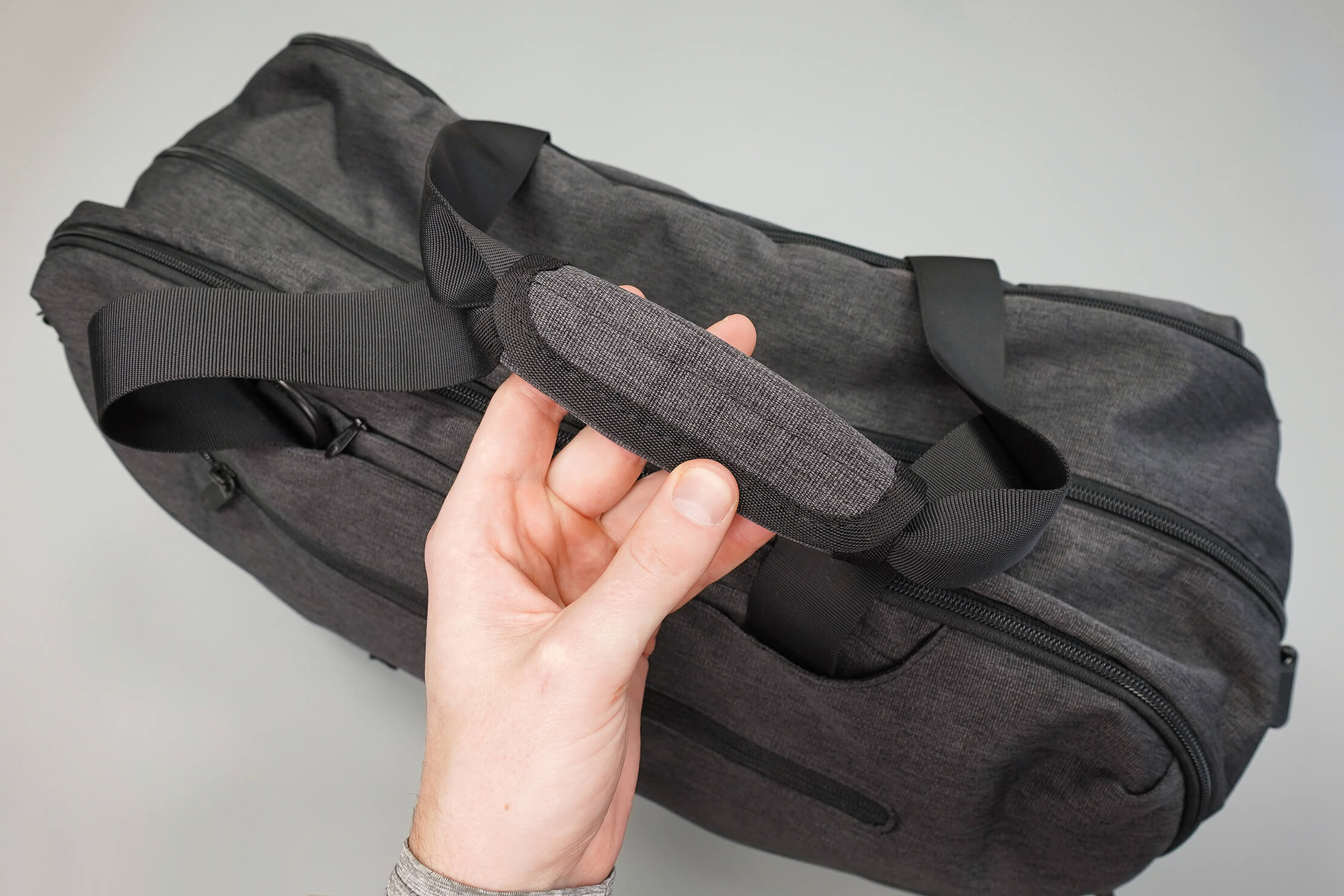
To fix a duffel bag shoulder strap, assess the damage first and then either patch, replace hardware, or rethread the strap. The safest fix for a badly ripped anchor area is to replace the strap or have a cobbler restitch it, because load-bearing repairs can fail if the fabric around the anchor is too damaged. If the strap itself is torn, add a small nylon patch as reinforcement before sewing; if a plastic or metal end ring or clip is broken, replace the broken hardware rather than relying on tape or glue. If your new shoulder strap needs to be threaded through loops or rings, rethread it through the buckle in the proper “double-back” pattern to increase friction.
Assessing the Damage
Before you begin the repair process, it's important to assess the extent of the damage to your duffel bag shoulder strap. This will help you determine the best course of action and whether you need to repair or replace the strap entirely.
Related travel guides: 13 Best Duffel Bag Organizer for 2024, How To Fold The North Face Duffel Bag, and How To Fix A Cracked Suitcase.
Start by examining the entire length of the shoulder strap for any signs of wear and tear. Look for frayed or torn fabric, loose threads, or weak stitching. Pay close attention to the attachment points where the strap connects to the bag itself. These areas are prone to damage and may require extra attention.
This prevents slipping in the adjuster.
Additionally, consider the material of your duffel bag and its shoulder strap. Most duffel bags are made from durable materials like nylon, canvas, or leather. Depending on the material, the repair process may vary slightly.
Once you've assessed the damage, you'll have a better understanding of what needs to be done to fix your duffel bag shoulder strap. Next, we'll guide you through the steps to gather the necessary tools and materials for the repair process.
Gathering the Tools and Materials
Before you can begin repairing your duffel bag shoulder strap, you'll need to gather the necessary tools and materials. Having everything on hand will make the repair process smoother and more efficient.
Here's a list of common tools and materials you may need:
- Scissors: You'll need a pair of sharp scissors to cut any frayed edges or excess fabric.
- Needle and Thread: Choose a heavy-duty thread that matches the color of your shoulder strap. Make sure the needle is appropriate for the material of your bag.
- Sewing Awl: A sewing awl is a useful tool for making holes in thick or heavy materials. It can make stitching easier and more precise.
- Thimble: A thimble can protect your fingers while sewing, especially if you're working with tough fabrics like leather or canvas.
- Replacement Shoulder Strap: If your strap is beyond repair, you may need to purchase a new shoulder strap. Look for one that is compatible with your duffel bag in terms of length and attachment style.
- Optional: Nylon Patch and Replacement Hardware: If the strap itself is torn, add a small nylon patch as reinforcement before sewing. If the strap anchor area is badly ripped, the safest fix is often to replace the strap or have a cobbler/gear repair pro restitch it.
Make sure to gather all the tools and materials mentioned above before proceeding to the next step.
Removing the Old Shoulder Strap
Once you have gathered all the necessary tools and materials, the next step in repairing your duffel bag shoulder strap is to remove the old strap. This will allow you to work on the strap attachment point and prepare for the repair or replacement.
- Locate the attachment points: Identify where the shoulder strap is attached to your duffel bag. This is usually near the top corners of the bag or along the sides.
- Inspect the attachment mechanism: Examine how the old shoulder strap is secured to the bag. It may be attached with metal rings, hooks, or sewn directly into the fabric.
- Detach the strap: Using scissors or a seam ripper, carefully cut any threads or remove any fasteners that are holding the old shoulder strap in place. Be cautious not to damage the surrounding fabric of the bag.
- Remove any remaining threads or remnants: Once the strap is detached, check for any remaining loose threads or remnants of the old strap. Use scissors or tweezers to remove them completely.
Before reattaching a new strap, assess the condition of the anchor area.
Repairing or Reinforcing the Strap Attachment Point
Now that you have successfully removed the old shoulder strap, it's time to focus on repairing or reinforcing the strap attachment point on your duffel bag. This step is crucial to ensure the longevity and durability of the repaired strap.
- Assess the attachment point: Examine the area where the old strap was attached. Look for any signs of wear, fraying, or damage. If necessary, trim away any loose or frayed threads using scissors.
- Prepare for stitching: If you're planning to sew the attachment point, you'll need to create small holes in the fabric for the needle and thread to pass through. Use a sewing awl or a sharp needle to make these holes. Be careful not to damage the surrounding fabric.
- Secure the attachment point: Thread your needle with a heavy-duty thread that matches the color of your duffel bag. Begin sewing from one side of the attachment point, making small, tight stitches. Work your way around the attachment area, ensuring that the stitches are secure and evenly spaced.
- Double stitch for added strength: For extra durability, consider double stitching the attachment point. This involves sewing a second row of stitches parallel to the first row. This will reinforce the attachment and help distribute weight evenly.
By reinforcing or repairing the strap attachment point, you're ensuring that the new shoulder strap will have a sturdy and secure foundation. Take your time and pay attention to detail when working on this step. Once you're satisfied with the repaired attachment point, you're ready to move on to the next section and attach the new shoulder strap.
Attaching the New Shoulder Strap
With the strap attachment point repaired or reinforced, you're now ready to attach the new shoulder strap to your duffel bag. Whether you've repaired the existing strap or purchased a replacement, this step will bring your bag one step closer to being fully functional again.
- Position the new strap: Determine where you want the new shoulder strap to be attached. Align the strap's attachment mechanism, such as metal rings or hooks, with the repaired or reinforced attachment point on your duffel bag.
- Ensure that the strap is evenly threaded and not twisted.
- Secure the strap: Depending on the attachment mechanism, secure the new shoulder strap in place. This may involve fastening metal rings, buckles, or hooks, or sewing the strap directly into the fabric of the bag.
- Test the attachment: After securing the new shoulder strap, give it a gentle tug to ensure that it is properly attached and secure. The strap should feel stable and not move or come loose easily.
By following these steps, you can confidently attach your new shoulder strap to your duffel bag. Take extra care to ensure that the attachment is secure, as a reliable shoulder strap is vital for easy and comfortable carrying.
Testing the Repair
Now that you have successfully attached the new shoulder strap to your duffel bag, it's important to test the repair to ensure its effectiveness. Testing the repair will give you confidence that your bag is ready to withstand the rigors of travel and securely carry your belongings.
- Load the bag: Fill your duffel bag with some weight, such as clothing or other items of similar weight to what you would normally carry during your travels. This will mimic real-life conditions and allow you to evaluate the repair's durability.
- Carry the bag: Pick up your duffel bag by the new shoulder strap and carry it around. Pay attention to how the strap feels on your shoulder and if it feels secure. Walk around, move your arms, and test the stability of the strap attachment.
- Perform stress tests: For further assurance, you can perform some stress tests to evaluate the repair's strength. Gently shake the bag, simulate quick movements, and even lift it from the strap to check if the repair holds up and remains intact.
During the testing phase, be mindful of any signs of strain, loosening, or failure at the repaired strap attachment point.
If you notice any issues during testing, it may be necessary to revisit the repair process or consider seeking professional assistance. By thoroughly testing the repair, you can gain peace of mind knowing that your duffel bag is ready to accompany you on your next adventure without any worries about the integrity of the shoulder strap.
Tips for Preventing Shoulder Strap Damage
To ensure the longevity of your duffel bag's shoulder strap and prevent future damage, it's important to follow some simple yet effective practices. By incorporating these tips into your routine, you can keep your shoulder strap in excellent condition and avoid the need for frequent repairs or replacements.
- Distribute the weight evenly: When packing your duffel bag, distribute the weight evenly to prevent excessive strain on one side of the shoulder strap. This will help maintain its balance and durability.
- Avoid overloading your bag: Be mindful not to overload your duffel bag beyond its capacity. Overloading can put excessive pressure on the shoulder strap and other parts of the bag, leading to damage over time.
- Regularly inspect the strap: Make it a habit to inspect the shoulder strap for any signs of wear and tear. Check the stitching, attachment points, and fabric regularly to catch any potential issues early on.
- Handle with care: Treat your duffel bag with care, especially when carrying it by the shoulder strap. Avoid dragging or throwing the bag, as this can strain the strap's attachment points and fabric. Lift it gently and avoid unnecessary rough handling.
- Use the strap comfortably: Adjust the length of the shoulder strap to a comfortable position before carrying your bag. A strap that is too long or too short can cause discomfort and strain on your shoulder and back.
- Store it properly: When not in use, store your duffel bag in a cool and dry place, away from direct sunlight or extreme temperatures. Storing it properly will help preserve the condition of the shoulder strap and the overall bag.
By following these preventative measures, you can minimize the risk of shoulder strap damage and keep your duffel bag in optimal condition for your future travels.
As you implement these tips, remember to regularly assess the strap's condition and promptly address any issues that arise. With proper care and attention, your duffel bag's shoulder strap will continue to serve you well for countless trips to come.
Conclusion
Repairing a duffel bag shoulder strap is a practical skill that can save you money and extend the life of your travel companion. After assessing the damage, gather your tools, remove the old strap, and decide on the best repair method.
If the strap anchor area is badly ripped, the safest fix is often to replace the strap or have a cobbler/gear repair shop restitch it, since load-bearing repairs can fail if the surrounding fabric is too damaged.
Take time to test the repair before loading the bag fully.
Prevent future damage by distributing weight evenly, avoiding overloading, and handling the bag with care. With a secure strap, you can confidently carry your duffel on trips, knowing it will hold your essentials. Gather your tools, follow the steps, and enjoy your repaired bag on your next journey.
