

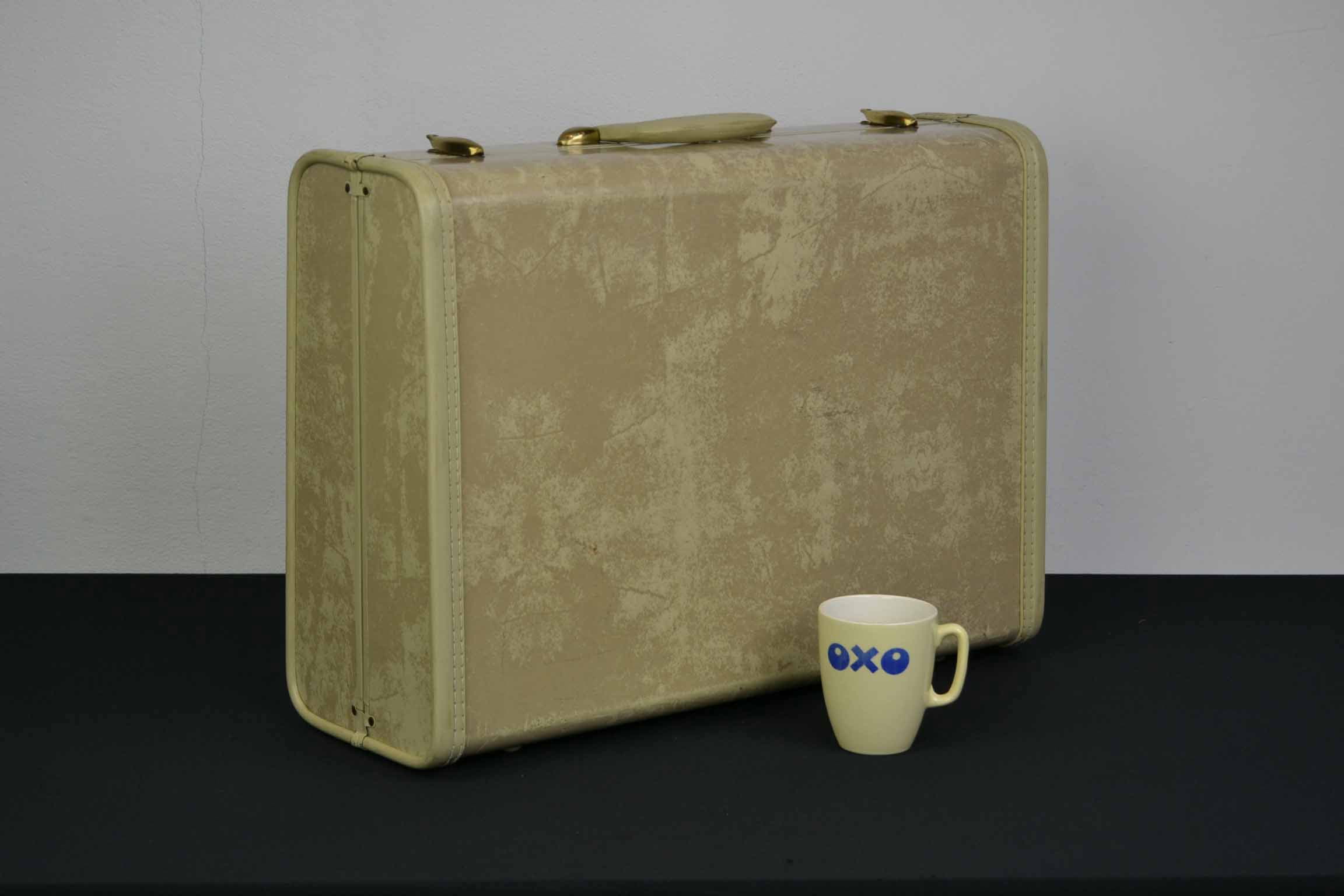
To clean vintage Samsonite luggage, start by mixing one part white vinegar with five parts water and lightly dabbing stained areas with a clean cloth. But the real trick is identifying your luggage’s material first—hard plastic, fabric, and leather each need different cleaners, so check before you begin.
Gather Cleaning Supplies
Before you begin cleaning your vintage Samsonite luggage, gather the right tools to make the process efficient and effective. Here’s what you’ll need:
- Gentle Cleaning Solution: Choose a mild, non-abrasive cleaner suited to your luggage’s material. Avoid harsh chemicals or abrasives that can scratch the surface.
- Microfiber Cloths: Soft and lint-free, these are perfect for cleaning and polishing without leaving streaks or scratches.
- Soft Bristle Brush: Use this to dislodge dust and dirt from corners, crevices, and other hard-to-reach areas.
- White Vinegar: For odor reduction, mix 1 part white vinegar to 5 parts water. Lightly dab the stained area with a clean cloth or sponge using this solution—it’s a natural, gentle way to refresh fabric-lined interiors.
- Leather Cleaner and Conditioner: If your luggage has leather trim or handles, a specialized cleaner and conditioner will nourish and protect the material.
- Cotton Swabs: Ideal for spot-cleaning tight spots like stitching, zippers, or hardware.
- Water: Clean water dilutes cleaning solutions and rinses away any residue.
Keep in mind that not every supply suits every vintage Samsonite piece—hard plastic, fabric, and leather each require different care. Always check your luggage’s material before starting. Once you’ve assembled these items, you’re ready to move on to preparing your luggage for cleaning.
Preparing the Luggage
Before you start cleaning your vintage Samsonite luggage, it's important to prepare it properly. Taking a few simple steps will ensure that the cleaning process goes smoothly and minimizes any potential damage.
- Remove Contents: Empty out the luggage and remove any items or belongings from the interior compartments. This will make it easier to clean and prevent any damage to the items.
- Inspect for Damage: Carefully examine the luggage for any signs of damage, such as loose stitching, cracked plastic, or damaged hardware. Address any repairs that may be needed before proceeding with the cleaning process.
- Test in a Small Area: If you're using a new cleaning solution or product, it's advisable to test it on a small, inconspicuous area of the luggage first. This will help ensure that the product doesn't cause any discoloration or damage to the material.
- Protect Vulnerable Areas: If your vintage Samsonite luggage has delicate or vulnerable areas, such as metal trims or leather handles, consider covering them with painter's tape or a protective cloth. This will prevent accidental damage during the cleaning process.
For odor reduction, Samsonite Australia recommends a vinegar-and-water mix of 1 part vinegar to 5 parts water. When you move to the cleaning step, lightly dab the stained area with a clean cloth or sponge using this solution—not a stronger mix.
By preparing your vintage Samsonite luggage before cleaning, you can prevent further damage and have a clearer idea of any areas that require special attention. Now that your luggage is prepared, you're ready to move on to cleaning the exterior.
Cleaning the Exterior
The exterior of your vintage Samsonite luggage is the first thing people see, so keeping it clean and well-maintained is essential. The cleaning method will depend on the material of your luggage, whether it's hard plastic, fabric, or a combination of materials.
Here are some steps to clean the exterior of your vintage Samsonite luggage:
- Remove Loose Dirt and Debris: Use a soft-bristle brush or a microfiber cloth to gently brush away any loose dirt or debris from the surface of the luggage. Be careful not to scratch or damage the material.
- Prepare the Cleaning Solution: For most exteriors, mix a mild soap with water, following the cleaner's packaging for the dilution ratio. For odor reduction, Samsonite Australia recommends a vinegar-and-water mix of 1 part vinegar to 5 parts water—use this in place of soapy water if musty smells are a concern.
- Clean with a Soft Cloth or Sponge: Dip a soft cloth or sponge into the cleaning solution and wring out any excess moisture. Gently wipe down the exterior, paying attention to stains or grime. Avoid excessive rubbing that could damage the material.
- Rinse with Clean Water: Rinse the cloth or sponge and wipe down the surface again with clean water to remove any residue from the cleaning solution.
- Dry Thoroughly: Use a clean, dry microfiber cloth to carefully dry the exterior, removing all moisture to prevent water spots or mold growth.
Adjust the method based on your luggage's material. For a fabric exterior, spot-clean stains with a gentle detergent or the diluted vinegar solution above. If your suitcase size fits under an airline seat, it likely has a softer shell—be extra gentle to avoid dents. Stubborn stains will be covered in the next section.
Removing Stains
Stains can be a common issue with vintage Samsonite luggage, especially if it has been used extensively. Fortunately, there are several methods you can try to effectively remove different types of stains from your luggage.
Here are some tips for removing stains from your vintage Samsonite luggage:
- Identify the Type of Stain: Before attempting to remove the stain, identify the type of stain you are dealing with. Common types include food or beverage stains, ink stains, or discoloration from water damage.
- Spot Clean with Mild Soap: For most stains, spot cleaning with a mixture of mild soap and water should suffice. Using a clean cloth or sponge, gently dab the stained area with the soapy solution, working from the outside of the stain inward. Avoid rubbing vigorously, as this may spread the stain or damage the material.
- Try Vinegar Solution: For stubborn stains, especially on fabric-lined interiors, you can try a vinegar solution. Mix 1 part white vinegar to 5 parts water, and lightly dab the stained area with a clean cloth or sponge. Test the solution on a small, hidden area first to ensure it doesn't cause any discoloration.
- Use Specialized Stain Removers: Depending on the type and severity of the stain, you may need to use specialized stain removers. There are stain remover products available for specific stain types, such as ink or grease. Follow the instructions on the packaging and test the product on a small area before applying it to the stained area.
- Repeat if Necessary: Some stains may require multiple attempts to completely remove. If the stain persists after the first attempt, repeat the cleaning process until the stain is no longer visible.
Remember to always spot test any cleaning solution or stain remover on a small, hidden area of your luggage before applying it to the stained area. This will help ensure that it doesn't cause any adverse effects or damage to the material.
Now that you've successfully tackled the stains on your vintage Samsonite luggage, it's time to turn your attention to any leather parts that may require special care. We'll cover that in the next section.
Treating Leather Parts
Vintage Samsonite luggage often features elegant leather accents and handles that require special care and attention. Treating the leather parts of your luggage will not only enhance its appearance but also help to preserve its longevity.
- Clean the Leather: Start by gently dusting off any loose dirt or debris from the leather parts using a soft cloth or brush. This will help ensure that the leather is free from any abrasive particles that could scratch its surface when cleaning.
- Choose a Leather Cleaner: Use a specialized leather cleaner suitable for the type of leather used in your luggage. It's important to follow the instructions provided by the manufacturer for the best results.
- Apply the Cleaner: Dampen a soft cloth with the leather cleaner and gently wipe the leather surfaces. Avoid excessive rubbing or scrubbing, as this can damage or discolor the leather. For odor reduction, Samsonite Australia recommends a vinegar-and-water mix of 1 part vinegar to 5 parts water—lightly dab the stained area with a clean cloth or sponge using this solution instead of a commercial cleaner if preferred.
- Condition the Leather: Once the leather is clean and dry, apply a leather conditioner using a clean, soft cloth. The conditioner will help moisturize the leather and restore its natural oils, preventing it from drying out and cracking.
- Buff the Leather: After applying the conditioner, use a separate clean cloth to gently buff the leather in circular motions. This will help restore its shine and give it a renewed appearance.
- Protect with Leather Cream or Wax: To further protect the leather parts of your luggage, you can apply a thin layer of leather cream or wax. This will provide a barrier against moisture and minimize the risk of stains or damage.
Remember to spot test any leather cleaner, conditioner, or protection product on a small, inconspicuous area of your luggage before applying it to the leather parts. This will help ensure that the product doesn't cause any discoloration or adverse effects.
By taking care of the leather parts of your vintage Samsonite luggage, you can preserve their beauty and extend their lifespan. Now that the leather is treated, it's time to focus on cleaning the interior of your luggage, which we'll cover in the next section.
Cleaning the Interior
While the exterior of your vintage Samsonite luggage is what catches the eye, cleaning the interior is equally important. Regularly cleaning the interior will help remove dust, dirt, and odors, ensuring a fresh and pleasant experience every time you use your luggage.
Here are some steps to clean the interior of your vintage Samsonite luggage:
- Empty the Luggage: Remove all items from the interior of the luggage, including any loose items or debris that may have accumulated.
- Vacuum the Interior: Use a small handheld vacuum cleaner or a soft brush attachment to gently vacuum the interior of the luggage. This will help remove dust and loose particles from the fabric-lined compartments.
- Spot Clean Fabric Interiors: If you notice any stains on the fabric-lined interior, you can spot clean them with a mixture of mild detergent and water. Dampen a clean cloth with the soapy solution and gently dab at the stain. Blot the area with a clean, damp cloth to remove any residue.
- Deodorize the Interior: To eliminate any lingering odors, sprinkle baking soda inside the luggage and let it sit for a few hours. Baking soda helps absorb odors. Afterward, vacuum or brush off the baking soda from the interior. For stronger odors, Samsonite Australia recommends a vinegar-and-water mix of 1 part vinegar to 5 parts water. Mix 1 part white vinegar to 5 parts water, and lightly dab the stained area with a clean cloth or sponge.
For vintage Samsonite luggage with plastic or hard-sided interiors, you can follow similar steps by removing any loose items and using a soft cloth or a mild cleaner to wipe down the interior surfaces.
Once the interior of your luggage is clean and fresh, it's time to focus on caring for the metal hardware, such as zippers, locks, and handles. We'll cover that in the next section.
Caring for Metal Hardware
The metal hardware on your vintage Samsonite luggage, including zippers, locks, and handles, requires proper care to maintain their functionality and appearance. Over time, metal hardware can become tarnished or rusty, making it difficult to use or detracting from the overall aesthetic of your luggage.
Here are some tips for caring for the metal hardware on your vintage Samsonite luggage:
- Inspect and Clean: Regularly inspect the metal hardware for any signs of corrosion, tarnish, or dirt. Use a soft cloth or a cotton swab dampened with a mild cleaner to gently wipe the hardware and remove any dirt or grime.
- Treat Tarnish: If you notice tarnish on the metal hardware, you can treat it with a metal cleaner or a mixture of vinegar and salt. For odor reduction, mix 1 part white vinegar to 5 parts water, and lightly dab the stained area with a clean cloth or sponge. Apply the cleaner to a soft cloth and gently rub the tarnished areas. Rinse with clean water and dry thoroughly to prevent any moisture damage.
- Lubricate Zippers: To keep zippers running smoothly, apply a small amount of zipper lubricant or beeswax along the zipper tracks. This will help reduce friction and make the zippers easier to open and close.
- Maintain Locks and Latches: If your luggage has locks or latches, use a dry graphite lubricant or a silicone-based lubricant to keep them functioning smoothly. Apply the lubricant sparingly, focusing on the moving parts, and work it in by gently moving the lock or latch back and forth.
- Prevent Scratches: To prevent scratches on metal hardware, avoid handling the luggage roughly or placing it on abrasive surfaces. Use protective covers or wrap delicate metal hardware in a soft cloth when storing or transporting the luggage.
Regular maintenance and care of the metal hardware will not only extend its lifespan but also ensure that your vintage Samsonite luggage functions properly. With the metal hardware cared for, we'll now focus on the final section: storing and maintaining your vintage Samsonite luggage.
Storing and Maintaining Vintage Samsonite Luggage
Proper storage and maintenance are essential for preserving the beauty and longevity of your vintage Samsonite luggage. Whether you use it frequently or keep it as a cherished memento, these tips will help ensure your luggage remains in excellent condition for years to come.
Here are some guidelines for storing and maintaining your vintage Samsonite luggage:
- Clean and Dry: Before storing your luggage, make sure it is clean and completely dry. Any moisture or dirt left on the luggage can lead to mold and mildew growth, which can cause damage. For odor reduction, Samsonite Australia recommends mixing 1 part white vinegar to 5 parts water and lightly dabbing the affected area with a clean cloth or sponge.
- Use Dust Covers or Pillowcases: To protect your luggage from dust and potential scratches, consider using dust covers or pillowcases. This will help prevent any unwanted debris or accidental damage when the luggage is not in use.
- Avoid Extreme Temperatures: Keep your vintage Samsonite luggage in a cool, dry place away from direct sunlight and extreme temperature changes. Prolonged exposure to heat or cold can cause damage to the materials and weaken the structure of the luggage.
- Avoid Overstuffing: To maintain the original shape of your luggage, avoid overstuffing it. Overfilling can lead to unwanted strain on the seams and zippers, potentially causing them to weaken or break over time.
- Rotate Usage: If you have multiple pieces of vintage Samsonite luggage, consider rotating their usage. This will help distribute any wear and tear more evenly among the luggage collection, preserving the condition of each piece.
- Regularly Inspect and Clean: Periodically inspect your vintage Samsonite luggage for any signs of damage, wear, or discoloration. Clean the exterior and interior of the luggage as needed, following the appropriate cleaning methods mentioned earlier in this guide. If you need to access the interior and the lock is giving you trouble, you may need to unlock a locked Samsonite suitcase first.
- Address Repairs Promptly: If you notice any damage or issues with your luggage, such as loose stitching, broken handles, or damaged wheels, address them promptly. Repair or replace any damaged parts to prevent further damage and maintain the structural integrity of the luggage.
By following these storage and maintenance tips, you can ensure that your vintage Samsonite luggage remains in excellent condition and retains its value and beauty over time.
Conclusion
Cleaning vintage Samsonite luggage preserves both its beauty and its history. With the right techniques, you can restore it and keep it functional for years.
This guide covered gathering supplies, prepping the bag, and cleaning the exterior and interior with methods suited to different materials. We also addressed stain removal, leather care, metal hardware upkeep, and proper storage.
For odor reduction, Samsonite Australia recommends mixing 1 part white vinegar to 5 parts water, and lightly dabbing the stained area with a clean cloth or sponge. Always handle vintage pieces gently—inspect regularly, and address any repairs promptly to avoid further damage. If you ever need to access the interior, knowing how to unlock a locked Samsonite suitcase can save you from forcing the latches.
With consistent care, your vintage luggage will remain a reliable travel companion and a nostalgic treasure. Give it the attention it deserves, and pack for your next trip with confidence.
Related travel guides: How To Clean Gatorade Gx Bottle.
