

Part of our Wisconsin guide.
Places and guides from our Logging Camps and Lumber History coverage, gathered into one page.
Flambeau River Logging Camps
Life in Wisconsin's Flambeau River logging camps revolved around the harvest of timber during the late 19th and early 20th centuries. Loggers, often called "shanty boys," felled trees, which were then floated down the river to sawmills. The camps were communities where men shared stories, meals, and hardships, waking before dawn to endure freezing temperatures and the dangers of falling trees and rushing water.
Northwoods Logging Camps
Wisconsin's Northwoods logging camps were hubs where loggers braved harsh winters, dense forests, and long days to harvest timber. Workers woke before dawn, ate a hearty breakfast, then headed out to fell trees with axes and saws. Camaraderie built on shared hardships and teamwork was strong; meals were simple but filling, often featuring beans, bread, and meat. Evenings were spent around the campfire sharing stories and songs.
Marinette Logging Boom Towns
During the late 19th and early 20th centuries, logging was a major industry in Wisconsin, and Marinette was at its heart. The forests were filled with towering pines, and rivers were used to transport logs to mills. Workers lived in rough conditions but were part of a thriving community that played a crucial role in the state's history.
Two Rivers Ghost Fleet Graveyards
Beneath the waters of Lake Michigan, Wisconsin's Two Rivers Ghost Fleet Graveyards hold shipwrecks that tell tales of maritime history, adventure, and tragedy. Divers and history buffs are drawn to these submerged relics, from cargo vessels to passenger ships, each with its own story.
Brule River Lumber Camp Railways
Wisconsin's Brule River Lumber Camp Railways played a crucial role in the logging industry during the late 19th and early 20th centuries. Stretching through dense forests, these railways transported massive logs to sawmills, fueling the growth of nearby towns. Remnants of the railways offer a glimpse into a bygone era where lumberjacks and steam engines ruled the woods.
Wisconsin
Hidden lumber towns across Wisconsin offer a glimpse into the past when logging was king. From Wausau to Rhinelander, each place has its own charm, with historic buildings telling stories of the people who built these communities.
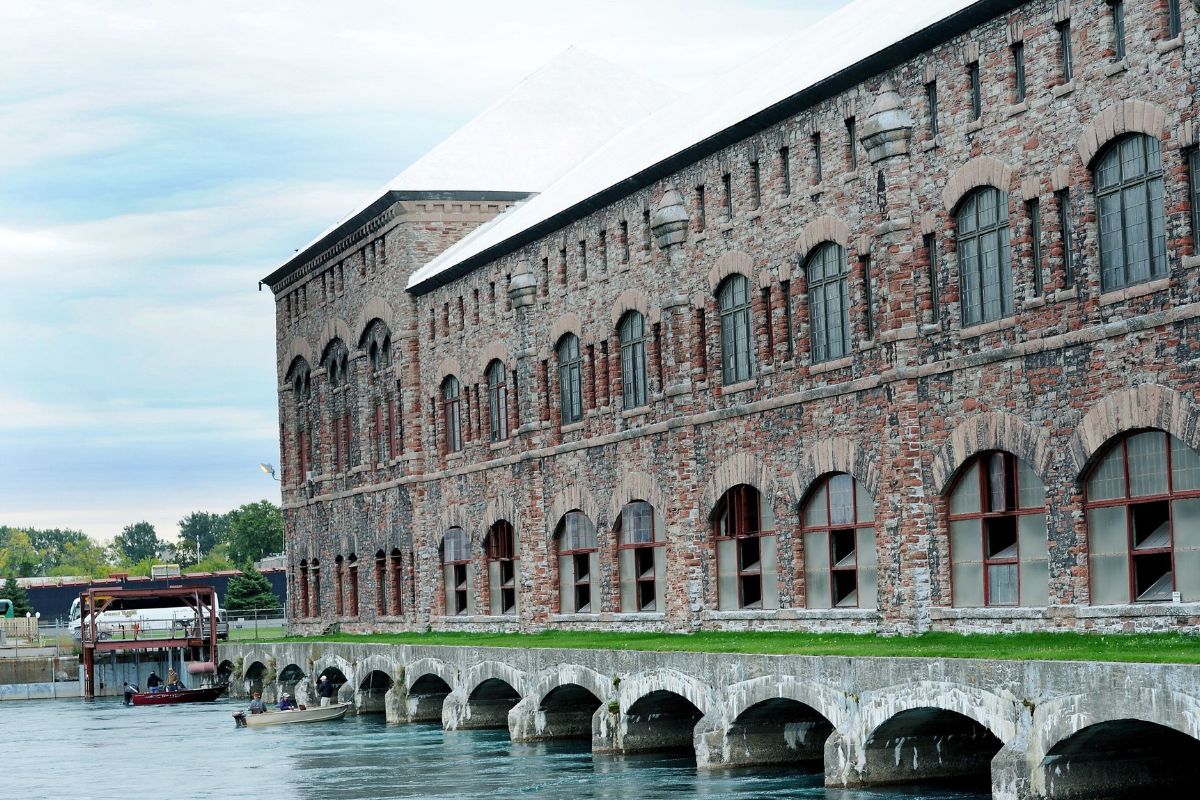
Edison's Hidden Early Hydroelectric Plants
Thomas Edison played a key role in the development of early hydroelectric plants in the late 19th and early 20th centuries. His innovations helped harness the power of water to generate electricity, providing clean, renewable energy to communities and industries. By tapping into the natural flow of rivers and streams, Edison's designs paved the way for modern hydroelectric power.
Elroy-Sparta Logging Railroads
Built in the late 19th century, the Elroy-Sparta logging railroads were essential for transporting timber from dense forests to markets. The route, now a bike trail, once echoed with the sounds of steam engines and lumberjacks at work. Visitors can still see remnants of this era, from old tunnels to historic depots.
Mysteries Beneath Wisconsin's Logging Camp Waters
Beneath the waters of Wisconsin's old logging camps lie relics from a bygone era—sunken tools, forgotten structures, and logs that once floated down rivers and lakes. Each piece tells a story of hard work, adventure, and history.
More about Logging Camps and Lumber History
- Secrets Of Wisconsin's Ancient Copper Mines
- Hidden Wild Rice Harvesting Spots In Wisconsin
- Secretive Lumber Baron Mansions of the Great Lakes
- Secrets Of Baraboo's Al. Ringling Mansion And The Oldest Ringling Brother
- Secrets Of Wisconsin's Towering River Bluffs
- Secrets Of Wisconsin's Driftless River Valleys
- Mysteries Of Wisconsin's Ghost Towns
- Hidden French Fur Trading Posts In Wisconsin
- Hidden CCC Camps Turned Rustic Retreats In Wisconsin
- Hidden Glacial Erratics In Wisconsin's Kettle Moraine
- Secrets Of Wisconsin's Ancient Burial Mound Culture
- Secrets Behind Wisconsin's Red Granite
- Wisconsin's Secret Crystal Falls
- Hidden Chimera Pools Of Mount Whittlesey In Wisconsin
- 10 Hidden Towns In Wisconsin's Door County
- Secrets Hidden In Wisconsin's Maiden Rock
- Hidden Wolf Territories In Wisconsin's Chequamegon
