

Part of our Virginia guide.
Virginia’s coastline answers with wild barrier islands, family-friendly resort beaches, and quiet marshland escapes. From the boardwalk bustle of Virginia Beach to the wild ponies of Assateague, each destination offers a distinct reason to trade your inland routine for salt air.
Related travel guides: 11 Spectacular Beaches To Visit In Norfolk, Virginia, 12 Spectacular Beaches To Visit In Roanoke, Virginia, and 10 Spectacular Beaches To Visit In Suffolk, Virginia.
Beach's Secret Lighthouses
Virginia Beach hides a collection of historic lighthouses that have guided sailors for centuries. The Cape Henry Lighthouse, a stone tower from 1792, and the Old Point Comfort Lighthouse both reward visitors with panoramic views and deep maritime stories. These beacons now serve as museums of navigation, where you can climb spiral staircases and imagine the keepers who once trimmed the lamps. For a self-guided tour, start at Cape Henry in Fort Story (military ID required for base access) and pair it with a stop at the nearby First Landing Cross site. Old Point Comfort, sitting on the tip of the Hampton Roads peninsula, offers a quieter visit with views of the Chesapeake Bay ship channel. Each lighthouse has its own logbook of rescues and wrecks, and rangers often share tales of ghostly keepers on evening programs.
James River
Hidden river islands dot Virginia's James River, offering kayakers and paddleboarders a chance to claim a private sandbar for a few hours. Launch from the public ramp at Dutch Gap Conservation Area and paddle to one of the small, tree-lined islets that appear as the tide drops—many have no permanent structures, just driftwood and osprey nests. Pack a lunch and a trash bag, because these spots are unmanaged and carry a leave-no-trace expectation. The river’s brackish mix means you might spot bald eagles, river otters, and the occasional sturgeon leaping clear of the water. For a longer expedition, the Captain John Smith Chesapeake National Historic Trail maps out a multi-day route between Richmond and the bay, with designated campsites on several islands. Check tide charts before setting out, as some channels shallow out dramatically at low water.
Eastern Shore
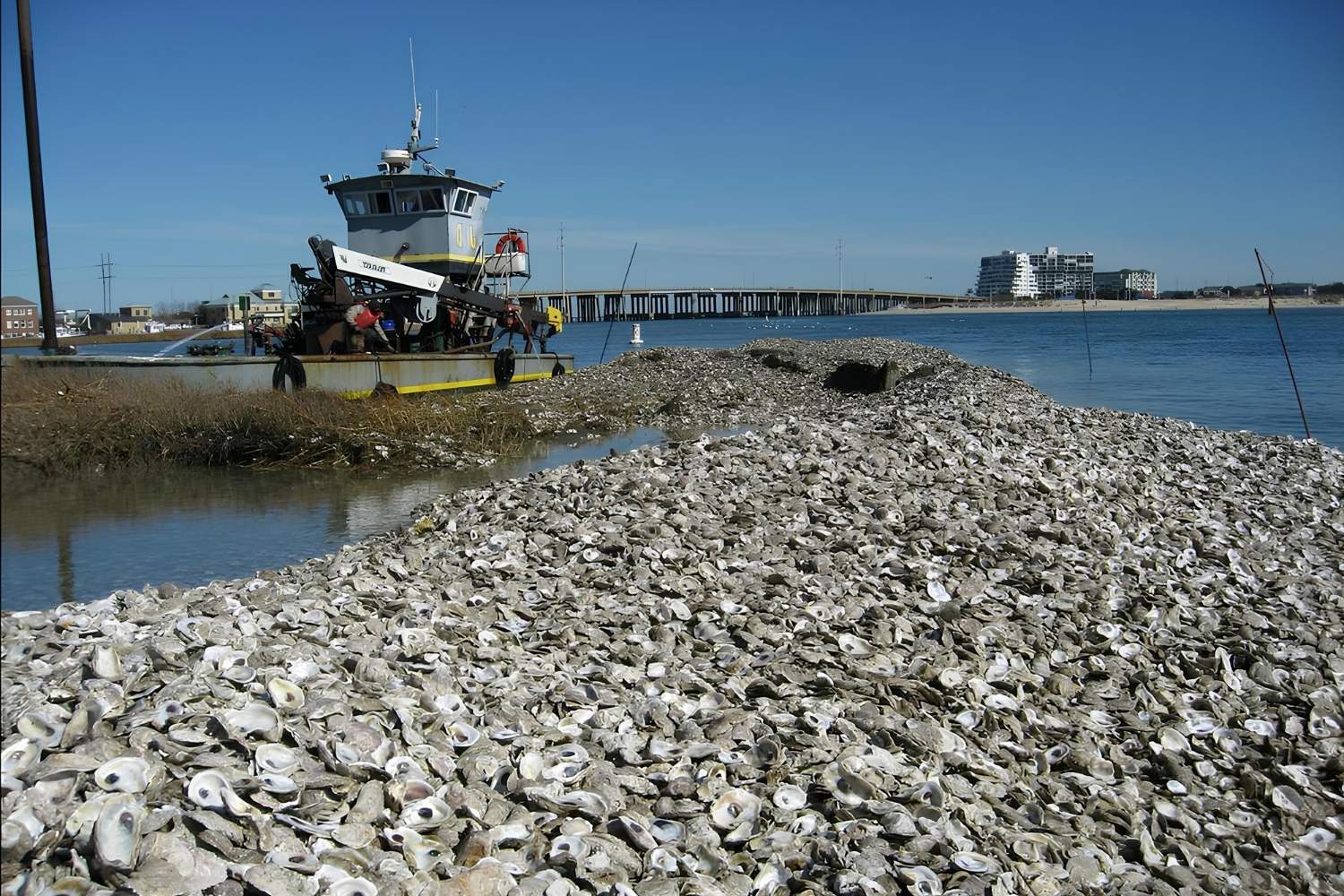
Virginia's Eastern Shore, a 70-mile peninsula between the Chesapeake Bay and the Atlantic, is where oyster farming thrives in the clean, plankton-rich waters of the seaside creeks. Local growers in Wachapreague offer shucking demonstrations and boat tours that pull straight from the beds—taste the difference between a salty bay oyster and a sweet, melon-like Atlantic variety. The best months for harvesting are September through April, when the water is cold and the oysters are plump. You can also dig for clams on the mudflats at low tide, but check Virginia Marine Resources Commission regulations for size limits and daily catch caps. After a morning on the water, stop by a roadside stand for a dozen fresh-shucked bivalves and a bottle of hot sauce.
Coastal Plain
Virginia's Coastal Plain stretches from the Atlantic Ocean to the fall line at Richmond, a region of sandy beaches, tidal creeks, and loblolly pine forests. This is where the state’s colonial history took root, with sites like Jamestown and Williamsburg anchoring the western edge. The region’s national wildlife refuges—Back Bay, Presquile, and Great Dismal Swamp—protect migrating waterfowl and rare species like the red-cockaded woodpecker. For hikers, the Virginia Capital Trail runs 52 miles from Richmond to Williamsburg, following the river and passing through restored wetlands. Cyclists can push on to the coast, where the Virginia Beach Boardwalk connects to the Cape Henry Trail, a 6.4-mile crushed-gravel path through First Landing State Park.
Parramore Island Marshes
Parramore Island, one of the Virginia Barrier Islands, is a protected wilderness with no bridges and no permanent residents—only marsh, maritime forest, and a vast colony of nesting shorebirds. Access is by private boat or chartered kayak trip from Greenbackville, and the island’s interior is off-limits to protect the least terns and black skimmers that nest on its beaches. You can walk the shoreline, fish for red drum in the surf, and camp on the beach with a permit from the Nature Conservancy, which owns the property. The marshes behind the dunes are a nursery for juvenile fish and blue crabs, and you’ll likely see great blue herons stalking the shallows. Go in May or September for the best weather and fewest bugs; summer brings biting flies that make bug spray useless—you’ll need a head net.
Colonial Beach - Virginia's Potomac Riviera
Colonial Beach, tucked along the Potomac River about 90 minutes from Washington, D.C., pairs a wide, sandy shore with a historic downtown of Victorian homes and antique shops. The town’s nickname, “Virginia’s Potomac Riviera,” dates to the early 1900s when steamboats brought vacationers from the capital to its grand hotels. Today, you can swim at the free public beach, launch a kayak at the town pier, or rent a golf cart to tour the historic district—the birthplace of James Monroe’s law clerk and the site of a Prohibition-era speakeasy. The Westmoreland County courthouse and the George Washington Birthplace National Monument are within a 20-minute drive. On summer weekends, the boardwalk hosts craft fairs and live bands, and the sunset views over the river are worth staying for.
Assateague Island
Assateague Island, a 37-mile barrier island split between Virginia and Maryland, is famous for its wild horses, but its hidden coastal inlets offer quieter rewards. On the Virginia end, the Chincoteague National Wildlife Refuge provides a network of trails and boardwalks through maritime forest and marsh, where you can spot sika deer, raccoons, and hundreds of migratory bird species. The beach at Toms Cove is a prime spot for surf fishing (check Virginia fishing regulations for license requirements) and for watching the wild ponies graze near the dunes. For a true escape, rent a kayak from Assateague Island Outfitters and paddle the narrow channels behind the island, where you’ll find secluded sandbars and oyster reefs. The island’s southern tip, accessible only by four-wheel-drive vehicle with a permit, is a nesting ground for piping plovers from March to August—stay on marked trails to avoid disturbing them.
Beach Boardwalk - Atlantic Coast Fun
The Virginia Beach Boardwalk is a 28-foot-wide concrete promenade that runs parallel to Atlantic Avenue, and it’s the centerpiece of the resort city’s beach scene. You can rent a surrey bike for the family, stop for fresh lemonade at one of the many stands, or simply claim a patch of sand and watch the waves. Street performers and live music fill the air on summer evenings, and the boardwalk is lined with hotels, restaurants, and shops. History buffs can detour to the Atlantic Wildfowl Heritage Museum, housed in a 1930s cottage, or the Virginia Beach Surf & Rescue Museum, which occupies a 1903 lifesaving station. The boardwalk is also the starting point for the annual Neptune Festival, held each September, which draws over 400,000 visitors for sand sculptures and a boardwalk art show.
Mockhorn Island Marshes
Mockhorn Island Marshes, tucked behind the Eastern Shore’s barrier islands, are a paddler’s paradise of winding creeks and shallow flats. Launch your kayak at the public ramp on the bay side of the peninsula and follow the channels through tall Spartina grass, where you’ll likely flush great egrets and snowy egrets from the shallows. The area is a nursery for juvenile flounder and spot, and you can cast for speckled trout in the deeper holes. The marshes are part of the Eastern Shore of Virginia National Wildlife Refuge, and while there are no marked trails, the creeks are navigable by canoe or kayak at high tide. Check the tide tables before you go—at low water, some channels turn to mud, and you’ll have to drag your boat across the flats. For a longer trip, paddle the 5 miles to the abandoned Coast Guard station at Cape Charles, where you can stretch your legs on the beach.
Soar Through History At Virginia Beach's Aviation Museum
Virginia Beach's Aviation Museum, located at Naval Air Station Oceana, takes you inside the cockpits of restored warbirds from World War I and II. The museum’s collection includes a 1917 Curtiss JN-4 “Jenny,” a 1943 Stearman biplane, and a rare F8F Bearcat that saw combat in the Pacific. Docents, many of them retired military pilots, walk you through the restoration hangar and share stories of the aircraft’s missions. For an extra thrill, book a ride in the museum’s open-cockpit biplane—flights run on select weekends from March to November, weather permitting, and cost $150 per person for a 20-minute flight. The museum is open Tuesday through Saturday from 10 a.m. to 4 p.m., and admission is $12 for adults, $8 for seniors and military. Check the website for special events like the annual Warbirds Over the Atlantic airshow each May.
Sun-Kissed Adventures Await At Buckroe Beach
Buckroe Beach in Hampton, Virginia, offers a laid-back alternative to the crowded oceanfront resorts, with a wide, sandy shore and a fishing pier that juts 500 feet into the Chesapeake Bay. Families can use the playground, rent a kayak from the on-site outfitter, or join a pick-up volleyball game on the courts. Summer brings free Tuesday night concerts and Friday family movies on the beach, starting at dusk. The nearby Buckroe Beach Jetty is a popular spot for surf fishing, and you can cast for croaker, spot, and flounder from the rocks. For a break from the sand, walk the 1.5-mile boardwalk trail through the adjacent Salt Ponds Nature Park, where you’ll see herons, egrets, and the occasional bald eagle. Local restaurants like the Surf House serve fresh seafood with a view of the bay, and the pier’s bait shop rents rods for the day.
