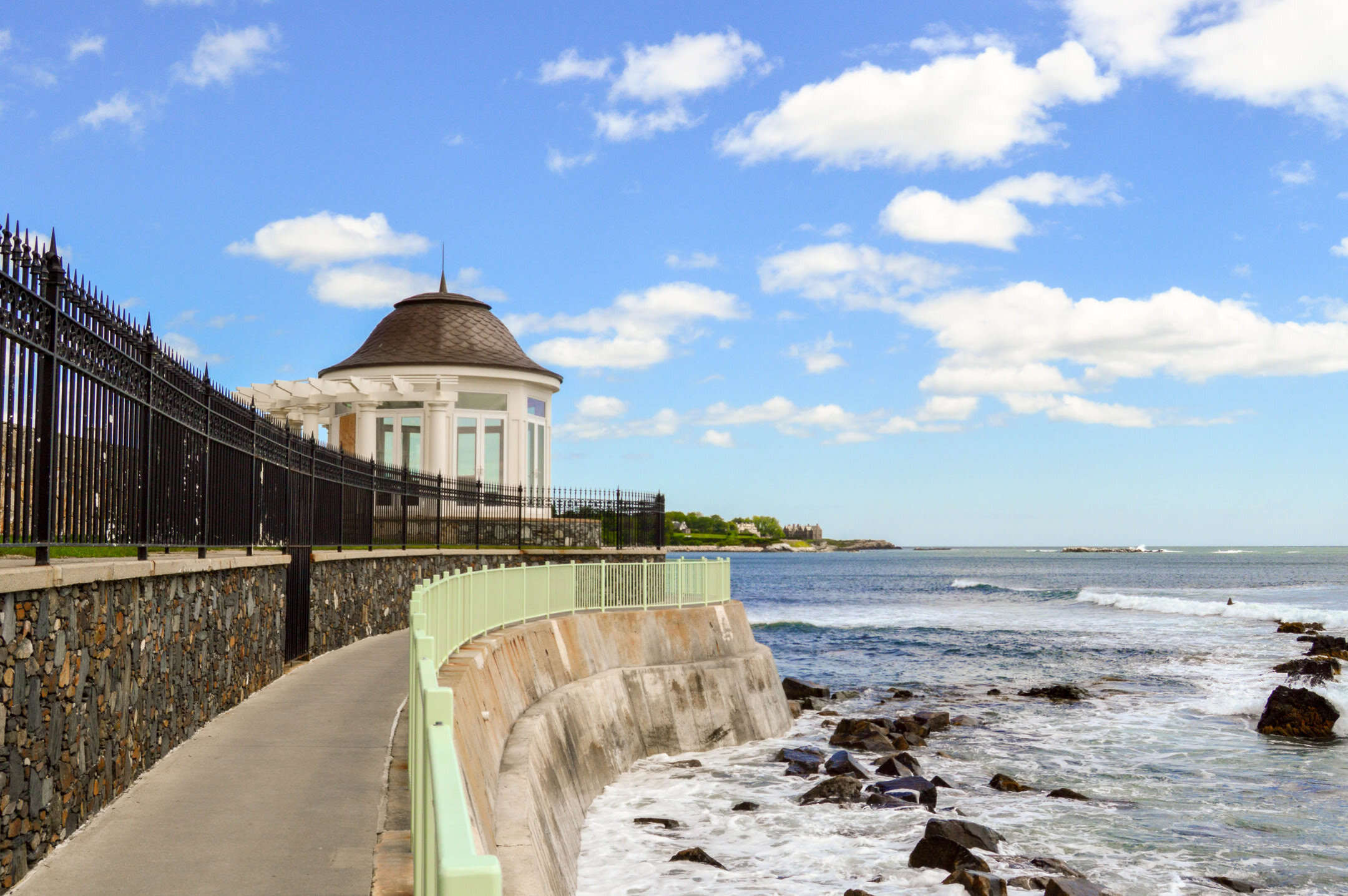
Part of our Rhode Island guide.
Rhode Island’s true hidden gems are the quiet beaches, wild refuges, and historic villages that most visitors speed past—places like Goosewing Beach Preserve, East Beach, and Neutaconkanut Park. Here are 13 spots and guides from our coverage, gathered into one page.
Related travel guides: Secrets Of Rhode Island's Conanicut, Family Travel In Rhode Island, Hidden Gems And Mysteries In Rhode Island, Secrets Of Rhode Island's Point Judith, and Mysteries Of Rhode Island's Aquidneck.
Goosewing Beach Preserve: Little Compton’s Wild Shore
Goosewing Beach Preserve in Little Compton offers a rare stretch of undeveloped coastline, where dunes and salt marsh meet the Atlantic. This preserve is a haven for shorebirds, including piping plovers that nest on the sand each summer. Walk the barrier beach, wade into the gentle surf, or spread a blanket and watch the tides roll in. The preserve is part of the larger Goosewing Ranch, and its protected status keeps the landscape wild and uncrowded. Bring water and sun protection—there are no facilities here.
East Beach: Rhode Island’s Quietest Stretch of Sand
East Beach, located just south of the Ninigret Conservation Area in Charlestown, is a three-mile barrier beach. The water is shallow and warm, making it ideal for families, while the lack of nearby parking keeps crowds thin. A short walk from the lot leads to dunes where you can spot osprey and terns. Unlike many Rhode Island beaches, East Beach has no boardwalk or snack stands—just sand, surf, and silence. Arrive early on summer weekends, as the small lot fills fast.
Sachuest Beach: Surf, Sand, and Sunsets
Sachuest Beach, also known as Second Beach, sits in Middletown near the Sachuest Point National Wildlife Refuge. This mile-long stretch of sand is a favorite among surfers, who come for the consistent swells, and families, who appreciate the gentle slope and lifeguards. The beach faces east, so sunrises are spectacular, but the real show happens at sunset, when the sky turns orange over the nearby cliffs. Parking costs $10 on weekdays and $15 on weekends in summer, with free entry after 5 p.m. Walk north along the shore to reach the rocky point, where seals often bob in the waves during colder months.
Block Island: A Ferry Ride to Another World
Block Island, accessible by a 30-minute high-speed ferry from Point Judith, feels like a step back in time. The island’s 17 miles of hiking trails wind through rolling hills, dramatic bluffs, and the 200-acre Hodge Preserve. Rent a bike in Old Harbor and pedal to the Southeast Lighthouse, which has guided ships since 1875. The Mohegan Bluffs, a 200-foot clay cliff, offers panoramic views of the Atlantic, and the island’s 365 freshwater ponds are perfect for kayaking. For a quieter experience, visit in late September, when the summer crowds have gone and the water is still warm.
Neutaconkanut Park: Providence’s Forested Escape
Neutaconkanut Park, tucked into the heart of Providence, is a 90-acre forest. Its winding trails climb to a rocky summit with sweeping views of the downtown skyline and the Providence River. The park is a favorite among local hikers, and it’s one of the few places in the city where you can see white-tailed deer and red-tailed hawks. A loop trail covers about 1.5 miles, and the main path is well-marked, though some side routes are steep and rocky. Pack a picnic and enjoy the shade of the old oak trees.
Green Animals Topiary Garden: Portsmouth’s Living Sculptures
Green Animals Topiary Garden in Portsmouth is the oldest topiary garden in the United States, with over 80 sculpted trees and shrubs. The garden’s name comes from the animal-shaped yews and boxwoods, including a life-sized elephant, a giraffe, and a bear, some of which date back to the early 1900s. The garden is open from May through October, and admission is $12 for adults, $8 for children. Beyond the topiaries, you’ll find a historic greenhouse, a small vegetable garden, and sweeping views of Narragansett Bay.
Beavertail State Park: Cliffs, Waves, and a Historic Lighthouse
Beavertail State Park, at the southern tip of Jamestown, is a rugged headland where the Atlantic crashes against granite cliffs. The park’s 1800s lighthouse, still in operation, sits atop the rocks and offers sweeping views of the ocean. Hike the 2-mile loop trail along the shore, where you might spot harbor seals, cormorants, and the occasional whale spout. The park is also a prime spot for saltwater fishing, with rocky ledges that drop into deep water. In summer, the beach at the base of the cliffs is a popular swimming hole, though the water is brisk even in July.
Fort Wetherill: A Coastal Fortress with 360-Degree Views
Fort Wetherill, located across the water from Newport in Jamestown, is a former military installation that now serves as a state park. The fort’s concrete bunkers and gun emplacements, built in the early 1900s, are open for exploration, and the views of the Newport Bridge and the East Passage are spectacular. Scuba divers flock to the rocky coves below, which are home to schools of striped bass and bluefish. The park has no entrance fee, and the hiking trails along the cliffs are easy and family-friendly. Bring a flashlight to explore the dark tunnels, and watch your step near the cliff edges.
Pawtuxet Village: A Historic Waterfront in Warwick
Pawtuxet Village, straddling the border of Warwick and Cranston, is a compact, walkable district with a 300-year history. The village sits at the mouth of the Pawtuxet River, where it meets Narragansett Bay, and its streets are lined with colonial-era homes, antique shops, and family-run restaurants. The Pawtuxet Village Farmers Market runs every Sunday from June through October, and the annual Gaspee Days festival in June celebrates the burning of the British ship Gaspee in 1772. Stroll down to the waterfront park, where you can watch the fishing boats come and go, or rent a kayak and paddle up the river.
Ninigret National Wildlife Refuge: A Birdwatcher’s Paradise
Ninigret National Wildlife Refuge, in Charlestown, protects over 400 acres of salt marsh, freshwater ponds, and maritime forest. The refuge is a critical stopover for migratory birds, and more than 250 species have been recorded here, including egrets, herons, and osprey. A 2.5-mile loop trail circles the impoundment, where you’ll likely see painted turtles sunning on logs and dragonflies skimming the water. The old Navy runway, now a grassy field, is a popular spot for kite flying and picnicking. Entry is free, and the visitor center, open seasonally, offers exhibits on the area’s history and wildlife.
Wolf Hill’s Hidden Mines
Wolf Hill, in Smithfield, hides a network of abandoned mines that date back to the 19th century. These tunnels, carved into the hillside, were once worked for mica and feldspar, and the tailings are still visible near the entrances. The main adit is gated, but the surrounding forest has several unmarked trails that lead to smaller openings. Exploring these sites requires a good flashlight and sturdy boots—the ground is uneven, and the tunnels are dark and damp. For those who prefer not to go underground, the hill’s summit offers views of the Woonasquatucket River valley. This is a spot for experienced hikers, not casual tourists.
Providence’s Colonial Garden Paths
Step back in time along the colonial-era garden paths of Providence’s East Side. These quiet walkways, many of which date to the 1700s, wind through restored gardens filled with heirloom plants like hollyhock, lavender, and boxwood. The paths connect several of the city’s historic house museums, including the John Brown House and the Stephen Hopkins House. Each garden is small, but together they form a living history lesson. The paths are free and open year-round, though the flowers are at their best from May through September. Look for the bronze markers that explain the history of each plot.