

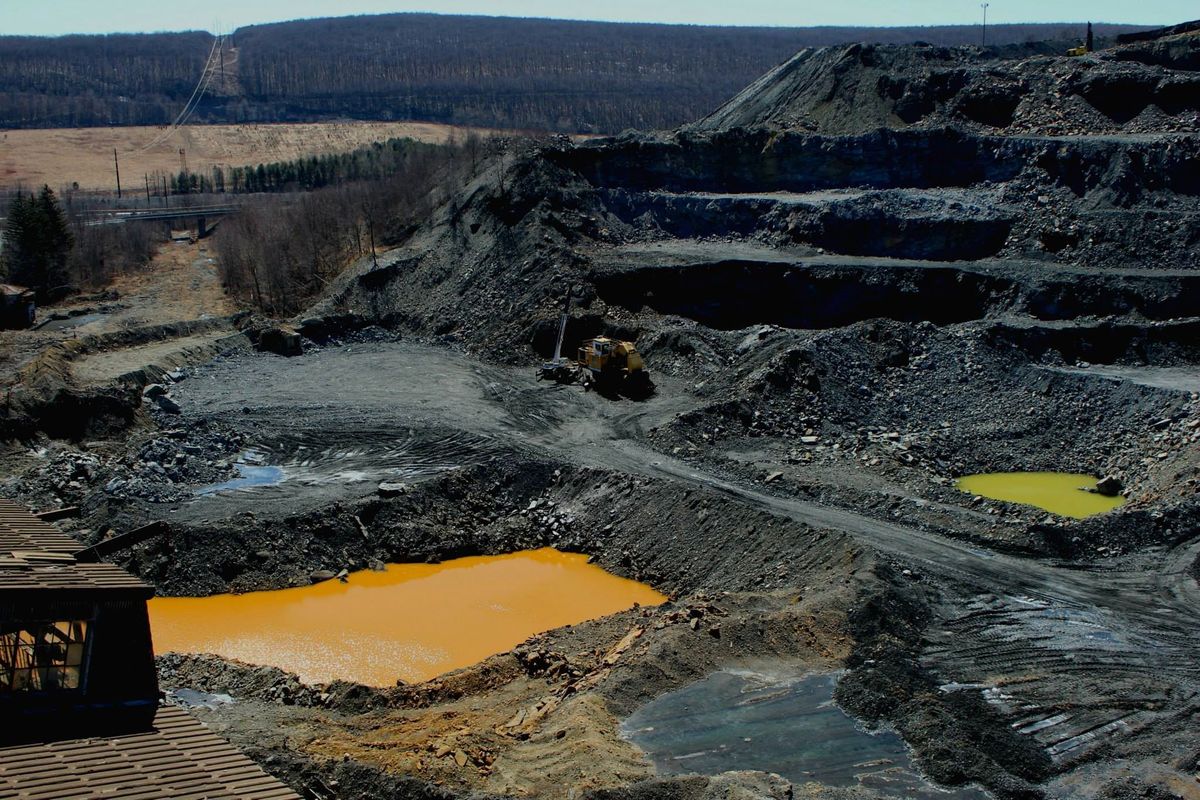
Pennsylvania’s coal country hides at least ten lost mines and mining sites you can still visit today, from the still-burning Centralia Mine to the preserved Eckley Miners’ Village. The region’s underground legacy is not just about coal—it’s a story of labor, disaster, and survival, told through crumbling breakers, museum tunnels, and ghost towns.
Hidden Gems of Pennsylvania’s Coal Country
Beneath the rolling hills and forests of northeastern Pennsylvania lie the remnants of once-thriving mines. These sites are preserved windows into an era when coal powered the nation. Here’s where to see the real thing, from active tours to silent ruins.
1. Centralia Mine
A fire ignited in the coal seam beneath the town in 1962 and continues to burn today. The blaze has rendered the town nearly uninhabitable, with smoke rising from cracks in the ground and abandoned streets buckling from the heat. The U.S. Postal Service revoked Centralia’s zip code in 2002, and most homes have been condemned and demolished. The site itself is fenced off—view it from the nearby highway or the fire company’s parking lot.
2. Eckley Miners’ Village
Eckley Miners’ Village is a preserved ghost town offering a window into the lives of 19th-century coal miners. The village was used as a filming location for the 1970 movie “The Molly Maguires,” and today it features restored company houses, a working blacksmith shop, and a visitor center with exhibits on the 1869 Avondale Mine disaster, which killed 110 men and boys.
3. Pioneer Tunnel Coal Mine
In Ashland, the Pioneer Tunnel Coal Mine offers a chance to step back in time. Visitors can ride a steam train—the Henry Clay, built in 1920—and venture into a real anthracite coal mine. The tour takes you 1,800 feet into the mountain, where the temperature stays at a constant 50 degrees Fahrenheit. The guides, often former miners, share tales of their experiences. Above ground, you can pan for “coal diamonds” (iron pyrite) and ride the train through the surrounding hills.
4. Lackawanna Coal Mine
Located in Scranton, the Lackawanna Coal Mine tour takes you 300 feet beneath the earth’s surface. The descent is made in a 1930s-era mine car, and the tour winds through 1,600 feet of tunnels that were worked from 1860 to 1966. The temperature stays at 53 degrees Fahrenheit, so a jacket is essential even in summer. This mine now serves as a museum dedicated to educating the public about the coal industry’s impact on the region.
5. No. 9 Coal Mine and Museum
The No. 9 Coal Mine and Museum in Lansford is one of the oldest continuously operated anthracite coal mines in the world, with mining records dating back to 1855. Visitors can explore the mine’s tunnels on a guided tour that descends 450 feet underground, where they’ll see original timbering and coal seams up close. The museum houses artifacts and exhibits, including a 1916 steam hoist and a collection of miners’ lamps. The mine operated until 1972 and was reopened as a tourist attraction in 2002.
6. Huber Breaker
The Huber Breaker in Ashley was once a vital part of the coal processing operation. Built in 1939, it processed up to 10,000 tons of coal per day at its peak, sorting and washing the anthracite before it was shipped out. The breaker closed in 1976, and its skeletal steel frame and crumbling concrete walls are a reminder of the industry’s decline. The site is not officially open for tours, but you can view it from the public road, and local preservation groups occasionally host cleanup days.
7. Scranton Iron Furnaces
While not a mine, the Scranton Iron Furnaces are closely tied to the coal industry. These massive stone structures, built in 1848, were used to smelt iron, fueled by the region’s abundant coal. The furnaces operated until 1902 and produced iron for rails, bridges, and armor plate. Today, the site is a state historic site with interpretive panels, and the ruins are dramatically lit at night.
8. Anthracite Heritage Museum
Located in McDade Park, the Anthracite Heritage Museum delves into the cultural and social history of the coal region. It highlights the diverse communities that settled in the area, drawn by the promise of work in the mines—including Irish, Welsh, German, Polish, and Italian immigrants. The museum’s exhibits tell the stories of the people who made coal country their home, with displays on labor unions, the 1902 Anthracite Coal Strike, and the everyday lives of mining families. It’s open year-round.
9. Shenandoah Mine
Shenandoah Mine, though less known, holds its own secrets. The mine was part of the massive Shenandoah Colliery, which operated from 1862 until 1972. Today, the site is largely reclaimed by nature, but the remains of the breaker foundation and the culm banks are visible from the road.
10. Cornwall Iron Furnace
The Cornwall Iron Furnace, while primarily an iron production site, relied heavily on coal. This well-preserved furnace, which operated from 1742 to 1883, is one of the best-preserved examples of a charcoal ironworks in the United States. Visitors can explore the furnace and learn about the technological advancements that fueled Pennsylvania’s industrial growth, including the transition from charcoal to anthracite coal. The site also sits near the Cornwall Ore Banks, one of the largest open-pit iron ore mines in the country, which supplied ore to the furnace.
Hidden Stories of Pennsylvania’s Coal Mines
Pennsylvania’s coal mines hold more than just coal; they are filled with stories of hard work, hope, and history. These mines once powered the nation, fueling industries and homes. Today, they stand as reminders of a different era, with some transformed into museums and tourist attractions. Visiting these sites offers a glimpse into the lives of miners who worked tirelessly underground. The mines also highlight the environmental and economic impacts of coal mining, sparking conversations about sustainability and renewable energy. Whether you’re a history buff or just curious, Pennsylvania’s coal country offers a unique journey through time—and a chance to uncover some of the secrets hidden in Pennsylvania’s industrial past.
Related travel guides: Lost Mines Of Pennsylvania's Jim Thorpe.
