

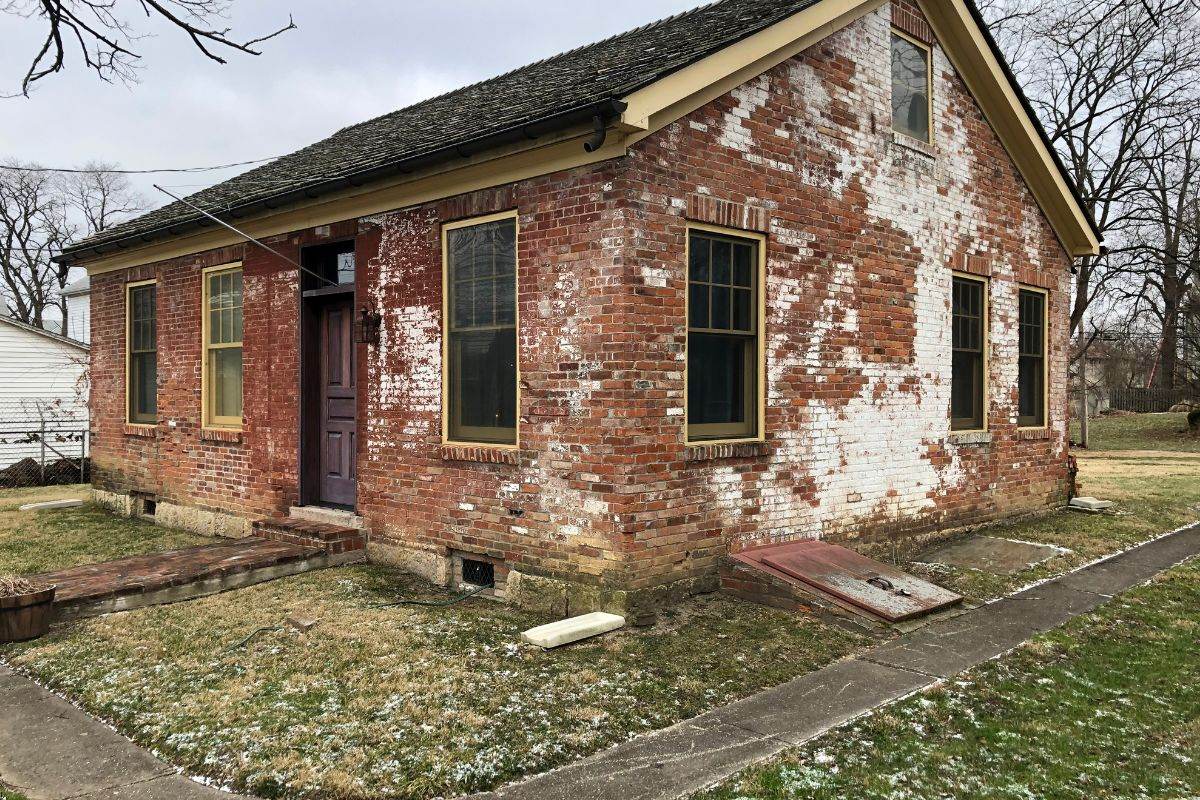
Ohio’s documented Underground Railroad stations include the Rankin House, the John P. Parker House, Spring Hill Historic Home, Hanby House, Kelton House, the Oberlin Heritage Center, Hubbard House, the Gist Settlement, and the Underground Railroad Museum. These sites served as verified havens for escaping slaves, each with a specific role in the network that helped thousands reach freedom.
1. Rankin House
Perched on a hill in Ripley, the Rankin House offered a beacon of hope. John Rankin, an abolitionist minister, used his home to shelter hundreds of runaway slaves. The house’s location provided a strategic view of the Ohio River, allowing Rankin to signal escaping slaves with a lantern.
2. John P. Parker House
Located in Ripley, the John P. Parker House belonged to a former slave who became a successful businessman and inventor. Parker risked his life to help others gain freedom, often crossing the river to guide them to safety. His home now serves as a museum, preserving his courageous legacy.
3. Spring Hill Historic Home
In Massillon, Spring Hill Historic Home stands as a testament to the bravery of the Rotch-Wales family. This Quaker family used their home to hide runaway slaves in secret rooms and tunnels. Today, visitors can tour the house and learn about its significant role in the fight for freedom.
4. Hanby House
Westerville’s Hanby House was the residence of Bishop William Hanby, a conductor on the Underground Railroad. Hanby and his family provided shelter and assistance to many escaping slaves. The house is now a museum, offering a glimpse into the lives of those who fought against slavery.
5. Kelton House
In Columbus, the Kelton House served as a safe haven for runaway slaves. Fernando and Sophia Kelton, staunch abolitionists, used their home to provide refuge. The house now operates as a museum, showcasing the Kelton family’s dedication to the cause of freedom.
6. Oberlin Heritage Center
Oberlin was a hotbed of abolitionist activity, and the Oberlin Heritage Center preserves this rich history. The center includes several historic buildings that were part of the Underground Railroad network. Visitors can explore these sites and learn about Oberlin’s pivotal role in the movement.
7. Hubbard House
Ashtabula’s Hubbard House, also known as Mother Hubbard’s Cupboard, was a key stop on the Underground Railroad. The Hubbard family used their home to hide and protect runaway slaves. The house is now a museum, offering tours that highlight its historical significance.
8. The Gist Settlement
In Highland County, the Gist Settlement was established by Samuel Gist, a British philanthropist who freed his slaves and provided them with land. The settlement became a refuge for many escaping slavery. Today, it remains a symbol of hope and resilience.
9. The Wright House
In Springboro, the Wright House was owned by Quaker abolitionists who used their home to aid runaway slaves. The Ohio History Journal notes there is no documented evidence for the tunnel claim at the Jeffries House, and not every site with a tunnel story is a documented station; the Wright House’s hidden rooms and secret passages lack documentation in the article’s sources. The house stands as a reminder of the courage and compassion of those who fought for freedom.
10. The Underground Railroad Museum
Flushing’s Underground Railroad Museum offers a comprehensive look at Ohio’s role in the movement. The museum features artifacts, documents, and exhibits that tell the stories of those who risked everything for freedom. It’s a must-visit for anyone interested in this critical chapter of American history.
Ohio’s Hidden History
Ohio’s Underground Railroad stations offer a glimpse into a brave past. These sites tell stories of courage, resilience, and the fight for freedom. Visiting places like the Rankin House or the John P. Parker House brings history to life. Each location has unique tales of those who risked everything to help others.
Exploring these hidden gems isn’t just educational. It’s a way to honor the legacy of those who fought against slavery. Walking through these historic sites, you can almost feel the determination and hope that once filled the air.
Next time you’re in Ohio, take a moment to visit these important landmarks. They remind us of the power of human spirit and the importance of standing up for what’s right. Ohio’s hidden history is waiting to be discovered, offering lessons that are still relevant today.
Related travel guides: Mysteries Of Virginia's Underground Railroad Stations, Secrets Of Ohio's Ashtabula County Safe Houses, and Cincinnati's Secret Underground Railroad Locations.
